New Arrivals — Browse our catalog for the latest authentic Japanese sword arrivals. Browse →
Insights into Japanese sword knowledge and culture
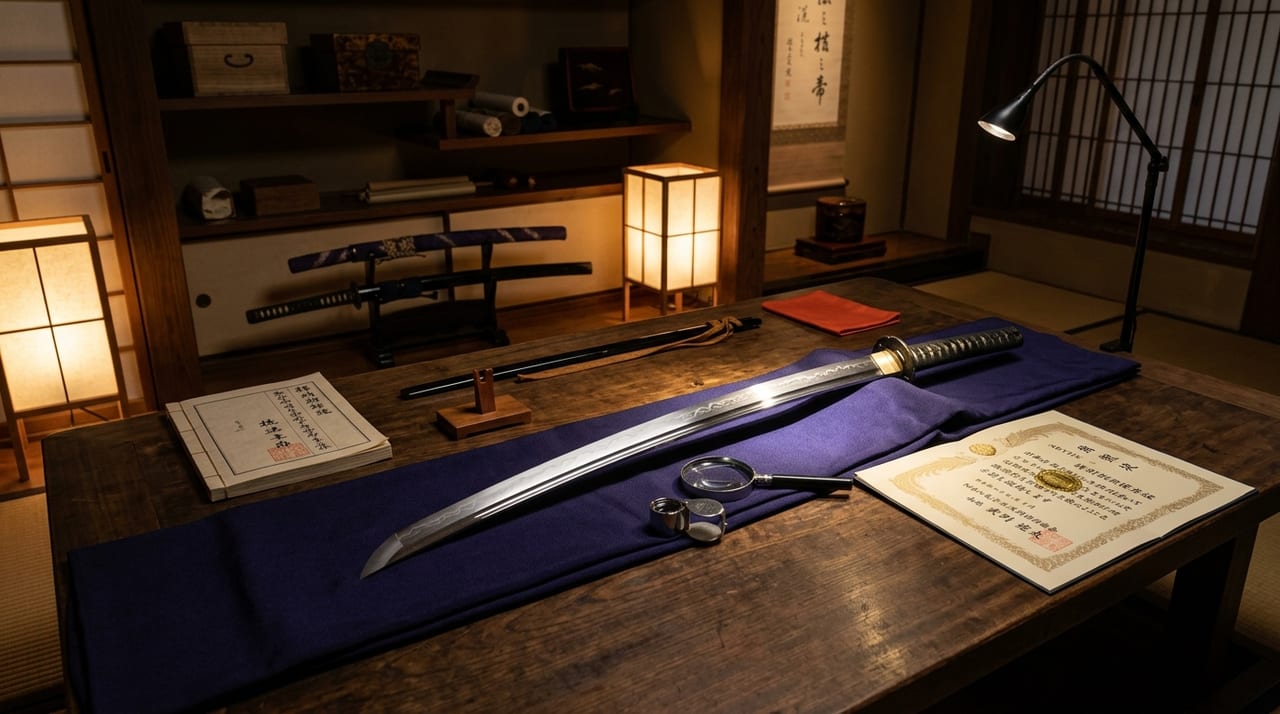
Owning nihonto (日本刀) in Japan requires a registration certificate. An explanation of the registration system's structure and procedures.
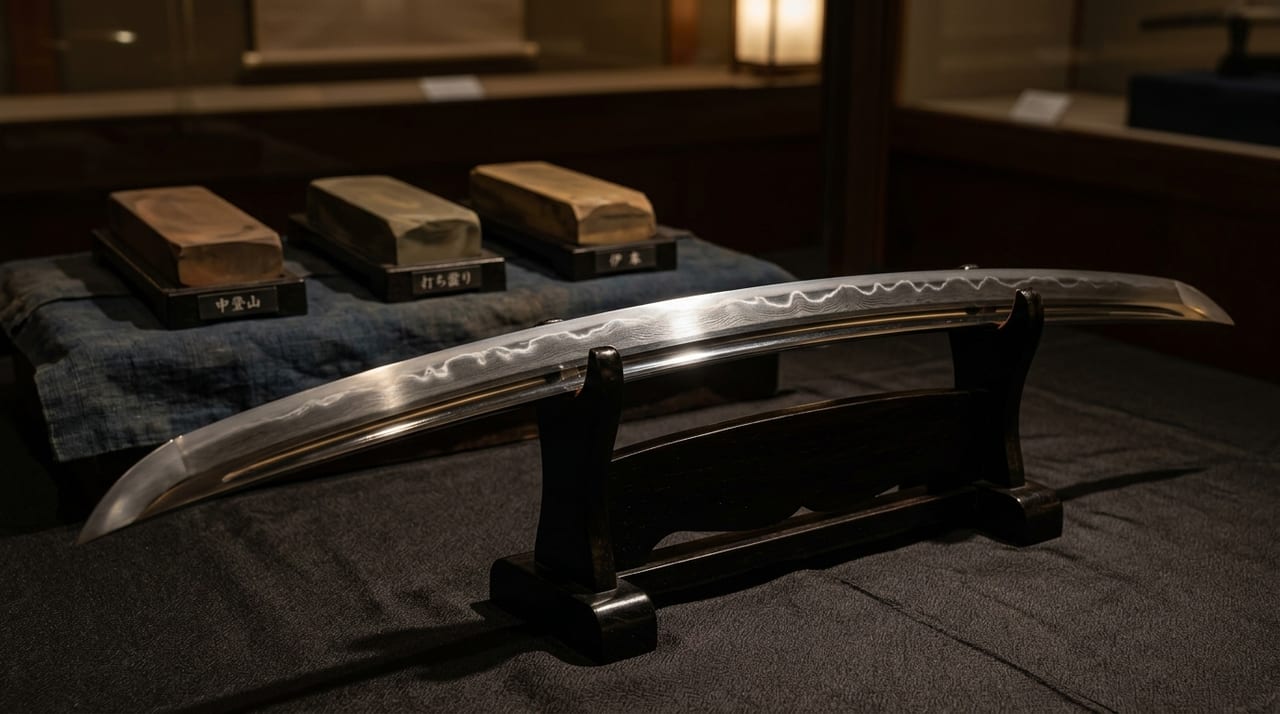
Tokyo National Museum, Kyoto National Museum, Japanese Sword Museum. An introduction to sword exhibition facilities throughout Japan.
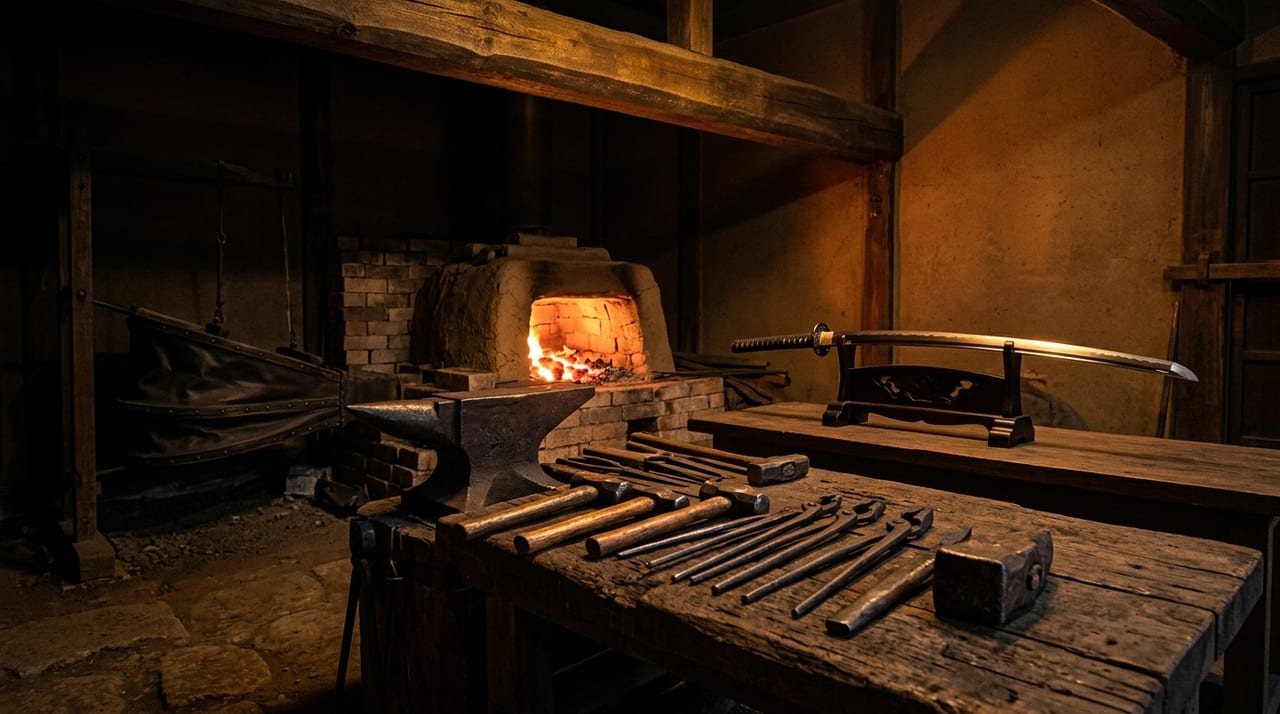
Tamahagane born from tatara ironworking. An explanation of Japanese sword materials and their manufacturing methods.
Shinogi-zukuri, hira-zukuri, kiriage-zukuri, and katakiriae-zukuri. An explanation of the types and characteristics of blade construction methods.
From Tomoe Gozen to tōken joshi. An exploration of women's relationship with swords in Japanese history.
Three levels: beginner, intermediate, and advanced. How much do you know about Japanese sword terminology?
Measuring and Evaluating Blade Dimensions: Judging Quality from Length, Curvature and Weight
Shinto-Period Swordsmith Lineages and Regional Distribution: Schools and Workshop Locations Reorganized under the Edo System
Can War Tales Serve as Sword Historical Sources? — The Gap Between Tachi Depictions in the Heike Monogatari and Taiheiki and Actual Swords
Two-Character Mei and Long Mei — How to Read Mei as It Changes with Format, Position, and Suriage
How to Read Yaki-haba and Yakidashi — An Entry Point for Decoding Hamon Design