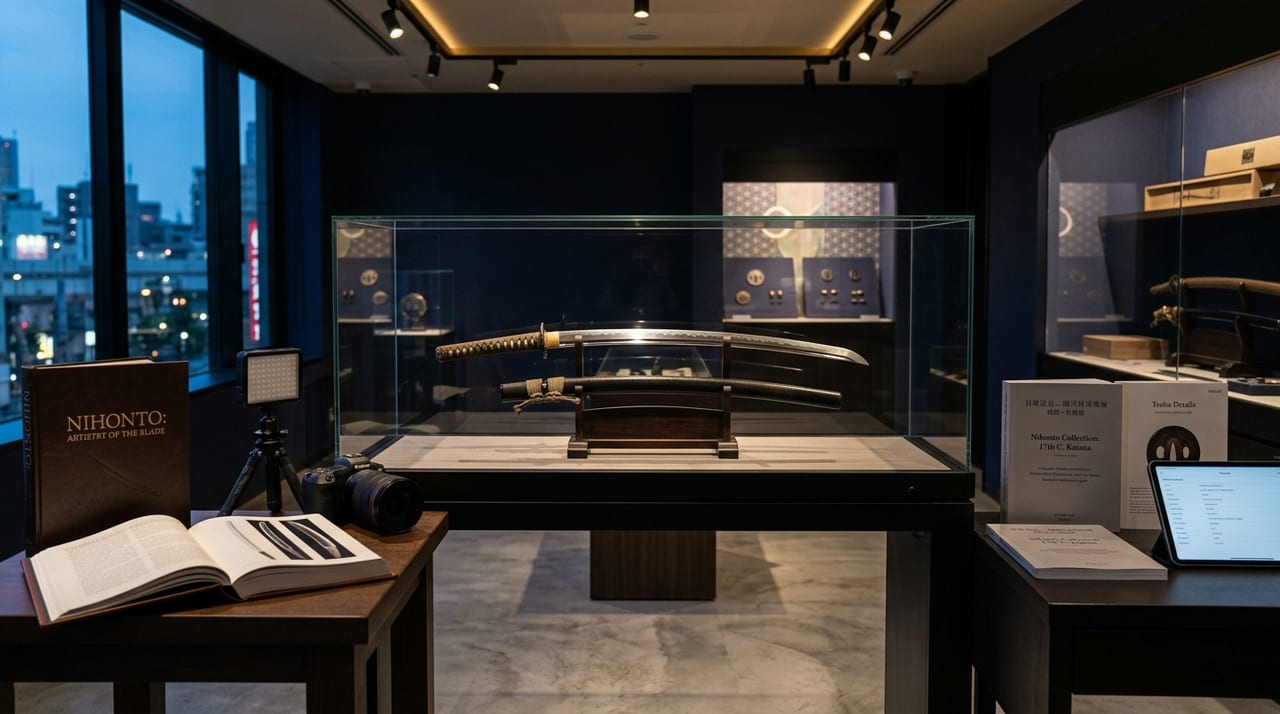
Guarding Against Impersonation Fraud and Phishing in the Sword Trading Industry
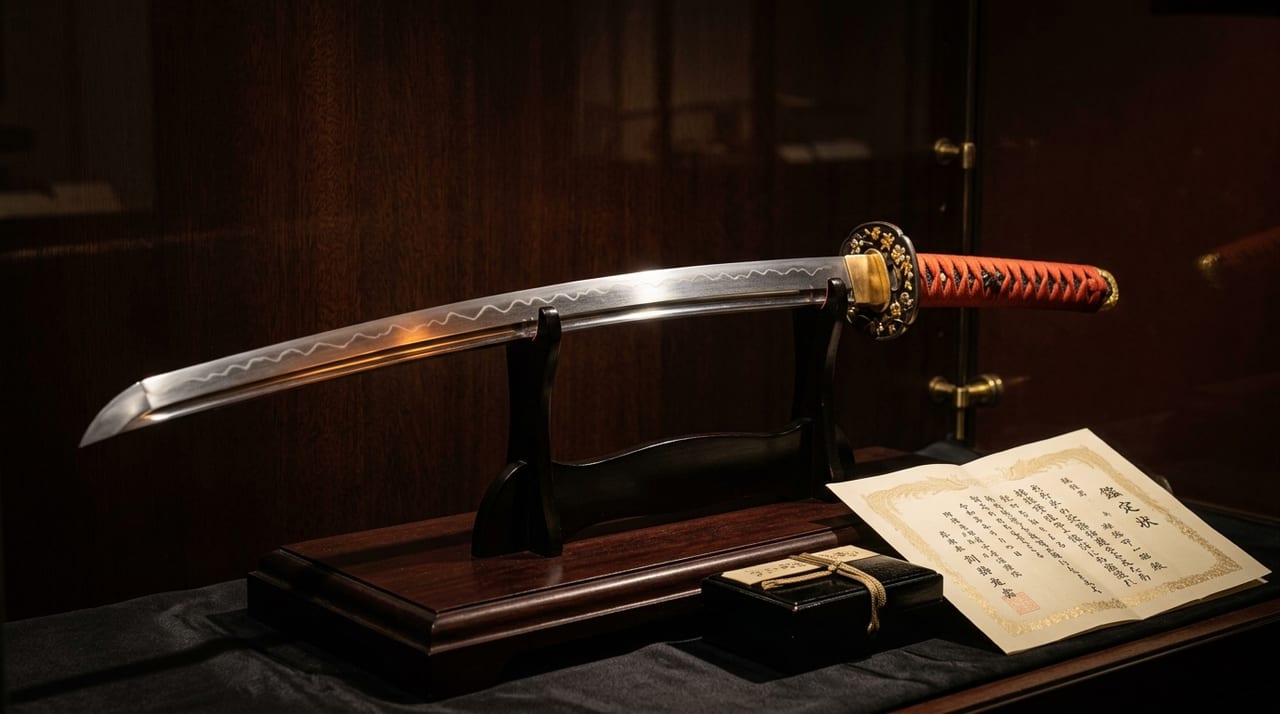 * Image is for illustrative purposes only.
Table of Contents
Why the Japanese sword industry is an easy target for impersonation fraud
Japanese swords range from hundreds of thousands of yen to several million yen per blade, and in some cases, those designated as specially important swords can reach tens of millions of yen—a high-value commodity. In online transactions where customers cannot physically examine the product, buyers have no choice but to make their purchase decision based solely on photographs, product descriptions, and the question of whether they can truly trust the seller. This information asymmetry has created fertile ground for impersonation scams, where fraudsters imitate the names, logos, and site designs of legitimate sword dealers to steal trust.
While this weakness is common across industries dealing in high-value artwork, Japanese swords present a unique risk: the specialized knowledge required is high, and price ranges are difficult for ordinary consumers to gauge, which means they may not even notice when something is suspiciously cheap. In cases where overseas enthusiasts become targets, their unfamiliarity with Japanese commercial practices and regulations (such as the requirement to display antique dealer (kobutsu-shō) license numbers under the Secondhand Articles Dealer Act) makes it harder to recognize the fraud.
Typical methods of fake sword e-commerce sites
Fake sword e-commerce sites share several common patterns. The most prevalent tactic is to create a nearly identical site on a different domain by illegally copying product photos and store names from legitimate sword dealers. Although the appearance is almost identical, the red flags include a slightly different domain name (substituting part of the correct spelling or inserting hyphens) and vague or missing company information sections.
When reviewing representative features, watch out for sites displaying multiple of the following elements:
- No disclosure based on the Specified Commercial Transaction Act, or the listed address and phone numbers do not correspond to real locations
- No antique dealer license number listed, or the number cannot be verified through a database search
- Payment methods are limited to bank transfers only, with no options for credit card payment or cash on delivery
- Excessive urgency in the text, with phrases like "limited time only" or "stock running low," pressuring immediate purchase
- Extremely brief product descriptions with no supporting documentation such as authentication certificates or registration documents
- Responses to inquiries are suspiciously fast, or the Japanese phrasing sounds like machine translation
While none of these alone is definitive proof of fraud, when multiple factors are present together, you should be especially vigilant.
How to distinguish fake SNS accounts and phishing emails
In recent years, fraudsters have been creating SNS accounts that impersonate legitimate sword dealers and contacting people via direct message to propose direct transactions. It is dangerous to blindly trust messages from accounts that "look official" without verifying the official account's follower count, when it was created, or the consistency of its posting history. Even if an account appears to be from a legitimate business, imposters may create new accounts using identical profile pictures and icons, so the mutual relationships between followers and the volume of past posts can also serve as indicators.
Regarding phishing emails, the basic precautions are the same as for other high-value goods. It is critical to always verify that the sender's email address does not differ subtly from the legitimate domain and that hyperlinks in the message match the actual destination URL. Emails with subject lines that trigger anxiety, such as "Your account has been suspended" or "Confirmation of your order is required," demanding that you rush to enter login credentials or credit card numbers, are classic phishing tactics. Legitimate businesses do not typically ask customers to re-enter passwords via links in emails. If you have any doubts, develop the habit of not clicking links in the email, but instead typing the correct URL directly into your browser.
Checklist to avoid being victimized
Here is an organized list of practical checkpoints to verify before making a purchase.
- Verify that the site's domain exactly matches the official one by cross-referencing with bookmarks and links posted on official SNS
- Verify that the company name, address, and antique dealer license number listed in the Specified Commercial Transaction Act disclosure actually exist
- Confirm that multiple payment methods are available and that you are not being forced to use only bank transfer
- Confirm that supporting documentation such as copies of authentication certificates or registration documents is clearly provided
- If you have any questions, contact the official inquiry channel listed on the site directly and verify the consistency of the response
If you do become a victim and lose contact after transferring payment, it is recommended that you immediately consult with the police and also contact the payment service provider (credit card company or bank) to inquire about possible chargeback or transaction cancellation procedures. Using public consultation services such as consumer affairs centers is also effective in preventing further damage.
Summary: Verify for yourself whether you can trust the other party
Japanese swords are works of art in which history and craftsmanship are concentrated, and they are also high-value assets. Now that online purchasing has become commonplace, rather than judging solely on price or search result visibility, the most reliable way to protect yourself from impersonation scams is to develop the habit of checking basic elements one by one—company information, license numbers, and the transparency of payment methods. TOUKENZA offers Japanese swords from its online catalog for browsing and purchase. If you have any questions about company information or product details, please feel free to contact us using the inquiry form on the site.