The Rise of Subscription and Membership Models in the Sword Industry: The Modern Business Forms of Monthly Subscriptions, Regular Deliveries, and Appreciation Communities
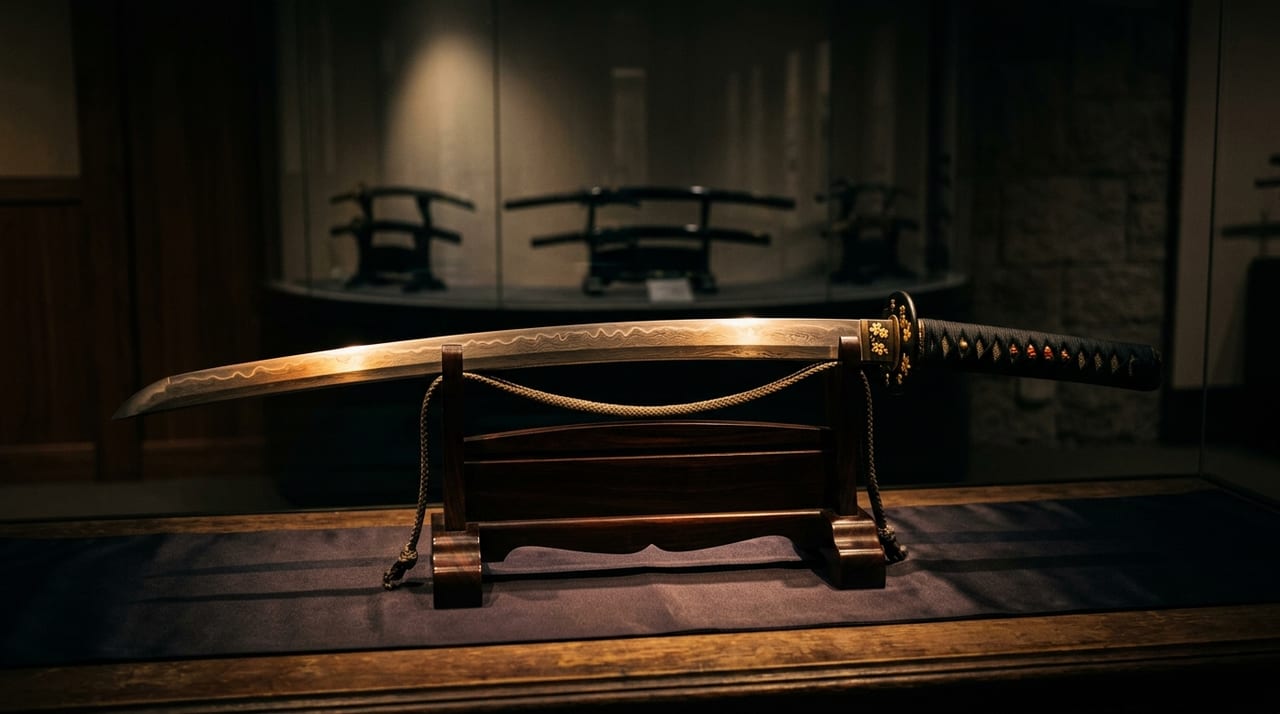 * Image is for illustrative purposes only.
Table of Contents
The Background to the Spread of Subscriptions in the Sword Industry
As the internet has spread and the digital economy has matured, subscription (monthly billing) models have become mainstream across all areas of content, retail, and community. The sword industry is no exception, and since the 2020s, a variety of membership-based and subscription-type services have emerged, led primarily by sword dealers, enthusiast groups, and researcher communities.
By their nature, nihontō tend to be high in unit price and one-of-a-kind items. For this reason, a transactional relationship built solely on the e-commerce model of "buying" and "selling" made it difficult to retain over the long term those who were beginning to take an interest in swords, or existing enthusiasts who wished to study their swords in depth. Subscription and membership models are attracting attention as an attempt to shift the axis from "a relationship that ends with a single purchase" to "a relationship of ongoing learning and connection."
The Main Service Categories of Sword Subscriptions
The subscription and membership services currently seen in the sword field can be organized into several categories.
- Information and Content Delivery Type: A format in which subscribers pay a monthly or annual fee to receive specialist commentary, appraisal guides, historical materials, video content, and more on nihontō. Online magazines and newsletters operated by some sword dealers and research institutions fall into this category. The focus of value is on continuously delivering deep knowledge and the latest research findings that cannot be obtained from general introductory books on swords.
- Community and Online Salon Type: Online communities in which sword enthusiasts pay a monthly fee to participate. Members exchange information, hold Q&A sessions, and consult on appraisals via Slack, Discord, or dedicated platforms. The organizer is often a tōshō, togishi, sword dealer, or collector, and direct access to the knowledgeable organizer is a member benefit.
- Viewing Experience and Loan Type: Experience-based services in which physical swords are loaned out for a set period so they can be observed and appreciated at home have been attempted in some cases. This format faces high legal and practical hurdles — managing sword registration certificates, the risk of damage, insurance, and so on — and many examples have not been scaled into full commercial businesses. Note that TOUKENZA specializes in online sales and the provision of explanatory columns, and does not offer practical agency services such as loan arrangements.
- Regular Information Letter and Update Notification Type for Collectors: A service that regularly delivers information on newly arrived swords, advance notices of limited items, and market price information by email or message. Strictly speaking, this is not a subscription but rather a CRM (customer relationship management) mechanism; however, in that it operates on a member registration system that grants access to special information, it operates similarly to a subscription model.
The Value and Needs of Sword Membership Communities
One factor that makes subscription and membership models easy to establish in the sword industry is the strength of sword enthusiasts' "desire to learn and grow."
Appraising nihontō requires years of experience and specialized knowledge, and there are many areas that are difficult to master through self-study. How to read the hamon and jigane, the distinguishing characteristics of each school, and the key points to look for during appraisal are all difficult to learn from books alone, and the opportunity to observe actual swords while receiving expert commentary is considered essential. Membership communities function as platforms capable of continuously providing these learning opportunities.
Sword collectors are also often prone to geographic isolation. It is rare to have many acquaintances nearby who share the same hobby, and there is a large latent need to interact with like-minded individuals and share information. Online communities can eliminate this geographic and social isolation and play a role in connecting enthusiasts from across the country and abroad.
Challenges of Sword Subscriptions: Regulation, Risk, and Sustainability
On the other hand, subscription and membership models have their own unique challenges.
- Regulatory Compliance Specific to Swords: Nihontō are subject to regulation under the Act for Controlling the Possession of Firearms or Swords and Other Such Weapons (Jūtōhō), and the sale and loan of registered nihontō carry legal requirements. Subscription services that involve physical swords face high compliance costs. Digital content delivery and community types are easier to avoid this issue.
- Maintaining Ongoing Value: The essence of a subscription is to continuously provide value that makes members want to keep paying. Sword content tends to accumulate a lot of "already known information" after a certain period, and the content production burden of maintaining freshness in regular deliveries weighs heavily on the operator.
- Scale Limitations of a Niche Market: The absolute number of sword enthusiasts is limited, and the core segment who will continuously pay several thousand to tens of thousands of yen per month is narrowed further. The domestic paid-membership market is small even compared to the sword and weapons collector markets in Europe and the United States, and ingenuity is required to monetize it as a standalone business.
- Potential for International Expansion: Interest in nihontō has been growing in recent years among sword enthusiasts in Europe, the United States, and East Asia, and there is potential to acquire overseas paid members through information-delivery communities in English, Chinese, and other languages. However, translation costs, time differences, and adapting to cultural differences must be addressed.
Impact on the Purchasing Behavior of Collectors and Enthusiasts
The influence that participation in subscription communities has on collectors' purchasing behavior should not be overlooked.
In general, as specialized knowledge increases, qualitative judgment in purchasing becomes more refined, and there is a tendency to shift from "impulse buying" to "purchasing with conviction." Collectors who have deepened their learning in a member community come to make purchase decisions with an understanding of a sword's place of origin, period, and hamon characteristics, and as a result, the purchase unit price tends to rise.
Furthermore, purchase reports and reviews from other members within the community have the effect of promoting word-of-mouth buying. The phenomenon of a trusted fellow member's comment such as "that sword was a good purchase" giving other members the push to buy is frequently observed in actual online communities.
Future Outlook: The Convergence of Online and Real-World, and the Deepening of Expertise
Subscription and membership models in the sword industry are expected to develop beyond standalone digital content into a hybrid type that combines online and offline elements (sword appreciation gatherings, exhibitions, visits to production sites, and so on).
In particular, formats that offer "opportunities to experience the field" as a member benefit — such as visiting a tōshō's workshop, experiencing a togishi's workplace, or attending an appraisal demonstration by a sword dealer — have potential appeal as experiences that allow one to truly appreciate the depth of nihontō.
As an online marketplace, TOUKENZA continuously publishes sales information and explanatory columns on nihontō. The latest arrival information and sword columns are published on the site as they become available, and any sword that catches your interest can be viewed in the online catalog. As new business models in the sword industry continue to mature, the enjoyment of combining online knowledge acquisition with purchasing is becoming more accessible.