The Siege of Osaka (1614–1615) and Sword Distribution: Mass Confiscation, Dispersal, and Tokugawa Reorganization of the Blade Trade
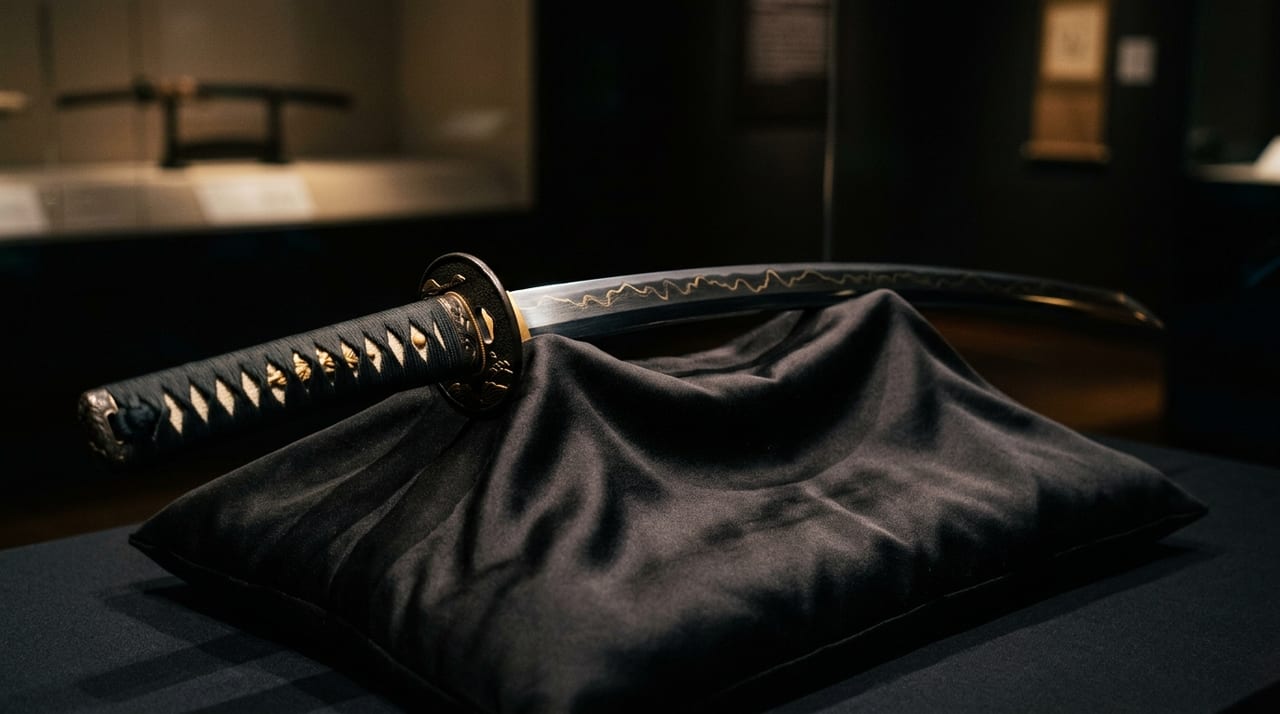 * Image is for illustrative purposes only.
Table of Contents
The Osaka Campaign (大坂の陣)—The Final Great War of the Keichō and Genwa Eras
The Winter Campaign of Keichō 19 (1614) and the Summer Campaign of the following year, Genwa 1 (1615), are collectively known as the Osaka Campaign (大坂の陣). Fourteen years after the Battle of Sekigahara (Keichō 5, 1600), Tokugawa Ieyasu (徳川家康) confined Toyotomi Hideyori (豊臣秀頼) and the Toyotomi retainers to Osaka Castle, ultimately destroying the Toyotomi clan in this war.
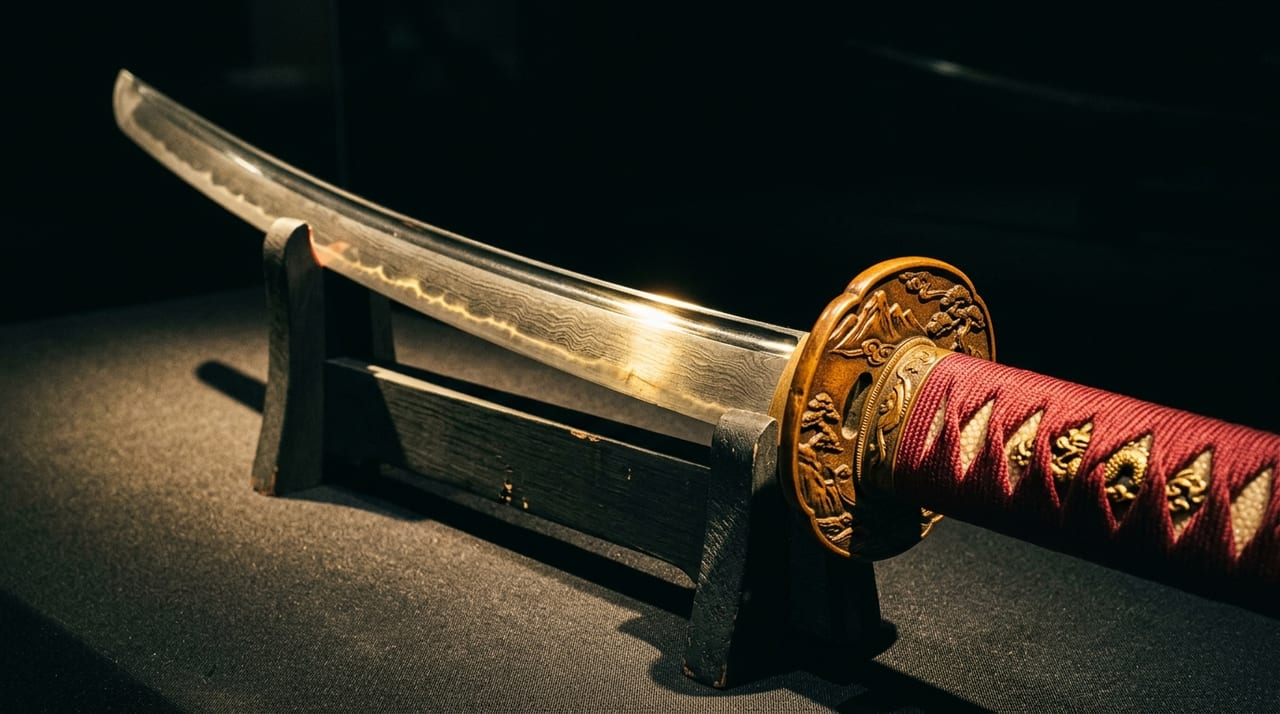
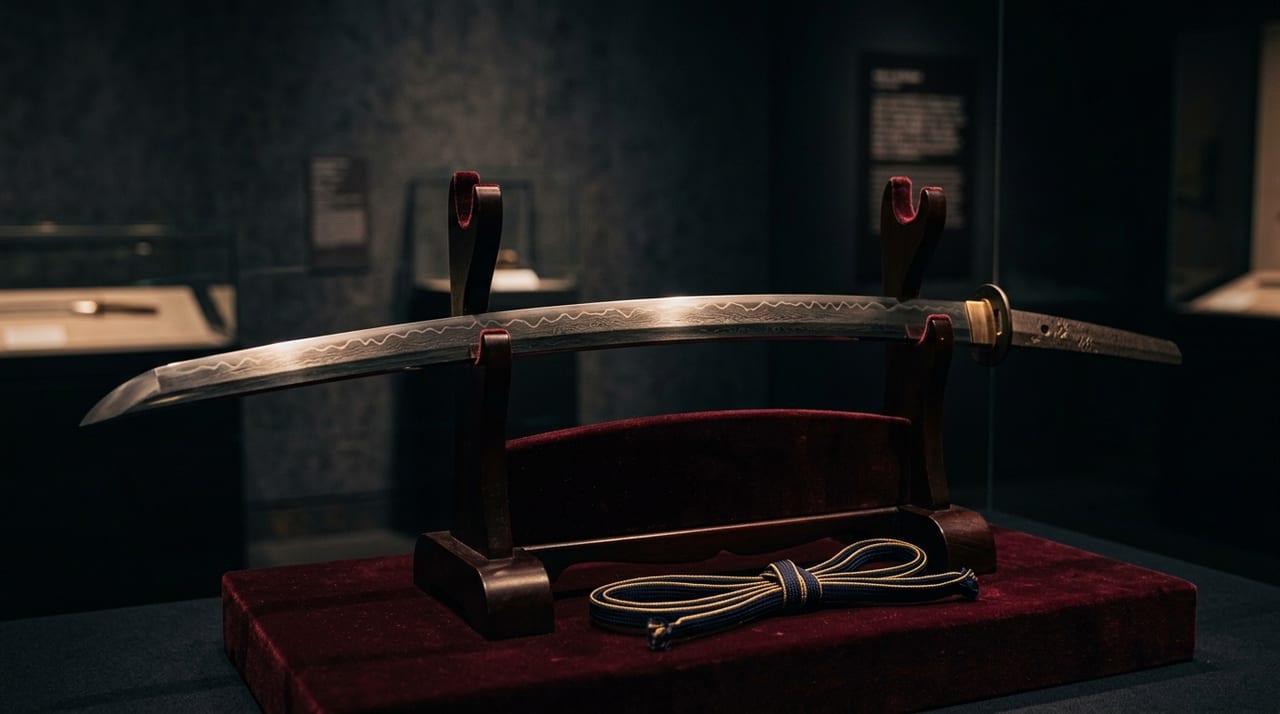
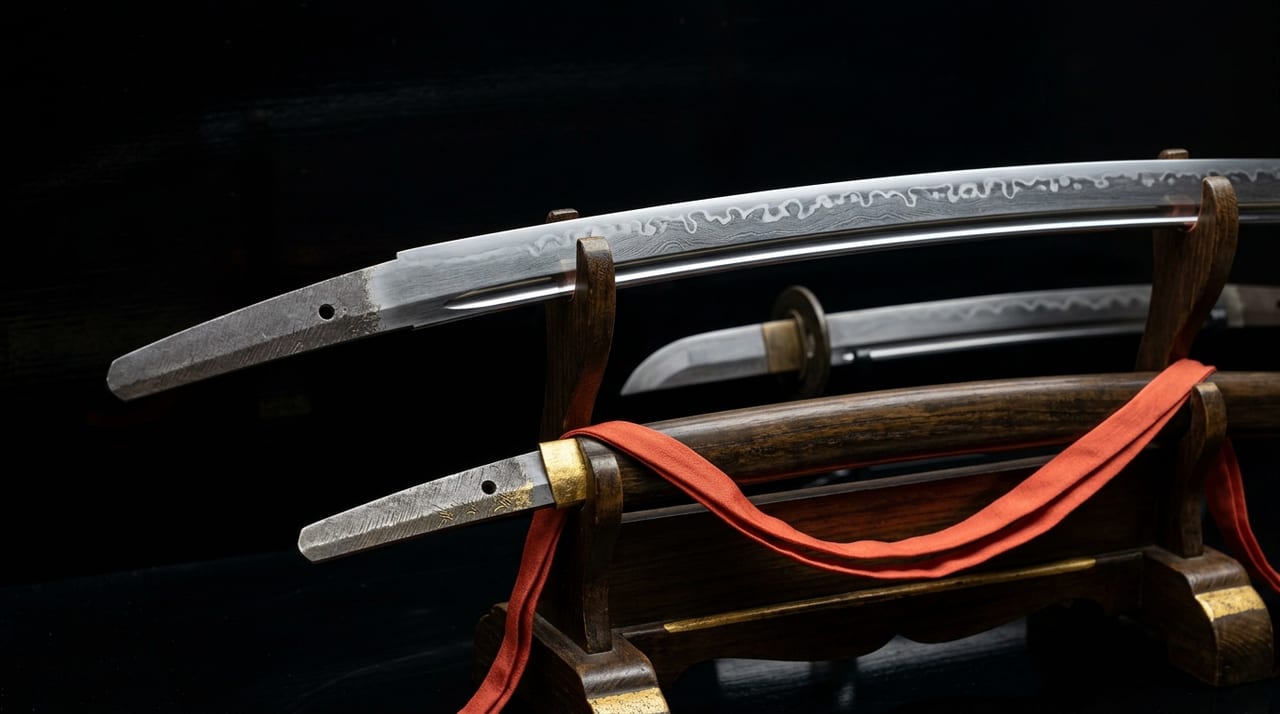
This campaign was far more than the completion of a change of regime; it also brought a profound transformation in the structure of Japanese sword distribution, ownership, and regional production. Both the Toyotomi and Tokugawa forces assembled tens of thousands of troops from across the nation, resulting in vast numbers of swords being brought to the battlefield. After the war, these blades followed paths of seizure, dispersal, sale, and confiscation.
Swords Gathered on the Battlefield—Blades Brought by Armed Forces from Across the Nation
To the Osaka Campaign came numerous daimyo, military commanders, and ronin from the Western Provinces, the Kantō, and the Northeast. The Toyotomi side in particular brought together former Toyotomi retainers and ronin (masterless warriors) from throughout the nation, including such renowned commanders as Chosokabe Morichika (長宗我部盛親), Gotō Mototsugu (後藤基次), and Sanada Nobushige (真田信繁), also known as Yukimura.
The swords worn by these commanders were diverse in both quality and date—heirlooms passed down from previous generations, practical blades from the Warring States period, and newly commissioned works. The battlefields around Osaka Castle brought together swords from each of the major production centers: Bizen (備前), Mino (美濃), Sōshū (相州), and others, held by armed forces from across the nation.
The Tokugawa-side daimyo and commanders, for their part, brought elite swords to the field. Works by smiths such as Echizen Yasutsugu (越前康継), who was emerging as an official sword maker to the Edo shogunate, and other fine examples of the shintō (新刀) tradition are likewise thought to have appeared on the battlefield.
The Toyotomi Defeat and Mass Dispersal of Swords
When Toyotomi Hideyori and Yodo-dono (淀殿) took their own lives in the Summer Campaign, bringing the fall of the Toyotomi clan (Genwa 1, the 8th day of the fifth month), Osaka Castle was subdued by Tokugawa forces. Within the castle lay vast quantities of swords, weapons, and treasures accumulated by the Toyotomi over many years, all of which were seized by the Tokugawa side.
It is said that the Toyotomi collection included celebrated blades (meibuts, 名物) that Oda Nobunaga (織田信長) and Toyotomi Hideyoshi (豊臣秀吉) had gathered from regional daimyo and sword makers throughout the realm. According to one account, Hideyoshi amassed celebrated pieces in what was called 'meibutsu-gari' (名物狩り, the hunting of celebrated pieces), managing them as both political gifts and prestige goods. With the fall of Osaka Castle, these blades were dispersed along multiple paths.
Specifically:
- Confiscation by the Tokugawa House: The principal weapons and treasures of Osaka Castle were seized by the Tokugawa.
- War Merit Rewards: Records document cases of Tokugawa-side commanders and warriors receiving and dividing swords as rewards for military service.
- Looting and Removal by Ronin and Foot Soldiers: As chaos continued within and around the castle, numerous swords fell into the hands of ronin and foot soldiers.
- Distribution Through Merchants and Pawnbrokers: In the post-war economic upheaval, swords flowed into the hands of sword dealers and pawnbrokers in Osaka and Kyoto.
The Ronin (牢人, Rōnin) Problem and Urban Sword Distribution
In the aftermath of the Osaka Campaign, vast numbers of ronin (牢人, rōnin) emerged, centered on Toyotomi commanders and warriors who had lost their lords and stipends, scattering throughout the realm while retaining their swords. This ronin problem became a serious source of social unrest for the Tokugawa shogunate, remaining a persistent policy challenge even after the promulgation of Genwa 1 (1615)—marked by the 'Genwa Enbu' (元和偃武, declaration of martial tranquility)—which proclaimed peace under heaven.
Many ronin, facing hardship, sold the swords they had worn. Through this means, numerous blades—including celebrated works from Bizen, Sōshū, and Mino—entered circulation in urban markets, flowing into the sword markets of Osaka, Kyoto, and Edo. Sword dealers seized this opportunity, acquiring swords from the post-war period of upheaval at relatively low prices, subjecting them to authentication and polishing, then reselling them to the warrior class.
The Honami family (本阿弥家) held a firmly established position as the most authoritative sword authentication expert of the era, issuing shōshin-gaki (正真書, authentication certificates) for dispersed blades, thereby bringing order to the market. The period of chaos following the Osaka Campaign saw a sharp increase in demand for Honami expertise.
The Tokugawa Shogunate's Reorganization of Sword Order
Following the fall of the Toyotomi, the Tokugawa shogunate promulgated the 'Buke Shohatto' (武家諸法度, Laws for the Military Houses) in Genwa 1 (1615), strengthening control over the daimyo. Within these laws, restrictions were placed on the military equipment of the daimyo, and the management of swords and weapons came under direct shogunal oversight.
Changes occurred in the protection and management of sword makers as well. While some smiths who had enjoyed patronage under Toyotomi rule lost their backing due to the suppression or reduction of the daimyo they served, the Tokugawa shogunate quickly established a new system of official sword makers. In the early Edo period, smiths such as Iga-no-kami Kinmichi (伊賀守金道), Izumi-no-kami Kanesada (和泉守兼定), and Echizen Yasutsugu (越前康継) became established as official shogunal suppliers, laying the foundation for the shintō tradition of Edo period sword culture.
The Osaka Campaign marked the end of the fluid sword circulation that had continued since the Warring States period and became a turning point toward controlled sword management and distribution under the Tokugawa regime. From this point forward, the shogunate's conception of the sword shifted from 'tool of war' to 'symbol of the warrior and formal regalia,' and sword culture developed pronounced dimensions of appreciation, collecting, and decoration throughout the Edo period.
What the Osaka Campaign Left in Sword History
The Osaka Campaign formed an important turning point in several respects within the history of Japanese sword distribution.
First, the massive outpouring of meibuts and weapons accumulated by the Toyotomi into the market at once caused a qualitative expansion of the sword distribution market. As swords of celebrated makers from the Warring States period dispersed among the Tokugawa house, regional daimyo, and sword dealers, the foundation for a culture of sword collecting and authentication within Edo-period warrior society was laid.
Second, the distribution of swords to the general warrior class through the ronin problem became a factor in democratizing the symbolic role of 'the sword-wearing warrior' within warrior culture during the Edo period. Blades were no longer confined to upper-ranked warriors but spread to lower-ranked samurai, rural gentry (gōshi, 郷士), and local landholding samurai (jizamurai, 地侍), broadening the base of sword culture as a symbol of warrior identity.
Third, the rising authority of authentication experts, foremost among them the Honami family, and the establishment of shōshin-gaki as a means of certifying sword value equipped the Edo period sword market with an infrastructure of trust. This became one of the institutional origins of Japanese sword authentication continuing into the early modern, modern, and contemporary periods.
From the shintō of the early Edo period to the shintō-shintō (新々刀) of the late Edo period, you can browse individual blades online that reflect each era's sword culture. Should you find a blade that interests you, please reach out via our inquiry form.