Tanuma Okitsugu's Economic Policy and the Sword Trade: How Merchant Guilds and Currency Reform Shaped the Smithing Industry
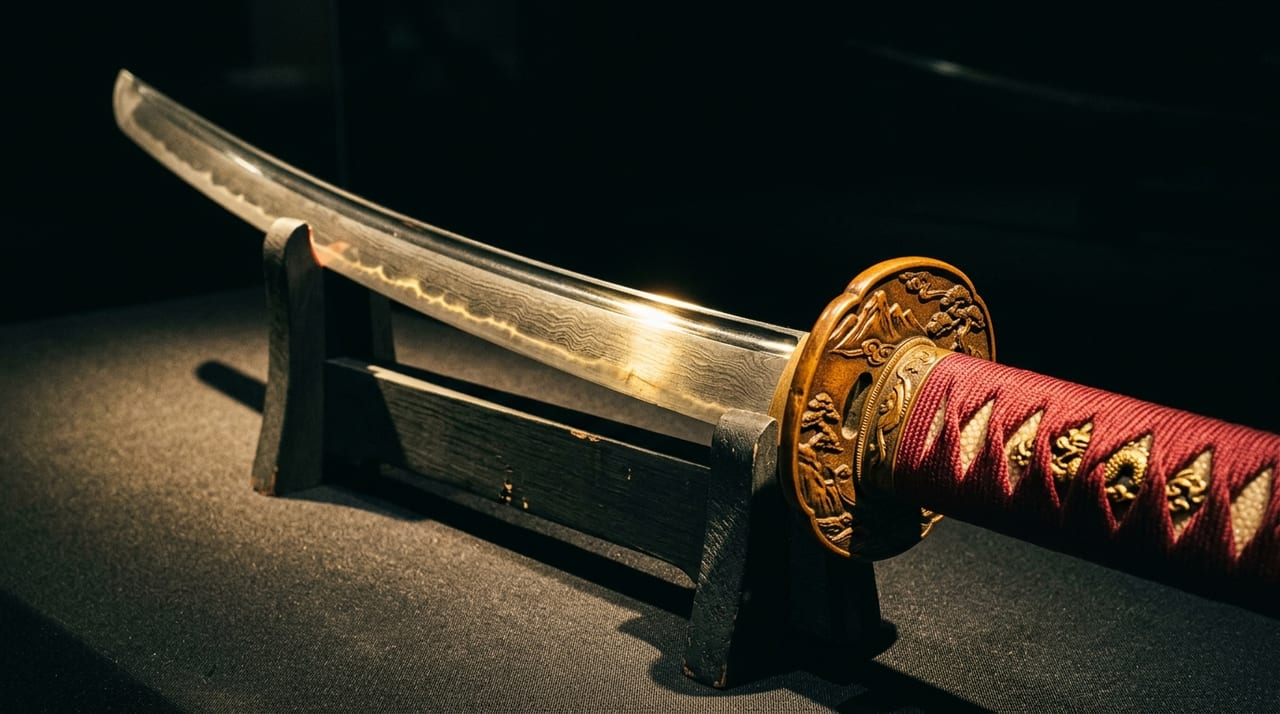 * Image is for illustrative purposes only.
Table of Contents
Tanuma Okitsugu: Who Was He? ── Characteristics of His Policies as rōjū
Tanuma Okitsugu became rōjū in Meiwa 9 (1772) and remained at the center of bakufu politics for approximately fourteen years until his downfall in Tenmei 6 (1786). Whereas previous bakufu administrations relied on agrarian-focused finances centered on annual tributes, Tanuma shifted toward a more mercantilist course by extracting revenue from commerce and distribution in the form of unjō business levies and ceremonial contributions. This transformation in economic policy had a considerable impact on the distribution structures of various industries, including the sword trade.
Official Recognition of Kabu-nakama and Changes in Distribution Structure
One pillar of Tanuma's economic policy was the official recognition and encouragement of kabu-nakama—merchant and artisan guilds. The system in which the bakufu officially recognized kabu-nakama in exchange for contributions in the form of unjō business levies and ceremonial payments both enriched bakufu finances and had the effect of organizing distribution channels by industry.
- Kabu-nakama regulated prices and transaction terms among members to some extent, contributing to the stabilization of distribution
- As guilds among various craftspeople advanced, artisans engaged in metalworking began to be incorporated into kabu-nakama–style trade organizations
- On the other hand, the monopolistic control of rights by kabu-nakama frequently became a subject of criticism after the Kansei reforms that followed
While historical records offer varying clarity on the extent to which sword distribution itself was organized within the kabu-nakama framework, it is certain that Tanuma's commerce-centered policies constituted an era of change in the distribution environment for crafts including swords. The fact that artisanal production and sales arrangements, which had previously tended to be self-contained in castle towns throughout the country, came to be incorporated into wider distribution networks mediated by kabu-nakama is an indispensable element in understanding the economic structural changes of the mid-Edo period.
Monetary Policy and Economic Activation
Tanuma took active steps in monetary policy as well. The Nanryō-nishu-gin (silver coins) whose minting began in Meiwa 9 (1772) was an attempt to circulate them as counted currency with an established face value, unlike the weighing currency previously used (silver coins weighed by mass), aiming to make the exchange of gold and silver more seamless. It is believed that such refinement of the monetary system raised the efficiency of commerce as a whole and had a certain impact on the sale of goods including high-value items such as swords. Furthermore, Tanuma led the dispatch of a survey team to Ezo (present-day Hokkaido) in Tenmei 5 (1785) and actively explored new possibilities for trade and development, showing keen interest in expanding the economic sphere. Such a focus on external economic frontiers can be said to be a symbolic manifestation of the Tanuma era's policy stance, one not confined to domestic agrarianism.
Sword-Making During the Tanuma Era ── Evaluation as Stagnation in the Late Shintō Period
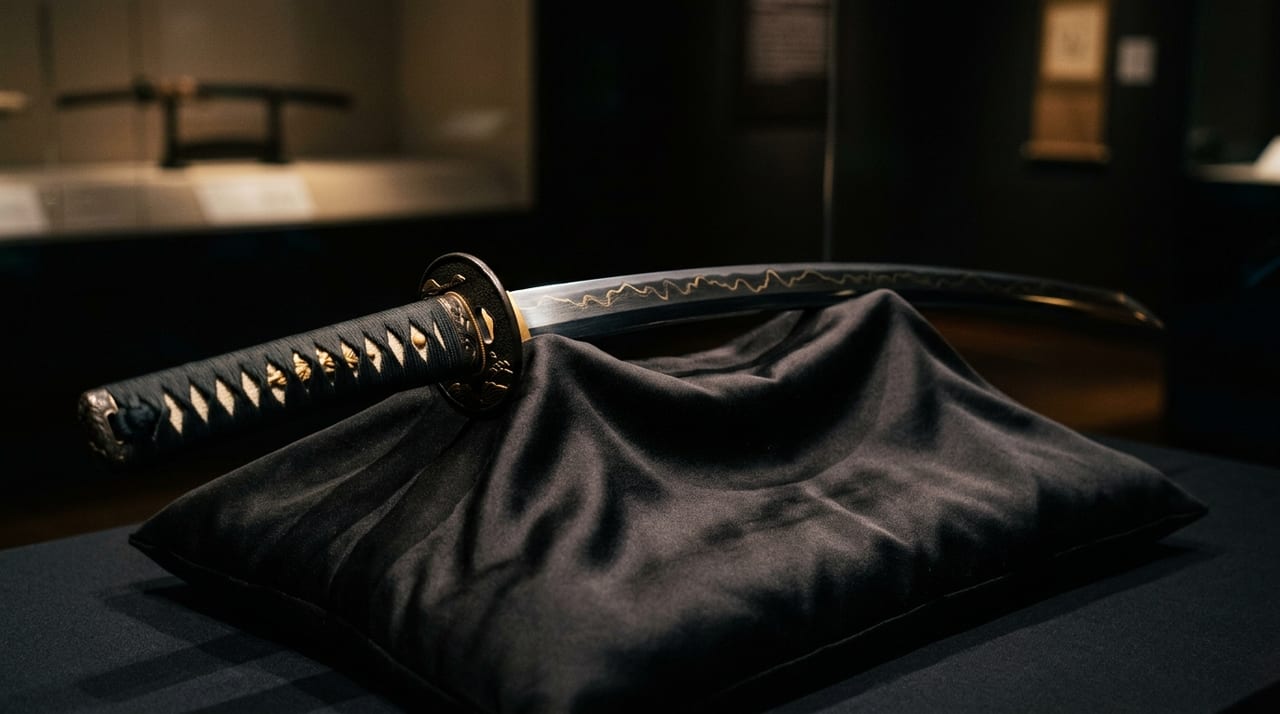
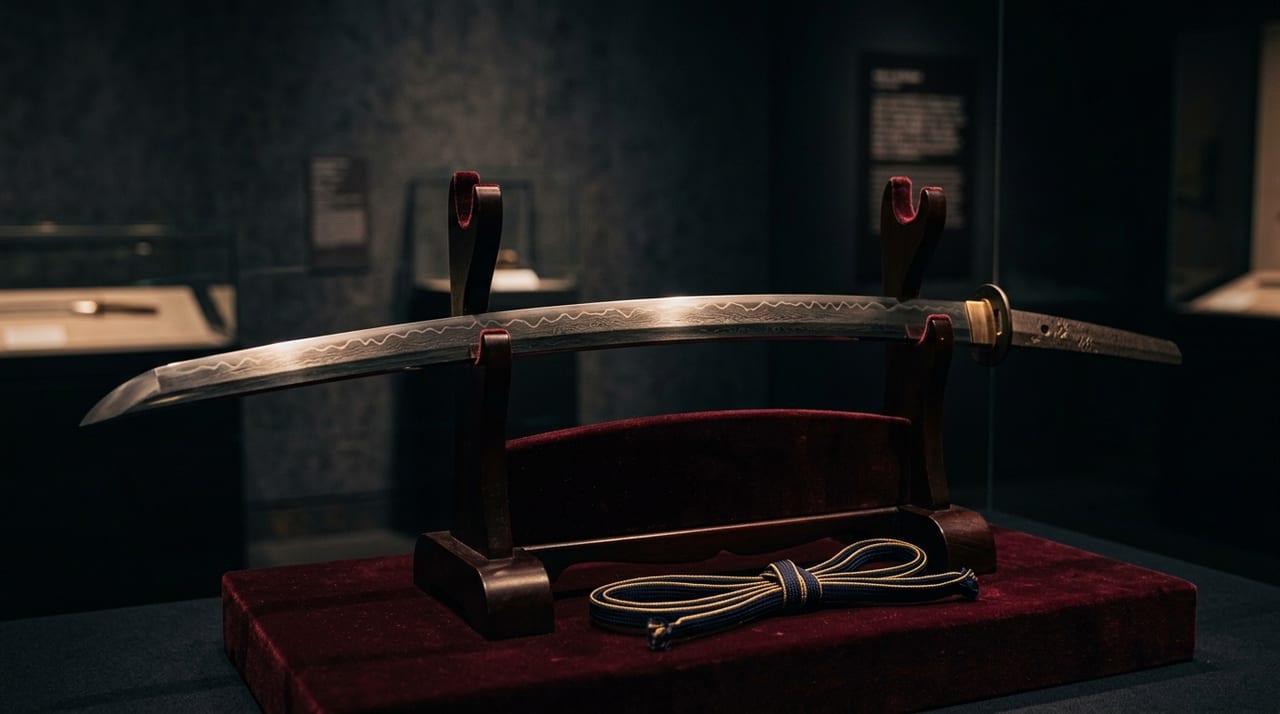
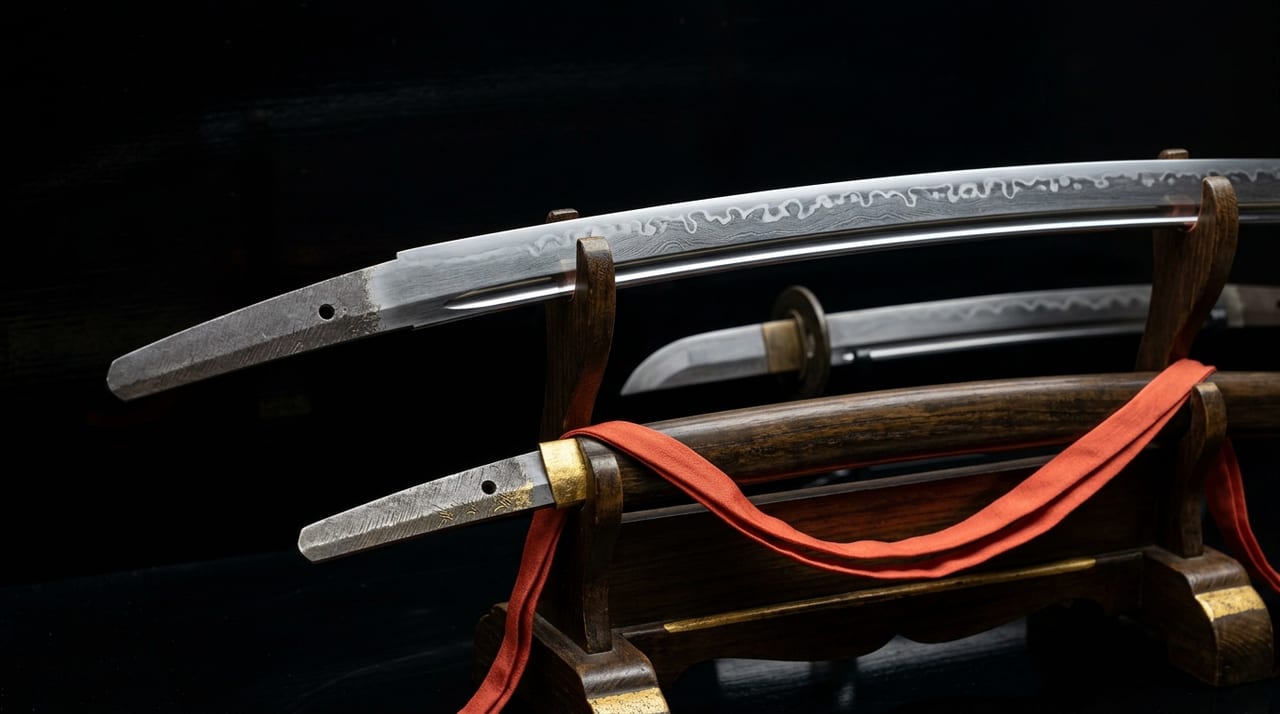
From the perspective of sword history, the Tanuma era corresponds to the end of the period called shintō (new swords). The work of swordsmiths during this period increasingly showed a mass-production orientation prioritizing quantity over functionality, and is often regarded in later evaluations as a period of technical stagnation. The interesting contrast is that despite this being an era when commerce flourished and goods circulated more freely, the quality of sword-making itself did not improve. In reflection on this stagnation, from the Kansei era onward after Tanuma's downfall, swordsmith Suishinshi Masahide began advocating a return to the techniques of old swords, thereby initiating the movement for sword revival later called shinshintō (new-new swords). That a shift in sword history occurred—a deliberate return to the techniques of an older era—after the Tanuma period, which had emphasized commerce in its economic policies, can also be read as demonstrating the paradox that the activation of distribution does not necessarily lead directly to qualitative improvement in the crafts.
The Tenmei Famine and the End of Tanuma Politics
The Tenmei famine, which ravaged the country from Tenmei 2 (1782) through Tenmei 8 (1788), overlapped with the final years of Tanuma politics. Rising rice prices due to the famine and social unrest became factors strengthening criticism of his commerce-centered policies, leading Tanuma to step down as rōjū in Tenmei 6. For artisans including swordsmiths, the economic stagnation caused by the famine was a severe period in which the very demand for work was reduced, and in circumstances where spending on luxury goods and crafts was among the first to be curtailed, it is believed that demand for swords was also affected.
Summary
Tanuma Okitsugu's economic policies, in their organization of distribution through official recognition of kabu-nakama, refinement of monetary systems, and interest in expanding the economic sphere, represented a mercantilist course that moved beyond agrarianism. While this change in the distribution environment extended to the sword industry, sword-making during this same period is said to have been in a period of technical stagnation, and the activation of the economy did not necessarily align with the quality of the crafts. After Tanuma politics came to an end alongside the social unrest caused by the Tenmei famine, sword history moved toward a retrospective current from the Kansei era onward. By overlaying different axes—economic policy and the history of crafts—an image of the era emerges that goes beyond a mere chronology. If you wish to understand the sword culture of the late eighteenth century, including the Tanuma era, from a broader perspective, please also refer to Sword Culture of the Hōreki and Tenmei Periods (1751–1789) ── The Evolution of Samurai Ritual and Blade Decoration Nurtured in the Tanuma Age.