Japanese Sword Export Routes in the Muromachi and Sengoku Periods: The Reality of Sword Distribution and Export Volumes to Ming China, Joseon Korea, and Southeast Asia
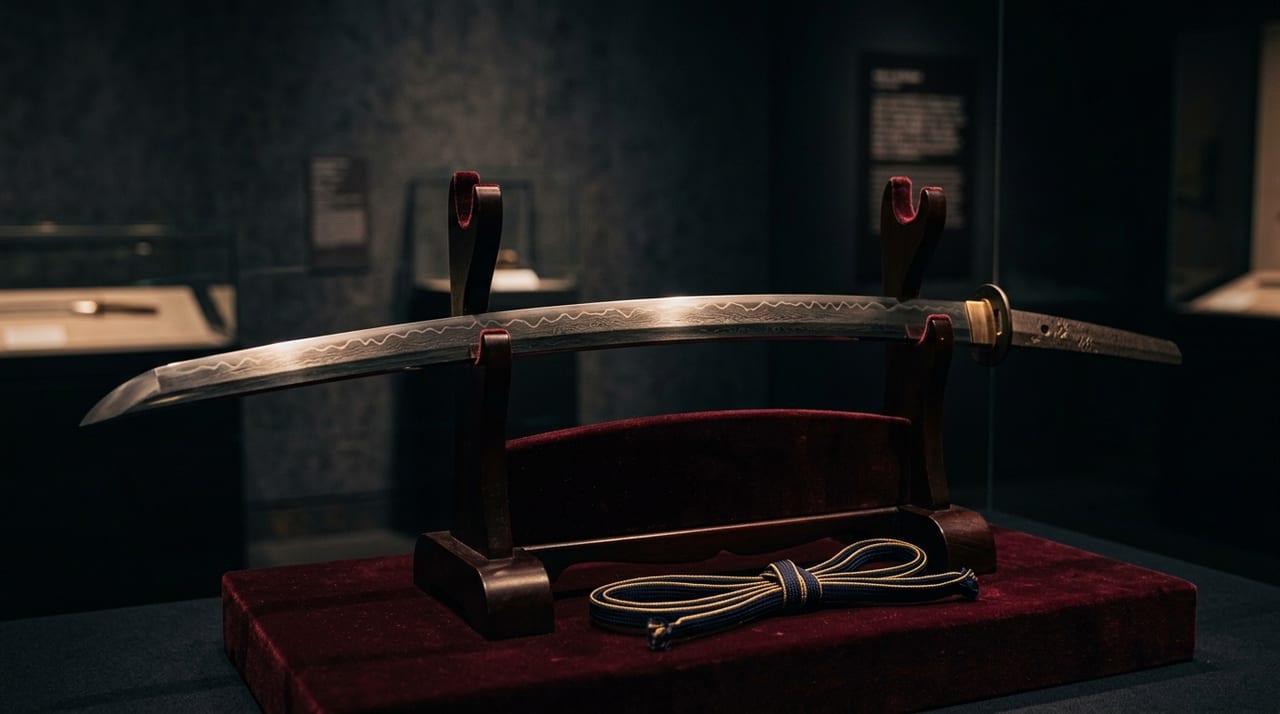 * Image is for illustrative purposes only.
Table of Contents
Why Did Swords of the Muromachi and Sengoku Periods Flow Overseas?
In the 15th and 16th centuries, Japan was one of East Asia's leading sword-exporting countries. While the illegal distribution carried out by wakō tends to attract attention, the reality is that the kangō trade (tally trade), administered by the shogunate, served as the primary channel for large-scale exports through an official route. This article explains both the official and unofficial distribution channels, estimated export volumes, and the structure of demand in each of the receiving regions — Ming China, Joseon Korea, and Southeast Asia.
Swords in the Kangō Trade and Japan-Ming Trade
The kangō trade (1404–1547), concluded between the Muromachi shogunate and the Ming dynasty, was a state-to-state transaction in which Japan regularly sent tribute ships to Ming and received copper coins, silk, and ceramics in return. "Swords" were consistently listed at the top of the traded goods.
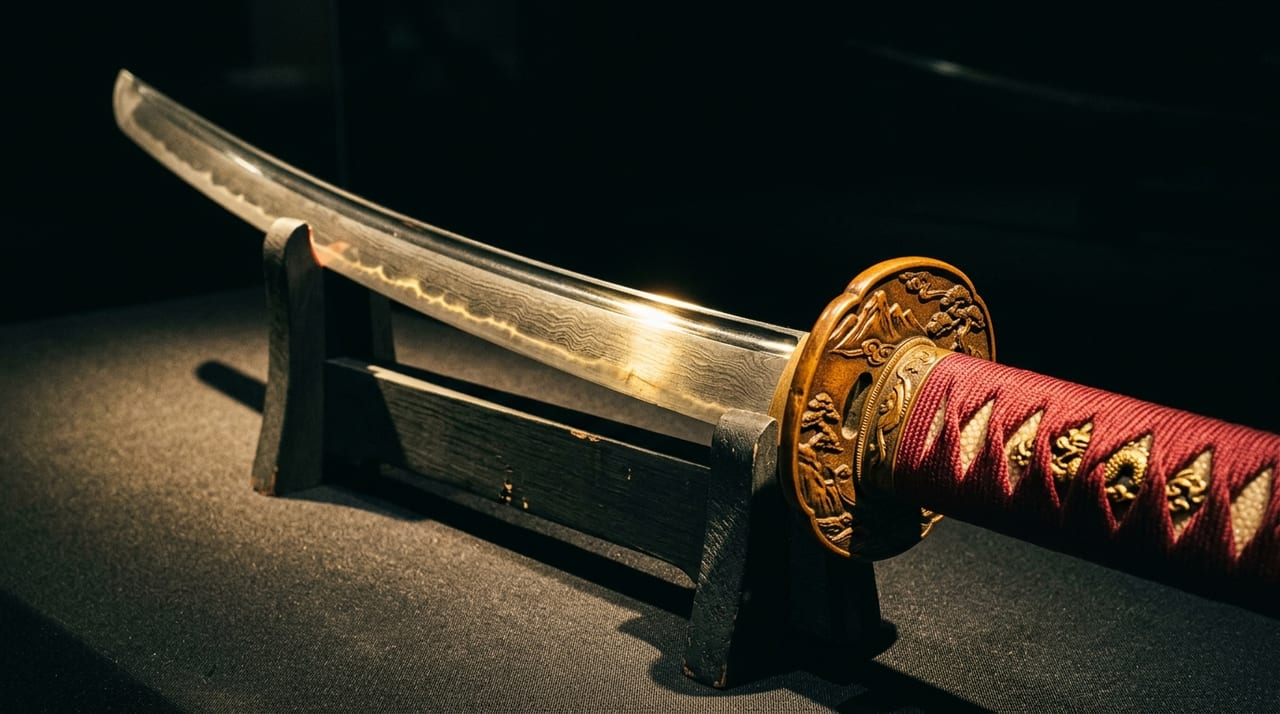
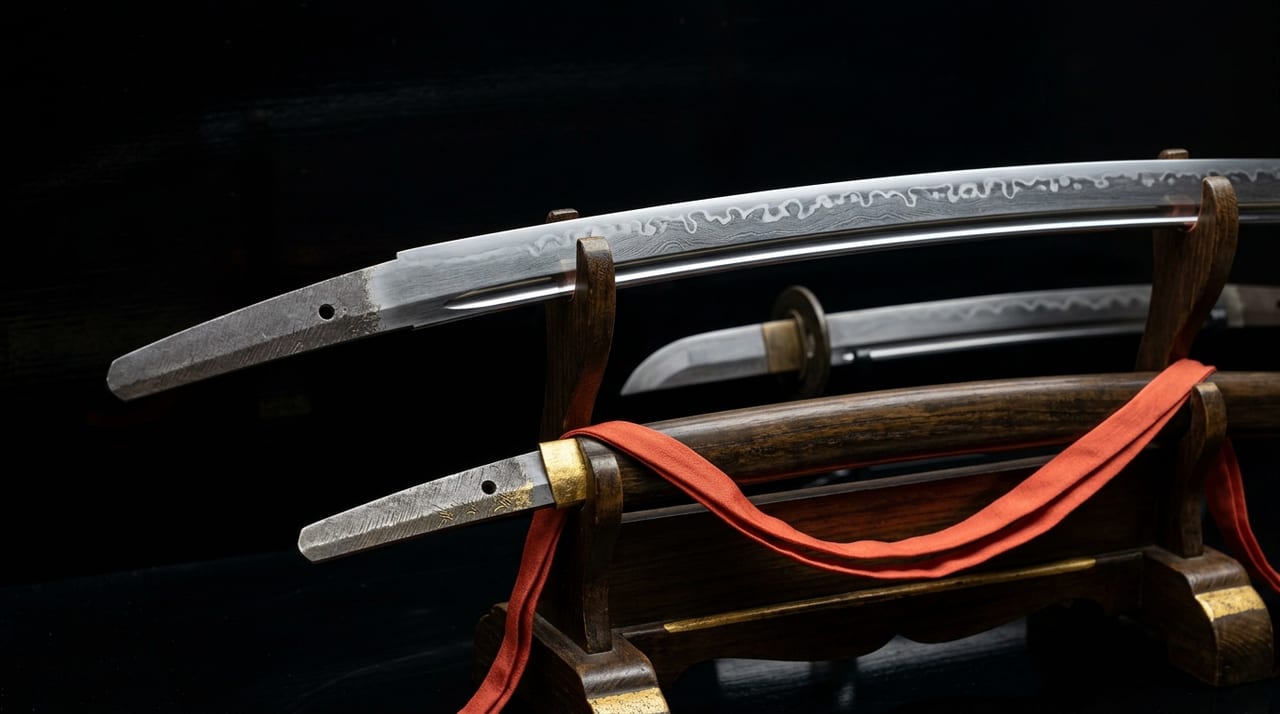
Ming-side sources such as the Da Ming Huidian record the categories of swords imported from Japan as "naginata," "large swords," and "armor," and single voyages sometimes involved several thousand blades. According to records of a 1483 envoy ship to Ming, 36,000 swords, sulfur, and copper were listed as the principal cargo. The figure of "36,000 swords" suggests that the majority consisted of "kazuuchimono (mass-produced swords)" ordered in bulk from production centers such as Bizen, Mino, and Sōshū.
It is said that the purchase price of swords within Japan was lower than the buying price inside Ming, and this price differential is thought to have provided an economic incentive for the shogunate and merchants to continue exporting swords. Moreover, nihontō were highly regarded as practical weapons in both Ming and Joseon because of the superiority of their forging techniques, and the fact that they carried genuine utilitarian demand beyond mere gifts is also cited as a reason why exports continued over such a long period.
Exports to Joseon: The Reality of Japan-Joseon Trade
With the Joseon dynasty, trade was conducted through the mediation of the Tsushima domain (Sō clan) in what is known as the "Japan-Joseon trade." The Annals of the Joseon Dynasty from the 15th century contain frequent records of sword imports from Japan. Joseon's demand was primarily for tachi intended for ceremonial and formal use, and there was a tendency to seek high-quality swords bearing a tōshō's mei.
The volume of swords exported via Tsushima is difficult to estimate, but during the period following the 1443 Treaty of Kakitsu, when the saikenshi (annual trade ships) expanded to approximately 50 vessels per year, it is thought that several hundred swords were loaded on each vessel. For the muban (military class) of Goryeo and Joseon, nihontō were recognized as imported goods superior in quality and prestige.
The sword trade between Japan and Joseon did not remain limited to one-off commercial transactions; it had strong characteristics of being conducted as part of diplomatic ritual. The saikenshi served simultaneously as trading vessels and diplomatic envoys, and swords also fulfilled the role of tribute goods and return gifts carried by those envoys. Against this background, it is thought that some of the nihontō that passed to the Joseon side were preserved with great care not merely as commercial goods but as objects symbolizing diplomatic relations.
Diffusion into Southeast Asia: The Route via Ryukyu
The Ryukyu Kingdom (present-day Okinawa) was a major hub of Southeast Asian trade in the 15th and 16th centuries. It prospered through entrepôt trade, purchasing swords, fans, and sulfur from Japan and reselling them to Siam (present-day Thailand), Java, Malacca, and Luzon (Philippines).
The Rekidai Hōan (the collected diplomatic documents of Ryukyu) contains multiple transactions recording nihontō as "watō (Japanese swords)." These documents show that nihontō circulated not only as weapons but also for their value as gifts and ceremonial objects.
The background to the success of Ryukyu's entrepôt trade lay in Ryukyu's unique position of having formal diplomatic relations with both Ming and Japan. The flow of purchasing swords from production centers within Japan and reselling them to port-city states throughout Southeast Asia functioned as part of the maritime trading network operated by Ryukyu merchants, and swords were positioned as one of the principal trade commodities alongside sulfur and fans.
Unofficial Distribution: Kazuuchimono and Local Remounting
After the kangō trade ended in 1547, some daimyo and merchants attempted direct exports as "free trade." The goods circulating in this period included not only the standard kazuuchimono produced by professional kaji but also "shirasaya exports," in which only the blade was exported for local koshirae to be made at the destination.
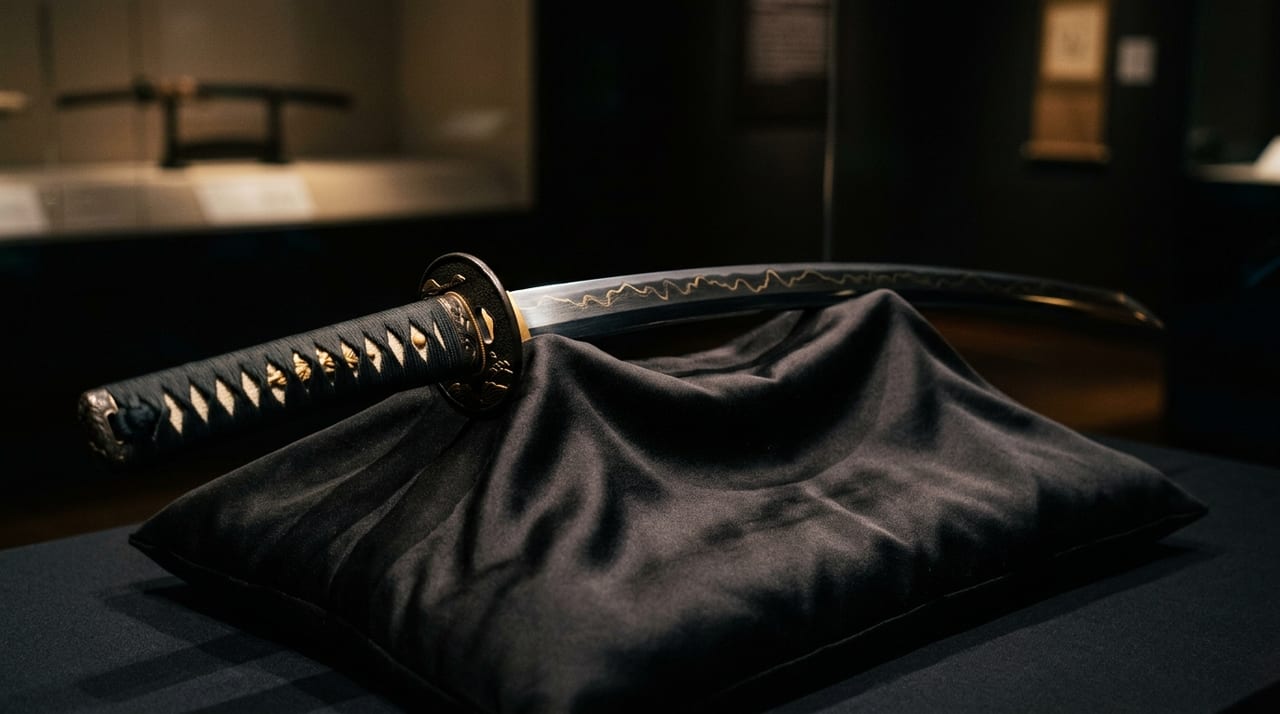
Among nihontō discovered in Southeast Asia, there are examples that have locally styled tsuka and saya yet whose blades clearly show the forging characteristics of the Bizen or Mino schools. This is evidence of "remounting in distribution" at the local level, and it attests to the fact that the blade itself functioned as the commodity.
The Impact of Exports on Sword-Production Centers
Overseas demand during the Muromachi and Sengoku periods directly influenced the production systems of domestic sword-production centers. In Bizen Osafune, workshops specializing in large-scale production for export flourished, and such vast numbers of swords survive that modern researchers classify them by period designations such as "Ōei Bizen" and "Daiei Bizen."
This mass export brought about a "polarization of quality." While kazuuchimono for export were mass-produced goods with simplified processes, commissioned swords for shoguns and daimyo were crafted as masterworks with the highest level of technique. This dual structure has historical roots that connect to the divergence between present-day gendaitō and traditional swords.
Viewing Export History in Contemporary Collecting
Taking into account the export history of the Muromachi and Sengoku periods, there are several perspectives that are useful when evaluating surviving nihontō.
- Many of the swords that went overseas were kazuuchimono and may have different production backgrounds from swords that remained in Japan.
- Just as there were cases in which koshirae were attached locally to blades exported for that purpose, situations in which the provenance of a blade and its mounting (koshirae) do not necessarily match have existed historically.
- It is precisely because of this complexity of provenance that, in present-day transactions, having a kanteisho from NBTHK (Society for the Preservation of Japanese Art Swords) to substantiate the blade's authenticity, maker, and period carries important significance.
- The fact that production systems differed by region and period means that even among swords of the same "Muromachi period," quality varied depending on the workshop and the patron, and this becomes one of the factors to consider when selecting an authenticated work with a kanteisho.
These perspectives are less about the historical fact of export itself and more about how that history connects to present-day sword evaluation, and they are positioned as one point of reference when considering a purchase or a collection.
Conclusion: The Industrial History of Medieval Nihontō as Revealed by Overseas Distribution
The export of nihontō during the Muromachi and Sengoku periods is not merely a case of "swords flowing overseas" — it is also evidence of the industrial history of Japan being integrated into the East Asian economy of the time. Exports to Ming on a scale of tens of thousands of swords per year through the kangō trade, the trade in formal tachi with Joseon via Tsushima, and the resale to Southeast Asia via the Ryukyu route — these distribution networks supported the nihontō industry of the 15th and 16th centuries and were one of the factors that developed domestic production centers to a scale exceeding modern imagination. By viewing swords with an awareness of this breadth of distribution, one can come to understand more concretely the significance of carefully examining the provenance and production background of each individual blade.