Ronin Who Fled Their Domains in the Late Edo Period: Sword-Carrying Status After Leaving the Clan
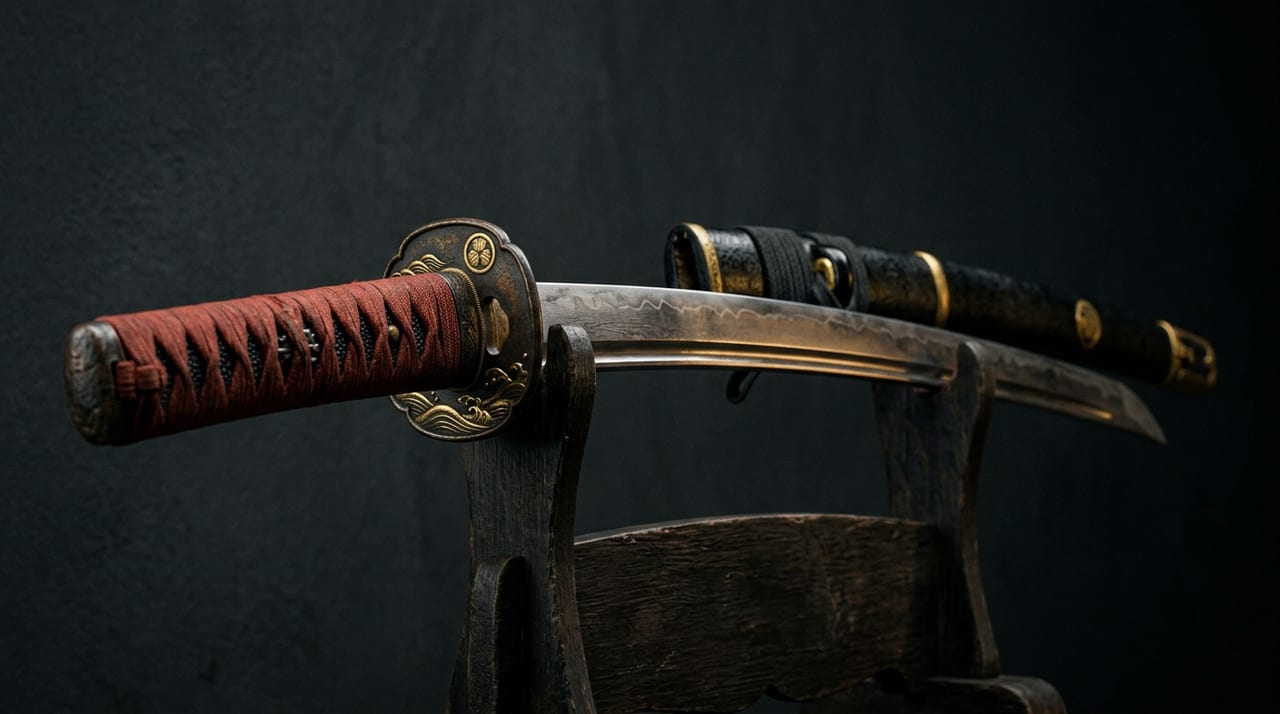 * Image is for illustrative purposes only.
Table of Contents
What is Dappan? — Samurai Who Left Their Clan
For samurai in the Edo period, affiliation with a clan was the foundation of their very status. By receiving stipends (regular salaries) and serving the clan lord, their status and privileges as samurai were guaranteed, and to leave the clan registry was not merely a change of employment but equivalent to voluntarily abandoning the foundation of one's status. Leaving a clan without permission was called "shuppon" (desertion) or "kakeochi" (elopement), and in many clans was subject to severe punishment, with some clans not hesitating to impose harsh penalties. Nevertheless, during the late Edo period, samurai began leaving their clans in succession across various regions, either to devote themselves to national affairs or because they could no longer endure the differences between their clan's position and their own beliefs.
The Status and Sword-bearing Rights of Dappan Ronin
From the clan's perspective, a samurai who had left was subject to punishment, and officially lost his status as a clan retainer. However, sword-wearing itself was a custom tied to the status of being a samurai rather than to clan registry, so those who left their clans were not immediately stripped of their swords. The sashiryo (everyday swords worn at the side) were in most cases personal possessions rather than tools loaned by the clan, and it was common for them to remain in the person's possession after leaving the clan.
- While losing the backing of clan membership, the formal appearance of sword-bearing rights was often maintained in form.
- Samurai without a master were called "ronin," and throughout the Edo period, ronin bearing swords was not uncommon.
- However, since those who had left their clans could become targets of arrest and pursuit, bearing swords could conversely become a risk of exposing their identity.
- Because they had lost their means of livelihood (stipends), many ronin made a living through teaching swordsmanship or working as bodyguards.
In other words, the sword-bearing of ronin who had left their clans had a dual character: "continuing as a right, but an unstable sword-wearing that had lost its backing." Since the Sengoku period, it was not uncommon to see samurai (ronin) who had left their lords wandering from place to place while retaining their weapons, and the dappan ronin of the Edo period can be understood as an extension of this tradition. What differs is that after the Edo shogunate's rule stabilized, leaving one's clan took on political significance beyond mere "desertion," and became an easy target for surveillance by the shogunate and various clans.
The Real Face of Dappan Ronin as Seen in Sakamoto Ryoma
A well-known representative example of a dappan ronin is Sakamoto Ryoma, who left the Tosa clan. After leaving Tosa in Bunkyū 2 (1862), Ryoma, as a ronin no longer belonging to any particular clan, studied under Katsu Kaishu while building his own network of connections, and went on to engage in activities that led to mediating the later Satsuma-Choshu Alliance and founding the Kaientai. It is said that his position as a ronin not bound to a single clan also enabled him to act as a negotiator who transcended clan boundaries. However, it is important to note that this freedom came at the cost of the instability of status that leaving one's clan entailed. Nakaoka Shintarō, who also left the Tosa clan, is likewise known as a loyalist who worked tirelessly between the Satsuma and Choshu clans to bring about their alliance. What they had in common was that, despite losing the backing of their clans, they maintained the dignity of samurai bearing swords while opening a space for activity that transcended clan boundaries.
Late Edo Period Security Measures and the Position of Ronin
In Kyoto during the late Edo period, dappan ronin gathered from various regions became agents of political movements, while at the same time being regarded with suspicion by both the shogunate and various clans as a source of disorder. Just as the ronin group gathered under the pretext of protecting the shogun's journey to Kyoto later became the nucleus of the Shinsengumi, the shogunate had no choice but to respond on both fronts: suppressing ronin and organizing and utilizing them. The streets of Kyoto where sword-bearing ronin passed back and forth were in a state of constant tension, with sword-bearing as proof of status always standing alongside law enforcement efforts for maintaining order. For those charged with patrolling the streets, it was also not easy to distinguish from appearance alone whether the sword-bearer before them was a regular clan retainer or a ronin who had left his clan. As a result, the situation where samurai of different positions yet sharing the same outward appearance of sword-bearing passed each other on the same streets heightened the sense of tension in late-Edo-period Kyoto.
Conclusion
Dappan was a weighty decision to voluntarily abandon one's clan registry, which was the foundation of a samurai's status, and was subject to severe punishment in many clans. The fact that even a single sword's meaning changes depending on who backs it is full of suggestions for understanding the history of Japanese swords. Nevertheless, the outward form of sword-bearing continued to be maintained formally as a samurai status custom, so dappan ronin were placed in the unstable position of "able to bear a sword but without backing." While there are examples like Sakamoto Ryoma who leveraged the freedom of his position after leaving his clan, many ronin lived through the late Edo period while confronting the instability of having lost their means of livelihood. The single blade they wore at their side can be said to represent, more than mere weaponry, the will to remain a samurai even after losing the backing of their clan. For a broader understanding of the relationship between sword-bearing and status across a wider timespan, reading Haitorei (1876) — The Truth Behind the Sword-Bearing Ban and Why Japanese Swords Survived will deepen your comprehension.