The Evolution of the Nihontō E-Commerce Market — A Decade of Online Distribution Reshaping the Structure and Price Formation of the Japanese Sword Industry
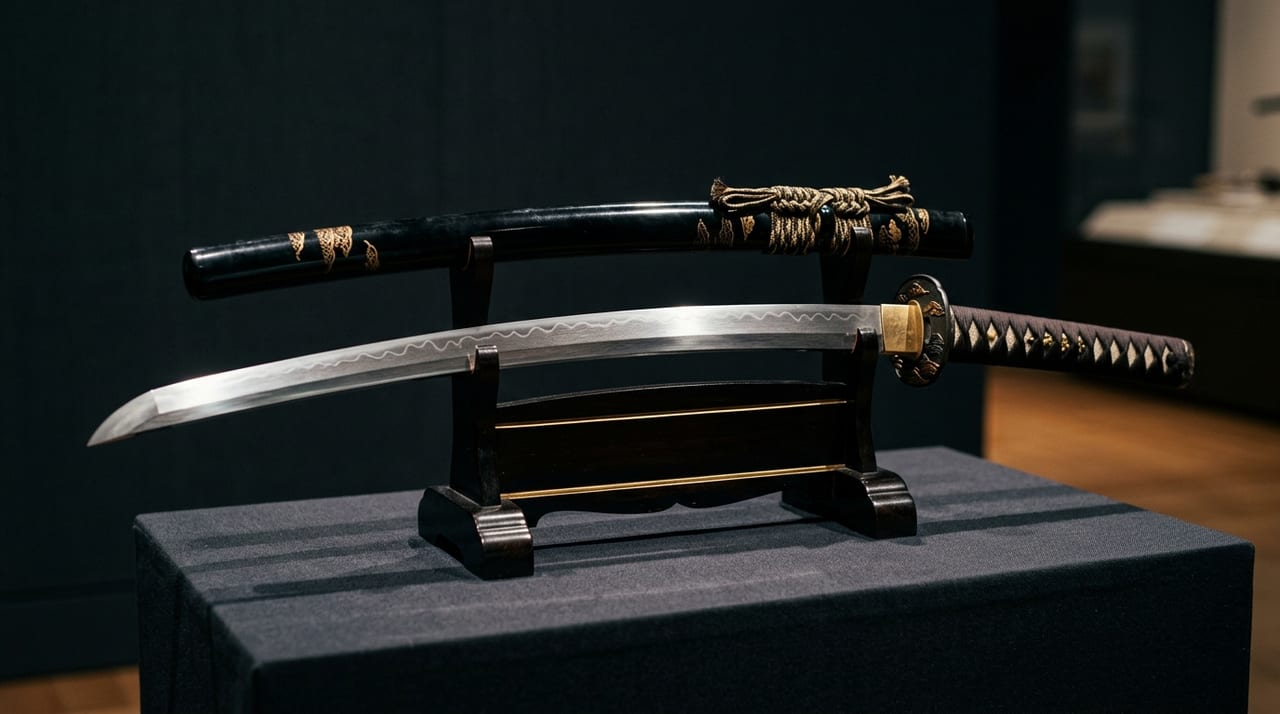 * Image is for illustrative purposes only.
Table of Contents
The Eve of Digitalization in Nihontō Distribution
The buying and selling of nihontō was once concentrated in three channels: specialist sword dealers (sword shops), sword fairs, and auction companies. Prices were formed through conventions among dealers and negotiation with customers, and it was a closed market dependent on specialist publications and word of mouth for price information. Because overseas sales involved verifying export regulations and dealing with issues of trust, few dealers other than a handful of long-established businesses actively pursued them.
This structure began to change significantly from the mid-2010s. Listing nihontō on Yahoo Auctions (now Yahoo! Auctions) became common, and specialized online auctions for swords and sales sites targeting individual buyers also emerged. Furthermore, overseas English-language communities such as Sword Forum International and Nihonto.com cultivated a culture of actual transactions, and channels emerged through which Japanese dealers could sell directly to overseas collectors.
The Changes That Price Transparency Brought to the Industry
The greatest impact of the spread of online distribution has been the "democratization of price information." Market prices that could once be grasped only among dealers became visible in real time in the form of sale histories, bid counts, and listing comments.
This made it easier for buyers to compare options, and trading at "asking price" became harder to sustain. Young collectors and overseas collectors in particular exhibit digitally native buying behavior, making purchasing decisions after comparing multiple listings. On the dealer side, the ability to clearly articulate and present quality through text and images — what might be called "content capability" — has become increasingly required.
Listings that carefully include the following information tend to attract bids, while listings that lack sufficient description are clearly avoided.
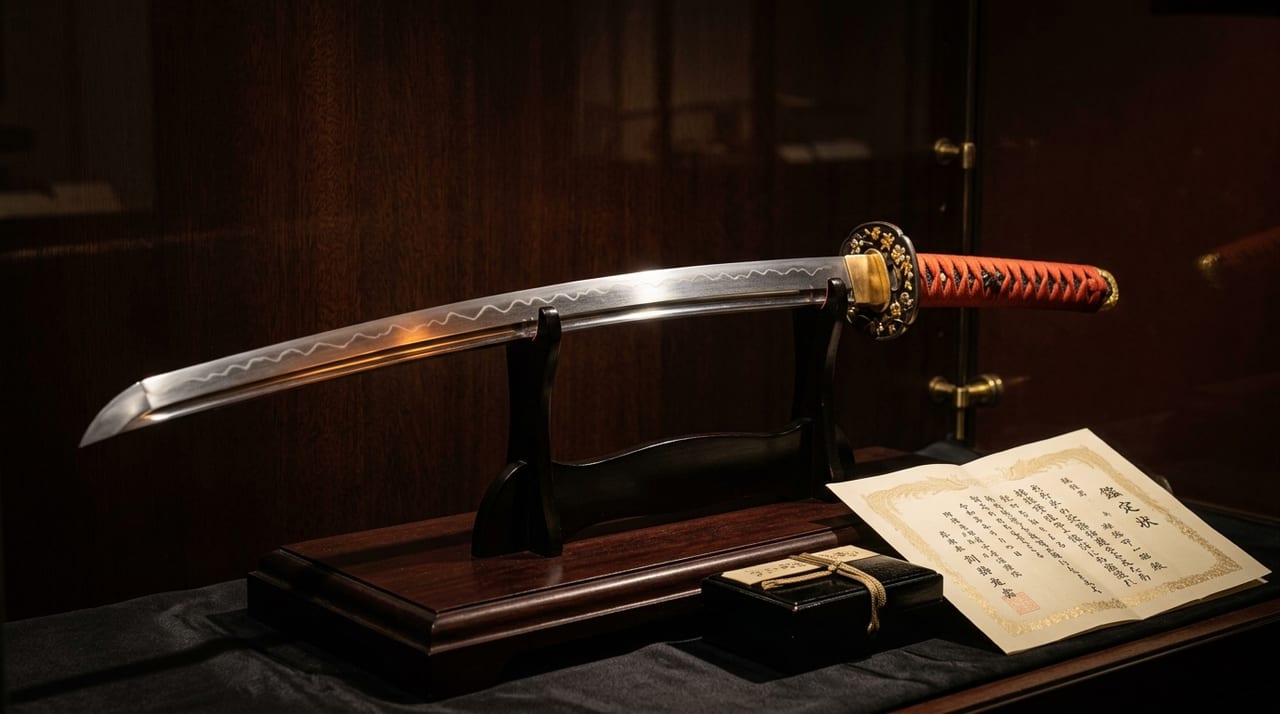
- Detailed photographs (nakago, hamon, jigane, and each part of the koshirae)
- The type of kanteisho (appraisal certificate) and the issuing organization
- An explanation of the polishing condition
- Registration certificate information
Direct Connection to Overseas Demand
The greatest structural change of the e-commerce and social media era has been "direct connection to overseas collectors." Japanese swords that previously could only reach buyers through export agents or overseas exhibitions are now delivered directly to individual collectors in Europe, the United States, and Asia via online marketplaces.
The collector base for nihontō has been expanding particularly in Germany, the United Kingdom, the United States, and Australia, and an environment is taking shape in which swords bearing kanteisho from NBTHK and similar organizations, as well as functional swords from the Edo period, can be searched for and purchased in English. Prices often end up higher than in domestic Japanese sales, and an increasing number of dealers recognize overseas sales as highly profitable, including foreign exchange gains.
However, exporting requires the Agency for Cultural Affairs' antique art export inspection certificate, the return of the registration certificate, an export declaration to customs, and confirmation of import regulations in the destination country; individuals without legal knowledge who casually ship swords overseas risk running into problems (Tokyo Metropolitan Board of Education, "When Exporting Firearms and Swords").
Digital Adaptation by Long-Established Sword Dealers
Long-established sword dealers have responded differently to the wave of digitalization. Some moved early to secure customers through websites and email newsletters, and gained followers by sharing sword photo content on social media (Instagram and X). Such dealers have succeeded in reaching new customer segments (those in their 30s and 40s, and overseas customers).
On the other hand, many long-established dealers maintain their traditional in-person and telephone-centered sales style, choosing to prioritize their relationships of trust with existing customers. However, this group faces the challenges of an aging customer base and a stagnation in new customer acquisition, and some shops find themselves urgently in need of rethinking their business model alongside the question of successors.
Risks of Fakes and Forgeries, and Points to Note in Online Transactions
As e-commerce has advanced, the risks of swords with forged signatures, low-quality pieces, and exaggerated descriptions online have also increased. On general auction sites in particular, many sellers lack specialist knowledge of swords, and it is dangerous to purchase items described as "unappraised" or "provenance unknown" without a physical appraisal.
As the basics for safe purchasing, practicing the following four points can greatly reduce the risks of online transactions.
- Prioritize pieces with kanteisho from trusted organizations such as NBTHK
- Request multiple detailed photographs (nakago, hamon, jigane)
- Confirm that the details on the registration certificate match the physical sword
- For high-priced items, confirm the availability of a return guarantee or opportunity for third-party appraisal
Making use of the e-commerce market with a proper understanding of the trust-building mechanisms unique to the sword industry (kanteisho, registration certificates, and dealers' reputations) is the purchasing strategy of a prudent collector. The choice of platform also matters; one should always be aware that the risk profiles of specialized sword sites and general auction platforms differ.
Conclusion — A Sword Market in Continuous Transformation
The nihontō e-commerce market continues to evolve. The diversification of channels — online auctions, specialized marketplaces, social media sales, and English-language sites targeting overseas buyers — is steadily increasing the transparency of the entire industry and the number of its participants. For collectors, while we are now in an era with access to far more choices and information than before, the importance of assessing quality and having legal knowledge has also grown. The digital transformation of the sword industry, as the point of intersection between traditional cultural heritage and modern online distribution, is a topic that will continue to deserve close attention going forward.