How to Choose Koshirae — Finding the Right Mounting for Your Sword
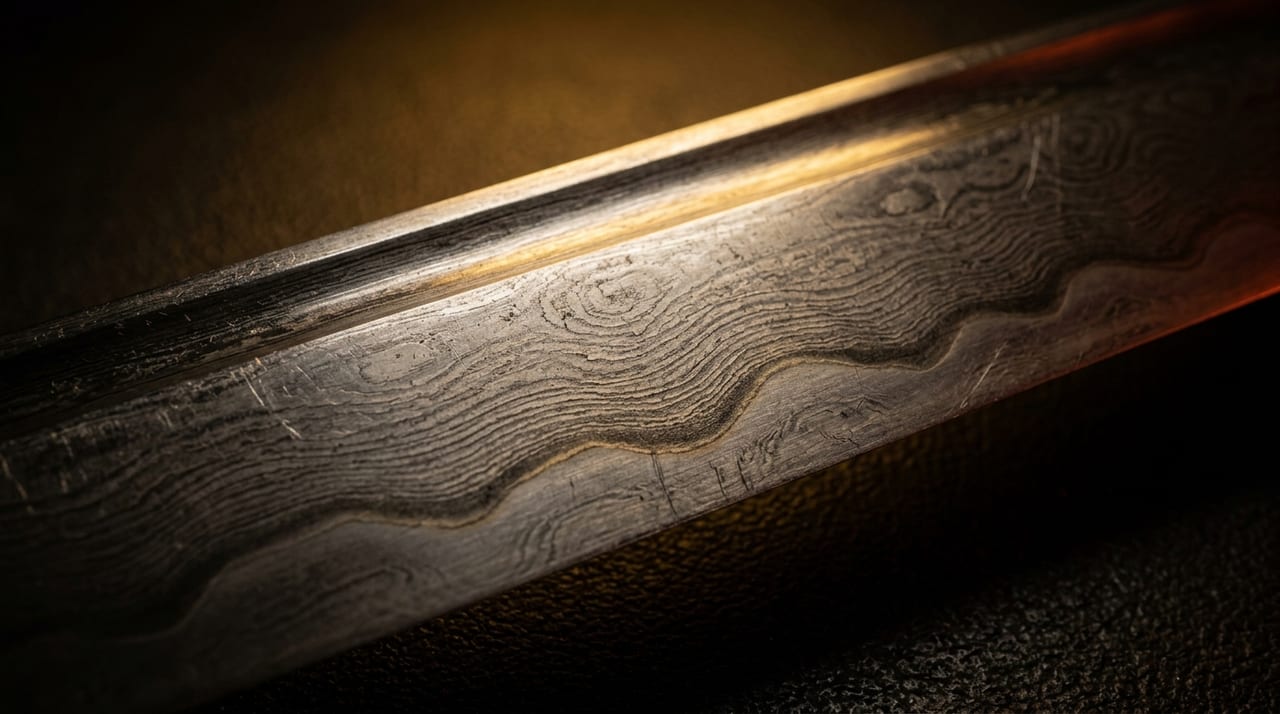 * Image is for illustrative purposes only.
Table of Contents
What Is Koshirae — The Deeper Meaning of a Sword's Outer Dress
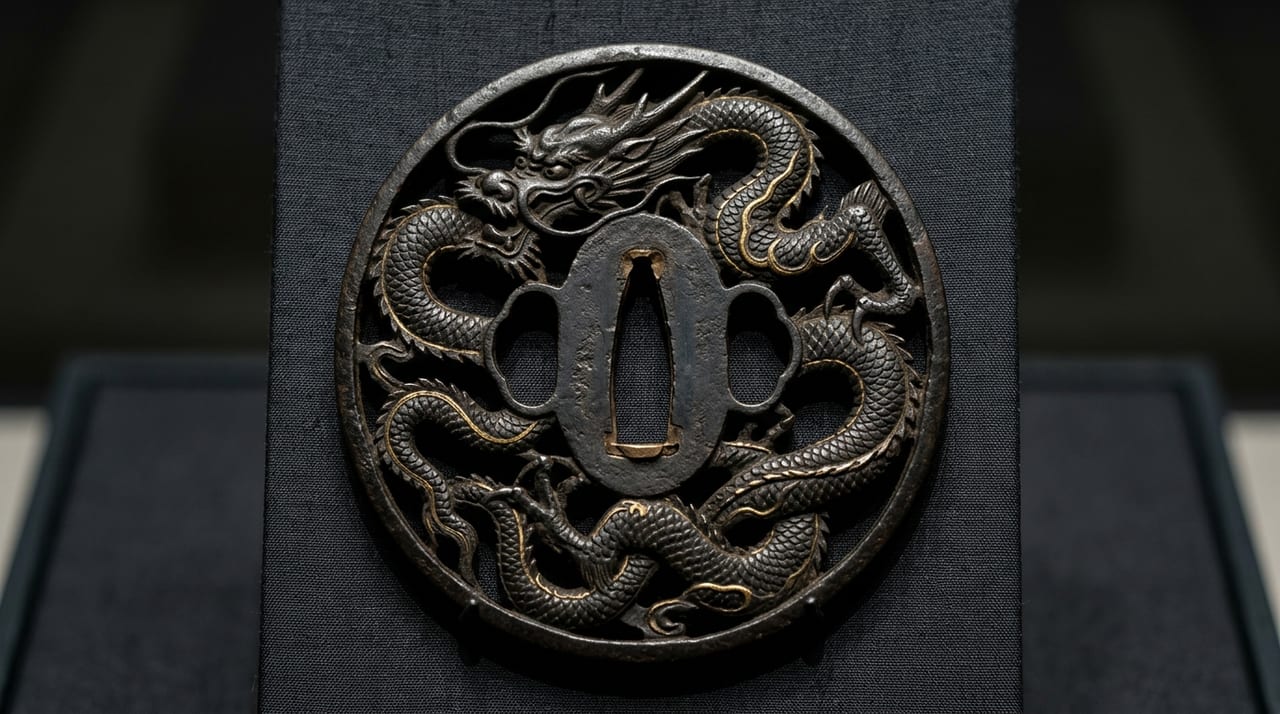
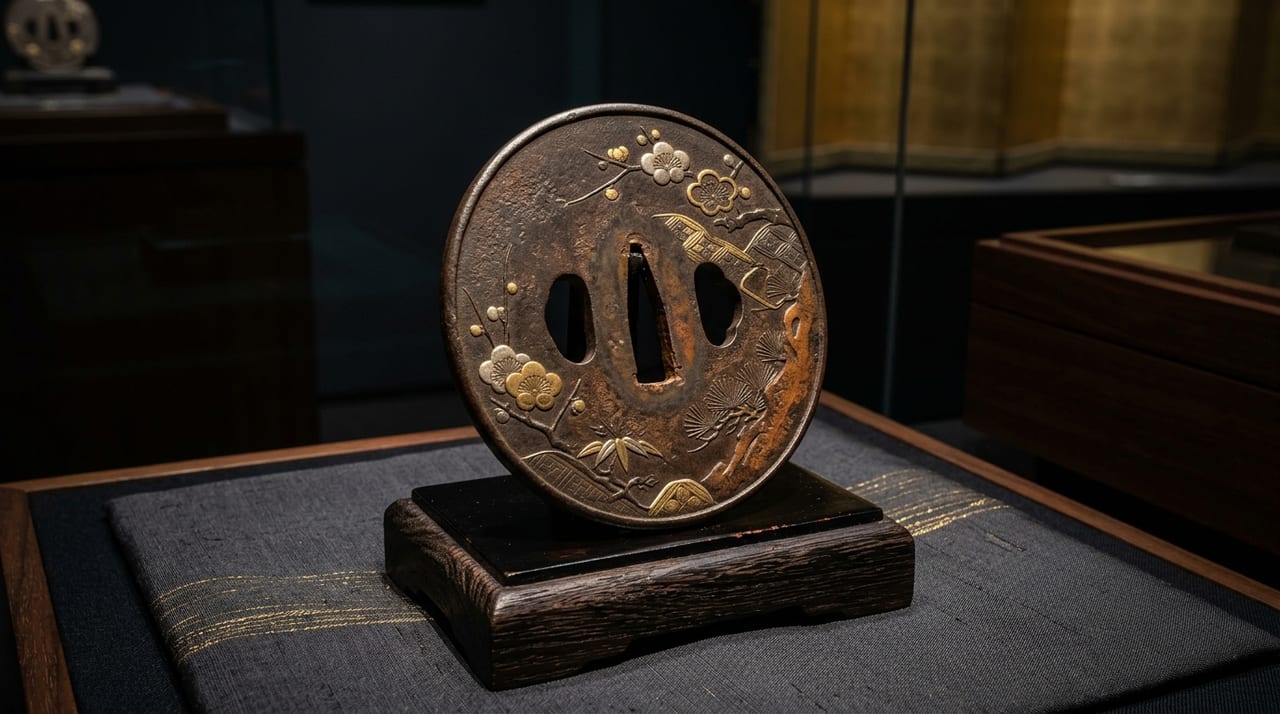
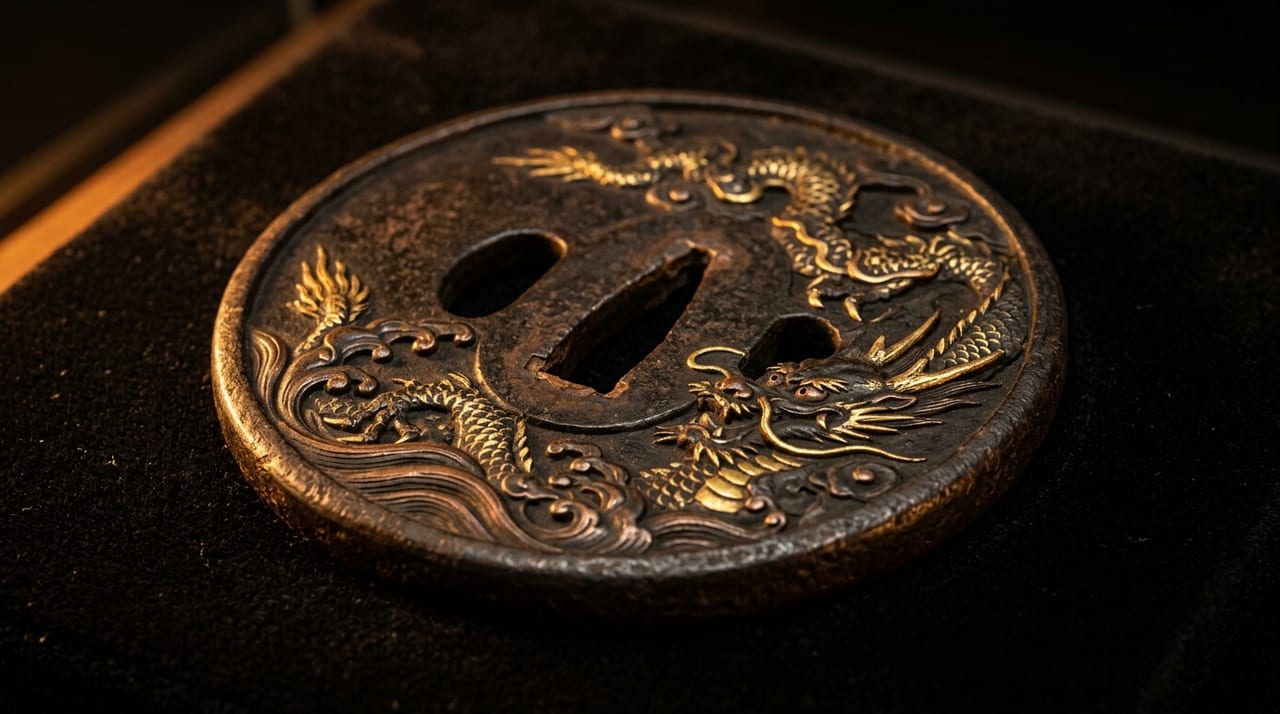
Koshirae is the collective term for the outer furnishings that dress a sword. The tsuka, tsuba, saya, and the metal fittings of each part are integrated into a unified whole that enhances the beauty of the blade while eloquently conveying the era and culture in which the sword lived. No matter how outstanding a blade may be, it cannot fully express its inherent beauty and value without appropriate koshirae.
Koshirae is not mere decoration; it is a cultural medium of expression that reflects, as a unified whole, the historical background, purpose, owner's social standing, and aesthetic sensibility of the sword. Koshirae commissioned by a daimyo of the Edo period also served as a testament to that daimyo's cultivation and wealth. The design of the tsuba, the wrapping of the tsuka, the color and pattern of the saya lacquer — all were conceived under a unified aesthetic, forming an artistic world inseparable from the blade itself.
When actually acquiring a sword, it is essential to assess the quality of the blade and the quality of the koshirae as separate considerations. The kanteisho attached to a blade certifies the value of the blade itself, and the period and quality of the koshirae must be judged independently. Whether the koshirae has a distinguished provenance transmitted together with the blade, or was remounted in a later era, changes the weight of the story that combination carries. When purchasing or receiving a sword, it is advisable to receive a careful explanation of both the blade and the koshirae and to make your decision with a full understanding of the relationship between the two.
The Complementary Roles of Shirasaya and Koshirae — A Dual Structure for Storage and Appreciation
The first important concept a collector should understand is the division of roles between shirasaya and koshirae. Shirasaya is a plain saya made of magnolia wood whose sole purpose is to protect the blade; it has no decorative character whatsoever and serves as a pure storage vessel that shields the blade from moisture, impact, and oxidation. The interior is finished to match the exact shape of the blade so that the blade does not shift and become scratched inside.
Koshirae, on the other hand, is the decorative outer mounting for appreciation and display. The ideal approach to collection management is to keep the blade in its shirasaya during storage and transfer it into the koshirae for viewing or exhibition. When a single sword has both a shirasaya and koshirae, the completeness of the collection is markedly higher.
If a sword is stored for a long period while fitted in its koshirae, slight moisture and dirt can accumulate inside the saya, creating conditions that are unfavorable for the blade. Making a habit of checking the condition of the blade after viewing or displaying it to guests and then returning it to the shirasaya is a fundamental practice for keeping a blade healthy over the long term. Conversely, if you have acquired a sword that came only with a shirasaya, it is worth considering whether a fitting koshirae exists separately or whether one should be commissioned in the future. Understanding the dual structure of shirasaya and koshirae is an indispensable perspective for managing a collection over the long term.
Uchigatana Koshirae — The Standard Form of Edo Warrior Culture
Uchigatana koshirae is the most common form of koshirae used for uchigatana made from the Edo period onward. Designed for carrying the sword thrust through the belt at the waist, it has functional fittings at various points, including the kurigata, kaeshizuno, and kojiri.
The beauty of uchigatana koshirae lies in the perfect harmony of practicality and ornamentation. Lacquered saya, a tsuka wrapped in ray skin and tsuka-ito, and diverse materials such as iron, brass, and metalwork are employed, and their combination determines the overall refinement of the koshirae. When choosing uchigatana koshirae, it is important to carefully examine whether the design period, status, and impression of the hamon of the blade are consistent with the overall design of the koshirae.
When actually handling uchigatana koshirae, it is also important to check that the saya fits the blade without excessive tightness or gaps, and that the tsuka is securely fixed to the blade. The interior of the tsuka is structured so that the mekugi fixes the blade to the tsuka, and whether the mekugi is in proper condition is one clue for assessing the completeness of the koshirae. The metal fittings — tsuba, kozuka, and menuki — each carry designs that reflect their era, so paying attention to how the fittings complement one another will deepen your understanding of the background of the koshirae as a whole.
Tachi Koshirae — The Classical Formality of the Kamakura and Muromachi Periods
Tachi koshirae is the koshirae for tachi made from the late Heian through the Muromachi period. Because a tachi is worn suspended from the waist with the edge facing downward, special suspension fittings called ashikanamono are attached to the lower portion of the saya. These suspension fittings are the most clearly visible external difference from uchigatana koshirae.
Tachi koshirae is almost never used practically today, but knowledge of it is indispensable for properly appreciating old tachi and demonstrating their historical authenticity. When an old tachi is accompanied by tachi koshirae, the documentary and cultural value of the combination is greatly enhanced.
When appreciating tachi koshirae, turning your attention not only to the position and design of the ashikanamono but also to the overall curvature of the saya and the aged patina of the fittings allows you to sense the weight of the time that tachi has traversed. Tachi koshirae survive in far smaller numbers than uchigatana koshirae, and well-preserved examples are themselves valuable primary sources. When a tachi and its koshirae have been transmitted together as a set, the proper attitude is to regard them not as separate objects to be valued independently, but as a single complete cultural artifact.
Han-tachi Koshirae — The Beautiful Compromise of a Transitional Age
Han-tachi koshirae is a hybrid form that retains the suspension mechanism of tachi koshirae while also allowing a carrying method closer to that of uchigatana koshirae. Born during the transitional period from the late Muromachi through the Azuchi-Momoyama era, it is a product of its time that reconciled the formal prestige of the tachi with the practical convenience of wearing a sword through the belt.
This form embodies the transitional character of its age and holds its own distinct historical and cultural value, making it a particularly highly regarded category among collectors.
When examining han-tachi koshirae, observing how the vestigial suspension fittings reminiscent of the tachi and the practical fitting configuration closer to the uchigatana coexist within a single koshirae reveals the ingenuity characteristic of that period. In the way it embodies the spirit of the age when the mode of wearing swords was shifting from tachi to uchigatana, han-tachi koshirae offers a fascinating key to understanding the history of Japanese swords.
Choosing Koshirae Suited to the Period and Formality Protects the Value of the Sword
The most important factor in selecting koshirae is consistency with the sword's period, formality, and provenance. Pairing a tachi from the Kamakura period with uchigatana koshirae from the Edo period is historically and culturally inappropriate and greatly diminishes the value of the sword. When commissioning new koshirae as well, choosing designs and materials appropriate to the period of the blade is a responsibility for preserving the historical authenticity of that sword.
When selecting or remaking koshirae, checking the following points will make it easier to reach a decision.
- Whether the period and provenance of the blade are consistent with the intended form of koshirae (uchigatana koshirae, tachi koshirae, or han-tachi koshirae)
- Whether the design of the fittings and saya lacquer that accompany the koshirae harmonizes with the formality of the blade and the impression of the hamon
- Whether the koshirae itself has an old provenance and lineage, or whether it is something newly commissioned
- The overall condition of the koshirae (cracking of the saya, flaking of the lacquer, wear to the tsuka-ito, etc.)
Confirming each of these points while consulting with a specialist will provide you with the material needed to choose koshirae befitting the blade.
When in doubt, consulting a trustworthy specialist is strongly recommended. An experienced sword specialist will be able to make a comprehensive assessment of the period of the blade, the tōkō, and the historical context of the koshirae, and should be able to propose the best options.
The Materials and Craftsmanship of Koshirae — The Names of Each Part That Create Its Beauty
Each component of koshirae involves its own specialist craftsman. The saya is lacquered by a nushi (lacquerer), and the tsuka is wrapped by a tsukamakishi (tsuka wrapper) who winds silk thread or leather cord over ray skin. The tsuba is made by a tsuba craftsman, and the menuki, kozuka, and kōgai are made by a metalwork carver. Only when the skills of many specialist craftsmen are brought together is a single koshirae completed.
When commissioning new koshirae, detailed consultation with these craftsmen is indispensable. The choice of materials, patterns, and colors must harmonize with the period and formality of the blade while reflecting the aesthetic sensibility of the owner. Producing koshirae typically requires several months to over a year, and only when the completed koshirae and blade are united is the beauty of that sword fully expressed.
To keep koshirae in beautiful condition for many years, care in day-to-day handling is also necessary. Tsuka-ito and ray skin are vulnerable to moisture and direct sunlight, which cause fading and deterioration. Since oxidation and discoloration can progress in metal fittings depending on the material, you should limit maintenance to lightly wiping with a dry soft cloth and avoid rubbing hard or using abrasives. The lacquer of the saya is similarly vulnerable to impact and sudden temperature changes, so care regarding the environment of the storage location is required.
If you have concerns about the condition of the koshirae, or if damage or looseness is found, do not attempt to disassemble or repair it yourself — always consult a specialist craftsman. Because koshirae is made up of many parts working together, mishandling one part can upset the balance of the whole. Consulting a specialist is the most reliable way to protect the value of both the koshirae and the blade it houses.