Social Media and Video Content for Gendaitō Tōshō: Online Audience Building — Brand Strategy for Kaji Reaching Overseas Fans and Domestic Collectors Directly
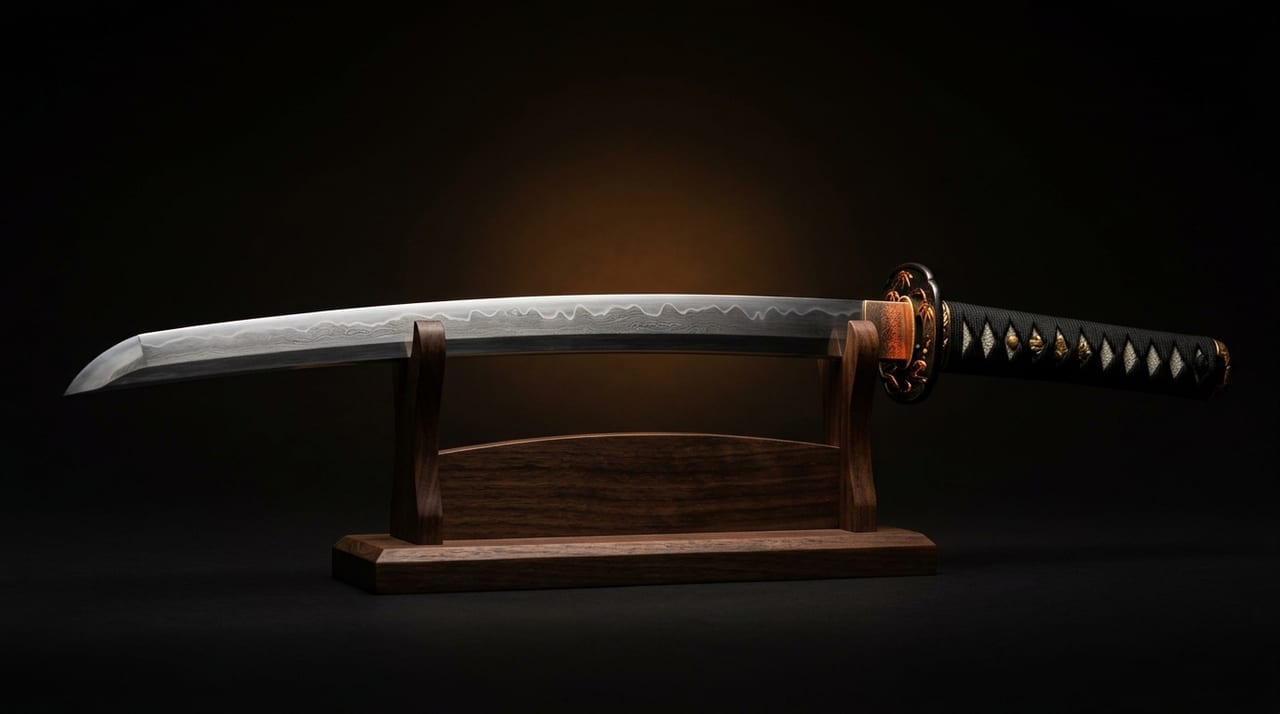 * Image is for illustrative purposes only.
Table of Contents
The Need for Tōshō to Communicate in the Digital Age
In the past, the work of a tōshō was entirely contained within the forge. Orders came primarily from a fixed clientele connected through master swordsmiths' referrals or sword dealers, and a culture of active self-promotion scarcely existed. In the 21st century, however, the spread of smartphones and social media from the 2010s onward, followed by the rise of video platforms in the 2020s, has fundamentally transformed the means by which tōshō can bring their work to the world.
Between 2019 and 2023, demand for footage of gendaitō tōshō surged among overseas enthusiasts of Japanese culture and collectors. Sword-forging videos on YouTube began recording hundreds of thousands to millions of views, while close-up photographs conveying the beauty of hamon on Instagram came to be widely shared among foreign users. This shift marks the moment when tōshō began acquiring an aspect of "content creator" alongside their identity as craftsmen.
Characteristics and Strategies by Social Media Platform
| Platform | Characteristics | Primary Target |
|---|---|---|
| Visually conveys the beauty of hamon and jigane through photographs. Regular updates of 1–3 times per week are effective | Overseas users unfamiliar with nihontō | |
| YouTube | The full forging process published as a documentary series of 10–20 videos. Auto-generated English subtitles increase overseas access | Those who want to cultivate deeply engaged fans |
| X (formerly Twitter) | Share moments of production in real time and interact with other tōshō, togishi, and saya craftsmen | Domestic nihontō enthusiasts and specialist communities |
| TikTok | Short-form videos of 15 seconds to 3 minutes; water-quenching and zoom-in footage tends to spread widely | Younger generations (future buyers) |
Instagram: Conveying the Beauty of Hamon and Jigane Visually
Instagram is currently the most widely used platform for tōshō to communicate directly. Close-up photographs of hamon, the glowing flames and steel during yaki-ire, and full-length photographs of finished blades carry strong visual impact and can intuitively convey the "beauty" of nihontō even to foreigners unfamiliar with swords.
What tōshō accounts with over 10,000 followers have in common is consistency in posting (regular updates 1–3 times per week) and documentation of the production process (publishing stages of not just the finished work but also the materials, tanren, and yaki-ire step by step). Simply adding English captions dramatically increases the acquisition of overseas followers. It has been confirmed that hashtags such as nihonto / katana / swordsmith / japanesesword are effective for driving overseas search traffic.
YouTube: Delivering the Full Forging Process as a Documentary
YouTube offers long per-video watch times and is well suited to cultivating deeply engaged fans. The sounds of work in the forge — the ring of metal being struck, the crackle of fire, the hiss of water quenching — give viewers a strong sense of presence, and even minimally edited footage often achieves high audience retention.
The content that is especially watched overseas is "making one blade from scratch" series videos. When the series, from tamahagane selection through yaki-ire, polishing, and shirasaya production, is released as 10–20 videos, fans watch them consecutively, increasing total watch time and making algorithmic ranking more likely to improve. Simply using the auto-generated English subtitle feature significantly increases overseas access, so tōshō who cannot create English subtitles themselves can still reach an international audience.
X (formerly Twitter): Sharing Moments of Production and Connecting with Specialist Communities
X excels at two-way communication with Japan's nihontō enthusiast communities. The practice of sharing breaking photographs of finished blades and observations from works in progress in real time has become established, and X has also become a hub for exchanges with other tōshō, togishi, and saya craftsmen. It also functions as a venue where specialist questions and comments from collectors and researchers gather, and is used as a medium for conveying "the personality of the tōshō."
TikTok: A Gateway to Sword Culture for Younger Generations
TikTok is a platform centered on short-form video (15 seconds to 3 minutes), and its target demographic is younger generations. Footage of the underwater quench during yaki-ire (water quenching) and zoom-in footage of finished blades spread easily and function as a gateway for drawing in young people who had no prior interest in swords. From the perspective of cultivating long-term buyers, it is a channel that cannot be overlooked, but the rate of sustained operation tends to be lower than on other platforms.
The Reality of Gaining Overseas Fans and Strategies for Language Adaptation
Nihontō enthusiasts from English-speaking countries actively follow tōshō accounts "where only Japanese is understood," but the relationship does not deepen if English comments and inquiries go unanswered. For those aiming for several thousand followers, even a minimal ability to reply to English direct messages (template phrases are sufficient) significantly affects the conversion rate.
The following are strategies that many tōshō who have successfully received overseas orders have adopted.
- Adding English to the profile: There are cases where adding a single line such as "I make Nihonto (Japanese swords). Order inquiries welcome in English." multiplied the number of direct messages from foreigners several times over.
- Stating the price range: By clearly indicating reference prices such as "Starting from 500,000 yen (white shirasaya only)," misaligned expectations (drop-off due to insufficient budget) at the initial inquiry stage are reduced.
- Using Google Translate and DeepL: A growing number of tōshō use translation tools themselves to reply to English direct messages and emails, sometimes mixing in Japanese. Even without perfect English, many cases lead to a successful order when sincerity comes through.
Brand Building and Differentiation Strategies
Tōshō who have succeeded in social media have in common "a clear articulation of their individuality." By repeatedly highlighting their technical individuality — the hamon they specialize in, the blade shape, their commitment to materials — they build a brand image of "this is what this tōshō is known for" among those who find them through search.
- Communicating one's relationship with one's master and school: Clearly identifying which of the Gokaden traditions one belongs to and who one's master is increases credibility with knowledgeable customers, particularly dedicated overseas collectors. The context of "a tōshō living in Okayama who inherits the techniques of Bizen-den" differentiates one from being merely "a person who makes swords."
- Putting one's production philosophy into words: By communicating not only technique but also one's values regarding "why one forges swords," an emotional bond of "resonating with this tōshō's philosophy" is created beyond mere product purchase. This leads to repeat orders and word-of-mouth referrals.
Designing the Path from Online Audience Building to Conversion
Social media is ultimately only an entry point for gaining awareness; multiple steps are needed from inquiry to conversion.
- Setting up an inquiry channel: A system for accepting inquiries via one of the following is necessary: social media direct messages, an email form, or an official LINE account. A slow response time (one week or more) increases the drop-off rate.
- Creating a portfolio page: Having a simple web page (even a single page is sufficient) listing photographs of past works, specifications, and the availability of kanteisho significantly improves credibility at the inquiry stage.
- Clearly stating estimates and cancellation policy: Summarizing in FAQ format the cost guidelines, production period, advance payment conditions, and cancellation procedures improves the efficiency of consultations and contributes to customers' peace of mind.
Future Outlook: How Tōshō's "Direct Sales" Is Changing the Industry Structure
The spread of social media and video content has accelerated a trend toward "direct sales," in which tōshō connect with customers directly without going through sword dealers. While this leads to improved profit margins for tōshō, it is also a change that forces a reconsideration of the intermediary function of sword dealers.
Looking ahead, there is a possibility that a model in which individual tōshō use online stores and reservation management tools to handle everything from order intake and progress updates to payment will become widespread. It is hoped that as craftsmen in traditional arts master modern digital tools, the made-to-order nihontō market will connect with a new customer base that transcends national borders, leading to the revitalization of the industry as a whole.