Gendaitō and Contemporary Tōshō — The Kaji of the Reiwa Era Who Carry Forward Tradition
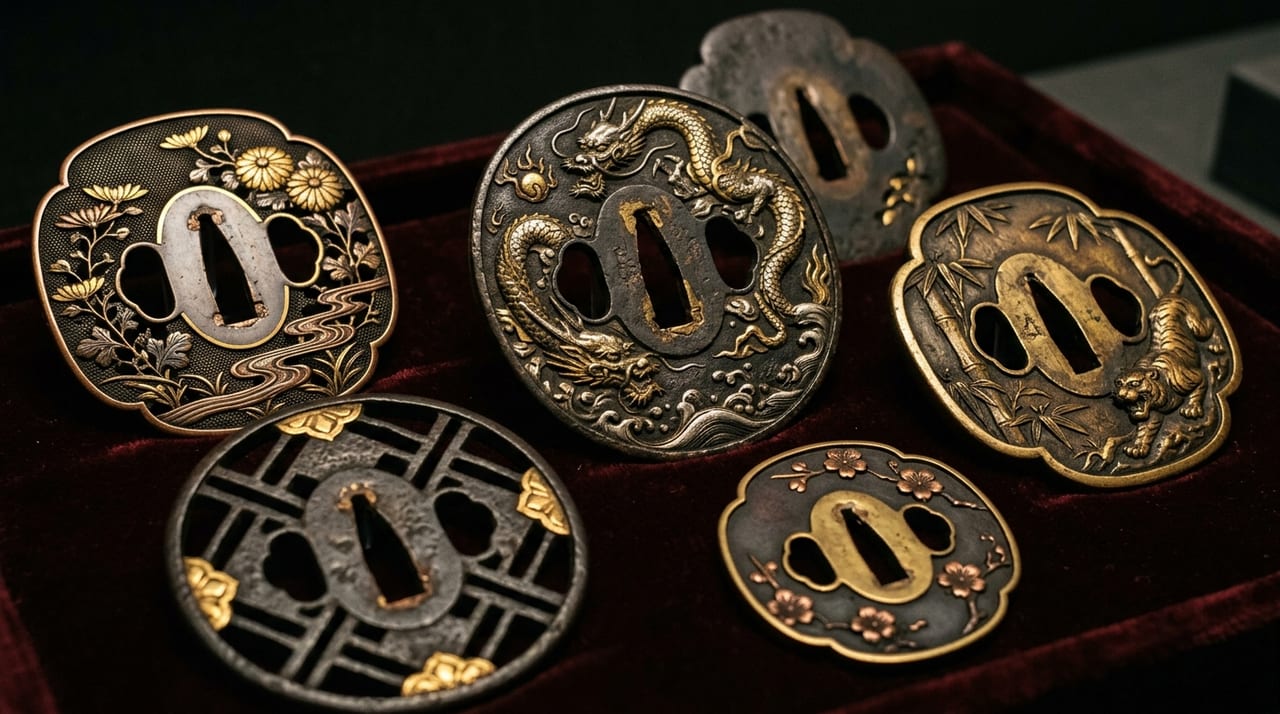 * Image is for illustrative purposes only.
Table of Contents
What Is Gendaitō — Japanese Swords Made After 1949
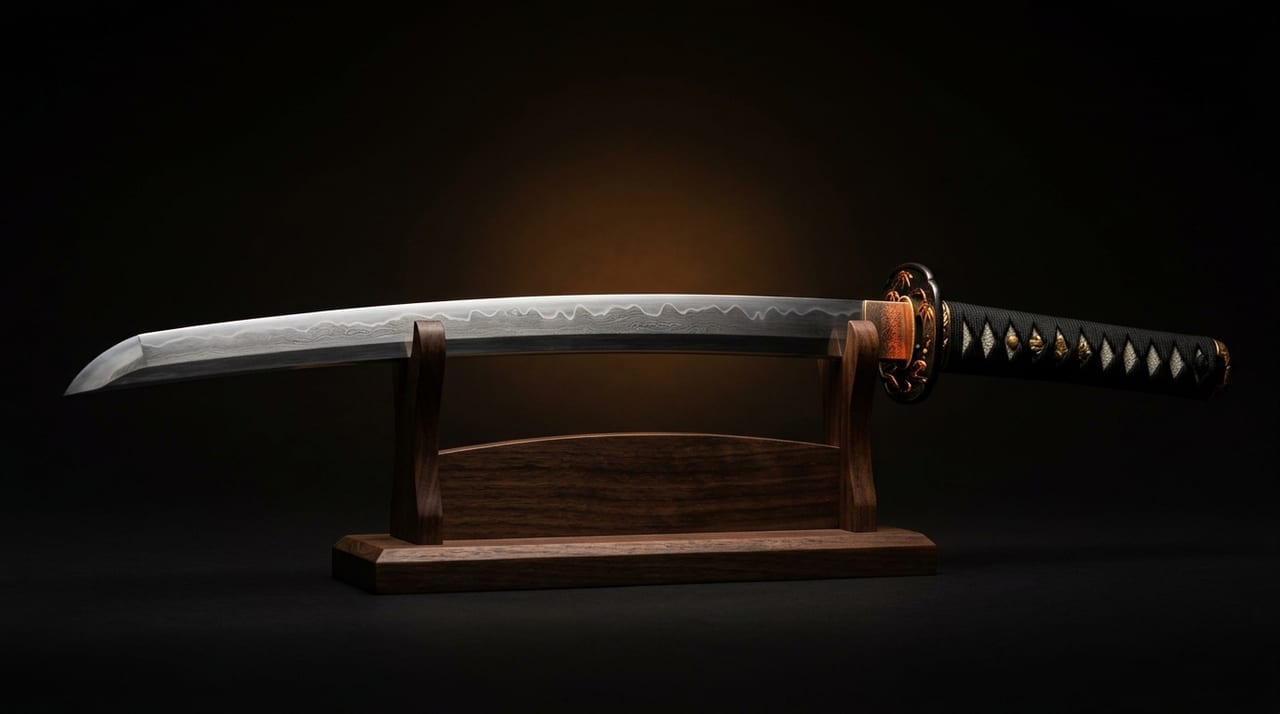
Gendaitō refers to Japanese swords made after 1949 (Shōwa 24). Following Japan's defeat in the Second World War, the production of swords was temporarily prohibited under GHQ occupation policy, but swordmaking was subsequently permitted to resume under certain conditions, with the aim of protecting traditional culture.
To become a tōshō (kaji), registration with the Agency for Cultural Affairs is required, and applicants must complete a minimum apprenticeship of five or more years before registration. The number of swords a registered tōshō may produce per year is restricted by administrative guidance, and this limitation underpins the scarcity of the gendaitō market as a whole.
Holders of Important Intangible Cultural Properties and the Pinnacle of Gendaitō
The highest honor in the world of Japanese swords is the government-designated "Holder of an Important Intangible Cultural Property (Living National Treasure)." In the field of sword production, a small number of individuals have been awarded this distinction from the postwar period to the present.
Works by tōshō designated as Living National Treasures command outstanding appraisal within gendaitō, and at auction they may fetch prices ranging from several million to tens of millions of yen. These works are sometimes evaluated as possessing artistic and technical accomplishment comparable to the masterpieces of the kotō and shintō periods.
Key criteria emphasized in the appraisal of gendaitō:
- Precision of the jihada (grain pattern of the steel): how finely and uniformly the kitae-hada (forging grain) appears
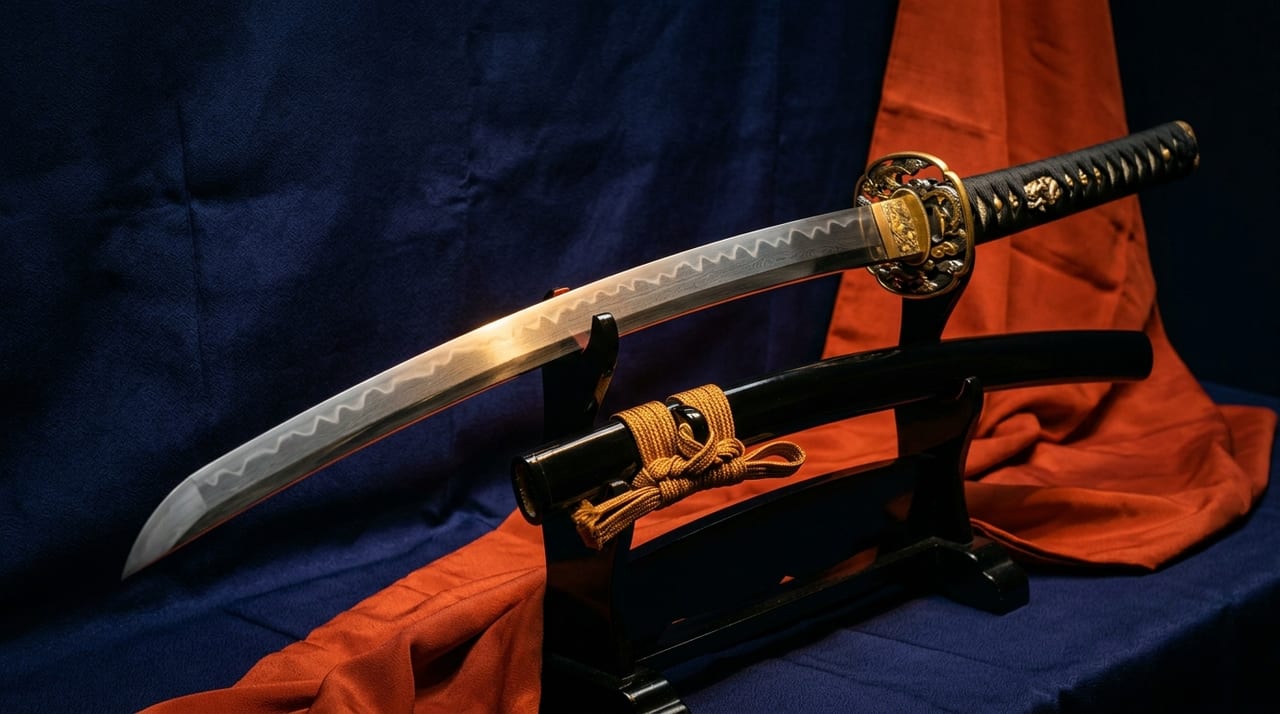
- Character and completeness of the hamon (temper line): the distinctive qualities and execution of the hamon that define each tōshō's "house style"
- Beauty of the sugata (form): the overall silhouette of the blade, sori (curvature), and the balance of each part
- Quality of the steel: whether the essential excellence of the tamahagane comes through
Notable Contemporary Tōshō and Their Styles
Among contemporary tōshō, many artists are passionately devoted to researching and reviving specific techniques of the kotō period.
The Miyairi Akihira lineage: The Miyairi school of Nagano Prefecture follows in the tradition of the master Miyairi Akihira, who pursued the restoration of Bizen-den. Its skill in reproducing chōji-midare hamon in the modern era is highly regarded.
The Gassan Sadaichi lineage: The Gassan school of Osaka has been known for generations for its distinctively forged kitae-hada called ayasugi-hada. This forging technique is considered difficult to reproduce outside the school, and it stands as the defining element of the Gassan school's originality.
Yoshihara Yoshindo: A tōshō based in Tokyo, known for his deep engagement in the study of Sōshū-den. He is regarded as one of the artists whose work is evaluated as particularly high in artistic quality among gendaitō.
The Production Environment for Gendaitō and Tamahagane
The primary material used by contemporary tōshō is tamahagane, just as it was before the Edo period. Today, virtually the sole source of tamahagane production is the Nittoho Tatara (a traditional smelter), located in Okuizumo-chō, Nita-gun, Shimane Prefecture, and the tamahagane it produces is distributed to registered tōshō across the country.
The Nittoho Tatara is operated by NBTHK (Society for the Preservation of Japanese Art Swords) and operates several times a year during the winter months. The tamahagane produced is graded according to quality, with the highest-ranked material distributed preferentially to particularly accomplished tōshō. Because the quality of the tamahagane directly affects the hamon and jihada of the finished sword, the selection of materials is the first critical judgment a tōshō must make.
Appraisal and Awards for Gendaitō
An important opportunity for evaluating the quality of gendaitō is the judging competition hosted by NBTHK (Nihon Bijutsu Token Hozon Kyokai).
Major competitions and exhibitions:
- Shinsakumeitōten (New Works Fine Sword Exhibition): The principal annual judging competition for gendaitō. Top entries receive high appraisal and market value
- ShinsakutōkenTen (New Works Sword Exhibition): Exhibitions held in various locations, including those hosted by regional chapters
- Gendaimeitōten (Contemporary Fine Sword Exhibition): Invitational exhibition featuring past award-winning artists
Works that place highly in competition are recognized as recipients of the "Special Prize," "Excellence Award," and similar distinctions, and this competitive history directly affects the market value of a sword. For young tōshō, winning a prize in competition is an important step toward building recognition.
The Training and Apprenticeship of Young Tōshō
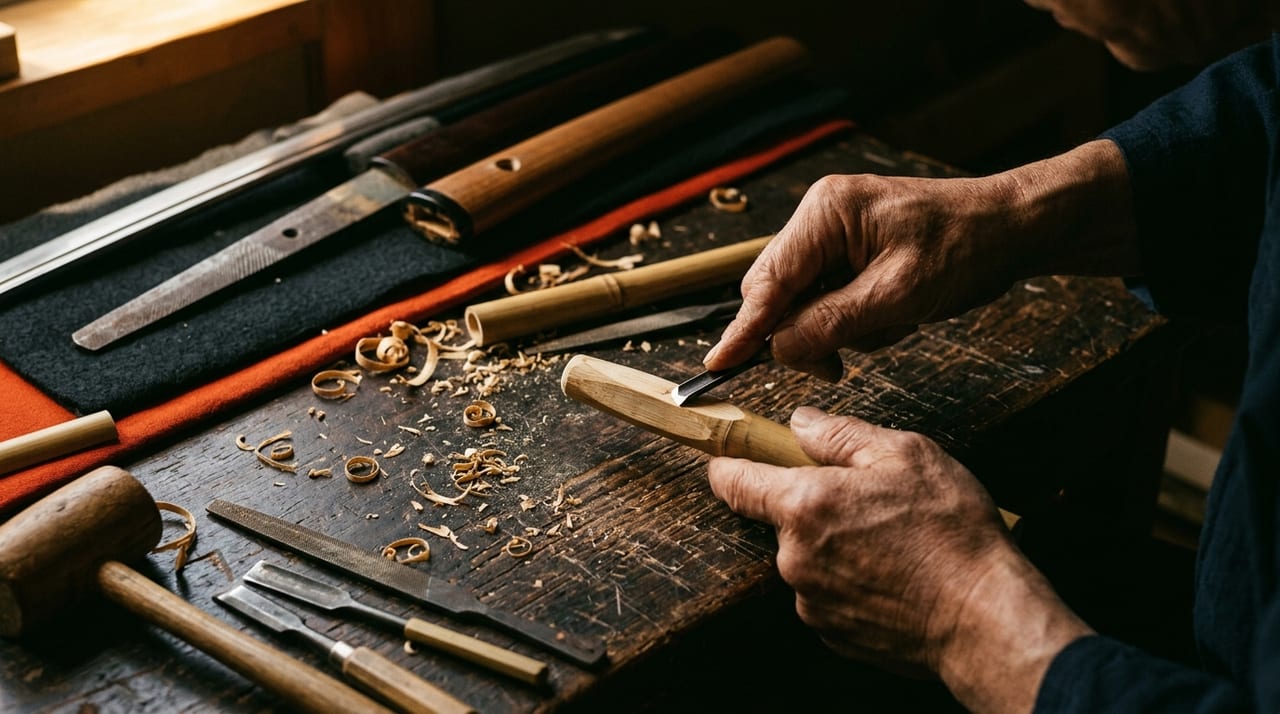
To become a tōshō in the modern era, one must first complete a minimum apprenticeship of five or more years under an accredited master. During the apprenticeship, one begins by assisting in sword production and gradually acquires, under the master's guidance, every aspect of the production process — from managing charcoal and selecting whetstones to assisting with tsuchioki (applying the clay coating).
Even after receiving registration from the Agency for Cultural Affairs, many young tōshō continue to train at their master's workshop for several more years. After becoming independent, a host of challenges awaits them: procuring tamahagane, maintaining a workshop, and securing sales channels for their work.
In recent years, the number of trainees from overseas among those aspiring to become tōshō has been growing, and the rising international interest in Japanese swords is creating new currents in the world of swordsmithing as well.
Purchasing and Collecting Gendaitō
The principal methods for purchasing gendaitō are as follows:
- Direct purchase from the tōshō: The most reliable method of acquisition, with the added appeal of being able to interact directly with the artist
- Purchasing prize-winning works from NBTHK's Shinsakumeitōten: A way to acquire highly reliable works that have been recognized in competition
- Through a sword dealer (sword shop): Purchasing gendaitō that a specialist shop has acquired
- Auction: Gendaitō are sometimes entered in specialized sword auctions
The price range of gendaitō varies widely depending on the tōshō's standing, materials, and quality of execution, ranging from around 500,000 yen for introductory works by younger artists to several tens of millions of yen in some cases for the finest works by Living National Treasure-class smiths.
Gendaitō hold a unique value as "living works of art," a fusion of the transmission of tradition and a contemporary sensibility. For collectors with an interest in Japanese swords, the works of contemporary tōshō merit attention as objects of cultural value that transcend mere craft.
Gendaitō offer distinctive advantages as an entry point into collecting. Unlike kotō and shintō, nearly all gendaitō are in near-perfect condition, and there is little need to worry about quality degradation caused by rust or flaws. In many cases it is also possible to interact directly with the tōshō or their workshop, and the ability to verify the background of the artist's style, creative intent, and even the grade of tamahagane used represents a depth of information unavailable with kotō.
At the same time, younger tōshō are emerging who do not limit themselves to transmitting tradition but actively incorporate a contemporary sensibility and research into new materials, giving rise to a new current that is expanding the expressive territory of the Japanese sword. International exchange through overseas trainees and participation in international exhibitions is also becoming more active, and gendaitō are maturing as an artistic field that, transcending the category of domestic traditional craft, now engages in dialogue with viewers and researchers around the world.