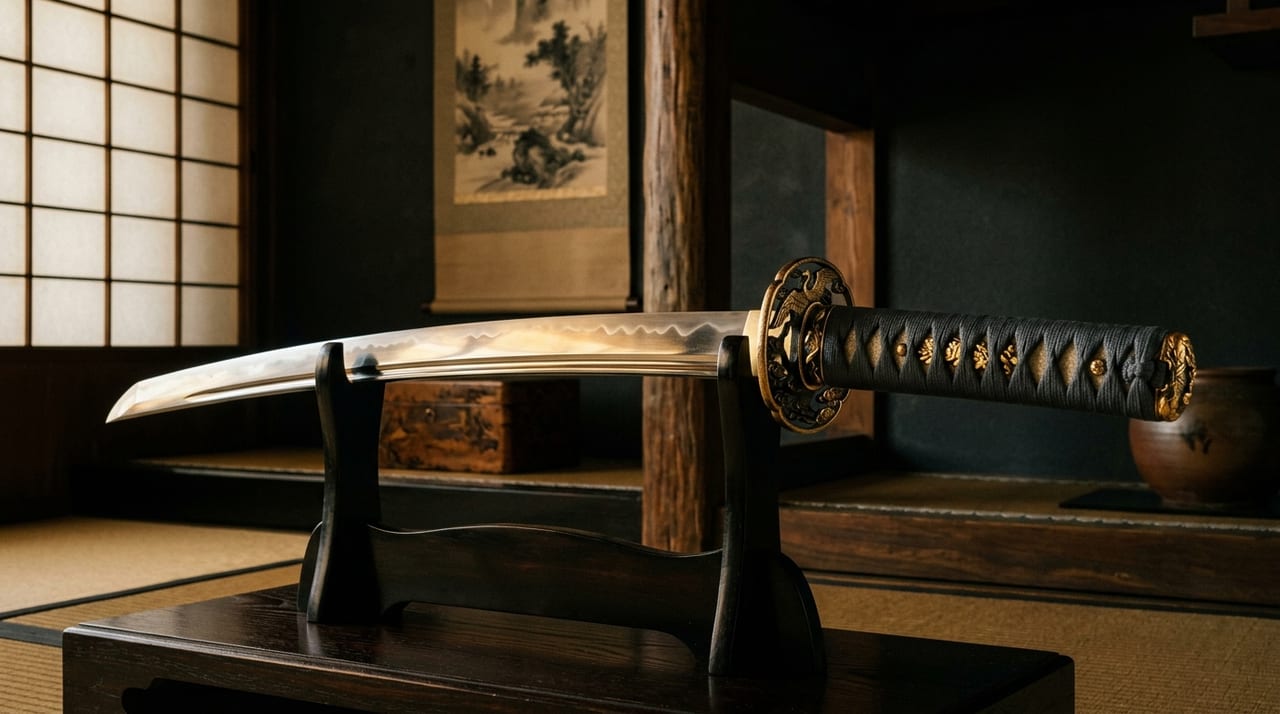
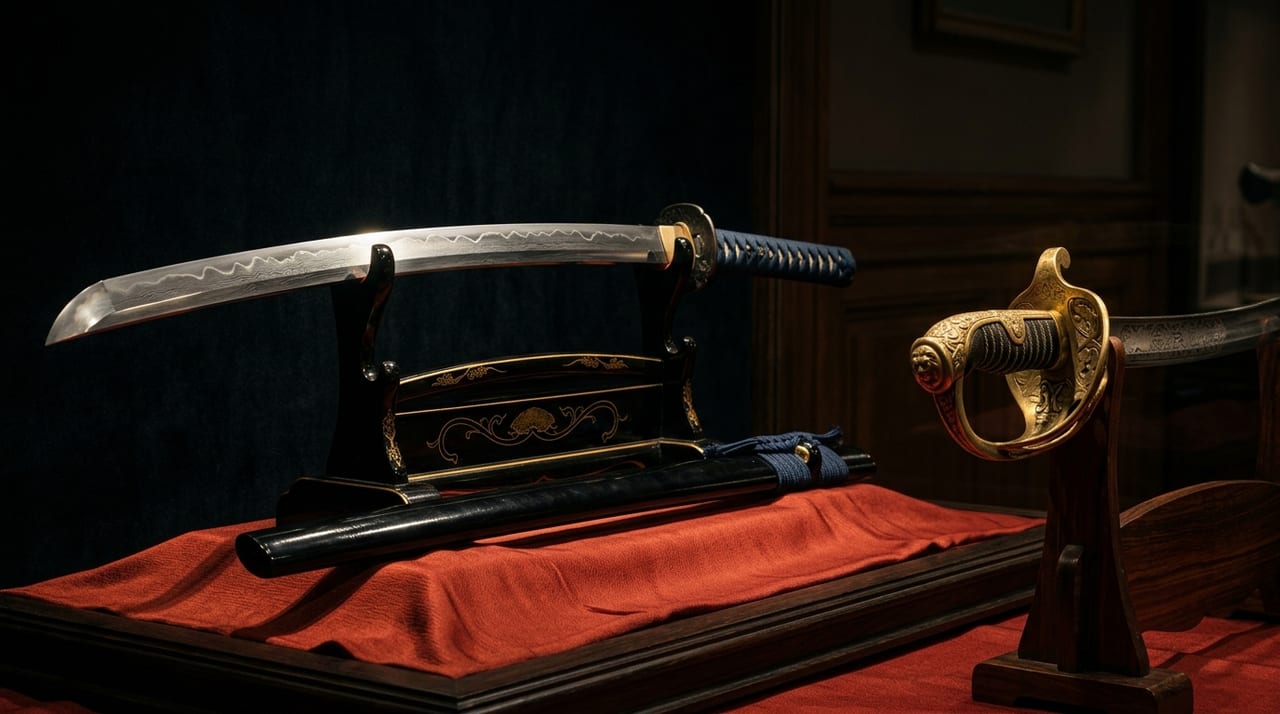
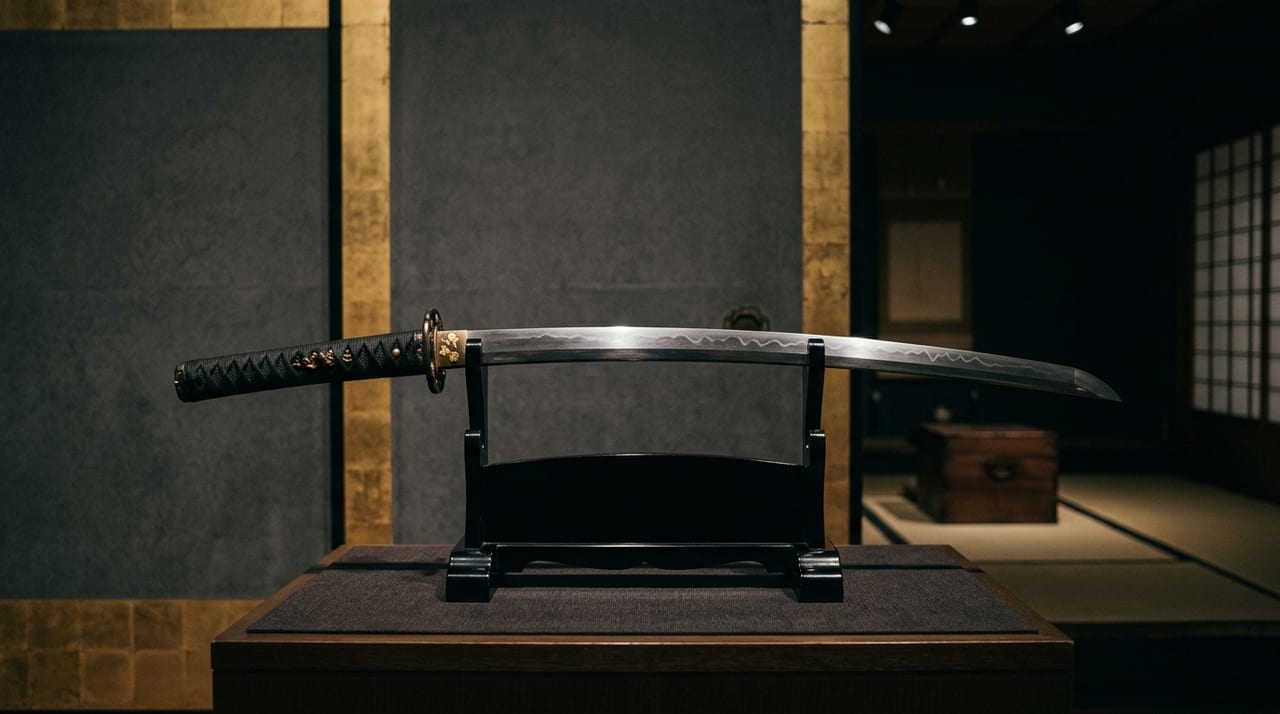
Sword Culture in the Bunkyu, Genji, and Keio Eras (1861–1868): The Sonnō Jōi Movement, the Reevaluation of Swords, and the Sword-Carrying Customs of the Patriots
 * Image is for illustrative purposes only.
Table of Contents
The Final Years of Upheaval in the Late Edo Period—Bunkyū, Genji, and Keiō
From 1861 to 1868, the final seven years before the collapse of the Edo shogunate, this period was an age of political upheaval and violence, and simultaneously an exceptional era in which the Japanese sword "regained its place" as a practical weapon. The sonnō jōi faction, suppressed during the Ansei Persecution (1858–1859), regained strength following the Bunkyū Reforms, and as the sonnō jōi movement intensified, the sword emerged as an ideological symbol and as an actual instrument of assassination and execution of justice.
These seven years also mark the last "practical combat era" in the modern history of the Japanese sword. Though eight years remained until the Edict on the Abolition of the Wearing of Swords (1876), this period also stood at the threshold of a transition in which military supremacy of the sword was rapidly lost due to the proliferation of firearms and the rise of Western-style armies.
The Sonnō Jōi Movement and the Philosophy of the "Righteous Blade"
What characterized sword culture during the Bunkyū period was the concept of the "righteous blade" (gitō). Activists for the expulsion of foreigners positioned the swords they carried not as mere weapons but as instruments of "heavenly punishment"—sacred blades that delivered divine retribution upon the wicked.
Many activists who participated in the Tenchūgumi Incident (1863) and the Kinmon Incident (1864) possessed renowned blades forged by famous swordsmiths. In particular, swords created by Minamoto no Kiyomaro (1813–1854), a master of the late Edo period, were highly prized among the activists. Even after his death, Kiyomaro's name endured, and possession of a Kiyomaro blade came to be treated as proof of being a "true activist." Legendary tales pairing historical figures with swords multiplied in this era—such as the Mutsu-no-Kami Yoshiyuki reportedly carried by Sakamoto Ryōma, or the Nagasone Kotetsu favored by Kondō Isami (though some argue it is falsely inscribed).
The Ikeda-ya Incident and the Practical Testing of Sword Craft
The Ikeda-ya Incident of the 6th month of Genji 1 (1864) stands as one of the most important "combat records" in late Edo sword history. In this event, the Shinsengumi engaged in fierce combat with sonnō jōi activists at the Ikeda-ya inn in Kyoto, leaving living testimony to the practical performance of swords in combat.
According to records following the incident, multiple Shinsengumi members had their swords break or bend. This fact sent shockwaves through the sword industry of the time, causing demand to surge for "swords capable of withstanding real combat." Among late Edo period blades, those with particularly high practical utility—such as blades called "Kotetsu-mono" in the style of Nagasone Kotetsu, combining a crisp hamon with resilient jigane—saw their reputation skyrocket after the Ikeda-ya Incident.
Moreover, episodes abound of Kondō Isami and Hijikata Toshizō, leaders of the Shinsengumi, struggling to procure swords, with records showing they placed urgent rush orders with multiple swordsmiths. This emergency demand brought economic benefits to swordsmiths in Kyoto and Osaka at the time.
Major Swordsmiths and Stylistic Changes of the Bunkyū and Keiō Periods
The movement of swordsmiths from Bunkyū through Keiō was closely linked to the political turmoil of the age.
- Koyama Munetsugu (1803–1876): A leading Kanto master representative of the late Edo period, Munetsugu received orders from the Mito clan during the Bunkyū period. Munetsugu's work was known for precise jihada and clear hamon, earning high acclaim as a practical combat blade.
- Yokoyama Sukesada: A lineage tracing back to Bizen traditions, this late Edo swordsmith received orders from retainers of the Nagao family (Uesugi) and from the Satsuma clan. While maintaining Bizen's traditional chōji hamon, a style came to be formed—what might be called "Keiō Bizen"—that incorporated a bold, powerful profile suited to practical combat.
- Swordsmith craftsmen of Satsuma: In response to the rapidly increasing supply to anti-shogunate forces during the Keiō period, they organized increased production. The thick, sturdy blades characteristic of Satsuma swords aligned with practical combat philosophy approaching that of the bayonet, and demand for Satsuma swords continued through the Boshin War (1868–1869).
The Transformation of the Sword-Wearing Custom—From "Formal Dress" to "Practical Use"
From the mid-Edo period onward, the wearing of swords by samurai had become formalized as part of formal dress. However, from the Bunkyū period onward, particularly in Kyoto and Edo, sword-wearing reclaimed its literal utility as a means of self-defense.
In Kyoto's streets, assassinations under the name of "heavenly punishment" became daily occurrences, creating an environment in which samurai, rōnin, and activists killed one another. Under these circumstances, the daishō—the long sword and short sword—once carried to display status and family name, now functioned as armament prepared for actual sword combat.
Demand for the wakizashi increased especially during this period. As combat in cramped spaces where two long swords were difficult to maneuver became more frequent, some began using a long wakizashi of nearly two feet as their primary weapon. Records from the Ikeda-ya Incident also document combat using short swords and wakizashi as the main weapons.
Swords and the Collision with Foreign Culture—"Killing Foreigners" and Diplomatic Crises
Another aspect of sword culture during the Bunkyū period was the use of Japanese swords in attacks on foreigners. In the Namamugi Incident of 1862, Satsuma clan samurai cut down British merchant traders on horseback, escalating the matter into a diplomatic crisis. The same year, when the British legation at Shinagawa Goten-yama was burned by Mito rōnin, swords were employed.
These incidents, while impressing Western nations with "Japanese barbarism," generated praise within Japan for sword-wielding as "practice of expelling foreigners." This was a rare era in which swords became bound up with diplomacy, symbolizing the political nature of late Edo sword culture.
The End of Keiō and the Turning Point of Sword Culture
The Boshin War of 1868 brought massive demand for swords to both the old shogunate and new government forces as the last major civil war. Yet even in this war, firearms (Snider rifles and Minié rifles) played a more decisive role than swords. The government army's victory in the Battle of Toba-Fushimi drove home the reality that firearms, not swords, had become the protagonist of the battlefield.
The seven years of Bunkyū, Genji, and Keiō represent the "final brilliance" of the Japanese sword. The image of the late Edo activists and their swords remained bound together, continuing to be spoken of after the Meiji Restoration as the "soul of the samurai," laying the foundation for the sword preservation movement and reappraisal following the later Edict on the Abolition of Swords. Having passed through this era, the Japanese sword stood at the entrance to a long transformation from practical weapon to spiritual and artistic symbol.