Tameshimono: The Profession of Official Tameshigiri Specialists Sanctioned by the Edo Shogunate — Their Practice and Social Standing
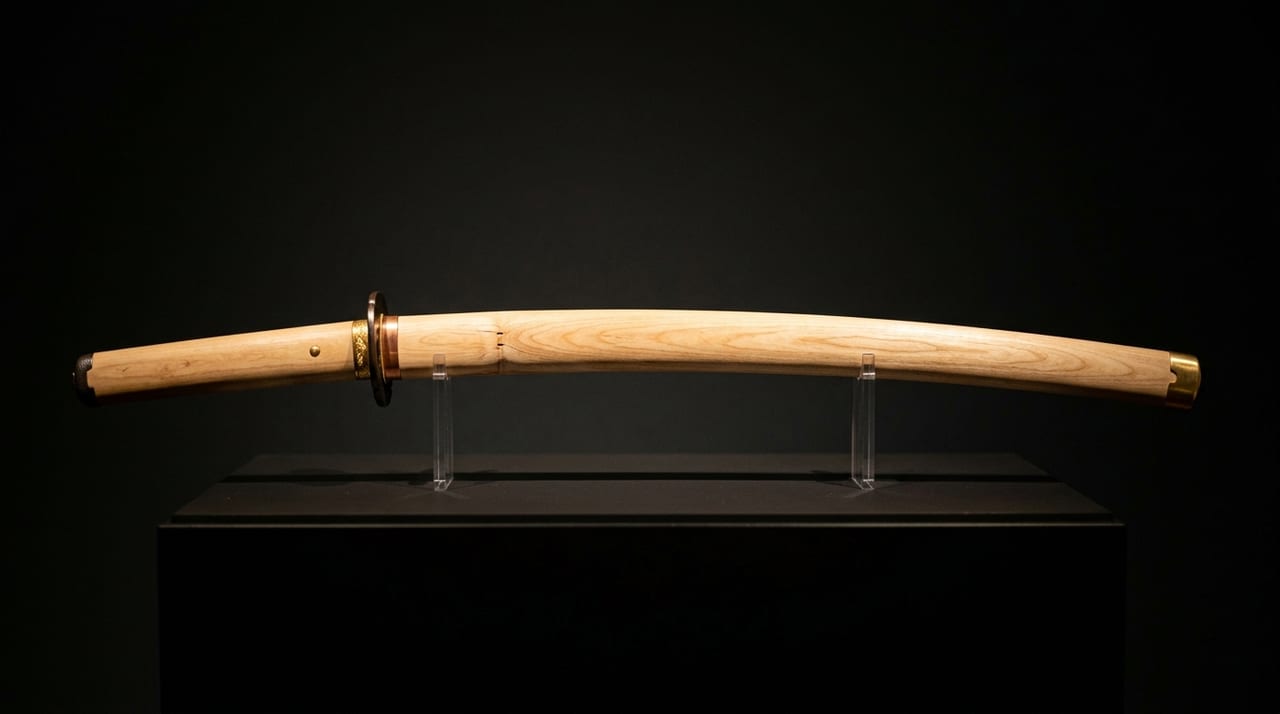 * Image is for illustrative purposes only.
Table of Contents
As a means of testing the performance of nihontō, the Edo period saw the institutionalization of an empirical test known as tameshigiri. The profession that performed this tameshigiri in a specialized capacity was known as tameshimono, and it was established as a skilled trade for assessing the cutting ability of swords under official sanction of the shogunate. This article examines the little-known reality and social position of this profession through its relationship with the sword industry.
The Origins of Tameshimono — The Practice of Tameshigiri in the Sengoku Period
The practice of tameshigiri itself predates the Sengoku period. The custom of tōshō performing test cuts using bamboo, straw bundles, and timber to verify the cutting ability of a completed sword is said to have existed since ancient times. However, as the peaceful society of the Edo period continued, it became difficult to prove a sword's worth in actual battle, and a formalized tameshigiri apparatus became necessary in its place.
The Edo shogunate established a system officially permitting tameshigiri using the corpses of criminals (remains following execution), and appointed specialists known as otameshi-goyō (official sword-testing officers) to carry out this role. These otameshi-goyō were the prototype of the institutionalized tameshimono.
The Yamada Asaemon Household and the Establishment of the Tameshimono System
The household that achieved the greatest renown as tameshimono during the Edo period was that of Yamada Asaemon. Beginning with the first Yamada Asaemon Sadatake, the position was passed down through successive generations, and the family received official recognition from the shogunate as otameshi-goyō. The role of the Yamada household extended beyond tameshigiri alone, encompassing the following areas:
- Assistance in carrying out executions
- Appraisal of sword performance
- Compilation of the wazamono banzuke (cutting-ability rankings)
The Yamada household was treated as equivalent in status to hatamoto (lower-ranking samurai without office) and also offered instruction in swordsmanship, occupying a unique social position within warrior society. On the other hand, because their profession involved contact with the bodies of the dead, it was associated with the concept of kegare (ritual impurity), and they occupied a socially ambiguous position in that regard.
The Specific Procedure of Tameshigiri
The institutionalized tameshigiri of the Edo period was carried out according to strict procedures.
Tameshigiri used the remains of criminals condemned by the shogunate (corpses following decapitation). The remains were typically used within a few days of death, and names for the methods of cutting were established according to the body part cut, the posture, and the angle at which the sword was inserted:
- koshibone
- dō
- kesa
- yottsu
These names for cutting methods later became established as terms denoting the "cutting-ability rank" of a sword.
After the test, the Yamada household issued a formal tameshigaki (test certificate). This document recorded the following items and functioned as a "certificate" for the sword:
- The mei (signature) of the sword
- The date of the test
- The type of cutting method used
- The result (pass or fail)
A tameshigaki bearing a high rating became an important added value that enhanced the worth of the sword.
Connection with the Wazamono Banzuke — The Sword Ranking Determined by Tameshimono
The wazamono banzuke compiled periodically by the Yamada Asaemon household circulated widely throughout Edo society as a cutting-ability ranking of tōkō. This ranking, which rated tōkō in a format modeled on sumo rankings such as ōzeki, sekiwake, and komusubi, had a direct influence on the actual selling prices of swords.
Works by tōkō ranked at the upper levels of the banzuke were classified into the following four grades, functioning as a guarantee of cutting quality:
- wazamono
- yoki wazamono
- ō-wazamono
- saijō ō-wazamono
Even today, works by tōkō who received the ō-wazamono designation are highly regarded, demonstrating that the influence of this Edo-period tameshimono system continues to the present day.
The Skills of Tameshimono — Cutting Techniques
Tameshimono required not mere physical strength but a high level of swordsmanship technique. In order to assess the cutting ability of a sword fairly, the angle, speed, and trajectory of each strike had to remain consistent. If individual variation affected the results, a fair evaluation of performance would be impossible.
The Yamada household is said to have passed down through successive generations a form of swordsmanship developed exclusively for tameshigiri. The training required to maintain a consistent posture, consistent speed, and consistent angle of entry is thought to have formed a unique system distinct from conventional swordsmanship practice.
In addition, adjustments for the condition of the remains (time elapsed since death, build, etc.) were accumulated as technical empirical knowledge, and this knowledge of adjustments was an important element in the technical evaluation of tameshimono.
The Relationship Between Tameshimono and Tōshō
The relationship between tameshimono and tōshō, while at first glance appearing adversarial, was in practice strongly cooperative. For a tōshō, having one's sword certified as wazamono or ō-wazamono was the highest honor, and a powerful promotional tool for customers.
Consequently, there were many cases in which tōshō voluntarily commissioned tameshigiri, and no few tōshō paid a fee to the Yamada household in order to obtain a tameshigaki. This "commissioned tameshigiri" fulfilled a function similar in modern terms to third-party product certification.
On the other hand, if the result of the tameshigiri was unexpectedly poor (if the sword failed to withstand the test), there was a risk of damage to the tōshō's reputation, and commissions to tameshimono required careful consideration.
The End of the Tameshimono System from the Meiji Period Onward
Prior to the Sword Abolishment Edict (Haitōrei) of Meiji 9 (1876), the tameshimono system was abolished by government legislative reform. The abolition of the tameshigiri (sama-giri) system was by a Grand Council of State proclamation of Meiji 3 (1870). The Meiji government promoted the eradication of tameshigiri using corpses as a "barbaric practice," and the Yamada household's official position was extinguished.
The disappearance of the tameshimono profession created a void in methods for evaluating the cutting ability of swords. Today, tameshigiri using plant materials such as bundles of bamboo and straw is practiced (as demonstrations in modern iai and battōjutsu), but institutionalized tameshigiri on human bodies has never been revived.
Conclusion — The Role of Tameshimono in Sword Culture
The tameshimono profession functioned in the Edo sword market as a "third-party certification authority" for objectively evaluating the cutting ability of swords. That it ranked tōkō through the compilation of the wazamono banzuke, and that this evaluation continues to exert influence to the present day, is noteworthy. Tameshimono were specialists who systematized not the artistic value but the functional value of swords, and should be recognized as an important presence that supported the practical side of sword culture.