Togishi: Restoring the Hamon — The World of Master Sword Polishing
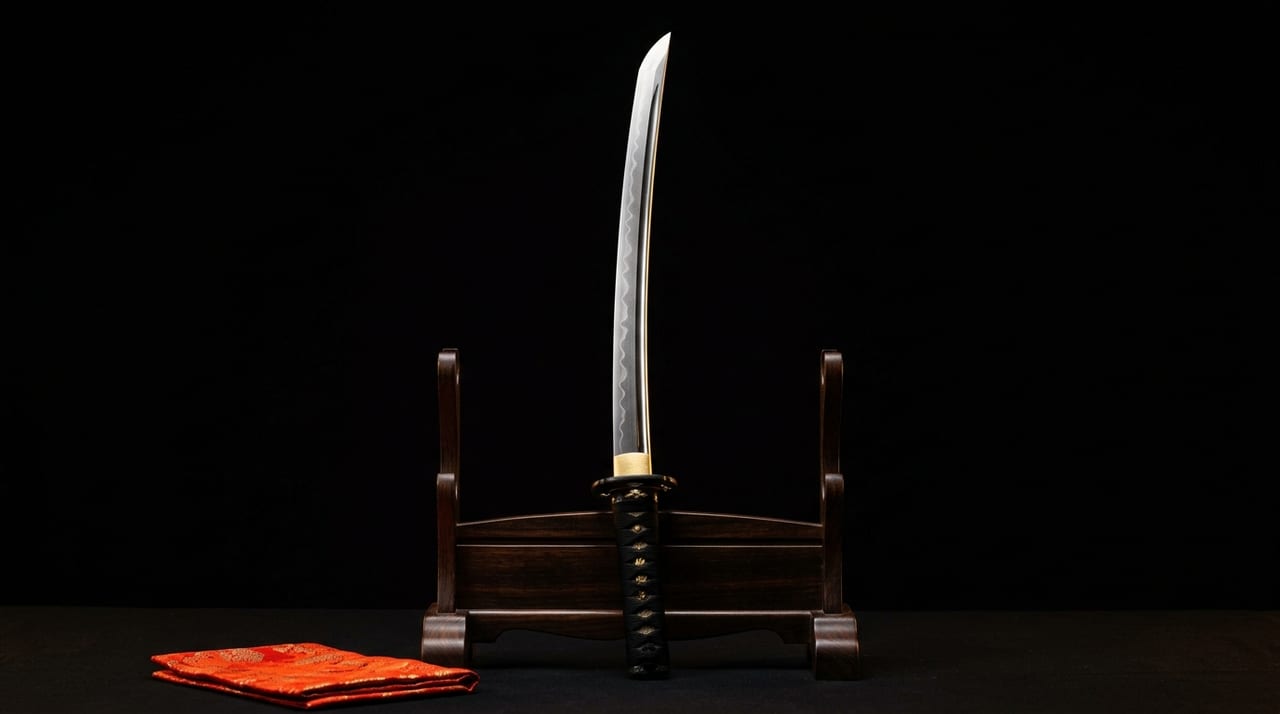 * Image is for illustrative purposes only.
Table of Contents
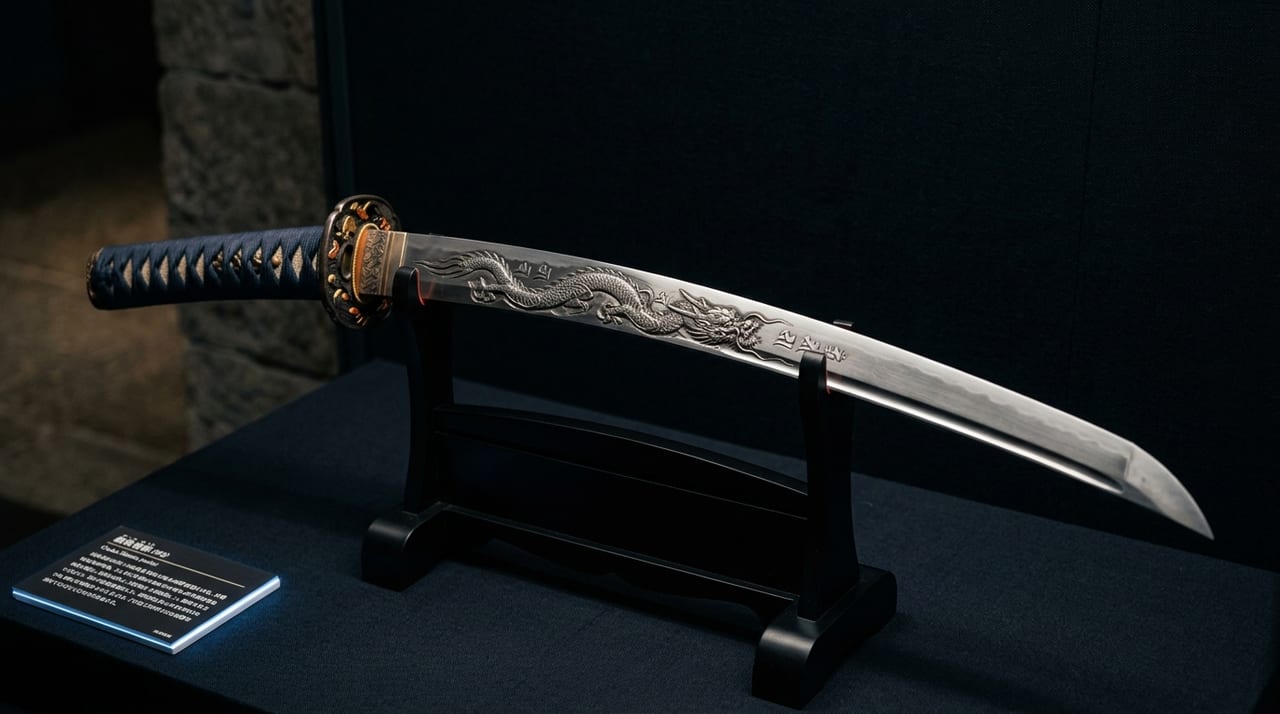
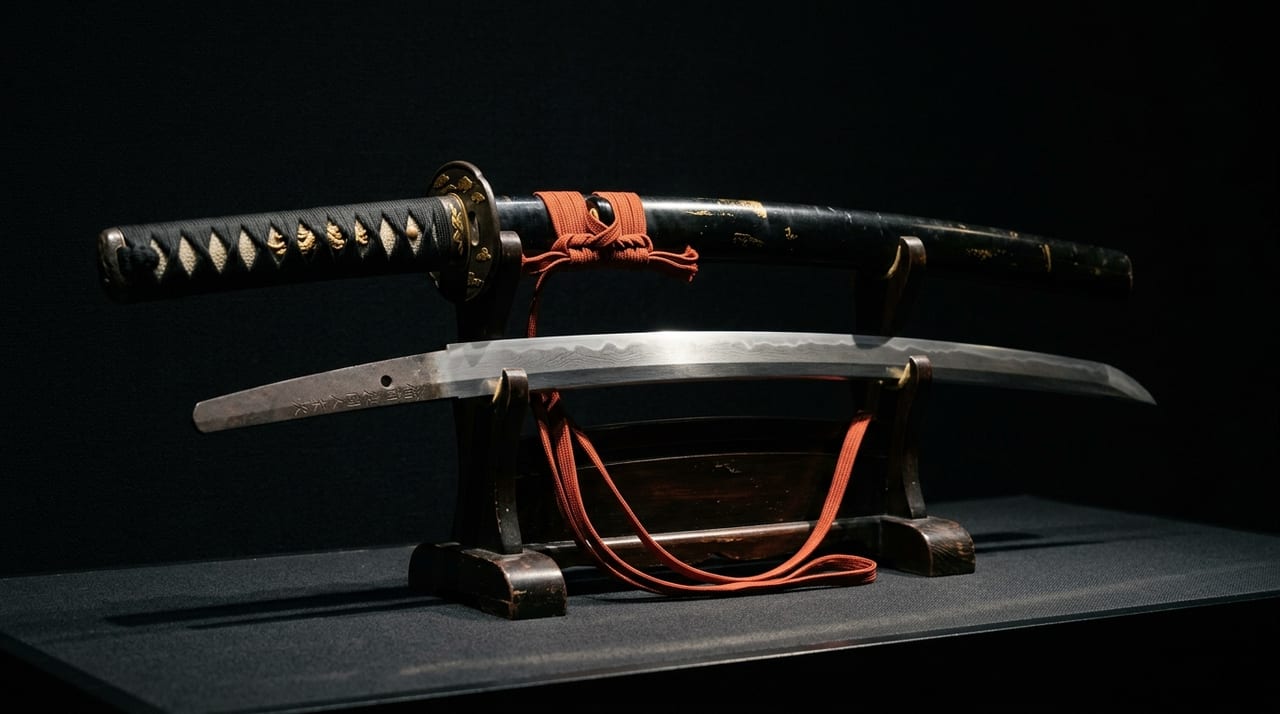
A togishi is a specialist craftsman who polishes the blade of a Japanese sword and brings out its original beauty and sharpness. Rather than merely a "polishing craftsman," a togishi is someone who understands the forging techniques of the swordsmith applied to the blade, restores the original hamon in old swords, and expresses the creator's intent to the fullest in new blades—a profession demanding advanced technical skill and discernment.
Togishi: The Mission and Technical System of Sword Polishers
The togishi's work is the "final finishing" after a sword is completed, and at the same time, a "resurrection." Ancient swords that have been stored in warehouses for many years shine brightly again through the togishi's hands—this process plays an extremely important role in Japanese sword culture.
The togishi's technical system involves far more than simply polishing the blade with whetstones; it includes the following complex processes: assessing the blade's warping and curvature with discerning judgment, selecting whetstone types and grit sizes, adjusting the pressure, angle, and speed of polishing, distinguishing the ha-en (the subtle boundary line between the blade's edge and the jihada), and finally expressing luster and hamon through finishing polish. The togishi's mission lies in bringing out to the fullest, through polishing, the expression that the swordsmith intended during forging.
The Polishing Process: Rough Polishing, Finishing, and Hamon Restoration
The togishi's actual work divides into three major stages.
- Rough polishing (ara-togi): Old swords and used swords have rust and scratches on them. Using rough whetstones, the entire blade's rust and scratches are removed. At this stage, it is important to assess the overall shape of the sword and confirm whether the blade is curved or warped. During rough polishing, the togishi begins to infer where the original hamon lies.
- Middle polishing (naka-togi): After rough polishing, using finer whetstones, the entire blade is polished evenly. At this stage, the hamon that the swordsmith sought to express during forging gradually begins to emerge. The togishi progressively increases the whetstone grit to make the hamon's outline sharper.
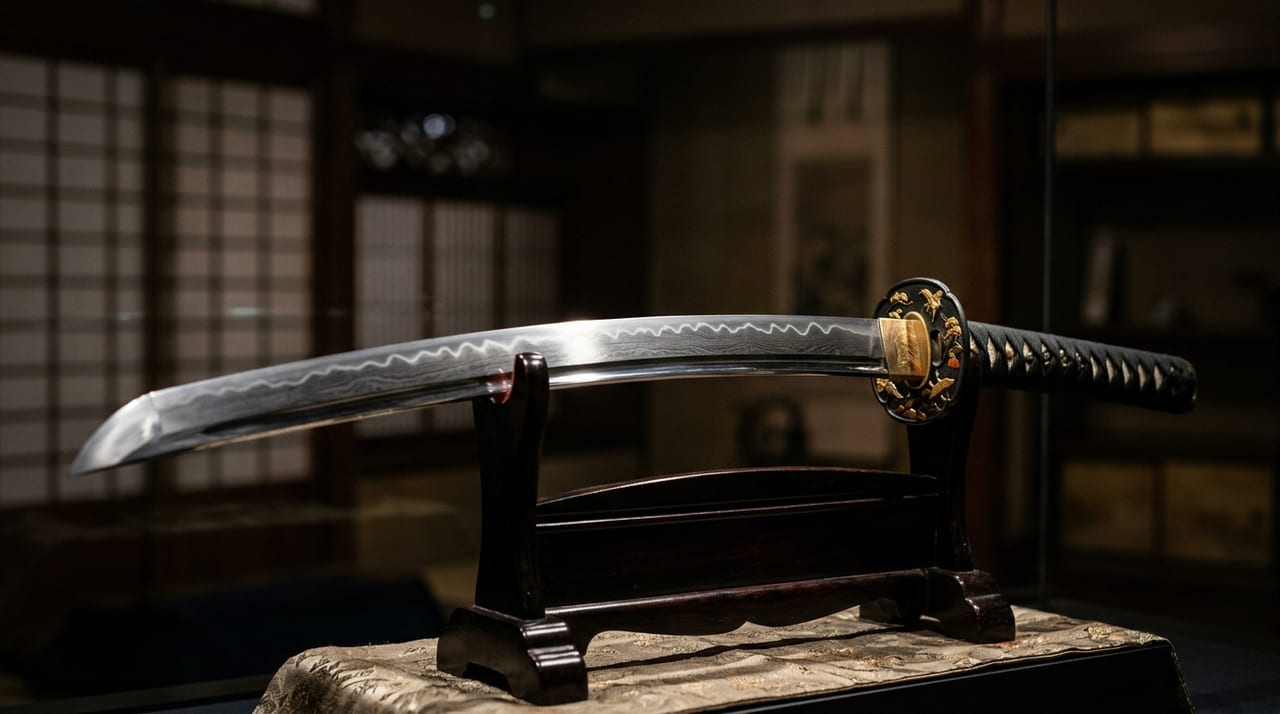
- Finishing polish (shiage-togi): Finally, using the finest whetstones (the highest grade of natural whetstones), the details of the hamon are polished. At this stage, the blade edge's sharpness is brought out and the jihada's luster is adjusted. In finishing polish, the goal is to express to the fullest the utsuri (the bands of light floating across the blade) and the jiwada that manifest on the blade.
The choice of whetstone at each stage varies depending on the sword's era, swordsmith, and steel quality. The whetstone selection for old blades (swords from the Heian to Kamakura periods) and new blades differs greatly, and only experienced togishi can select the optimal whetstone for each sword.
Reading and Restoring Old Hamon: The Togishi's Discernment, Rust, Scratches, and Original Contours
The togishi's most advanced skill is "restoring old hamon." Swords that have been stored for many years may have their hamon obscured by rust and scratches. The togishi must infer from faint traces what the original hamon's form was and polish accordingly.
For example, if the hamon is a specific form called choji-ba, the togishi must understand the size, spacing, and regularity of the clove-like patterns and recreate its original form while removing rust. If this judgment is wrong, the hamon can become distorted or over-polished, losing its original character.
The togishi's discernment is cultivated from knowledge learned through literature and mentors, and from experience actually polishing thousands of swords. For old swords, identifying the swordsmith through certificates and signatures is important, but ultimately the togishi's own "eye" becomes the final fortress for interpreting the original hamon's intent. Reading all of this—the historical traces hidden within the hamon, the characteristics of the swordsmith's school, and the craftsman's pride—is the skill demanded of a true togishi.
Training and Technical Transmission: Years of Training, Hereditary Schools and Lineages
The traditional training period to become a togishi is said to be more than 10 years. The first 3 to 4 years of training are devoted to acquiring knowledge of whetstones and basic techniques. Afterwards, one acquires skill in reading hamon and restoration techniques while actually polishing old and new swords.
Togishi techniques are often transmitted within families as "schools" or "lineages." Among famous togishi schools, there is the polishing technique of the Honami family, who were active during the Edo period, and this continues to influence modern togishi. Furthermore, different polishing techniques have developed in different regional production areas; for example, Nagoya togishi have a distinctive technique called Nagoya-togi.
Currently, it is rare for young people to enter training as togishi, and the shortage of successors to aging togishi is an industry-wide issue. Because of this, awareness of the crisis in transmitting traditional techniques has increased, and some togishi are actively working to pass on their skills to younger craftsmen.
Challenges Facing Modern Togishi: Aging, Successors, Industry Change, and Craftsman Value
The modern togishi industry faces multiple serious challenges. Most well-known togishi are in their 70s or older, and togishi in their 30s or younger are extremely rare. Due to the length of training, income instability, and low social recognition, it is rare for young people to choose the path of togishi. Therefore, when togishi with decades of skill retire, the risk of losing that skill increases.
In recent years, demand related to Japanese sword preservation and management has been changing. In some areas, there is a trend of decreasing demand for blade polishing, making it difficult for togishi to earn a stable living, and creative measures are needed to sustain the profession. Simultaneously, sword restoration and polishing work continues in museums and galleries, and the importance of the togishi remains unchanged from academic and cultural perspectives.
Master Craftsmen, Schools, and Modern Transmission
Among togishi, the Honami family of the Edo period is foremost among famous individuals and schools. The Honami clan, generation after generation, made their living from blade polishing and authentication and earned the trust of the Tokugawa shoguns. Even today, the polishing technique of the Honami lineage is respected as Honami-togi.
Moreover, during the Showa and Heisei eras, multiple mukanzai togishi (togishi whose advanced techniques were certified by the Agency for Cultural Affairs) were active, and through their hands many old swords were restored. Through the work of these master craftsmen, the beauty of Japanese swords is transmitted to the present.
The world of the togishi, like that of the swordsmith, is a domain where the craftsman's skill and discernment are most tested. "Making" and "polishing" a sword are both wheels necessary to establish Japanese sword culture. Through TOUKENZA's online catalog, we hope you will view the various Japanese swords these craftsmen have worked on and feel how the togishi's technique brings out the beauty of the blade.