The Truth About Tanto: Why This Shorter Blade Excels as Weapon, Self-Defense Tool, and Secondary Sword—Manufacturing Differences from the Wakizashi Explained
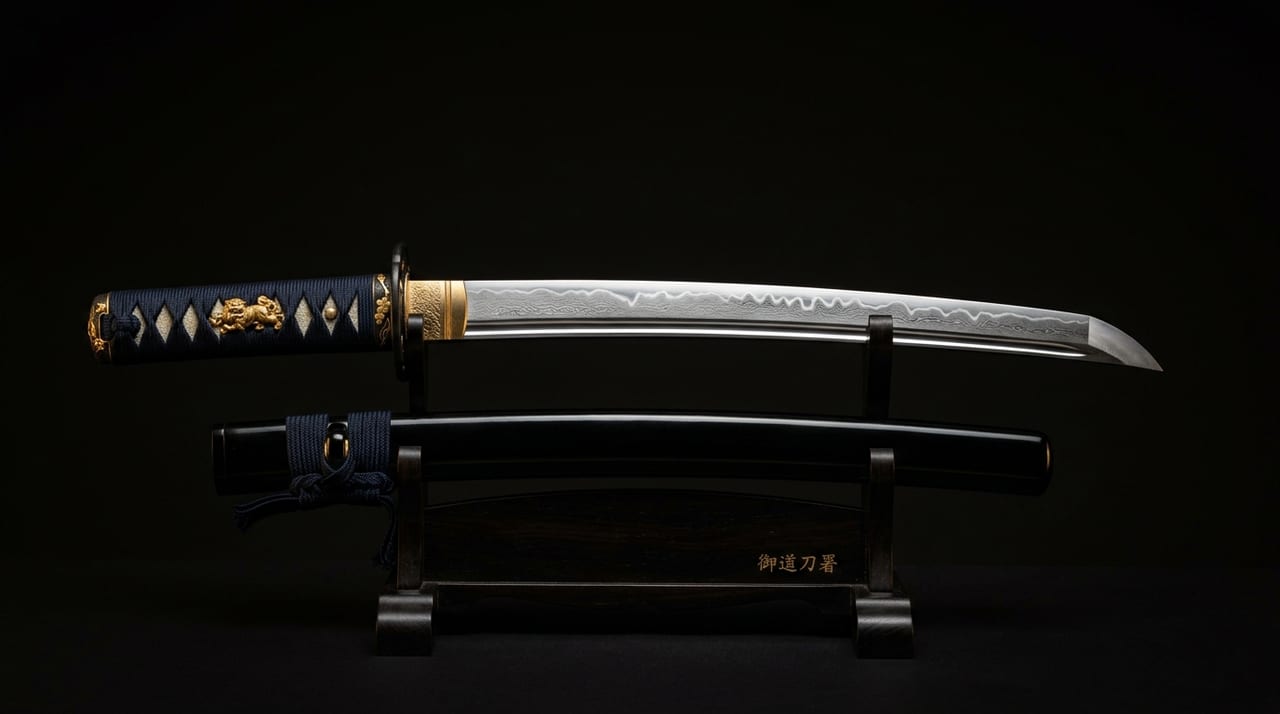 * Image is for illustrative purposes only.
Table of Contents
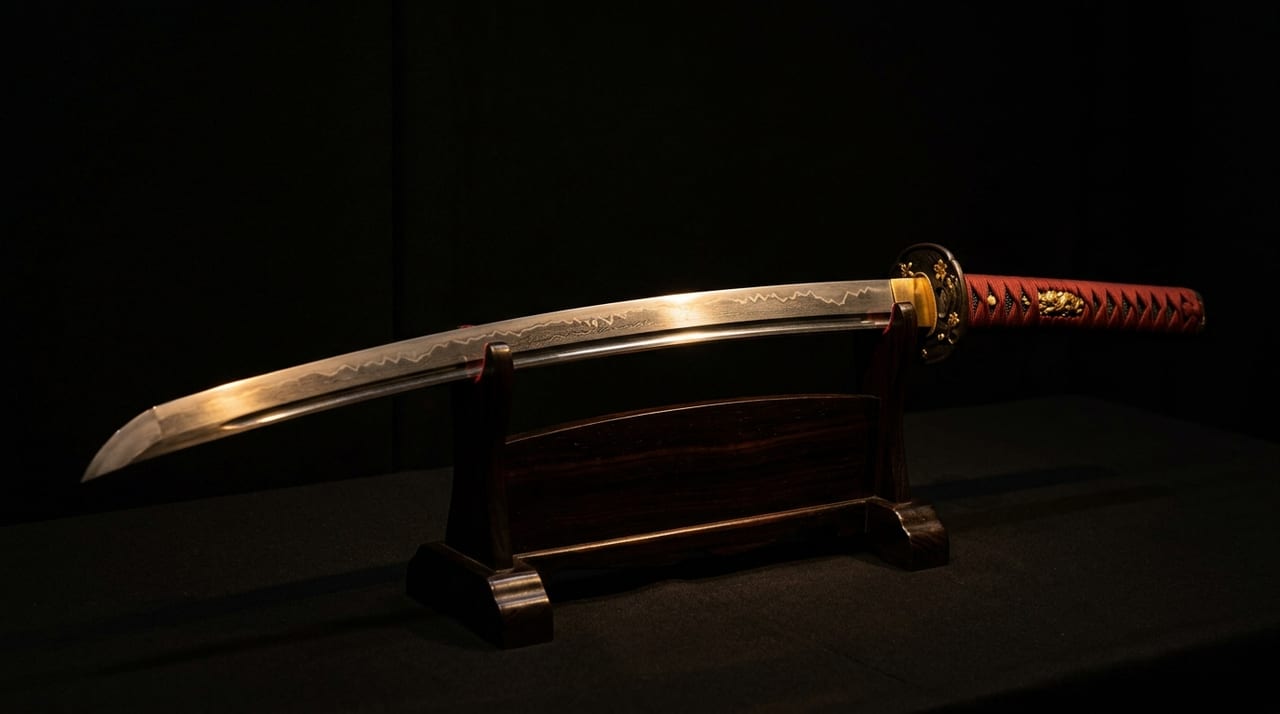
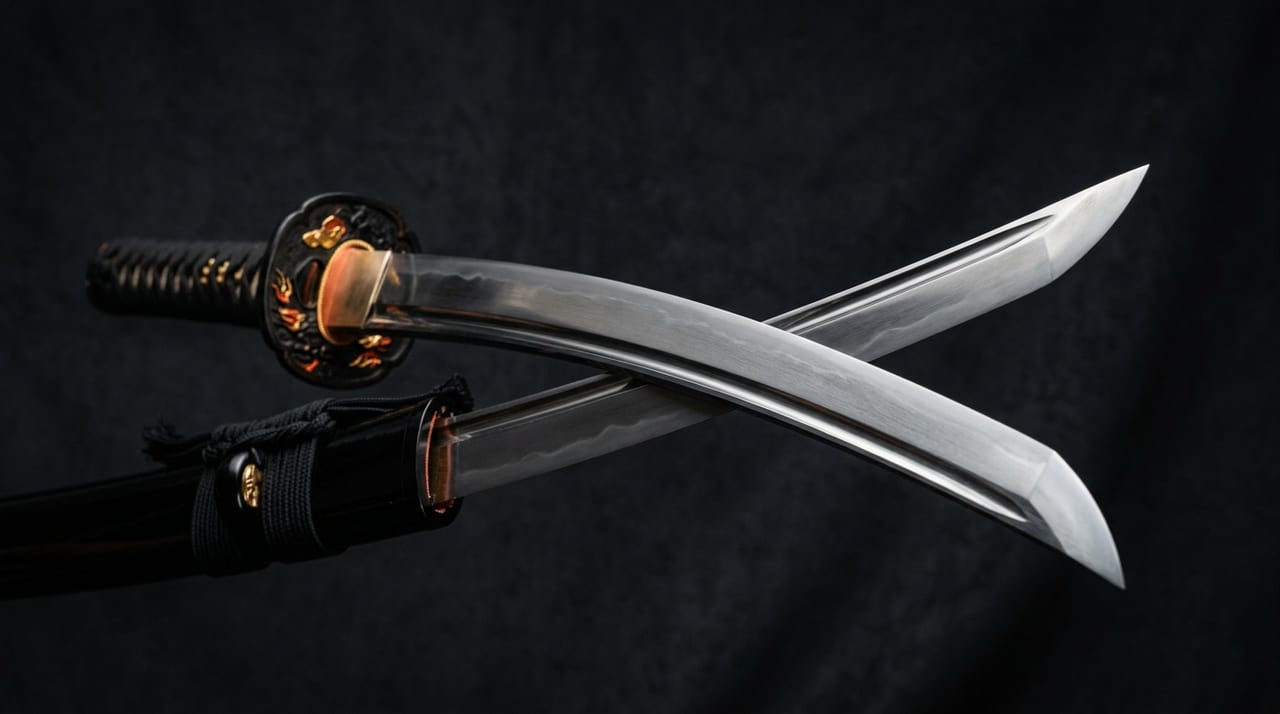
Tanto (short sword) is the smallest class of Japanese swords, generally referring to swords with a blade length of one shaku (approximately 30 cm) or less. In ancient times they were sometimes called "small swords" or "companion swords," but in modern times "tanto" is the unified terminology. Tanto are not merely miniaturized swords, but are positioned as an independent sword type whose forging methods, uses, and social roles differ significantly from other sword types (tachi, uchigatana, wakizashi).
Tanto: Dimensions, Definitions, and Differences from Other Sword Types
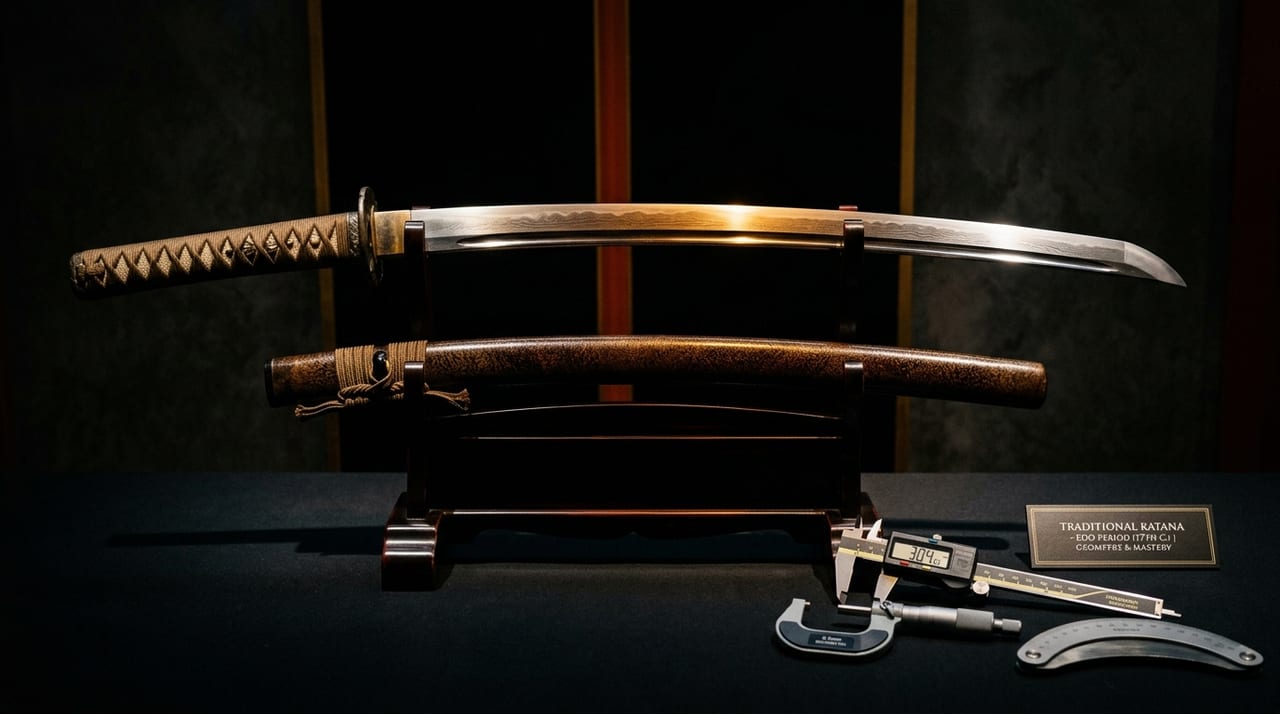
Japanese swords are broadly classified by blade length. The general standard is that blades of 2 shaku (approximately 60 cm) or longer are tachi or uchigatana, 1 to 2 shaku (approximately 30–60 cm) are wakizashi, and 1 shaku or less are tanto. However, during the Kamakura to Nanboku-Cho periods, dimensional standards were not yet fixed, and there is sometimes dimensional overlap between the "tanto" of that era and the "tanto" of today.
What distinguishes tanto from other sword types is the diversity of their uses. Wakizashi were primarily used as secondary swords worn at the waist, but tanto were swords with extremely broad applications: self-defense, ceremonial use, concealed daggers, armor-piercing, and accessories. As a result, tanto blade shapes (tsukurikomi) are extremely varied, with even more diverse forms than other sword types.
- Hirazukuri
- Shinogizukuri
- Kiriha-zukuri
- Unokubi-tsukuri
History: The Tanto Boom from Muromachi to Edo, Self-Defense and Social Status
The history of tanto is ancient, tracing back to the Heian period. However, it was not until the late Kamakura through Muromachi periods that tanto became widely adopted in society and underwent formal forging by craftsmen. During this period, as the warrior class expanded, demand grew for wakizashi as secondary combat swords and tanto as personal-defense weapons.
In the Muromachi period, tanto came to be particularly valued as swords for seppuku assistance in duels between equals and as ceremonial swords in temples. During this era, sword smiths in Kyoto and Osaka produced numerous precise and beautiful tanto, and collecting them became a status symbol for daimyo and temples.
With the Edo period, the warrior class status system became rigid, and the "daito-shoto" (long and short sword pairing) system was established. Originally, daito-shoto consisted of a tachi and uchigatana pairing, but from the mid-Edo period onward, an uchigatana and wakizashi pairing became standard. At this time, tanto—smaller than wakizashi—became particularly important as "kaiken" (concealed daggers) carried hidden in the breast or as "taidachi" (ceremonial swords) carried by samurai women at weddings. Among Edo's merchant class, self-defense with tanto was common, and specialized tanto smiths were active in craftsmen's districts like Honjo and Fukagawa. From the late Shogunate through Meiji, tanto forging temporarily declined due to the Edict on the Abolishment of Swords, but in the early Showa period, the artistic value of Japanese swords was reappreciated, and tanto were revived as collector's items.
Forging Methods and Techniques: Special Considerations of Shorter Blades, Distinctive Jihada and Hamon
Because tanto have short blades, they may appear to be simply "swords made smaller," but in reality the forging techniques differ. First, because the blade is shorter, cooling during quenching is faster, and the hamon tends to be finer. Therefore, hamon on tanto are often finer and more precise than hamon on tachi or uchigatana by the same smith.
The jihada (steel texture) of tanto also receives distinctive attention. When forging tanto, the steel material is often refined more finely, resulting in jihada that appears "dense" and "firm." Edo-period tanto smiths performed "multi-stage forging," repeatedly folding and reforging the steel to bring out the jihada quality to its fullest extent.
There are hamon types distinctive to tanto. Tanto frequently display suguha or shallow wavy hamon, with blades tending to be finished more acutely. This is thought to reflect the fact that tanto, as self-defense weapons and concealed daggers, prioritized "cutting power in a single strike." Conversely, decorative tanto sometimes intentionally display more complex hamon, such as fine sunagarashi.
Edo Wearing and Social Class: Pairing with Wakizashi, Self-Defense of Lower Samurai
The use of tanto in the Edo period varied greatly by social rank. High-ranking warriors (daimyo and hatamoto) carried luxurious tanto decorated with gold inlay and maki-e as kaiken. These tanto were less for daily carry and more functioned as ornamental pieces concealed at the waist during official ceremonies and formal occasions.
Mid-ranking and lower-ranking warriors (gokenin and ashigaru) carried more practical tanto. For them, tanto were used in close-range combat that wakizashi could not address and for nighttime self-defense. In street skirmishes between warriors in Edo, tanto were a powerful means of self-defense.
For samurai women, tanto were particularly important martial implements. The "taidachi" or "kaiken" that women carried at weddings were understood as tools to protect themselves or their honor in the event of an enemy attack. A newlywed woman carrying this tanto was also a ritual for her to affirm her role as the wife of a warrior in her new household.
The merchant class also commonly carried tanto for self-defense. Merchants and craftspeople in particular used tanto as portable swords to prevent theft. However, as the Edo shogunate restricted sword-wearing by commoners, tanto were often carried under the pretext of being "tools."
Getting Started with Modern Tanto Collecting: Selection Criteria, Price Ranges, and Storage
Here we organize basic knowledge for purchasing and collecting tanto in modern times. Tanto prices vary widely depending on the smith, era, and condition.
| Category | Price Range |
|---|---|
| Tanto by famous Edo-period smiths | Can reach several million yen |
| New tanto from Showa onward | Several hundred thousand to several million yen |
| Tanto by post-war Showa mukansa (exempt-from-judging) smiths (for beginner collectors) | Approximately 500,000–1.5 million yen |
Beginner collectors often start with tanto by post-war Showa mukansa smiths.
Appraisal points when purchasing are as follows:
- Clarity of the mei (smith's signature)
- Beauty and regularity of the hamon
- Quality of the jihada (does it feel dense?)
- Condition of the nakago (free of rust or cracks?)
- Reliability of period attribution (presence of certification documents)
Storage should be in a shirasaya (undecorated scabbard), as with tachi and uchigatana. Because tanto are small, they are susceptible to humidity changes, so regular maintenance is essential. It is ideal to have a specialized polisher perform dry-wiping (karaburi) of the blade one or two times per year.
Masterwork Tanto and Notable Examples
Among tanto are notable works designated as National Treasures or Important Cultural Properties. For example, the Kamakura-period tanto "Silver-inlaid Mei Fujiwara Yoshimitsu" is known as a masterwork held in the Kyoto National Museum. In the Edo period, renowned smiths such as Suishinshi Masahide and Umetada Myōju produced numerous tanto, which remain in museums and private collections today.
The true appreciation of tanto lies in decoding the "craftsmanship concentrated within its small form." Tanto, expressing maximum beauty with limited steel compared to tachi and uchigatana, can be said to be the sword type in which a smith's skill is most directly reflected. In TOUKENZA's online catalog as well, you can view tanto from various eras and smiths.