Tsuda Echizen no Kami Sukehiro — The Master of Osaka Shintō Credited with Founding the Tōranba, with Notes on His Jigane and Notable Works
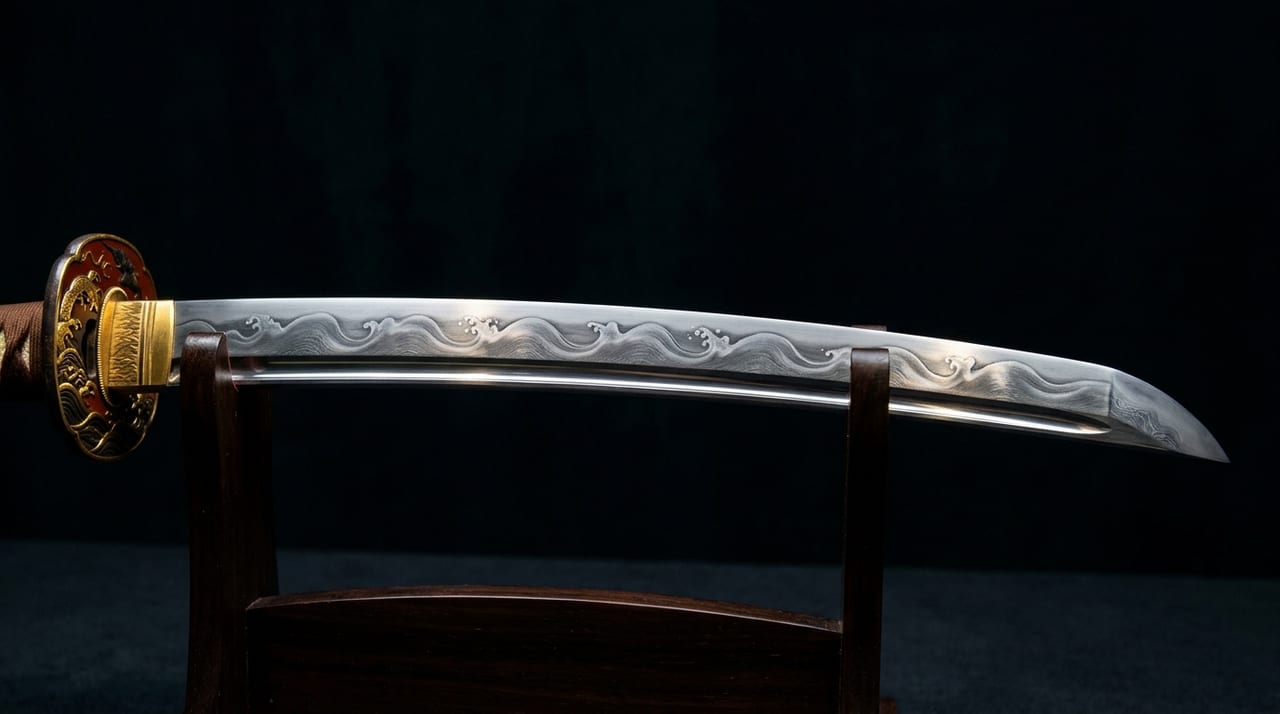 * Image is for illustrative purposes only.
Table of Contents
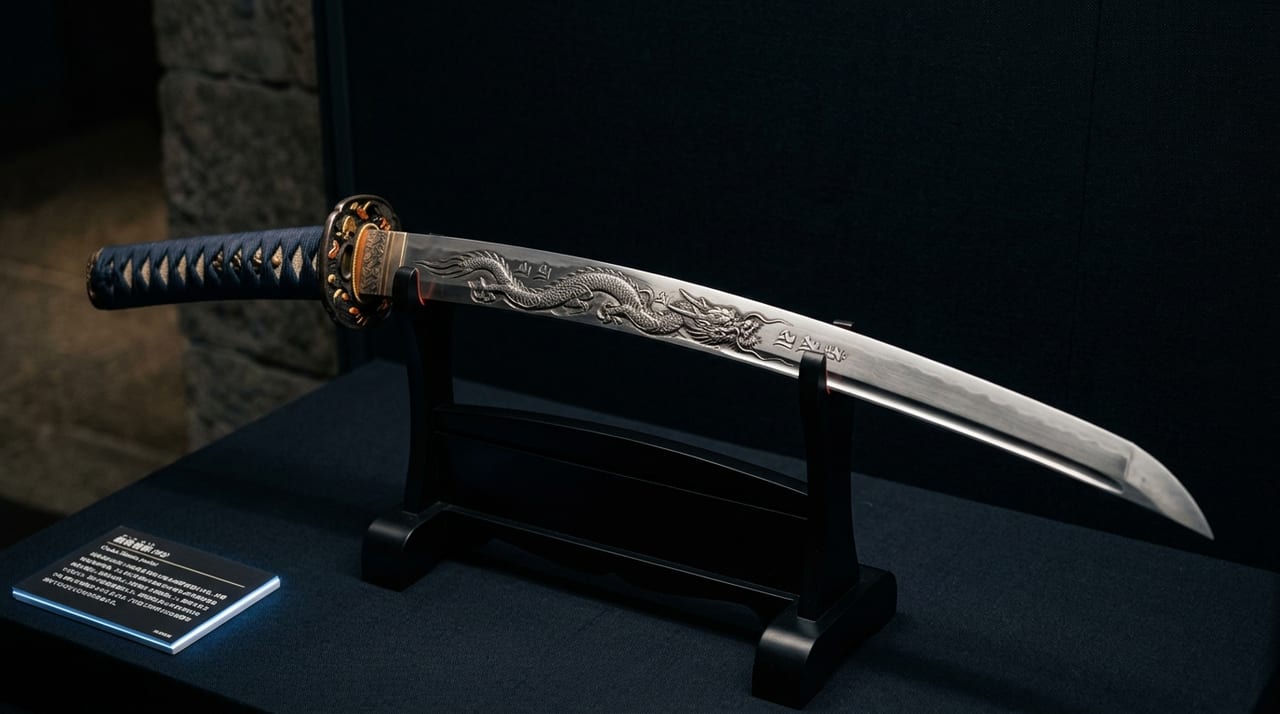
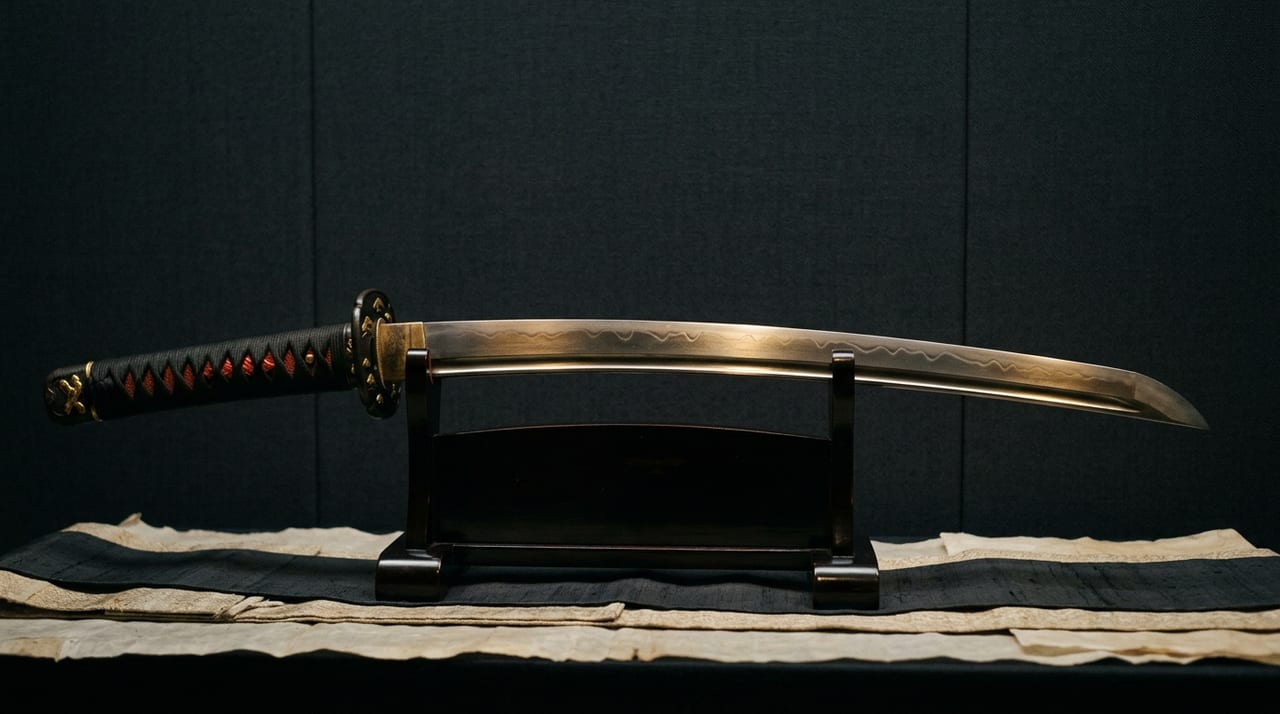
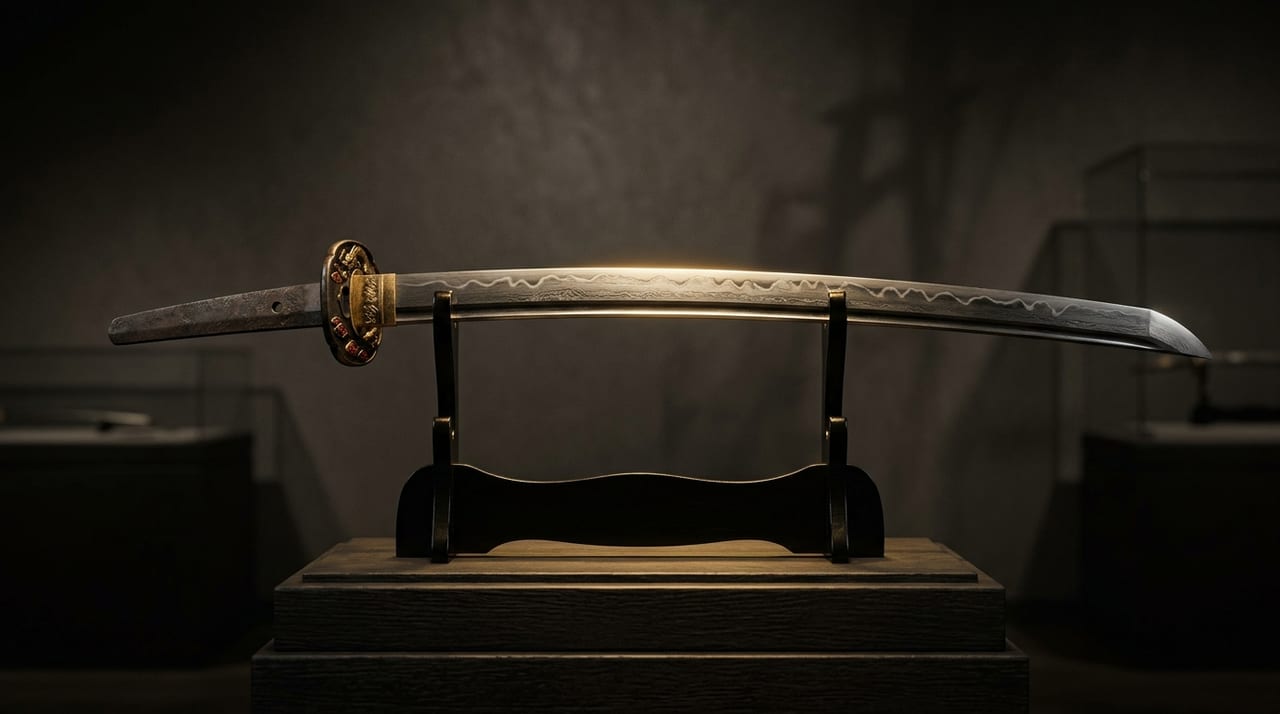
Tsuda Echizen no Kami Sukehiro was a shintō tōkō who worked in Osaka (Settsu Province) during the early Edo period. He is credited with founding the tōranba (tōranba), a hamon that suggests waves breaking and scattering into spray, and he continues to be spoken of as one of the foremost masters of the shintō era among sword enthusiasts today. This article organizes the two defining characteristics of Sukehiro's style — his tōranba and his jigane — and offers a framework for looking at his blades.
Who Was Sukehiro?
Sukehiro was a tōkō who worked in Osaka, and his mei includes the court title "Echizen no Kami," making "Tsuda Echizen no Kami Sukehiro" his well-known signature. Among Osaka tōkō, he is frequently discussed alongside Inoue Shinkai, the other great name of Osaka Shintō; their respective positions are addressed in The Two Pillars of Osaka Shintō — The World of Sukehiro and Shinkai.
A research volume on Sukehiro also exists: Iida Kazuo's Echizen no Kami Sukehiro Taikan (1980). The fact that a dedicated monograph was compiled for a single tōkō speaks to the sustained attention he has received as both a subject of scholarship and a focus of collecting.
What Is the Tōranba?
What definitively established Sukehiro's name is the tōranba (also written tōranba) — a distinctive hamon. The exhibition overview of the Japanese Sword Museum describes how Sukehiro of Osaka founded this innovative hamon called "tōran," establishing a flamboyant style distinguished by the beauty of the jigane and the brilliance of the nioiguchi (source: https://www.museum.or.jp/event/127499).
The tōranba is characterized by rounded forms of the hamon flowing in succession, evoking the crests of waves rolling in and breaking. It has also been explained that under incandescent light, rounded dot-like shapes become visible. In general, it differs visually from a straight suguha or the angular gunome, and what stays with the viewer is the bold swell of the hamon — like waves rising high and surging.
Points of Interest
- The roundness of the hamon and the rhythm of its flowing succession
- The brightness and clarity of the nioiguchi that traces the edge of the temper line
- The dynamic scenery created by the variation in the hamon's rise and fall
Understanding the difference between nie and nioi in the hamon will deepen the experience of appreciation. The fundamentals are summarized in How to Distinguish Nie and Nioi — The Science of the Hamon.
The Beauty of the Jigane
What underpins the brilliance of the tōranba is a clear jigane. An article examining a blade with the mei "Tsuda Echizen no Kami Sukehiro" describes the jihada as ko-itame (source: https://intojapanwaraku.com/rock/culture-rock/1952/). However, since this commentary does not specify a generation — first, second, or third — it cannot be stated with certainty that this applies to every example.
The fine-grained ko-itame sets off a tōranba with a bright nioiguchi to striking effect. The reason Sukehiro's reputation does not stop at "a maker defined solely by his hamon" is said to lie precisely in this pairing of jigane and hamon.
Changes in the Hamon Seen Across His Work
Among wakizashi bearing the mei "Tsuda Echizen no Kami Sukehiro," there is an example dated the 2nd month of Kanbun 10. Exhibition coverage describes this work as an example that illustrates the process leading toward the completion of the tōran-midare (source: https://san-tatsu.jp/pressrelease/494941/).
In other words, the tōranba was not perfected all at once but was refined over time. Even among blades sharing the same mei, the hamon looks subtly different depending on when they were made. Comparing multiple examples and reading those differences is itself one of the pleasures of appreciating Sukehiro.
His Position Within Shintō
Shintō is the collective term for swords made after the beginning of the Edo period — an era in which well-ordered sugata and jigane were achieved and flamboyant hamon were prized. For an overview of shintō as a whole, The Morphological Characteristics of Edo Shintō Blades is a useful reference. Sukehiro's tōranba can be said to be one of the hamon that best expresses the flamboyant aesthetic sensibility of the shintō era.
Checklist for Looking at a Sukehiro Blade
- Confirm the calligraphic style and content of the mei (forms such as "Tsuda Echizen no Kami Sukehiro")
- Examine the hamon and verify the flowing succession of its rounded forms and the variation in their rise and fall
- Hold the blade to the light and observe the brightness of the nioiguchi and the fineness of the jigane
- Keep in mind that even blades sharing the same mei will differ in sugata and hamon depending on when they were made
Sukehiro's works command considerable popularity, and it is said that the judgment of authenticity of the mei and the identification of generation require an expert eye. When purchasing or appraising a blade, confirming the type and content of the kanteisho is fundamental. For the types of kanteisho, see Types of Sword Kanteisho and Their Reliability — NBTHK, NTHK, and Beyond.
Summary
Tsuda Echizen no Kami Sukehiro was a master of Osaka Shintō known for his wave-like tōranba hamon and his clear ko-itame jigane. The tōranba is said to have moved toward completion over time, and comparing the differences across individual examples is one of the pleasures the maker offers. Blades currently listed for sale can be browsed in the online catalog (Sword Catalog).