The Anglo-Satsuma War (1863) and Sword Culture — The Namamugi Incident as Japan's Turning Point from Blades to Cannons
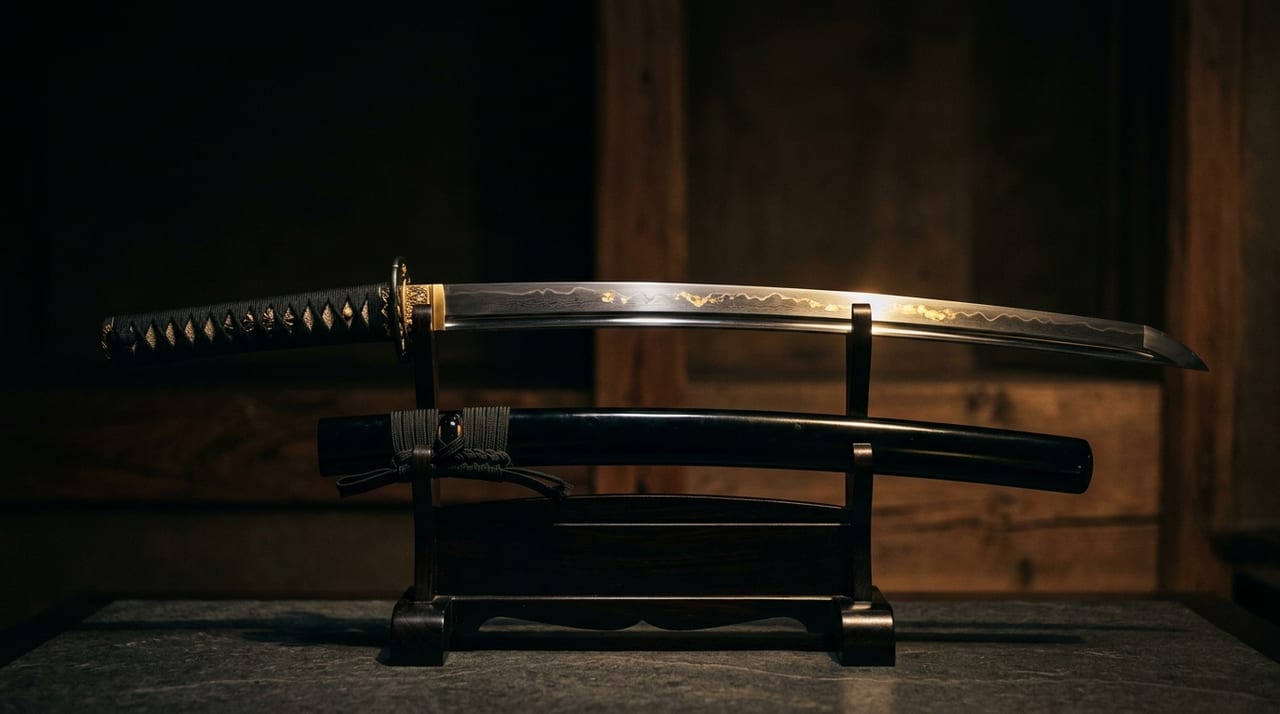 * Image is for illustrative purposes only.
Table of Contents
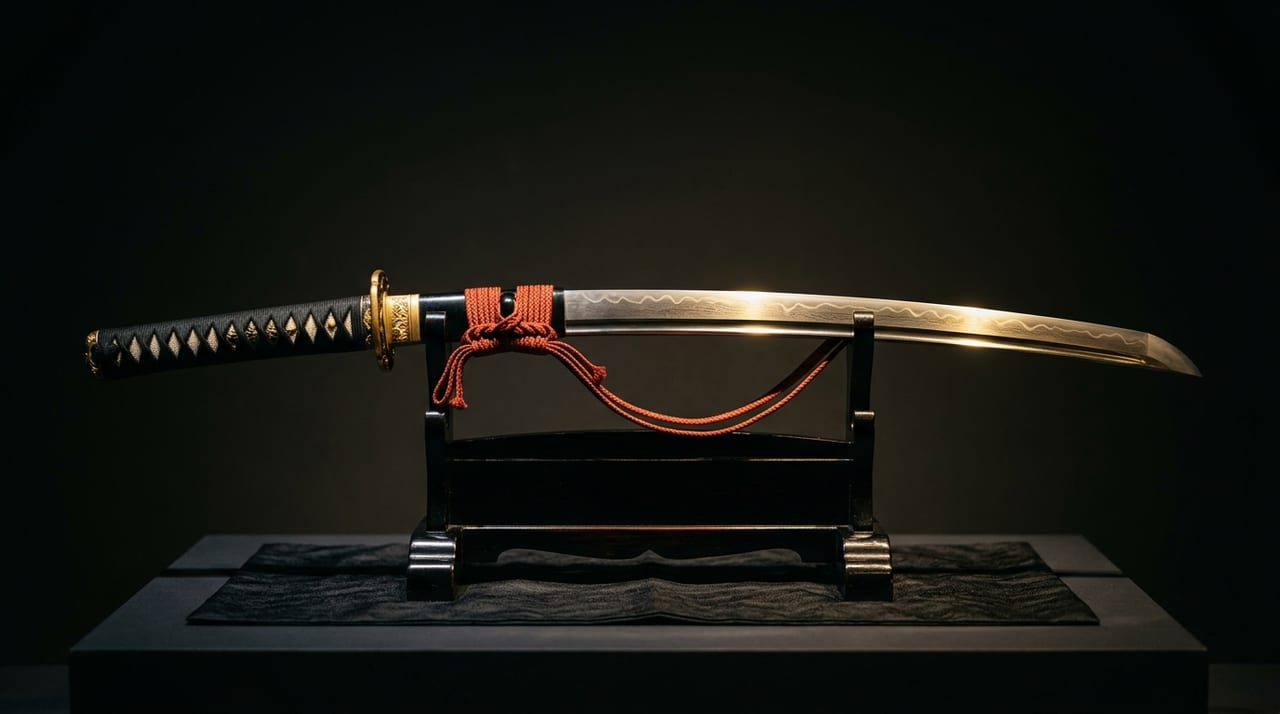
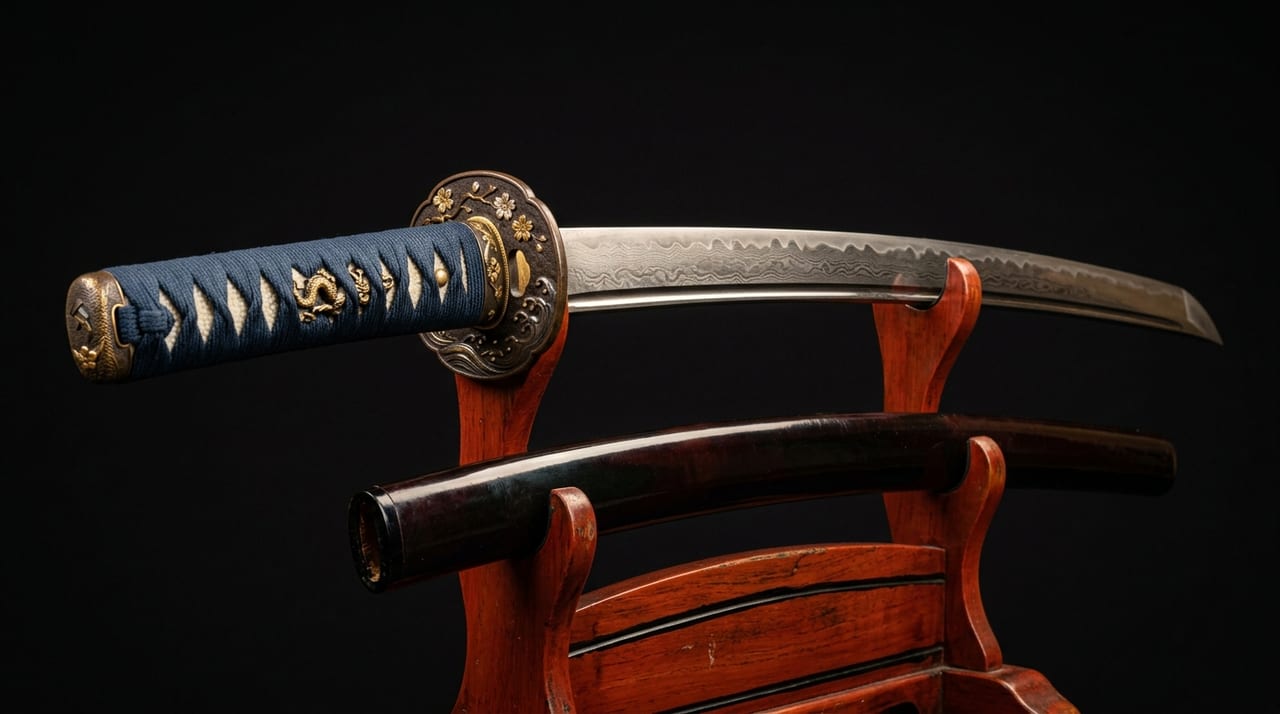
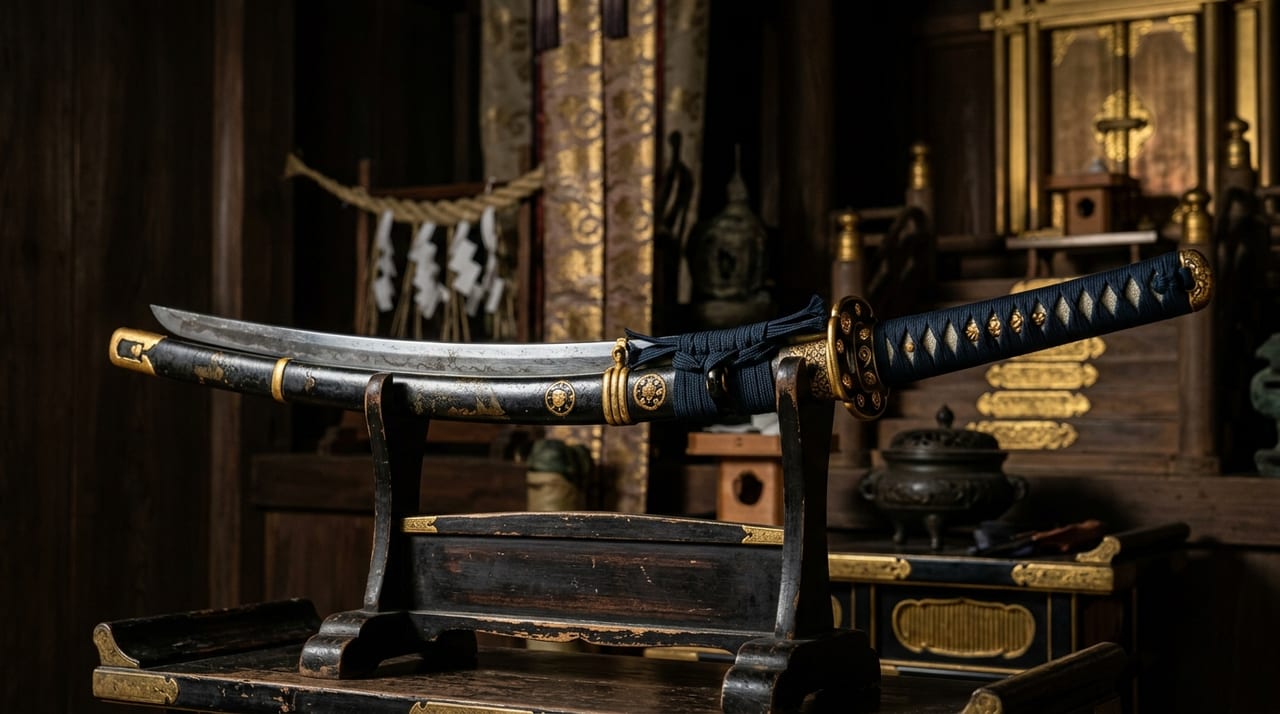
In late Edo Japan, the sword remained the soul of the samurai, continuing to symbolize rank and honor. However, the Satsuma-British War that erupted in 1863 (Bunkyū 3) was an event that confronted the Satsuma Domain with the reality that traditional weapons like swords alone could not counter modern Western military power. This battle, wavering between sword and cannon, tradition and modernization, is positioned as one of the important turning points in understanding the history of the Japanese sword.
From the Namamugi Incident to the Satsuma-British War
The origin of the matter was the Namamugi Incident that occurred in 1862 (Bunkyū 2). Charles Richardson, a British merchant who approached the procession of Shimazu Hisamitsu, the father of the Satsuma Domain lord, while on horseback, was killed and wounded by Satsuma samurai who were protecting the procession. The British side demanded responsibility from the Satsuma Domain for this incident, but the Satsuma Domain refused to apologize or pay compensation. Negotiations broke down, and in 1863, a British naval fleet came to Kagoshima Bay to demand compensation. This escalation became the direct cause of the military conflict known as the Satsuma-British War.
Bombardment in Kagoshima Bay - A battle where cannons, not swords, played the leading role
The actual nature of the Satsuma-British War was not hand-to-hand combat with swords, but a modern bombardment by naval guns and coastal gun batteries. After the British fleet entered Kagoshima Bay and seized the Satsuma Domain's official vessels, combat began, and the Satsuma Domain's gun batteries and British fleet exchanged fire with each other. Due to the influence of a typhoon at the time, British operations faced extreme difficulty, and it is reported that the Satsuma side inflicted a certain degree of damage, including casualties among the fleet's commanding officers. On the other hand, due to the bombardment by the British fleet, part of Kagoshima's urban area was destroyed, and it is said that damage also extended to related facilities of the Shūseikan, a modern industrial facility promoted by the domain. In this battle, there is almost no evidence that Japanese swords were used as direct main weapons, and it is necessary to correctly understand that this was a battle in which modern weapons like cannons clashed with each other when discussing the history of swords.
Satsuma Warriors and Swords - The Spiritual Culture of Jigen-ryū
Although the Satsuma-British War itself was a naval gun battle, for Satsuma samurai of that time, swords continued to be at the core of their pride and spirituality as warriors. The Jigen-ryū school of swordsmanship was deeply rooted in Satsuma from ancient times, and its spirit of striking with one blow to kill is known to symbolize the very character of Satsuma warriors during the late Edo period. Even under the tension of the Satsuma-British War, it is thought that the samurai wore swords at their waist and were in a state of readiness where a shift to hand-to-hand combat would not be surprising. Satsuma was also a land that had nurtured a unique lineage of sword smiths in South Kyushu, and it is not difficult to imagine that such sword culture and the spirituality of swordsmanship supported the fighting spirit and self-identity of the samurai. At the same time, given that actual combat was limited to naval gun battles, it is honest to understand that the role played by swords was only symbolic and spiritual in nature.
Post-War Transformation - A Prelude to the Transition from Swords to Modern Weaponry
After the Satsuma-British War, the Satsuma Domain proceeded with the following transformation in its relationship with Britain.
- While paying compensation, they chose to rapidly draw closer and instead build friendly relations
- Having witnessed the power of modern weapons on the British side, they made a major shift from exclusionism to opening the country and modernization
- They purchased warships and weapons from Britain
- Later, they sent samurai to study in Britain and made other efforts to absorb Western military technology and knowledge
This transformation is said to have been one of the foundations for the Satsuma Domain playing a leading role in the movement to overthrow the shogunate and the Meiji Restoration. This war, in which a samurai society that valued traditional swords learned firsthand the overwhelming power of modern weapons, can be said to be an event that anticipated the changes in armament that would lead to the later Sword Abolishment Edict. In the same period, other domains also advanced the adoption of Western-style artillery and modern military systems with the rising consciousness of coastal defense following the arrival of the black ships, but in the case of the Satsuma Domain, having experienced the direct experience of its own coastline being exposed to naval bombardment, it is thought that they came to feel the necessity of modernization as a more pressing reality.
The Meaning of the Satsuma-British War in Sword Culture
The Satsuma-British War may appear to be an inconspicuous event in terms of direct use of the Japanese sword itself. However, as an experience in which the samurai society that embodied traditional weapons and spirituality faced modern Western military power head-on for the first time, it holds a significance that cannot be overlooked when understanding the history of the Japanese sword. Following this battle, various domains including Satsuma accelerated the modernization of their armaments, and swords gradually retreated from their role as the primary weapons in actual combat while strengthening their meaning as symbols of spiritual culture and status. The Satsuma-British War should be remembered as a symbolic scene when considering the changes in the positioning of swords during the turbulent late Edo period, and it serves as one of the keys to understanding the process by which the sword shifted its center of gravity from actual combat weapon to symbol of spiritual culture.
At TOUKENZA, we publish online explanatory columns about sword culture related to this late Edo period. We hope you will deepen your understanding of sword culture through these columns along with the swords currently on display.