The Enju School — Tracing the Lineage of the Rai School Rooted in Higo and the Current of Yamashiro-den That Reached Kyushu
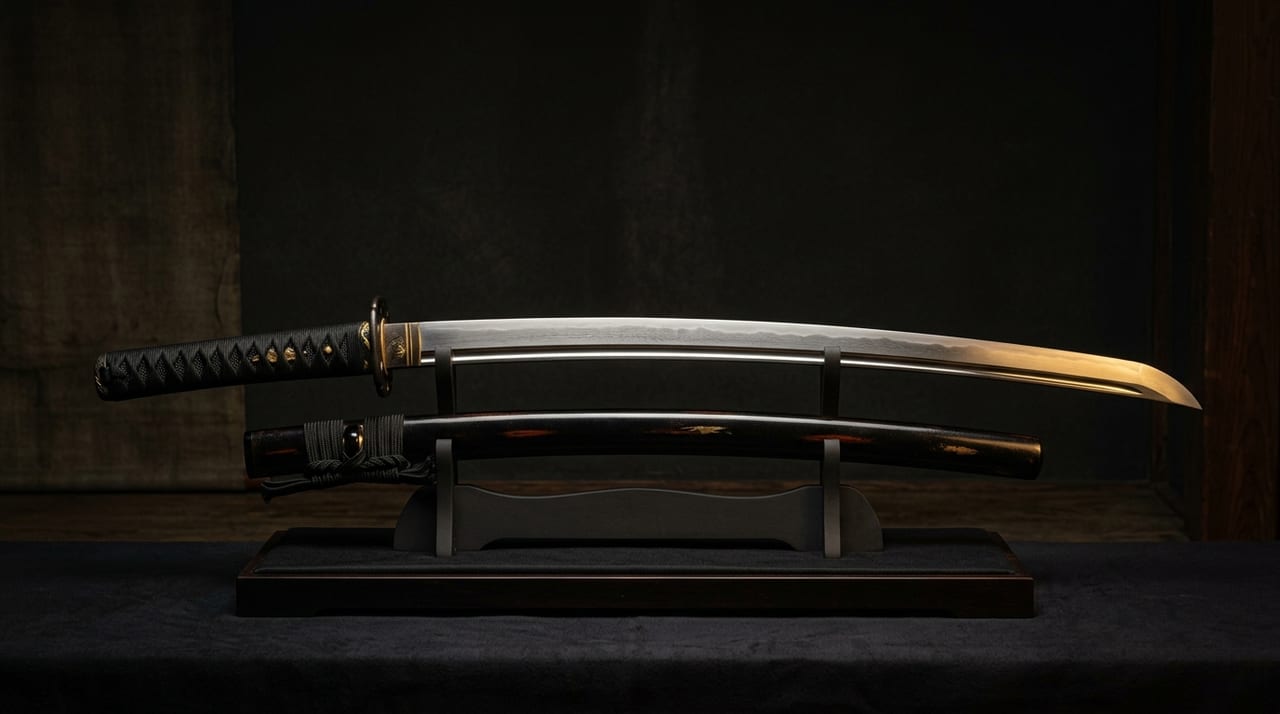 * Image is for illustrative purposes only.
Table of Contents
The Techniques of the Rai School Rooted in Kyushu
The Enju School (Enjuha) was a group of tōkō based in Higo Province (present-day Kumamoto Prefecture). It is said to have flourished from the late Kamakura period through the Nanbokuchō period, and is known as a school that inherited the tradition of the Rai School (Raiha), which had enjoyed great renown in Kyoto.
The lineage in which the techniques of the Rai School — the embodiment of Yamashiro-den — took root in the distant land of Kyushu is a fine example of the history in which tōkō traveled from region to region and spread their traditions. When considering the spread of Yamashiro-den in Kyushu, the Enju School is an indispensable presence.
Understanding the Parent School, the Rai School — A Prestigious House that Symbolizes Yamashiro-den
The shortest path to understanding the Enju School is first to grasp its source, the Rai School. The Rai School was a school of tōkō that arose in Kyoto from the mid-Kamakura period onward, and it is now the established view that Rai Kuniyuki was its effective founder. Its hallmarks are a bright, finely packed jigane and a hamon centered on a dignified suguha, and it is counted among the most representative schools of Yamashiro-den. Generations of tōkō bearing the single character "Rai" in their names carried on the tradition, and their work has long been treasured by samurai families and sword connoisseurs alike. The story of the Enju School begins where this renowned Kyoto school's style crossed to Kyushu as if sailing over the sea.
A School Nurtured by the Land of Kikuchi
The Enju School is said to have established its base in the district of Kikuchi in northern Higo. Kikuchi was the stronghold of the Kikuchi clan, who fought on the side of the Southern Court during the Nanbokuchō period, and it is thought that the craft of swordmaking developed there supported by demand from warrior families. The founder, Kunimura, is said to have had ties to the Rai School, and thereafter tōkō bearing the character "Kuni" in their names succeeded one another generation after generation. The techniques of Kyoto taking root at the feet of a regional warrior band and carving their own path while meeting actual demand — the history of the Enju School distills the movement of sword culture that linked the center and the provinces.
The Dignified Style Inherited from the Rai School
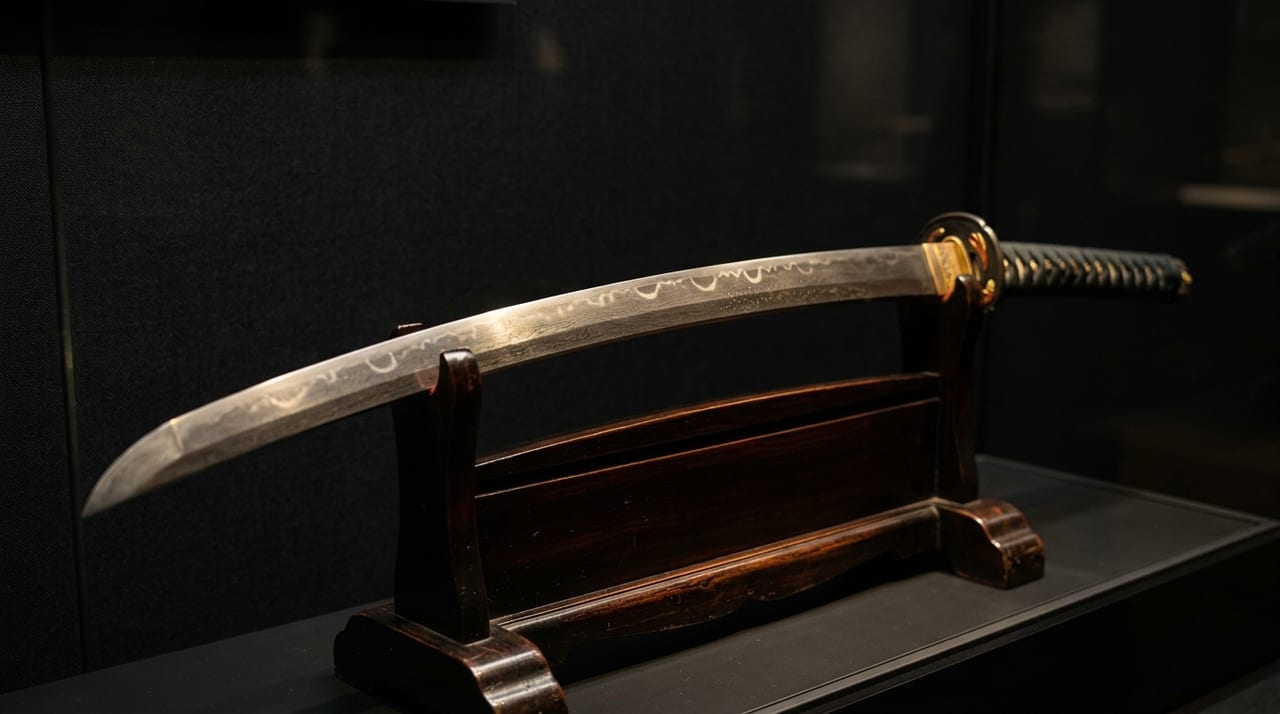
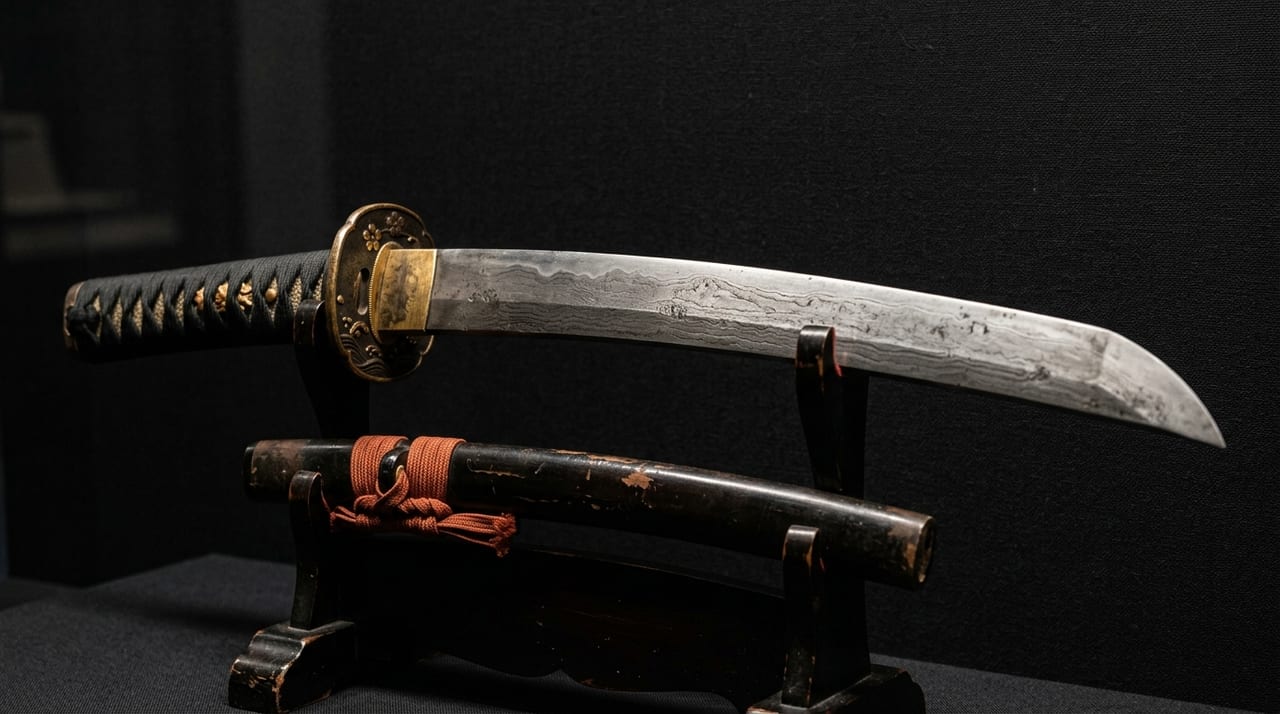
The style of the Enju School is said to be characterized by a brilliant jigane connected to the Rai School and a dignified hamon based on suguha. The jigane features a finely packed ko-itame that is beautiful, and the hamon is frequently a gentle variety — a fine suguha, or suguha interspersed with small irregularities.
The coexistence of the refinement of Kyoto work and the quiet composure distinctive of provincial swords is precisely the great appeal of the Enju School. From a style that prizes an elegant beauty in which the jigane and the hamon harmonize, rather than competing for flamboyance, the bloodline of the Rai School can be unmistakably sensed.
Its Position in the Sword History of Kyushu
Tōkō flourished in many parts of Kyushu — including Chikuzen, Satsuma, and Bungo — but among them, the Enju School stands out as a school that carried the current of Yamashiro-den to the land of Higo. The fact that the style of this prestigious Kyoto school reached as far as Kyushu tells of the range of movement and the breadth of technical transmission among the tōkō of the time.
Knowing the Enju School will serve as a thread for understanding the diversity of Kyushu's sword culture and the reach of the great current that was the Rai School.
Focal Points for Appreciation
When appreciating a work of the Enju School, one first wants to direct one's eye to the beautifully packed jigane and the dignified suguha-style hamon. By viewing them alongside works of the parent Rai School, the particular character the Rai School lineage took on as it was transmitted to Kyushu comes into relief. Savoring them from the perspective of "Kyoto work transmitted to the provinces" will make appreciation all the more rewarding.
How to Distinguish Them from the Rai School
In the world of appraisal, works of the Enju School are said to closely resemble those of the parent Rai School, and distinguishing the two has long been considered a touchstone for testing one's appraiser's eye. In general, it is said that the Enju School tends to have jigane with a somewhat darker, blacker tinge compared to the Rai School, and the bōshi (the hamon in the kissaki) tends toward yakitsume. That said, individual variation is considerable, and these are no more than rough guidelines. Indeed, the very fact that such works are described as being "of a quality that can be mistaken for Kyoto work" speaks more eloquently than anything else to the high level of skill of the Enju School. Those wishing to sort out the differences in jigane among each of the Gokaden will also find the article comparing the jigane of the Gokaden useful.
Changes Brought about by the Nanbokuchō Period
The period from the late Kamakura era through the Nanbokuchō period, during which the Enju School was active, was also an era when the very form of the sword was changing against the backdrop of expanding battles. In the Nanbokuchō period, large works with wide mihaba came to be favored throughout the country, and the tōkō of Kyushu could not remain untouched by this current. When one looks afresh at works of the Enju School through the lens of period, a new axis of appreciation comes into view: how did the gentle style inherited from Kyoto and the tastes of the age blend together?
Mini-Glossary of Terms
- Yamashiro-den: A collective term for the style associated with Kyoto (Yamashiro Province). One of the Gokaden, characterized by dense jigane and a dignified hamon with a suguha tendency.
- suguha: A hamon that runs nearly straight. In contrast to the flamboyant midareba, its appeal lies in a quality of quiet dignity.
- ko-itame: A finely packed itame within the grain patterns of the jigane. The more tightly packed it is, the smoother and more beautiful the jihada becomes.
- bōshi: The hamon that appears inside the kissaki. It readily reveals the characteristics of a school or individual tōkō, and is an important focal point for appraisal.
Those with an interest in the lineages of the Enju School and the Rai School are welcome to view the listed works online and to make purchases. Please feel free to send any questions through the inquiry form.