Touken Ranbu and the Nihontō Boom — A New Fan Base Born from a Game
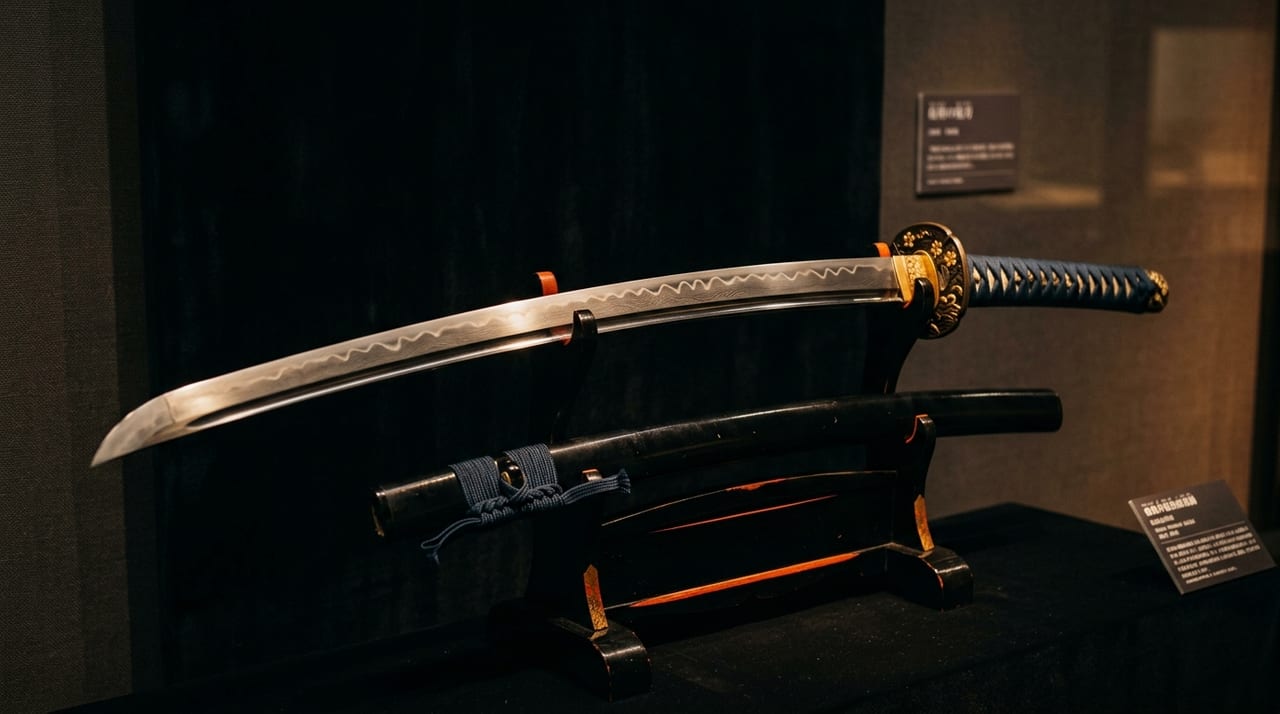
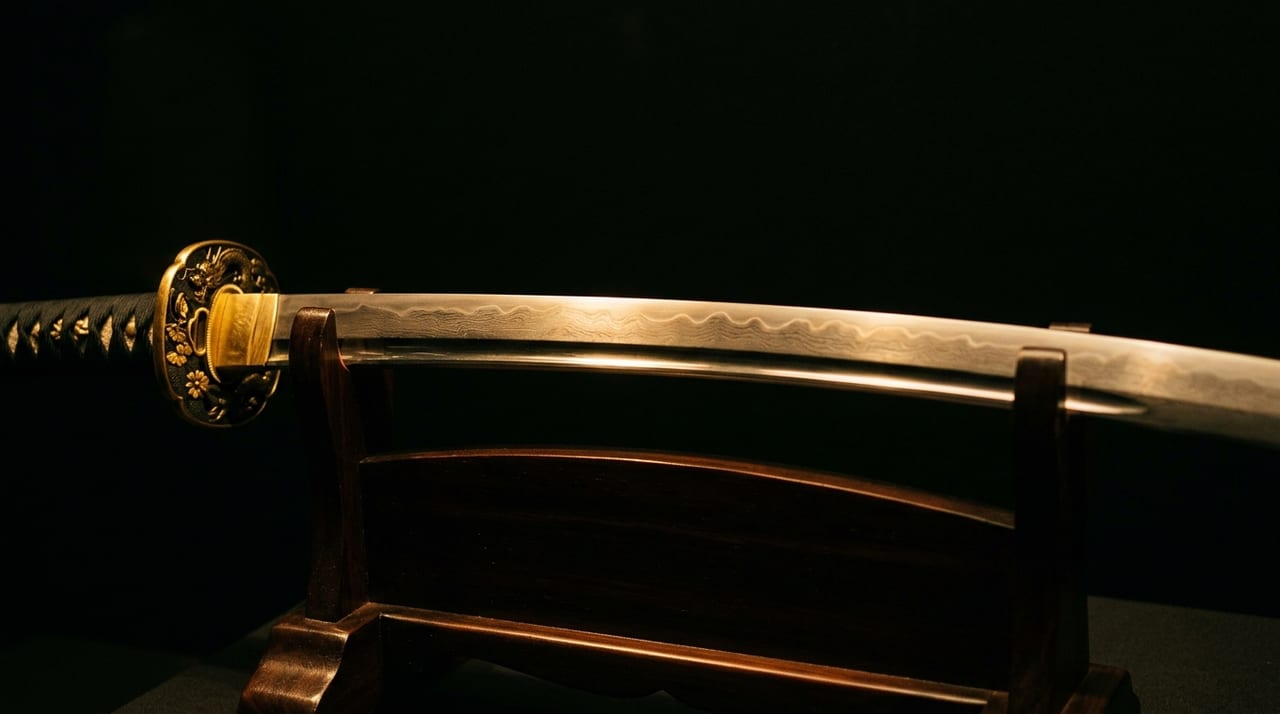
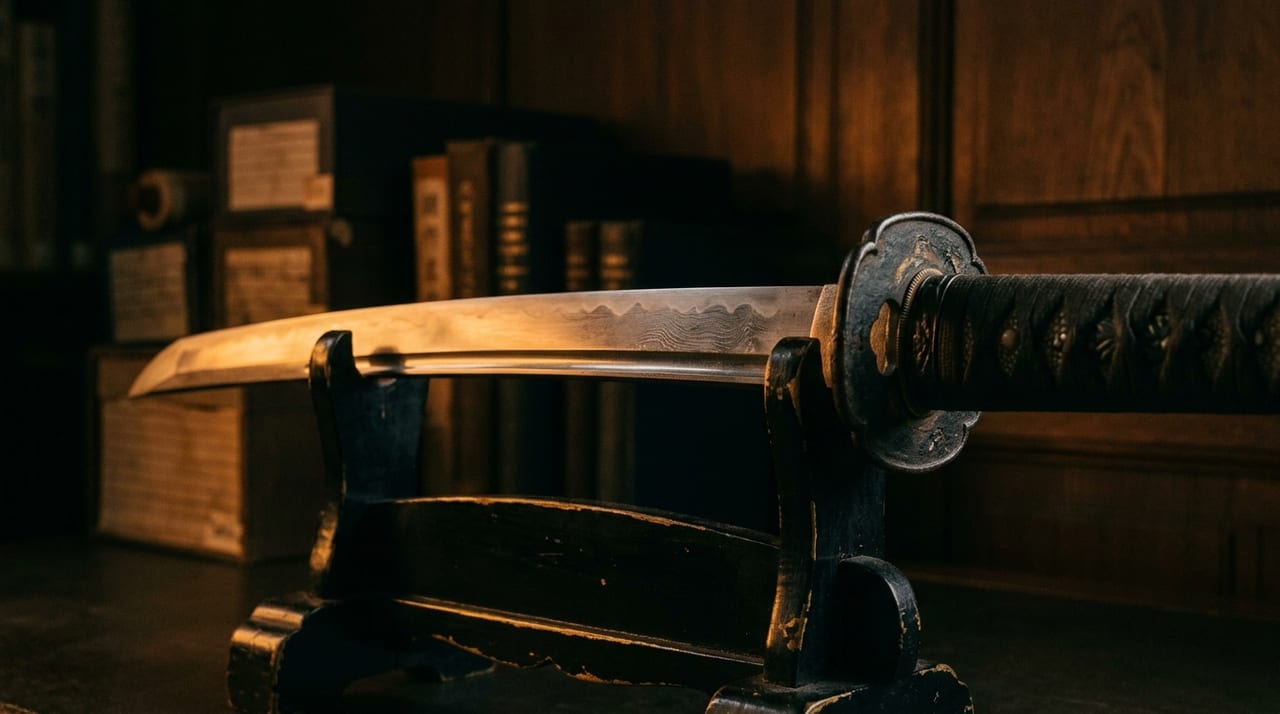
 * Image is for illustrative purposes only.
Table of Contents
The Social Phenomenon Brought About by Touken Ranbu
The browser game "Touken Ranbu -ONLINE-," which launched in 2015, brought revolutionary change to the world of nihontō and greatly expanded traditional sword culture. The emergence of the new fan base it generated has become a social phenomenon rippling out to the sword industry, museums, and academic fields.
What Is Touken Ranbu — How the Game Works and Its Historical Background
Touken Ranbu is a browser game in which famous swords that existed in Japanese history are personified as handsome "tōken danshi" (sword warriors). Players take on the role called "saniwa," collecting and raising famous swords as characters and sending them out on various missions. The tōken danshi who appear are based on historically real famous swords, and many celebrated works from the history of nihontō appear, including Mikazuki Munechika, Tsurumaru Kuninaga, and Shokudaikiri Mitsutada.
Within the game, the historical background and episodes of each sword are carefully depicted, and players naturally acquire knowledge about nihontō. Swords favored by Tokugawa Ieyasu and those owned by Sengoku warlords also appear as characters, with historical anecdotes turned into game content. There is also a system called "maintenance" for recovering injured tōken danshi, which evokes the polishing and preservation that real swords have undergone, and the game is structured so that a natural sense of swords as "things to be treated with care" develops through play.
Touken Ranbu has also expanded into a wide range of media mix formats including stage plays, musicals, and anime, broadening its fan base to those who do not play the browser game. The increase in people who, through these developments, have taken an interest in the actual swords that inspired the tōken danshi is also one of the factors behind the formation of the new fan base known as tōken joshi.
The Birth of Tōken Joshi and the Increase in Museum Visitors
The greatest change brought about by Touken Ranbu was the birth of a new fan base centered on young women. Previously, interest in nihontō had been concentrated among middle-aged and older men, but with the game's arrival, women in particular — especially those in their teens to thirties — began taking an interest in nihontō in large numbers. This fan base came to be called "tōken joshi" and grew into a social phenomenon.
The tōken joshi did not merely play the game — they also visited actual museums to view the real swords that appeared in it. When a special sword exhibition held at the Kyoto National Museum displayed actual swords from the game, it recorded visitor numbers that broke all previous records. Lines stretched for several hours at times, with crowds so large that queues formed just to purchase tickets.
Sword exhibitions at major museums across the country — including the Sendai City Museum, the Tokugawa Art Museum, and the Tokyo National Museum — all saw visitor numbers increase significantly. Many museums also made an effort to further draw the interest of game fans by adding labels such as "a sword that appears in Touken Ranbu."
If you are viewing swords at a museum for the first time, it is reassuring to check the following points in advance.
- Whether there is a rotation of exhibits during the exhibition period, and when the sword you are looking for will be on public display
- Whether the date and time you plan to visit is expected to be crowded, and whether there is a time limit on stopping to view the exhibits
- Which aspect of the sword you want to focus on: sugata, jigane (steel of the blade surface), or hamon (temper line)
Popular swords are sometimes on public display for only part of the exhibition period, and the sword you are looking for is not necessarily on permanent display. Deciding in advance what you want to look at will increase your satisfaction even within a limited viewing time.
Impact on the Sword Market and Academic Research
The impact of Touken Ranbu is not limited to increased visitor numbers. Demand for works by tōkō who appear in the game increased, and market prices also shifted. Works by renowned tōkō such as Sanjō Munechika, Awataguchi Yoshimitsu, and Osafune Mitsutada saw their market prices rise in proportion to their popularity within the game.
Another important impact generated by Touken Ranbu is the rise in academic interest in nihontō and Japanese history among younger generations. Among those who became interested in nihontō through the game, demand to learn the historical background emerged, and demand for books and academic papers on swords also increased.
When you begin to study swords themselves through Touken Ranbu as a starting point, the basic aspects to understand first are "era," "tōkō (maker)," "sugata," "jigane," and "hamon." Even among works by the same tōkō, the sugata and the expression of the hamon differ from one sword to the next, and the depth of sori and tendencies in mihaba also vary by era. For the sword that serves as the basis for a tōken danshi in the game, researching which era it belongs to and which tōkō made it is the first step toward understanding the real object.
TOUKENZA's Approach
We at TOUKENZA want to convey the true appeal of real swords to those who have become interested in nihontō through the game. The game certainly plays a wonderful role as an entry point, but appreciating actual swords and playing the game are different things. At our shop, we provide detailed explanations of the tōkō who appear in the game and descriptions of their historical background for Touken Ranbu fans, and we have also developed thorough guidance for those new to swords.
For a sword that comes with an NBTHK kanteisho (appraisal certificate), you can review the assessment by a specialist organization regarding the tōkō and era before making a decision. When someone who has become familiar with tōken danshi through the game confronts a real sword supported by the objective backing of a kanteisho, they are sure to notice the intrinsic beauty of each sword's sugata, jigane, and hamon — a beauty distinct from the appeal of a character.
Guidance for First-Time Visitors
- Please feel free to ask about the tōkō and era behind any tōken danshi that interests you
- We will explain the contents recorded in the kanteisho — what they mean and how to read them — one by one
- We also provide individual guidance on the basics of how to hold and store a sword
Even for those encountering a real sword for the very first time, we strive to ensure they can safely discover the appeal of the genuine article while cherishing the interest in swords they have cultivated through the game.