What to Know Before Consulting a Togishi — Utsuri, Costs, How to Choose, and the History a Sword Tells
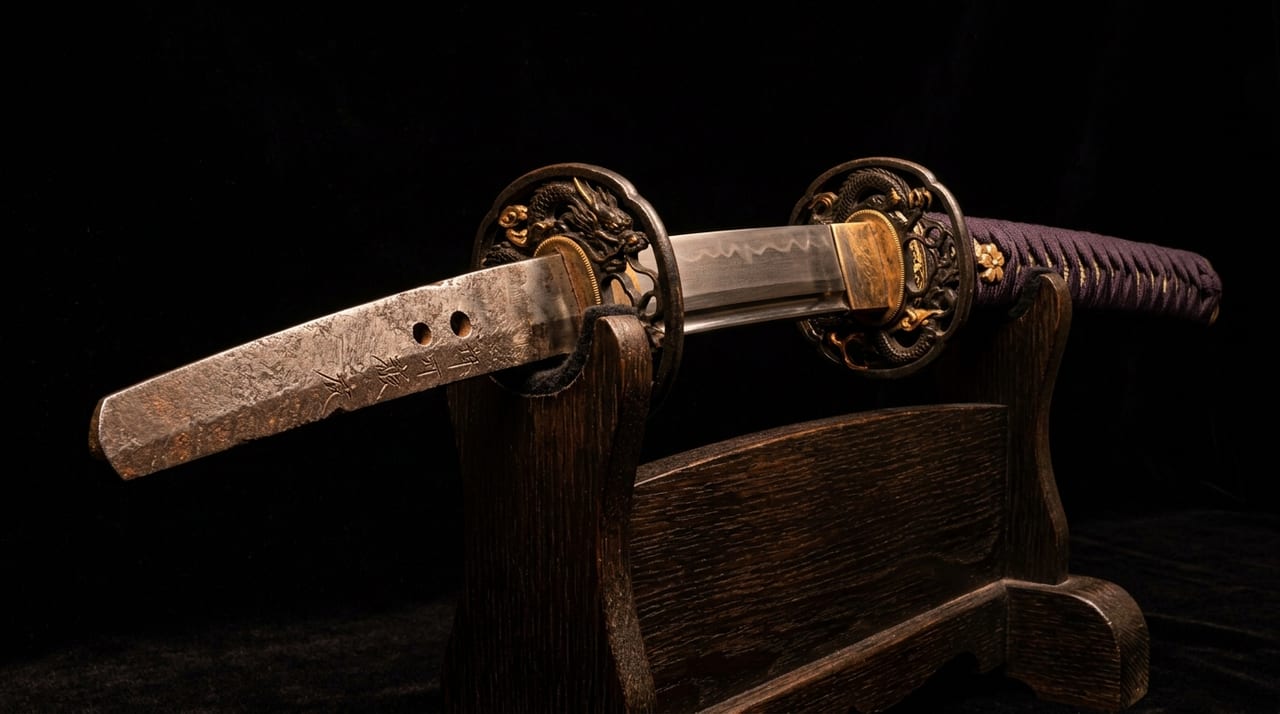 * Image is for illustrative purposes only.
Table of Contents
The Togishi — An Artist Who Awakens the Beauty of a Sword
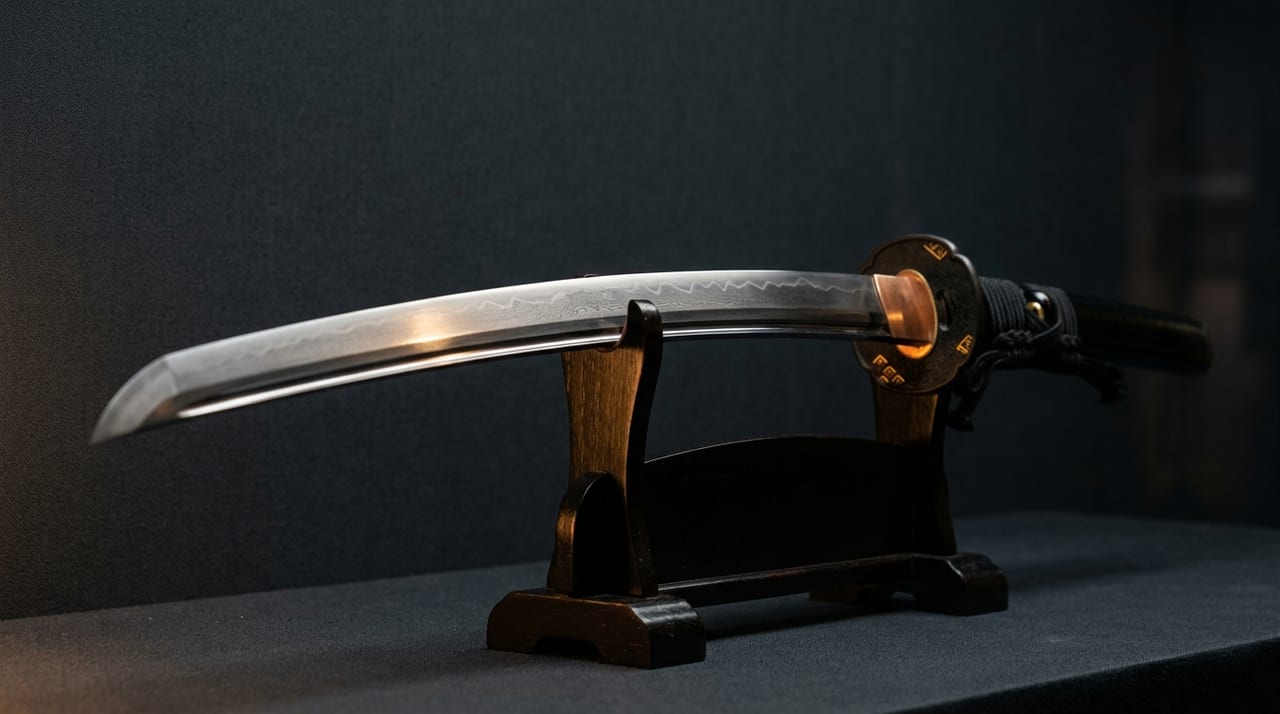
The polishing of Japanese swords is an extraordinarily refined and profound art carried out by specialized craftsmen called togishi (polishers). A togishi is not merely someone who "shines" a sword; they are artists who draw out the beauty dormant in the blade and restore to the present day the world of beauty the tōkō (swordsmith) intended. Togi (polishing) serves the practical function of preserving the sword while also being a critical process that greatly affects the sword's market value. In the hands of a skilled togishi, a dull jigane (steel of the blade surface) reveals a vivid hadame (surface grain), and a previously indistinct hamon (temper line) emerges bright and clear. Mastering this skill typically requires more than ten years of apprenticeship, and the number of accomplished togishi today remains extremely limited.
The Multilayered Purposes and Roles of Togi
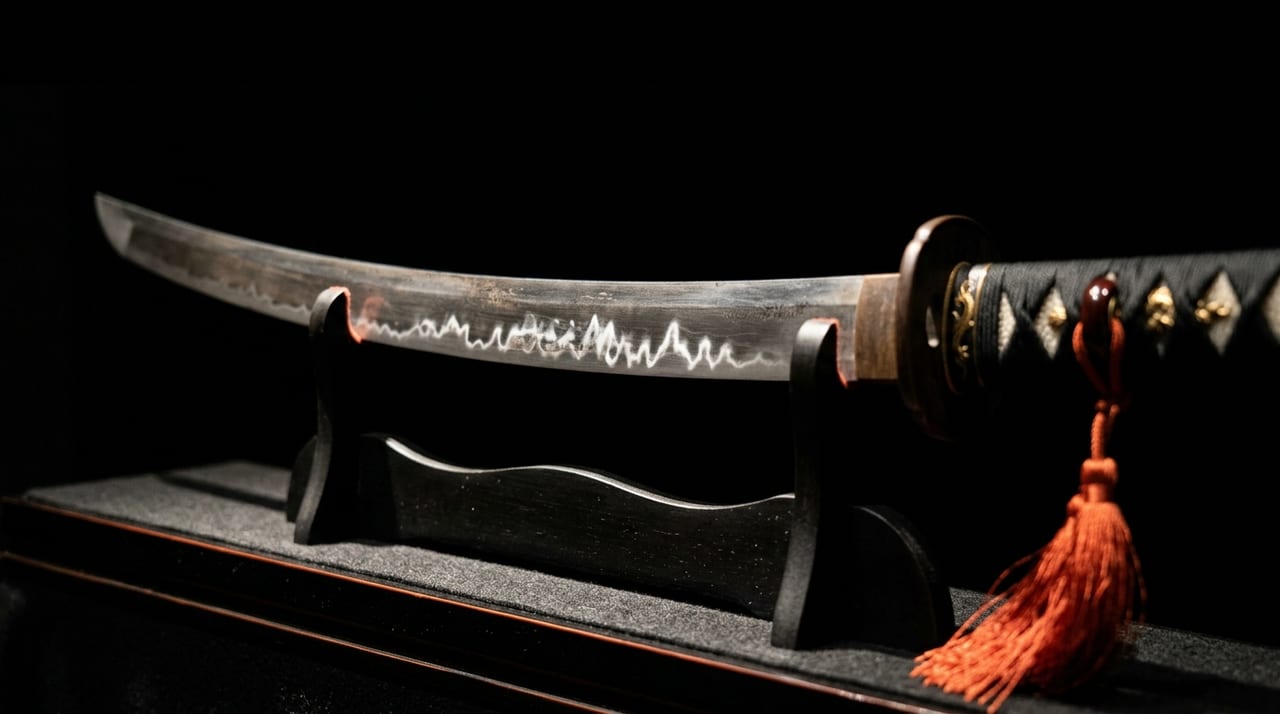
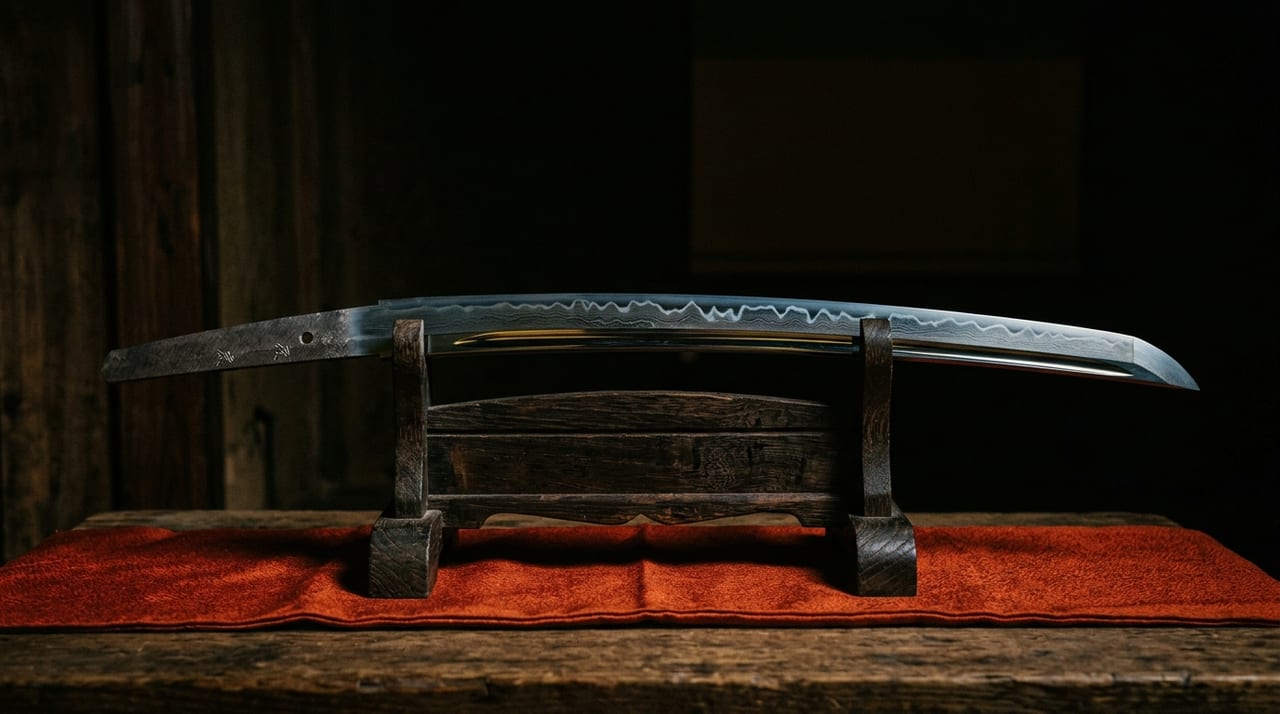
The common perception that "polishing is for restoring cutting sharpness" is, in reality, only one aspect of its purpose. The foremost purpose of togi is to draw out the full beauty of the jigane's hadame (itame, mokume, nagare-hada, and others), to bring the hamon's intricate and subtle patterns into clearer relief, and to reveal utsuri — the phenomenon of a whitish glow that appears on the jigane. Utsuri is an aesthetic phenomenon particularly prominent in Bizen-den swords and is greatly influenced by the quality of the togi. These aesthetic elements lie latent within the steel at the time of the sword's creation and manifest to the outside world only through the togi process. Togi is precisely the act of "awakening the dormant beauty of a sword," and in that sense it is an artistic endeavor of equal or greater value than the restoration of works of fine art.
Shitaji-togi — The Foundation Stage That Shapes the Sword's Form
The first stage of togi is called shitaji-togi (foundation polishing). It begins with relatively coarse whetstones such as ara-to and naka-to to shape the overall form (sugata) of the blade. This stage forms the most critical foundation of the entire togi process. The togishi first comes to understand the sword's historical background, period of manufacture, and school characteristics before determining the sugata the sword should properly have. Each era — Kamakura, Nanbokuchō, Muromachi, and Edo — has its characteristic sori (curvature), blade width, and kasane (blade thickness), and shaping the sword to the form typical of its period is the essence of shitaji-togi. While carefully correcting scratches and dents and removing rust, the togishi brings the sword progressively closer to the ideal form the tōkō intended. This process is purely technical while simultaneously demanding deep aesthetic judgment.
Shiage-togi — The Final Stage That Manifests Beauty
Once the sword's sugata has been shaped in shitaji-togi, it advances to the stage of shiage-togi (finish polishing). In this stage, specialized finish whetstones are used to draw out the full beauty of the jigane and hamon respectively. Uchigumori-to is a whetstone used in the final stage of shitaji-togi; it smooths the surface of the jigane and accentuates the scenery of its hadame. In shiage-togi, a whetstone called hazuya — made from uchigumori-to thinly worked and backed with Japanese paper — brings the hamon into sharper definition and clearly expresses the textures of nie (visible martensite crystals) and nioi (fine martensite mist). Next, a whetstone called jizuya polishes the entire jigane further, adding luster and depth to the blade. The final processes of narume and migaki (burnishing) complete the whole, bringing the blade to its finest brilliance. The selection and use of whetstones at each stage is the crystallization of the togishi's knowledge and experience, demanding delicate judgment attuned to the steel's nature, hardness, and carbon content.
The Reality of Polishing Time and Cost
The time required to polish a single sword varies greatly depending on the sword's condition, the degree of rust, the presence or absence of damage, and the desired level of finish.
- Swords in relatively good condition: typically 3 to 6 months
- Swords with significant damage or cases requiring particularly fine finishing: it is not unusual for the work to take six months to a year or more
Cost is often calculated according to the blade's nagasa (blade length) and varies widely depending on the sword's condition and level of finish.
- Togi for general preservation purposes: costs often range from over 100,000 yen to several hundred thousand yen
- Precision shiage-togi for Jūyō Tōken-class swords: costs can reach several million yen
This should be understood not as excessive expense but as a legitimate investment to maximize the sword's value and ensure its preservation for the future.
The Choice of Togishi Determines the Sword's Future
When commissioning the togi of a Japanese sword, the choice of togishi is the single most important decision affecting the sword's future value. A sword in the hands of a skilled togishi may have its dormant beauty fully awakened, with appraisal assessments improving dramatically. Conversely, togi by a togishi of insufficient skill risks over-grinding the blade, ruining the scenery of the jigane, and irreparably diminishing the sword's value. When selecting a togishi, the following points are important.
- Directly examining the togishi's past togi work
- Obtaining recommendations from sword dealers, appraisers, and museums
- Verifying the togishi's apprenticeship history and track record
Choosing a togishi through a trustworthy referral channel is the best way to protect the sword's value.
The History a Sword Tells Through Togi
Togi is not merely a maintenance task; it is also an act of deciphering the history of time through which the sword has passed. The traces of old wounds, corrosion marks from rust, and damage to the edge that appear during the togi process speak eloquently to what history the sword has survived. A skilled togishi pursues the refined balance of respecting these historical testimonies to the fullest while simultaneously drawing out the sword's beauty to its maximum. Excessive removal of historical traces diminishes the sword's value as historical testimony, while conversely over-prioritizing the pursuit of beauty can result in the loss of important information. The judgment required to maintain this balance demands, in addition to technical mastery, a deep respect for history and aesthetic insight. Togi is the bridge that connects a sword's past with its future, and the togishi is the builder of that bridge.