Shinsengumi and Swords — Famous Blades Beloved by the Swordsmen of the Bakumatsu Period
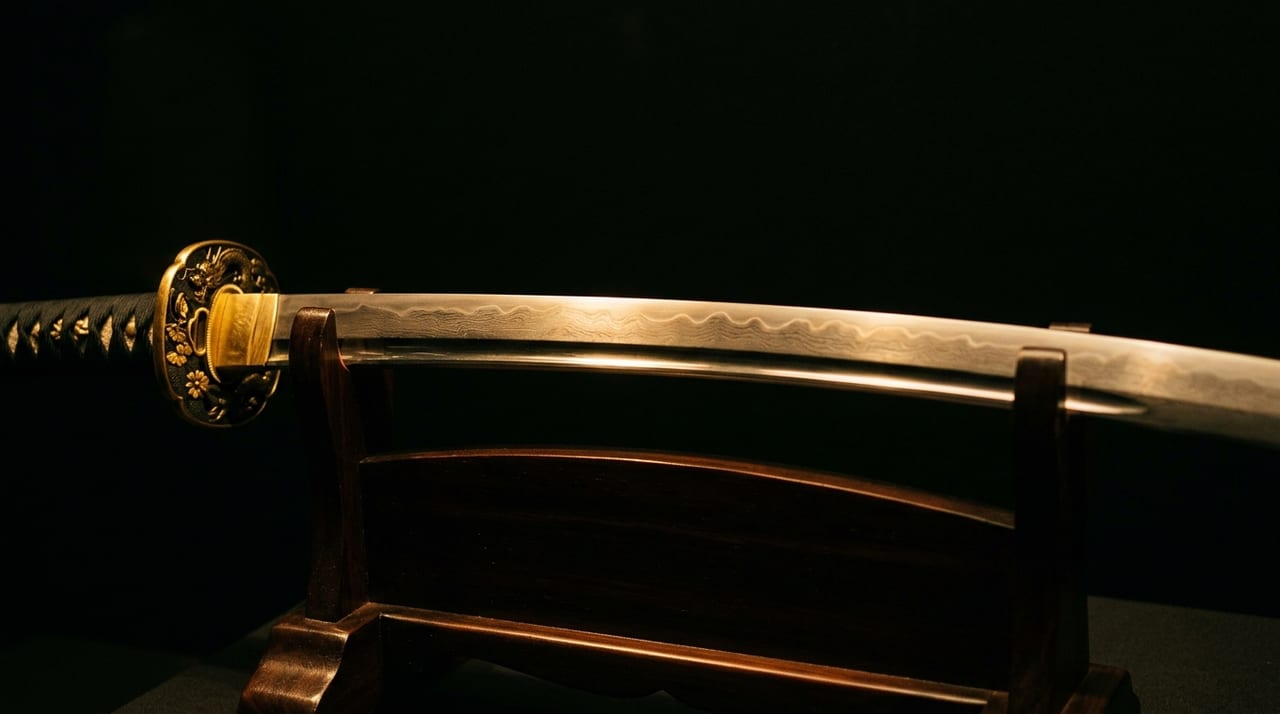
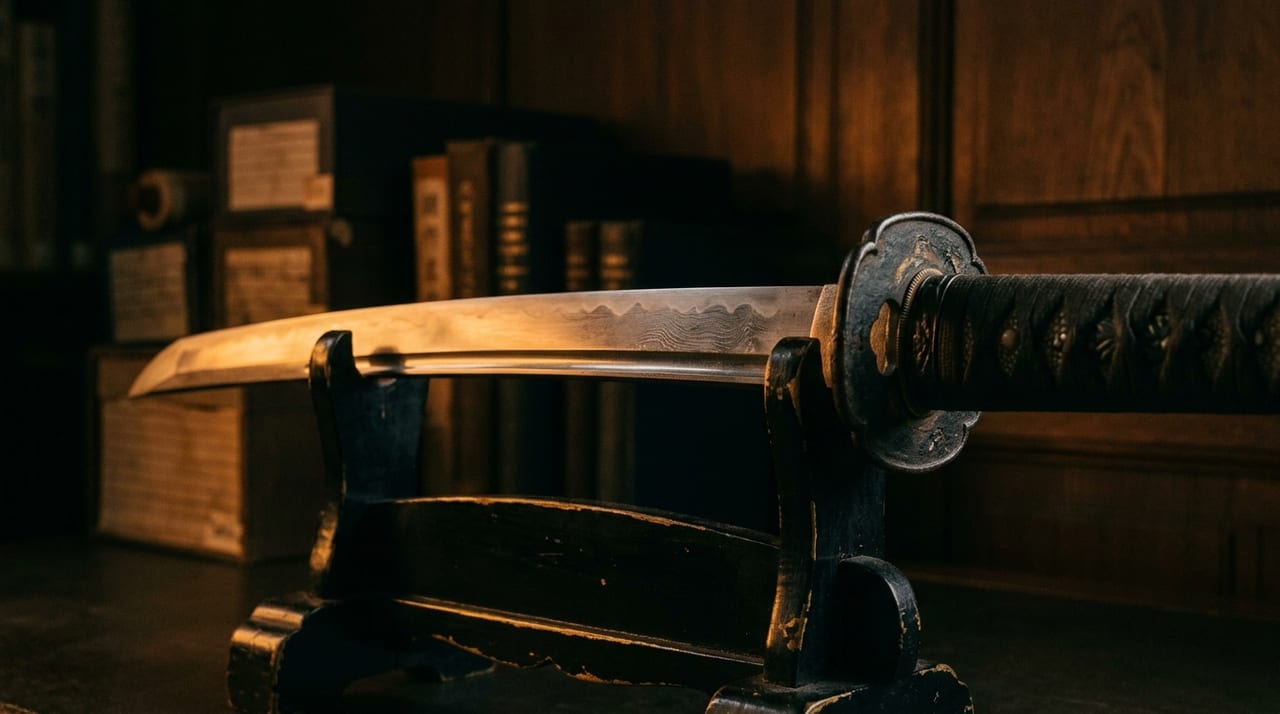
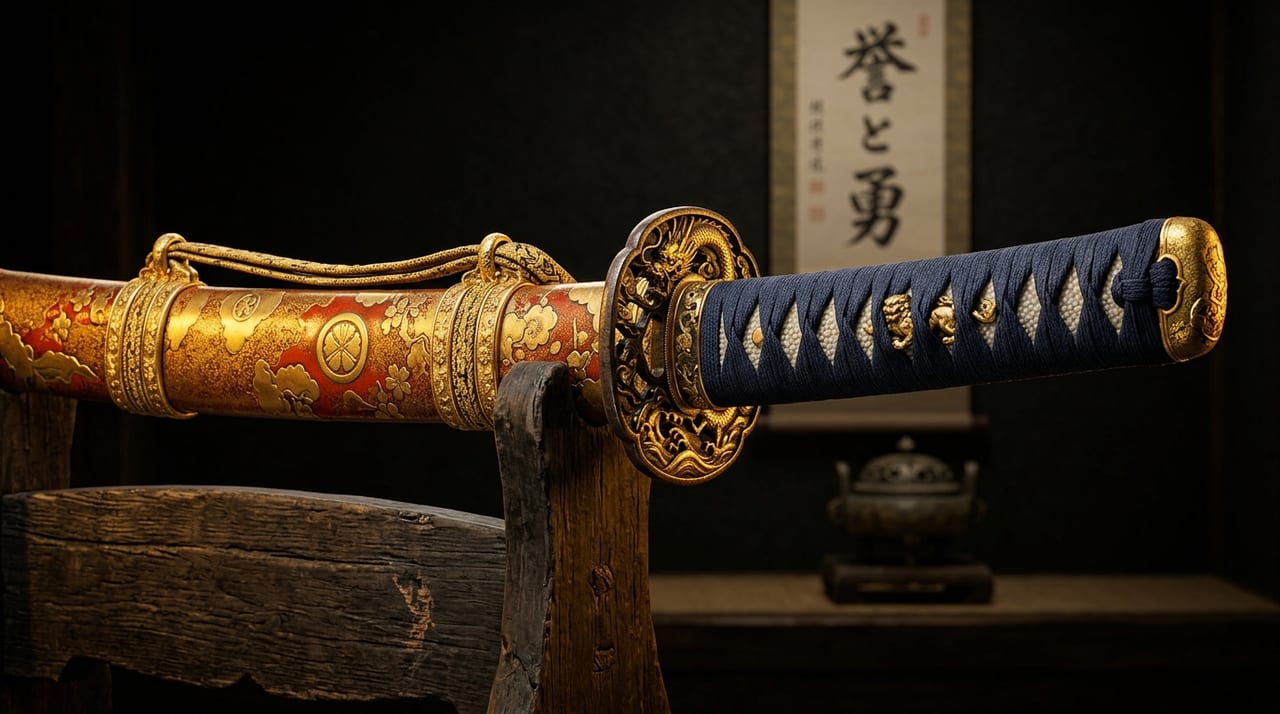
 * Image is for illustrative purposes only.
Table of Contents
The Shinsengumi — The Last Swordsmen of the Bakumatsu Era
The Shinsengumi was an armed police organization that served under the Edo shogunate, active during the turbulent final years of the shogunate in Kyoto. Founded in Bunkyū 3 (1863), they undertook the maintenance of order in Kyoto as the anti-shogunate movement intensified. Many of their members came from peasant and commoner backgrounds, and the organization was maintained not by rank but by the martial skill and spirit of loyalty of its members—a quality that embodied the ideal of bushidō and earned the sympathy of many. The era in which they were active was a time of dramatic transformation, as Japan shifted from a feudal society to a modern nation-state. The image of these warriors, gripping their swords for the sake of their convictions during this turbulent transition, has continued to be cherished to this day as a narrative symbolizing the end of the age of samurai. This article introduces in detail the relationship between the major members and the famous swords they favored.
Kondō Isami and Nagasone Kotetsu — The Commander's Beloved Blade
It is said that Shinsengumi Commander Kondō Isami used a Nagasone Kotetsu, known as one of the finest works of the Shintō period. Kotetsu (birth name: Nagasone Okisato) was a master swordsmith representative of the early Edo period, and his work is highly regarded as the finest craftsmanship, combining practical effectiveness with beauty while inheriting the techniques of the Sōshū tradition and adapting them to the Edo period. The edge of Kotetsu's blades was honed to extraordinary sharpness, giving rise to the legendary saying that "there is nothing a Kotetsu cannot cut." That Kondō, born into a farming family in Tama yet who pursued throughout his life the ideal of the samurai, should have chosen such a masterwork speaks volumes about his view of bushidō and the refinement of his aesthetic sense. The Kotetsu that Kondō used is currently lost to history, yet the sharpness of its blade and what history it carved during the turbulent Bakumatsu period continues to stir the imagination of many history enthusiasts to this day.
Hijikata Toshizō and Izumi no Kami Kanesada — The Vice Commander of Practical Combat
Shinsengumi Vice Commander Hijikata Toshizō favored a Izumi no Kami Kanesada (eleventh generation, commonly called "Nosada"). Works by Kanesada, a master craftsman from Mino Province, are rated among the finest combat swords, and the eleventh-generation Kanesada chosen by Hijikata possessed a robust blade designed with intense practical battlefield use in mind. Hijikata's rigorous command style and his thorough combat-focused thinking are reflected in this choice of sword. It was a characteristically practical choice for Hijikata, prioritizing actual performance in battle over aesthetic ideals of samurai craftsmanship, and this Izumi no Kami Kanesada is said to have remained at his side until the final moments of the Bakufu's defeat in the Hakodate War. The Izumi no Kami Kanesada passed down as Hijikata's memento is preserved to this day along with related materials at the Hijikata Toshizō Museum in Hino, Tokyo. For practical matters regarding sword appraisal and assessment services, please also refer to "Japanese Sword Appraisal and Assessment Services".
Okita Sōji and Kashū Kiyomitsu — The Genius Swordsman's Blade
First Squad Leader Okita Sōji is said to have used a Kashū Kiyomitsu. Okita was known throughout the Shinsengumi as a genius possessing the highest level of swordsmanship, and as a practitioner of Tennen Rishin-ryū, he passed through the bloodshed of Bakumatsu Kyoto on multiple occasions. Kashū Kiyomitsu, a swordsmith from Kaga Province (present-day Ishikawa Prefecture), is known for his works' excellent cutting ability and the beautiful, bright and clear hamon. There is a famous anecdote that during the Ikeda-ya Incident, in the midst of fierce sword combat, Okita's blade broke, a story that speaks to how devastating his sword strikes were. Okita later contracted tuberculosis and died young in Meiji 1 (1868), yet how fiercely he wielded his blade throughout his short life is eloquently demonstrated by his choice of the Kashū Kiyomitsu.
Saitō Hajime and Kijinmaru Kunishige — The Exceptional Left-Handed Swordsman
Third Squad Leader Saitō Hajime is said to have favored a Kijinmaru Kunishige. Saitō was a singular figure within the Shinsengumi, known as a left-handed swordsman who terrified his enemies with his unique technique of "left one-handed straight thrust." It was a technique almost never considered in normal sword training, an individual secret technique developed from Saitō's independent research and practical battlefield experience. Kijinmaru Kunishige is a masterpiece of ancient sword work, and its refined jihada and hamon are highly regarded. Saitō's preference for ancient swords demonstrates his respect for tradition while also contrasting with his later complex fate of joining the new government, a duality that has stimulated the imaginations of many storytellers over the years.
Other Members and Sword Culture
Beyond Kondō, Hijikata, Okita, and Saitō, the Shinsengumi numbered many other notable members. Second Squad Leader Nagakura Shinpachi was renowned as a practitioner of Shintō Munen-ryū, and Harada Sanosuke was also known as a master of the spear, employing an unconventional style that made use of both sword and spear. The principal members introduced thus far and their favorite blades are summarized in the following table:
| Member | Beloved Blade |
|---|---|
| Kondō Isami (Commander) | Nagasone Kotetsu |
| Hijikata Toshizō (Vice Commander) | Izumi no Kami Kanesada (eleventh generation, commonly called "Nosada") |
| Okita Sōji (First Squad Leader) | Kashū Kiyomitsu |
| Saitō Hajime (Third Squad Leader) | Kijinmaru Kunishige |
| Nagakura Shinpachi (Second Squad Leader) | "Settsu no Kami Tadayuki" (as tradition records) |
Most of the swords used by these members are now preserved in museums and private collections, treated as living witnesses to the Bakumatsu period. The swords of the Shinsengumi members were not merely weapons, but witnesses to history, inscribed with the convictions, way of life, and manner of death of their bearers. For legal regulations concerning the ownership and sale of Japanese swords, "A Complete Guide to Japanese Sword Law" is also a useful reference.
The End of Bushidō and the Aesthetics of the Sword
The Bakumatsu period in which the Shinsengumi was active was also the last era in Japanese sword history when the sword was employed as an actual instrument of combat. Following the Meiji Restoration, the Sword Abolition Edict of 1876 prohibited samurai from carrying swords, and the Japanese sword transitioned in purpose from practical weapon to art object and cultural treasure. Yet the many celebrated blades that the Shinsengumi members wielded at the cost of their lives, and beneath which some fell, stand as the most vivid historical testament to the end of the age of samurai. To know the swords of these men is nothing less than to touch the resolve of those who lived through the turbulent Bakumatsu era.