Honjō Masamune: The Mystery of the Lost Heavenly Sword—Where Did the World's Greatest Blade Vanish?
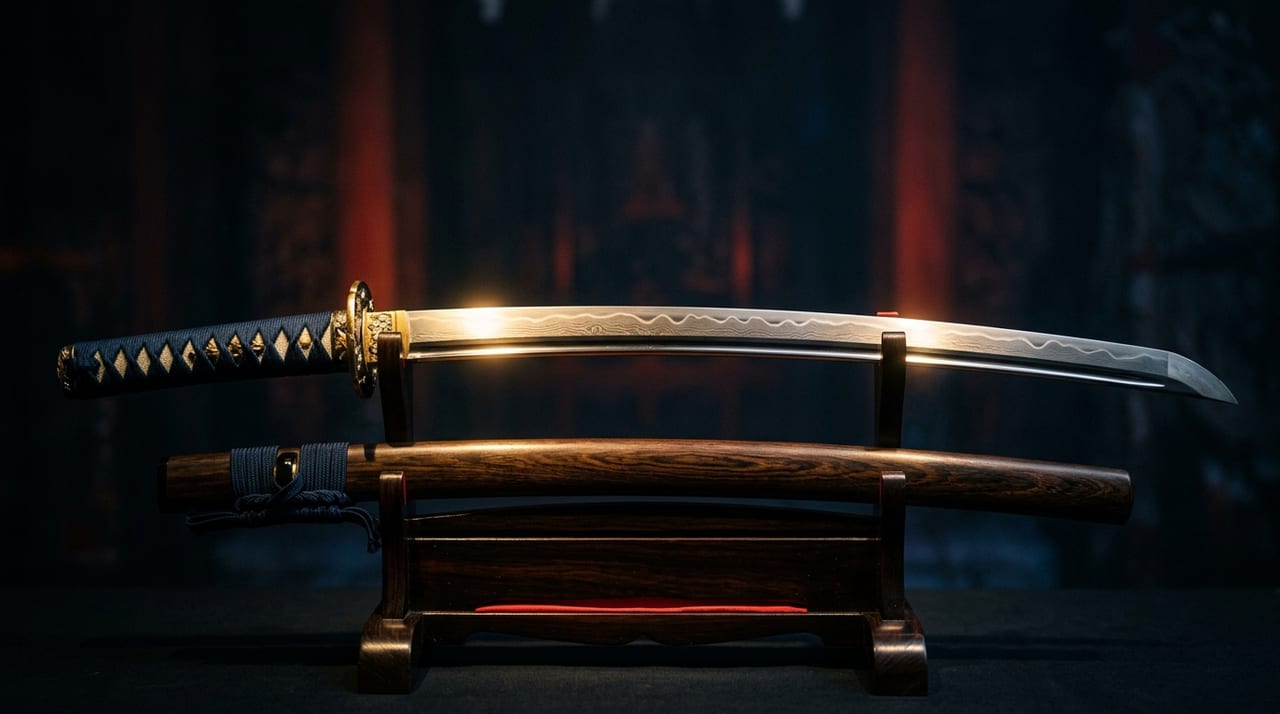 * Image is for illustrative purposes only.
Table of Contents
The Five Swords Under Heaven and Masamune's Name
In the world of Japanese swords, there is a concept known as "The Five Swords Under Heaven" (Tenka Goken). Among numerous masterwork swords, five particularly outstanding blades have been selected, and the following have been traditionally cited since ancient times.
- Onimaru Kunitsuna
- Mikazuki Munechika
- Ōdenta Mitsuyo
- Juzumaru Tsunetsugu
- Dojigiri Yasutsuna
However, some sources place the "Honjō Masamune" at the top or highest position. While existing works by Masamune are treated as exceptional, the Honjō Masamune is unique in that it "no longer exists."
Masamune was a swordsmith who was active in Sagami Province (present-day Kamakura and surrounding areas in Kanagawa Prefecture) from the late Kamakura period through the early Nanboku-cho period (late 13th to early 14th century). While much of his life remains unclear, he is positioned as the pinnacle of the Soshu tradition, and the assessment of him as "Japan's greatest swordsmith" is widely shared among sword researchers.
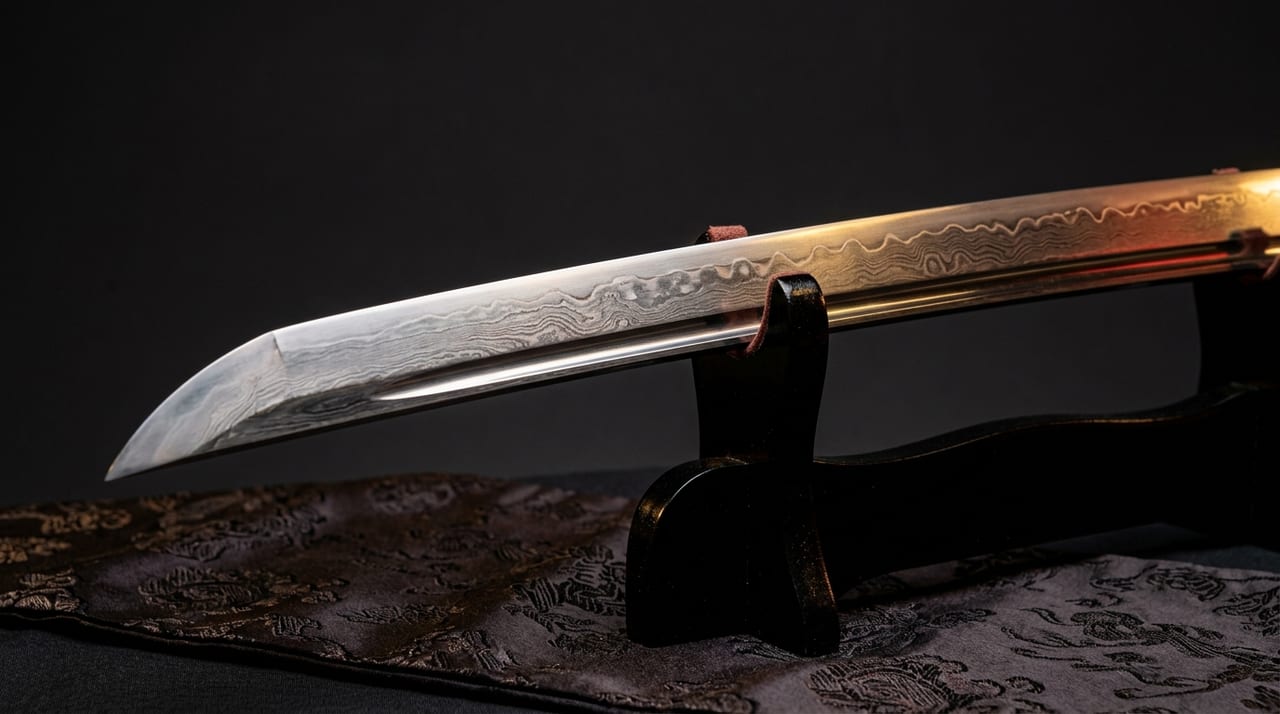
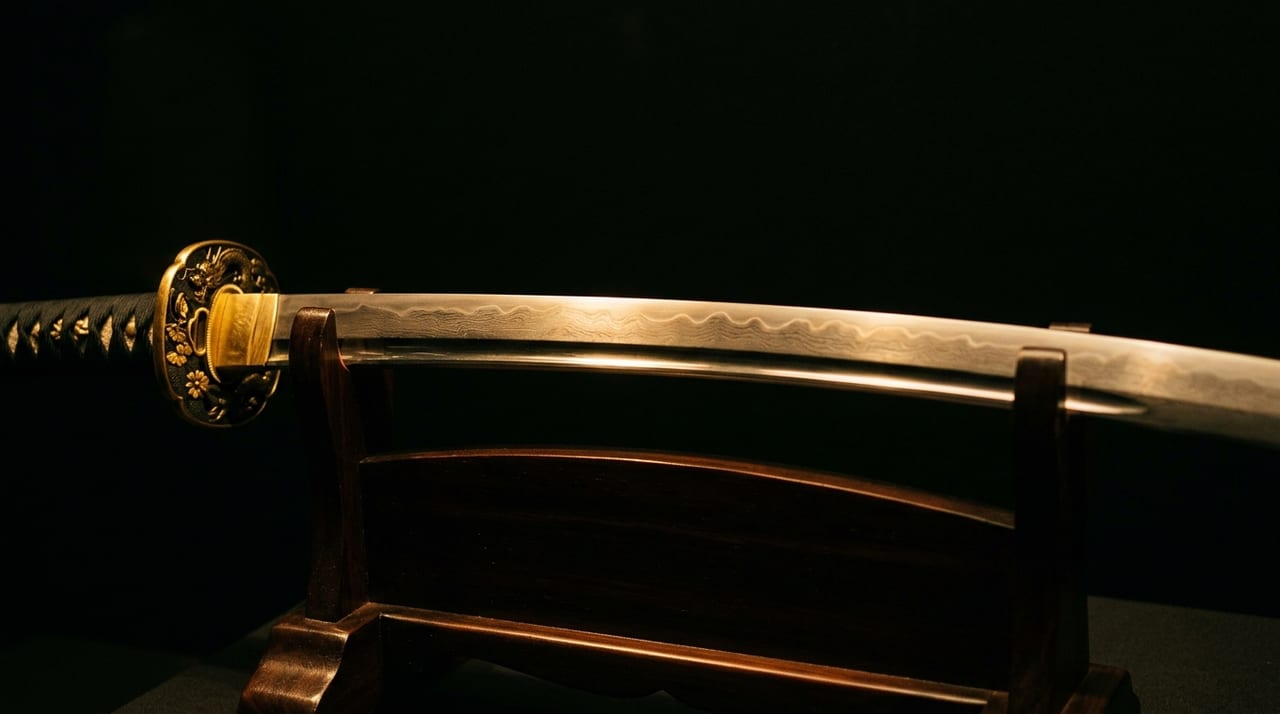
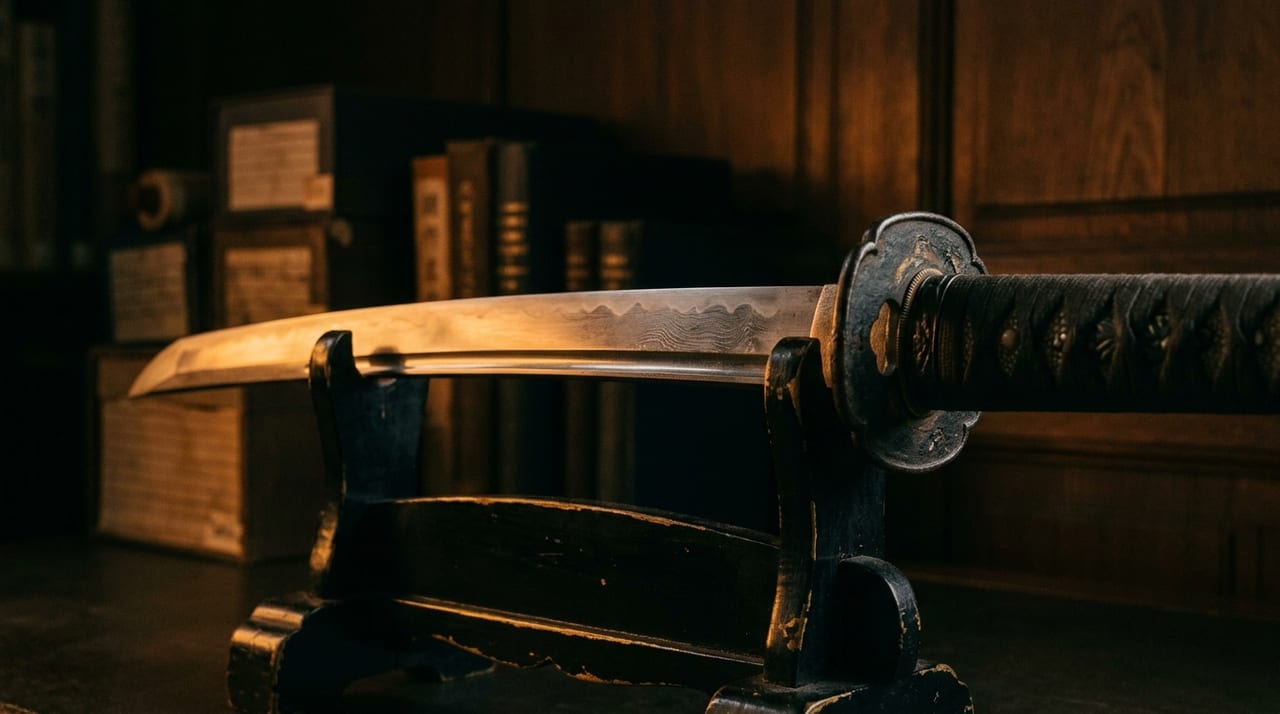
The characteristics of Masamune's works lie in the hamon patterns—large undulations, irregularities, and full hardening—but even more noteworthy is the quality of the "nie" (particles). The nie shine like grains of sand within the hamon, and fine jinie fills the ji area. The blade appears to change like a living thing depending on the viewing angle, which is considered Masamune's greatest characteristic.
The Honjō Masamune's History—From the Warring States to the Edo Period
The name Honjō Masamune first appears in history during the Warring States period. The name "Honjō Masamune" became established because it was possessed by the Echigo warlord Honjo Shigenaga (present-day Niigata Prefecture). Shigenaga was a fierce warrior who served Uesugi Kenshin and Kagekatsu, and the sword is said to have later passed through the Uesugi clan to the Tokugawa shogunate.
Regarding how Shigenaga acquired this sword, the prevailing account is that he seized it from an enemy commander during the Battle of Jūgoriganohara in 1588 (the 16th year of Tensho). This anecdote is said to be the origin of the name "Honjō Masamune," and the fact that the blade's naming is deeply connected to the owner's military exploits is exceptional in Japanese sword history.
After that, the Honjō Masamune became part of the Tokugawa shogunate's collection. Under the Edo shogunate, it was kept under strict guard as an important treasure of the Tokugawa clan and was positioned as one of the swords symbolizing the shogun's authority. It passed down to the shogunate until the end of the Edo period, and is believed to have remained in the possession of the imperial court or former shogunate affiliates after the Meiji Restoration.
The Edo shogunate established the "Onkensho" as a specialized agency to manage important swords, and it is said that the Honjō Masamune was kept under strict guard here as well. Furthermore, after the Battle of Sekigahara in 1600, when the Uesugi clan was drastically reduced from 1.2 million koku to 300,000 koku in Yonezawa, the financially strapped Uesugi clan was forced to present and sell treasured pieces to the Tokugawa shogunate, which is said to be the background behind the transfer of the Honjō Masamune.
The name Honjō Masamune appears sporadically in records from the Meiji and Taisho periods, but after the Showa period began, its appearance in historical documents became sporadic. A record remains that in 1941 (the 16th year of Showa), sword researcher Hon'ami Kouson issued a certificate of authentication, confirming the blade's existence at that time.
The Disappearing Sword—The Mystery of 1945
The Honjō Masamune disappeared from the historical stage shortly after the end of World War II.
In August 1945, Japan accepted the Potsdam Declaration and came under occupation by the Allied forces (GHQ). As the GHQ proceeded with dismantling Japan's militaristic symbols, it ordered the confiscation and destruction of swords. Through this "sword hunt," hundreds of thousands of blades were collected, and the majority were destroyed or melted down.
The Honjō Masamune is also said to have been confiscated during this period. There is a record that in December 1945, Tokugawa Iemasa, the head of the Tokugawa clan, surrendered multiple masterwork swords including the Honjō Masamune to the Allied forces in compliance with GHQ orders. The name of the recipient appears in records as "Sergeant Coldy Bimore," but no official record confirming his actual existence has been found. The details after that are unclear.
According to one account, this officer took the Honjō Masamune with him when he returned home but disposed of it fearing restrictions on Japanese swords in America, or it is also said that his heirs lost track of it after inheriting it. In any case, since 1946, no evidence showing the definite whereabouts of the Honjō Masamune exists as of 2026.
Pursuing the World's Greatest Blade—The Contemporary Search
The whereabouts of the Honjō Masamune continue to attract strong interest from sword enthusiasts, researchers, and media outlets in modern times.
In 2009, U.S. news media coverage spread a hypothesis that a specific individual—Sergeant Coldy Bimore, though verification of his actual existence remains elusive—was involved, but no definitive evidence has been obtained. Among Japanese sword researchers and dealers, the strong view persists that "it may be held by a private collector somewhere."
The Japanese government and Cultural Affairs Agency are said to be working to locate the Honjō Masamune as part of efforts to investigate cultural property that has been lost abroad. In the 2020s, with the advent of the internet age, attention is drawn each time a blade bearing the "Masamune" signature is offered at overseas auctions or private sales, but none have been identified as the Honjō Masamune.
Sword enthusiast and researcher organizations, including the Japanese Sword Culture Foundation, continue intermittent investigative tracking through independent channels. In particular, four hypotheses about the sword's whereabouts after its disappearance are shared among researchers, and a situation continues where each has supporting and contradicting evidence.
- Taken to America
- Loss or theft
- Secret sale
- Still exists but unpublished
Comparative Appreciation of Masamune's Extant Works
Now that the Honjō Masamune is lost, we can only rely on other existing works to understand Masamune's skill. Within Japan, the Tokyo National Museum, Kyoto National Museum, Kyushu National Museum, and other institutions house swords believed to be authentic works by Masamune, and there are opportunities for public viewing during special exhibitions.
Famous Masamune works include the "Fudo Masamune," "Kanze Masamune," and "Uesugi Masamune." By actually observing the hamon of Masamune from these extant works—the nie shining within the large undulations and full hardening—we can imagine what the Honjō Masamune was like.
Masamune's Legacy—Myth and Reality of the "Greatest Swordsmith"
The name Masamune has taken on a mythical character due to the scarcity of his extant works and the existence of the "lost masterpiece" known as the Honjō Masamune. However, sword researchers simultaneously emphasize that Masamune's technical and aesthetic superiority is not mythology but is empirically substantiated.
The Soshu tradition's distinctive "shimmering jinie in the ji surface" and "bold irregular hamon" became a model for later swordsmiths, but they are said to have been unable to surpass Masamune's level. The existence of imitations called "Muromachi Masamune" attests to this.
Conclusion—The Memory of History That the Blade Questions
The disappearance of the Honjō Masamune is passed down as a symbol of the cultural losses brought about by World War II. In the storm of history—war, occupation, and chaos—a masterwork blade with centuries of history vanished.
However, the hope that the Honjō Masamune exists somewhere has not faded. It is difficult to believe that a blade that survived the rough waves of history for nearly seven hundred years would be completely lost in just eighty years. If a day ever comes when it sees the light of day again, it would be one of the greatest "discoveries" in Japanese cultural history. The mystery of the Honjō Masamune continues to question the world about the eternal value of Japanese swords as cultural treasures, even now in 2026.