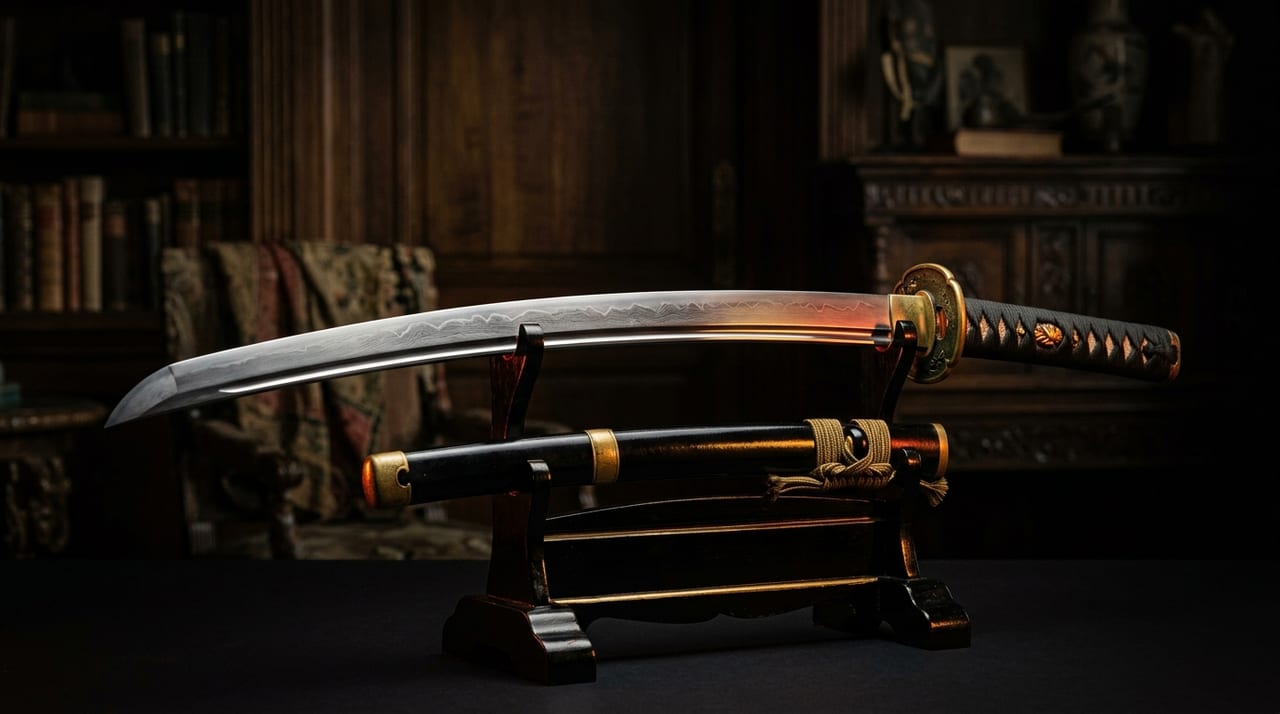
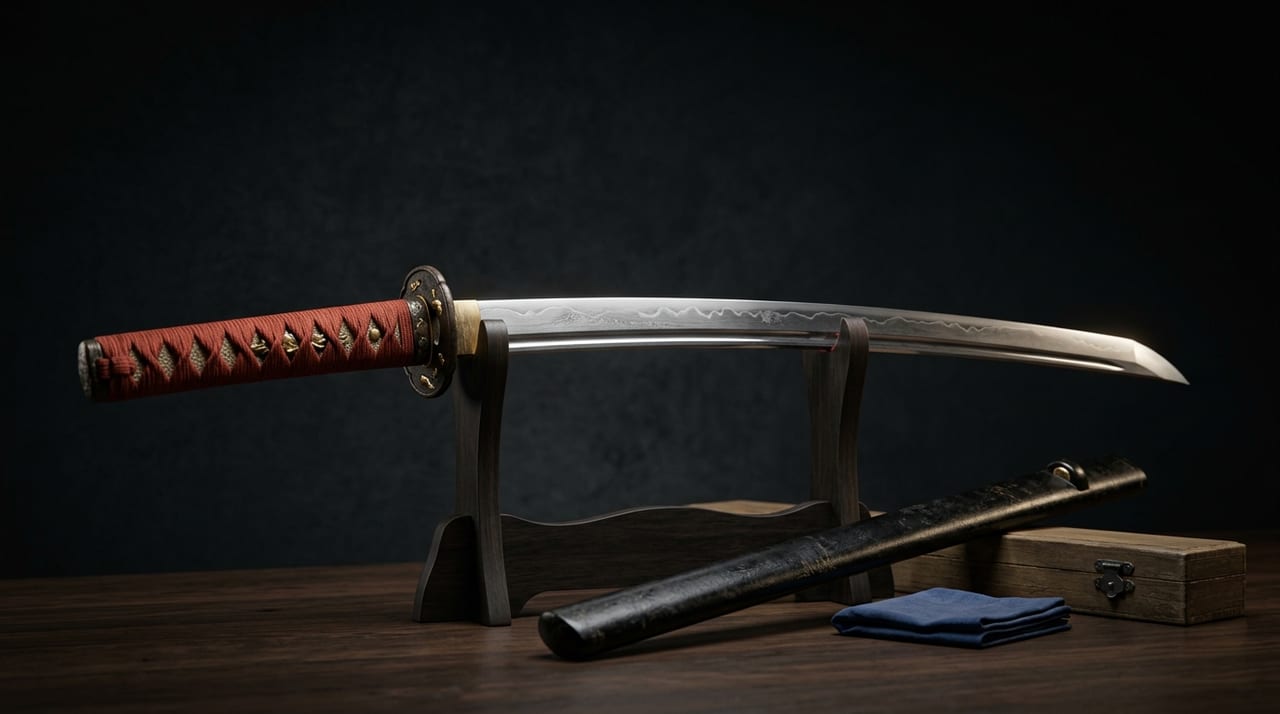
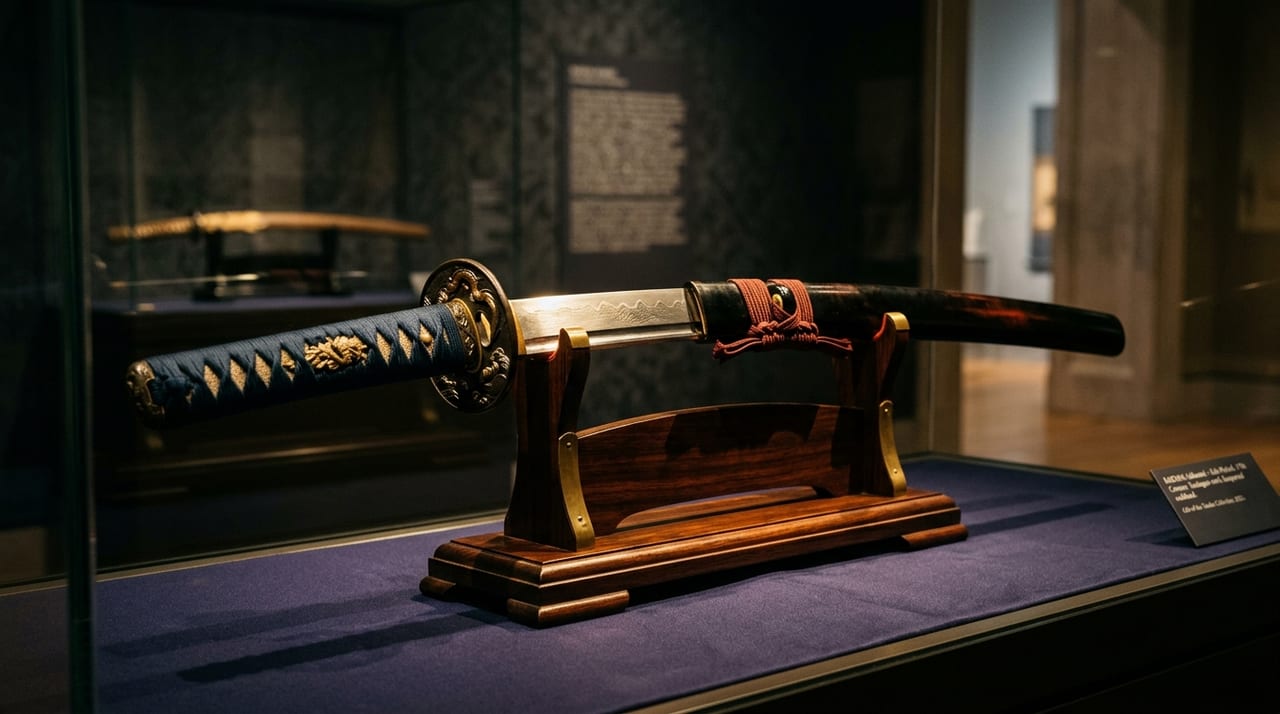
The Art of Documenting a Sword Collection — Protecting Value through Record Books and Provenance Management
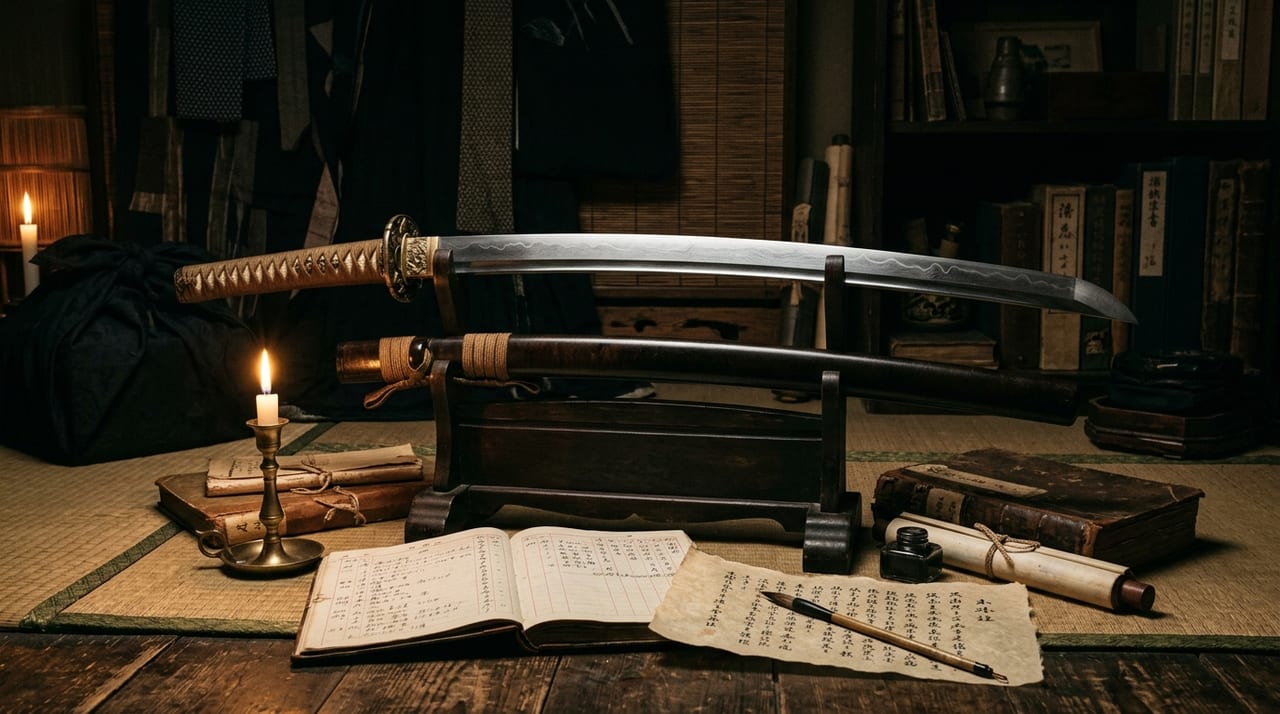 * Image is for illustrative purposes only.
Table of Contents
As you build a sword collection, how you organize and record the information for each individual blade turns out to matter more than one might expect. Systematically compiling information such as measurements, mei, condition, the circumstances of acquisition, and the presence or absence of appraisal is the foundation for protecting the value of a collection and passing it on correctly to future generations. This article sets out a practical approach to documenting swords and building a record book.
Why Records Matter
Swords are objects passed down over long periods, and information tends to be lost each time ownership changes. Details such as where a sword was acquired, what appraisals it has undergone, and what maintenance or polishing has been performed in the past are all important elements that underpin a sword's value and credibility. Keeping records makes a sword's provenance clear and proves useful at the time of future transfer or inheritance.
Basic Information to Record in the Ledger
A sword ledger should begin with basic measurement information: the type (katana, wakizashi, tantō, etc.), nagasa, sori, motohaba and sakihaba, and the condition of the nakago. Next, record whether a mei is present and, if so, its content. If the sword is mumei, note that accordingly; if it is zaimei, transcribe the mei text exactly. This information is indispensable for identifying the sword and understanding its characteristics.
Example Ledger Fields
The following is one example of a field structure for reference when building an actual ledger.
- Reference number
- Type
- Mei text (write "mumei" if unsigned)
- Nagasa, sori, motohaba, sakihaba
- Number of mekugi holes
- Type of yasurime
- Characteristics of hamon and bōshi
- Characteristics of jigane
- Presence and location of flaws and rust
- Registration certificate number, issuing prefecture, and date of issue
- Type and date of kanteisho
- Date and source of acquisition
- History of maintenance and polishing
- List of accessories such as shirasaya and koshirae
There is no need to fill in every field perfectly from the outset; it is sufficient to add information to blank fields as it becomes known. Deciding on the fields at the start and applying them uniformly across all blades makes later searching and comparison much easier.
Condition and Maintenance History
It is reassuring to record the condition of the blade in as much detail as possible. Note the presence and location of rust and flaws, the characteristics of the hamon and jigane, and the polishing condition at the time of observation. Keeping a history of when maintenance was performed, when the sword was sent for polishing, and whether any work was done on the shirasaya or koshirae allows you to track changes in condition and helps with appropriate storage management.
Tips for Photographic Records
Combining photographs with written records greatly increases their value as a record of condition. The following points are worth photographing.
- Full-length view of the blade (both sides)
- Areas where the hamon is clearly visible
- The area around the kissaki
- The full nakago and a close-up of the mei
- Close-ups of any areas of concern such as flaws or rust
Use a plain cloth or similar material as a background and keep records organized so the date of photography is clear. Lighting from an angle makes the hamon and jigane easier to capture, but photographs are supplementary; using them alongside observations made with the naked eye is the basic approach. Periodically retaking photographs from the same angle under the same conditions makes it easier to compare changes in condition, such as the progression of rust.
Provenance and Appraisal Information
The circumstances of acquisition, information about previous owners, and the numbers of any accompanying kanteisho and registration certificates should all be carefully recorded as provenance. If there is an evaluation from an appraisal organization, note its content and date. Note that possession of a sword requires a firearms and swords registration certificate, and the information on the registration certificate is the fundamental document establishing lawful possession under the law. For procedures at the time of transfer, it is advisable to confirm with the designated office, such as the prefectural Board of Education that administers the registration certificate.
Preparing for Inheritance and Transfer
Swords are a prime example of an item that surviving family members are often uncertain how to handle after the owner's death. When both the registration certificate and the ledger are in order, heirs can proceed with the required procedures more easily and can also get a clearer sense of the provenance and value of each blade. Conversely, if the whereabouts of the registration certificate is unknown, it becomes a cause of delay in the process. Noting the storage location of the registration certificate in the ledger and informing family members of the existence of the collection and where the records are kept can be said to be a responsible preparation on the part of the collector.
How to Store Records
A ledger may be kept as a paper notebook or in a digital format such as a spreadsheet. What matters is keeping the fields consistent and maintaining it in a form that can be updated continuously. Adding photographs makes the record of condition easy to understand at a glance. When managing records digitally, it is reassuring to keep a backup in case of data loss. Store the ledger together with important documents such as the registration certificate in a safe place.
Records Grow Your Collection
Careful records transform a collection from a mere accumulation of objects into a system equipped with provenance and narrative. When the information for each blade is well organized, the direction of collecting becomes clearer and understanding of swords deepens. It is the painstaking work of record-keeping that forms the foundation for enjoying a collection in a sound and sustainable way over the long term.
TOUKENZA offers an online listing of swords available for sale. Taking the time to engage with each blade while keeping records in order deepens the enjoyment of collecting all the more. For any work that interests you, please feel free to reach out via the inquiry form.