Tango no Sekku and the Sword: The Symbolism of Japanese Swords Passed Down in Gogatsu Ningyō and Musha Kazari
 * Image is for illustrative purposes only.
Table of Contents
Tango no Sekku, the festival observed on the fifth day of the fifth month, is a seasonal observance widely cherished to this day as an occasion for praying for the healthy growth of children. The gogatsu ningyō (May dolls) and musha kazari (warrior displays) decorated on this day often incorporate sword designs alongside yoroi kabuto (armor and helmet). Why does the sword appear in a celebration of a child's growth? Behind this lies a deep connection between Japan's sword culture and the spirit of prayer.
The Origins of Tango no Sekku
Tango no Sekku began long ago as an observance for warding off evil and praying for good health and longevity, and featured the custom of using shōbu (sweet flag). It is said that because "shōbu" (sweet flag) shares its pronunciation with "shōbu" (reverence for martial virtues), the day came to be valued in warrior society as a festival for boys. Over time, it became established as an observance for praying for the healthy growth and advancement of sons as family heirs, and the custom of displaying martial equipment spread widely.
Musha Kazari and Swords
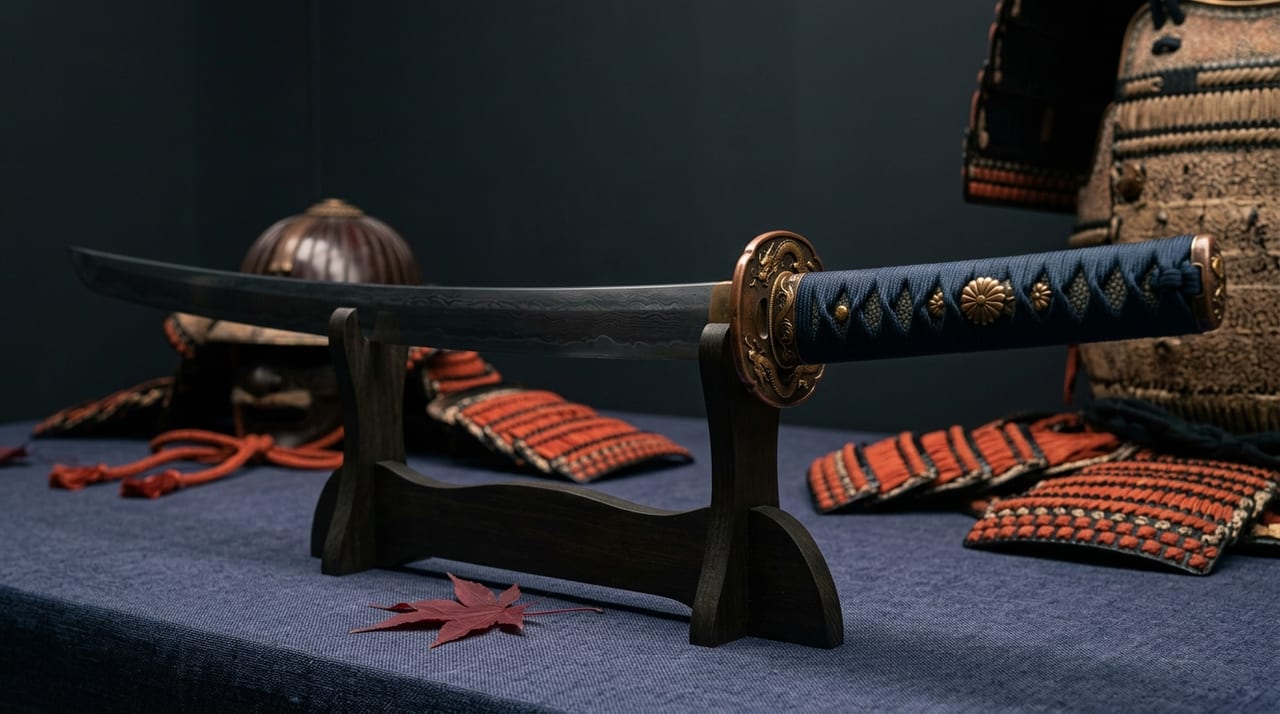
The musha kazari displayed at Tango no Sekku combine suits of armor and helmets as the centerpiece with swords, bows and arrows, and other martial equipment. These items symbolize the parents' wish to protect their child from harm and to see them grow up strong and resilient. From ancient times, swords have been considered to possess the power to repel evil spirits and protect the bearer. The idea that a sharp blade can sever malevolent forces is the background behind the inclusion of swords in sekku decorations.
The Concept of the Mamorigatana
In Japan, there was a custom of using a sword as a mamorigatana (protective sword) at the birth of a child and throughout their upbringing. This embodies a prayer that the child be protected from calamity, drawing on the apotropaic power attributed to swords. The sword decorations of Tango no Sekku share the same spirit as this mamorigatana tradition, demonstrating that swords have been understood not merely as weapons, but as symbols of protection and prayer.
The Culture of the Mamorigatana in Wedding Ceremonies
The custom of the mamorigatana is not limited to children's observances. Even today, the practice remains of a bride wearing a kaiken — a tantō design — as part of her wedding attire. The kaiken worn at the breast of a shiro-muku (white wedding kimono) is said to derive from the custom of women of warrior families carrying a tantō for self-defense, and today it is passed down as a symbol of the wish to protect a new beginning from harm. The fact that sword designs have accompanied each milestone in life — birth, growth, and marriage — speaks to the deep bond between Japanese daily life and the sword.
Decorative Swords and Real Swords
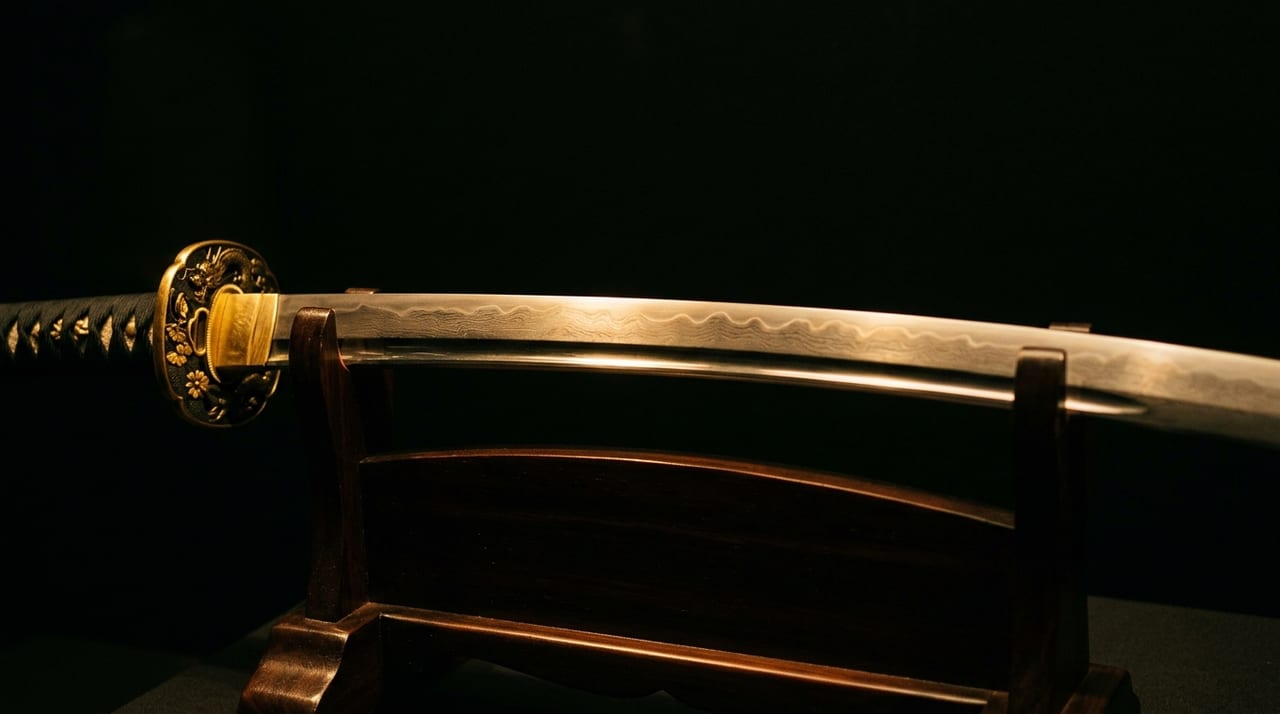
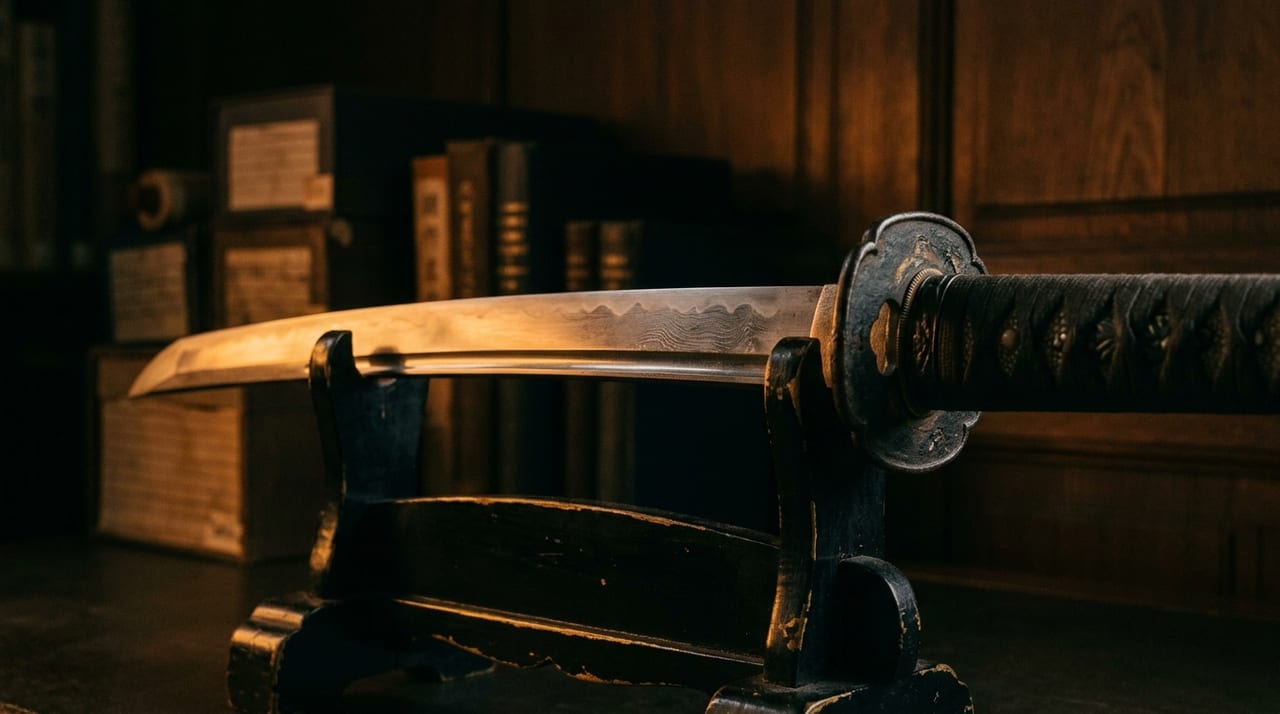
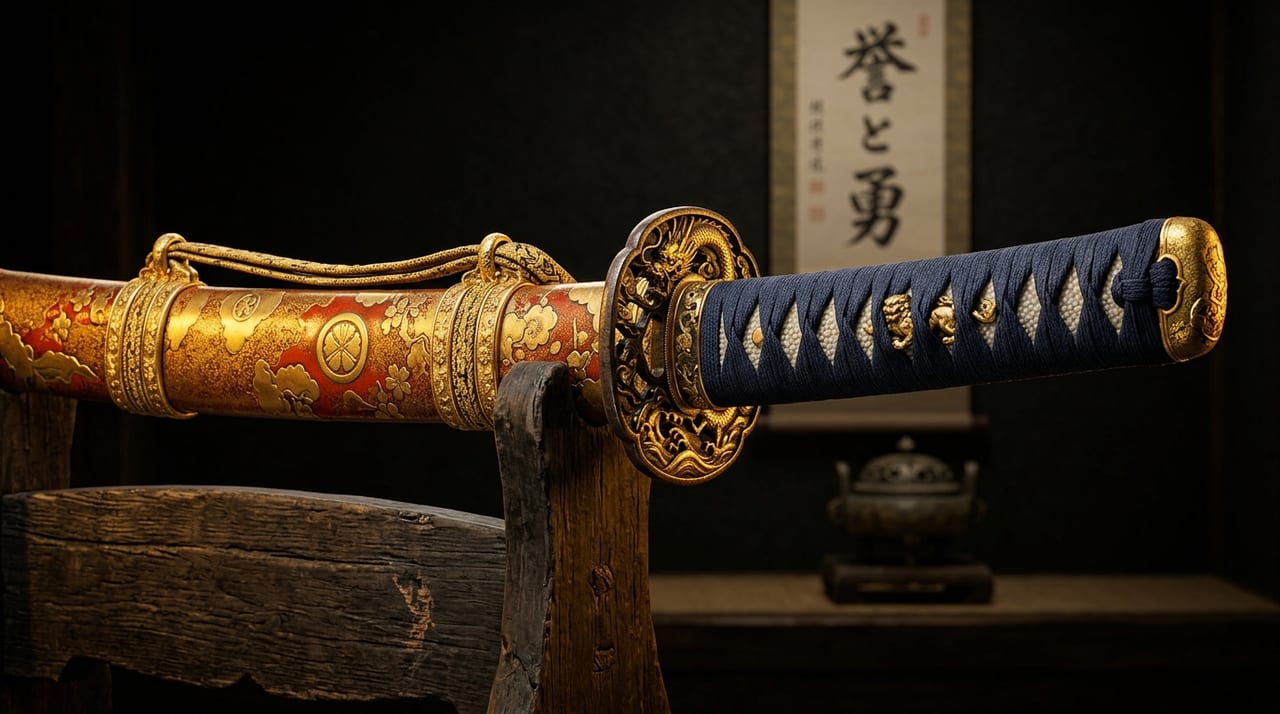
The swords of gogatsu ningyō displayed at sekku are in most cases replicas made for decorative purposes, and are distinguished from honmi (real blades). They are simply meant to incorporate the form of a sword as a decorative motif and to evoke the atmosphere of the observance. Real swords passed down within a family, on the other hand, have been transmitted across generations under lawfully proper possession, together with a registration certificate and other required documentation. Decorative swords and real swords serve different roles, but both share the quality of reflecting the prayers and family traditions associated with swords.
Imitation Swords and Real Swords: Understanding the Legal Distinctions
The materials and rules of possession differ entirely between a sekku decorative sword and a real nihontō passed down in a family.
| Type | Material and characteristics | Possession procedure |
|---|---|---|
| Imitation sword (sekku decorations, etc.) | Made of alloy with no cutting edge, produced for decorative viewing | No special procedure required |
| Real sword (honmi nihontō) | Forged from steel | It is legally required to possess and trade these together with a firearms and swords registration certificate |
The registration certificate is issued for each individual sword and belongs to the sword rather than to its owner. When ownership changes through inheritance or transfer, a notification of change of ownership must be submitted to the Board of Education listed on the registration certificate. If a sword without a registration certificate is found during the clearing of a storehouse or family home, it should not be carried around as-is; the correct procedure is first to notify the police of the discovery and then to follow their guidance regarding the subsequent registration examination. For anyone who has developed an interest in real swords after being drawn in by a sekku decorative sword, it is worth knowing these basic rules as well.
Checkpoints When Handing Down Heirlooms
When passing down gogatsu ningyō or family heirloom swords to the next generation, it is reassuring to confirm the following points.
- For real swords, whether a registration certificate exists and what it states
- Storage conditions. Sword blades are susceptible to moisture, and to prevent rust, regular maintenance — such as wiping away old oil and applying a thin coat of fresh oil — is indispensable
- A record of provenance. Leaving a written note of when, by whom, and with what wish an item was acquired adds a story to both the display piece and the sword, deepening the meaning of passing it on
Even for imitation swords, checking for dust and loose fittings and storing them in their box outside of the display season is the key to keeping them in good condition.
Prayers Passed Down
The sword decorations of Tango no Sekku are a culture born from the convergence of parents' prayers for their children's growth and the Japanese sensibility of finding protective power in swords. While the forms of the observance are gradually becoming simpler in the modern age, the essential spirit of prayer embodied in the sword's design is passed down unchanged even today.
Sword culture lives not only in its aspect as martial equipment, but also within these prayers woven into daily life. At TOUKENZA, you can browse actual swords listed for sale in our online catalogue. Knowing the meaning of the sword rooted in culture enriches the way you see each individual blade. For works that interest you, please feel free to contact us through our inquiry form.