Buying Nihontō at Auction — Benefits and Risks
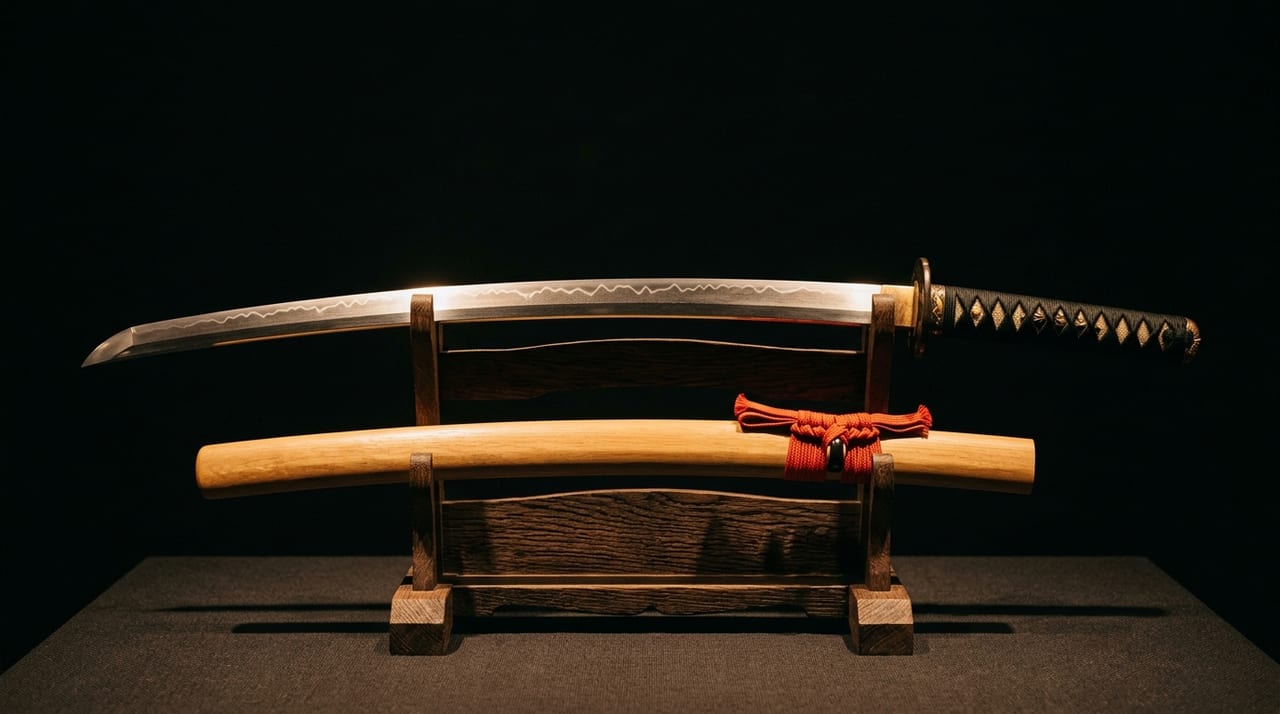 * Image is for illustrative purposes only.
Table of Contents
Auctions as a Central Channel for Sword Distribution
Among the routes for acquiring nihontō, auctions hold an important position. While they carry different risks from purchasing at a specialist dealer, they also offer their own distinctive appeal. Historically, it was common for daimyo and merchants to sell swords through auction-style transactions. Today's auction market operates actively both in Japan and abroad, and many renowned swords circulate through it. Both sales held regularly by auction houses with physical premises and online auction sites are used, with participants choosing between them according to their own purposes and experience.
The Benefits and Appeal of Auctions
Encounters with rare pieces: When items from private collectors or estates are consigned to auction, a once-in-a-lifetime sword that never appears on the open market may come to light.
Opportunities to buy below market value: When appraisal takes time or a consignor is in a hurry to sell, there is a possibility of purchasing below the going market price.
The moment true value is revealed: When multiple collectors show interest in the same sword, the competitive bidding process can make that sword's true value apparent in a way that is itself a memorable experience.
Transparency of expert assessment: The appraisal staff at major auction houses have extensive specialist knowledge, and their catalogue descriptions are detailed and generally reliable.
The Drawbacks and Points to Watch
Difficulty of examining the actual piece: Because judgments rely primarily on photographs, subtle characteristics such as the delicate luster of the jigane (steel of the blade surface) and the depth of the hamon (temper line) tend to be difficult to grasp accurately on screen.
No returns accepted: Cancellation or return after a successful bid is generally not accepted. Even if there is a discrepancy between what is stated in the kanteisho (appraisal certificate) and the actual condition, returns are in most cases not possible.
Unexpected additional costs: A buyer's premium (typically 15–25%) is added to the hammer price. For international shipping, freight and insurance must also be budgeted.
Risk of price escalation: It is not unusual for popular swords to attract a rush of bids and sell for prices far above market value.
Need to verify consignor information: Depending on whether the item is consigned by a private individual or a specialist dealer, the accuracy of the description and the reassurance of the transaction will differ. Checking the past track record of the consignor or auction house to the extent possible provides additional information for making a sound judgment.
Differences Between In-Room and Online Auctions
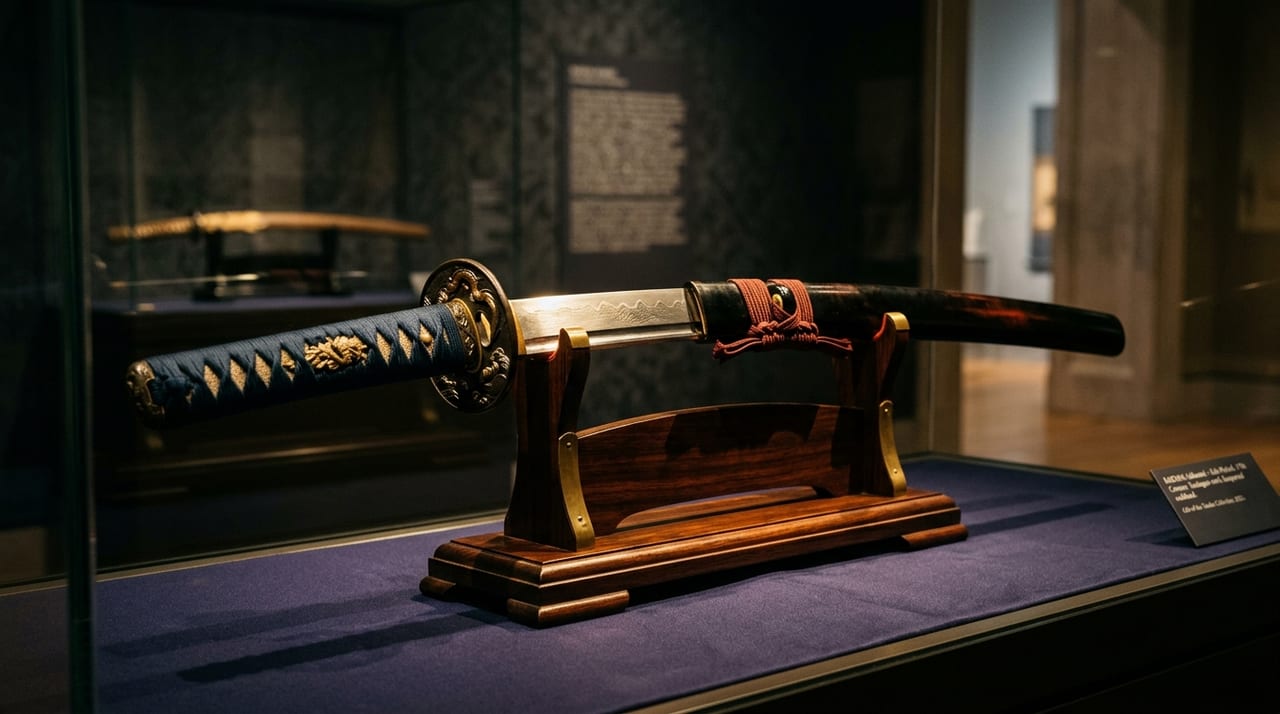
Nihontō auctions come in two formats: attending in person and participating via the internet. In-room auctions have the advantage of making it easier to preview the actual piece and of allowing you to gauge the reactions of other bidders on the spot. Online formats, on the other hand, are accessible from distant locations and make it easier to bid on swords handled by overseas auction houses. In recent years, hybrid formats that accept online bids alongside in-room proceedings have become more widespread, lowering the barriers to participation compared with the past. Since each format has its own strengths and weaknesses, it is important to choose the one that suits your lifestyle and level of experience.
Five Checkpoints for Success
1. Read the catalogue meticulously - Check not just the photographs but every detail of the written description. Look carefully for any mention of flaws or signs of repair.
2. Attending the preview is essential - Examine the actual piece with your own eyes, handle it, and use a flashlight to inspect it in detail. This time is your most important opportunity for judgment.
3. Enforce strict budget discipline - Before bidding, decide on a firm upper limit that includes all fees, and never exceed that amount under any circumstances. Do not let the excitement of the auction cloud your judgment.
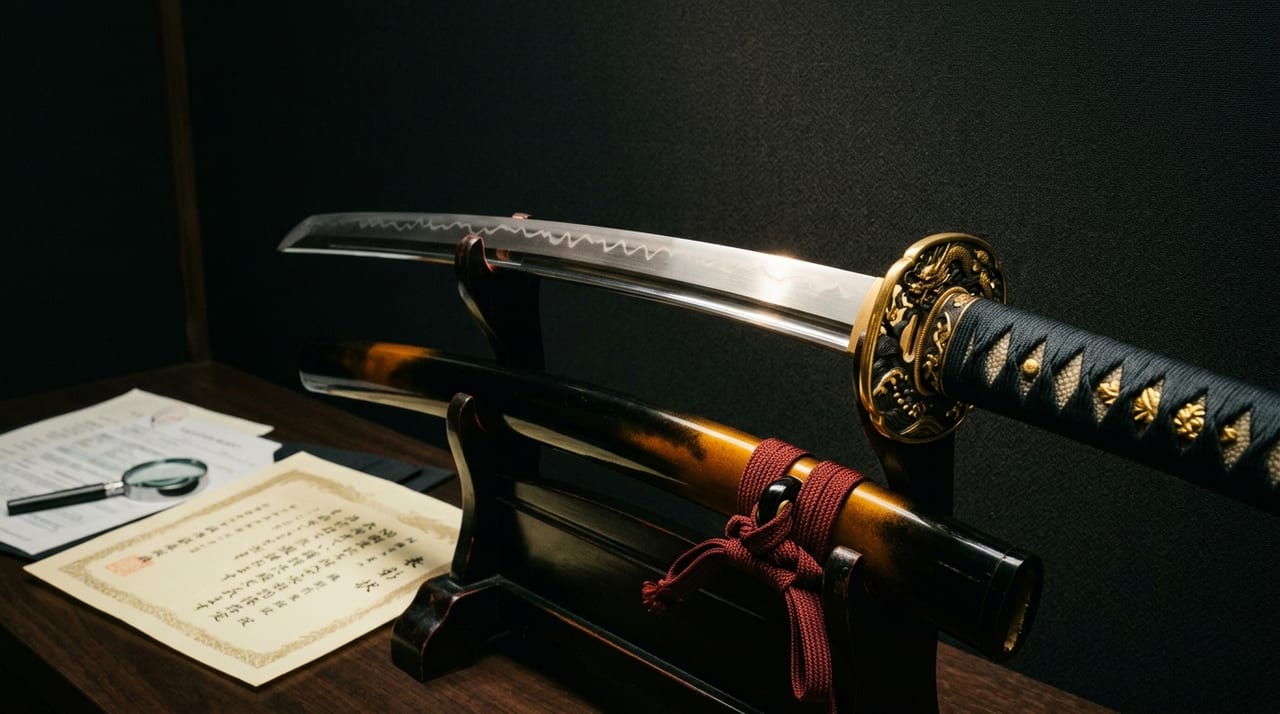
4. Do not forget to check the kanteisho - Always confirm whether a kanteisho (appraisal certificate) from NBTHK (Society for the Preservation of Japanese Art Swords) or NTHK (Nihon Token Hozon Kai) is present and what grade it carries. Pieces without a kanteisho should be avoided.
5. Calculate the total cost with care - Add together the hammer price, buyer's premium, shipping, insurance, and any domestic fitting or maintenance costs. This step is indispensable for preventing unexpected expenditure.
The Basic Steps to Participating in an Auction
- Member registration and application - Register as a member with the auction house or platform you wish to use and obtain the right to bid.
- Obtaining the catalogue and booking the preview - Review the catalogue distributed in advance and, if possible, make a reservation to attend the preview.
- Choosing your bidding method - Select whichever method is convenient from among the available options: bidding in person, bidding by telephone, leaving an absentee bid in writing, or bidding in real time online.
- Setting your maximum bid - Decide in advance on a total budget that includes fees and shipping, and exercise self-restraint on the day so as not to exceed that figure.
- Payment and collection after a successful bid - Once a winning bid is confirmed, complete payment within the specified deadline and proceed with the arrangements for delivery or collection.
The Advantages and Possibilities of International Auctions
Bonhams and Christie's hold specialist nihontō sales several times a year. Because these sales are conducted in English and attract collectors from around the world, a sword that is undervalued in Japan can sometimes fetch a high price in the international market. Conversely, there is also the significant advantage of being able to bid on world-class swords without leaving Japan. When participating in an international auction, it is advisable to confirm arrangements for transport and insurance in advance, in addition to differences in currency and language, so that you can respond calmly when the time comes.
Practical Auction Strategy and Market Analysis
Succeeding at auctions requires not just knowledge but a strategic approach. Understanding the market value of swords and reading the psychology of competing bidders are also important factors. It is not unusual for a sword you failed to win at auction to come up for sale again several years later. Not missing the opportunity to re-bid on such occasions is also part of a long-term strategy. Developing the habit of regularly checking the catalogues of the same consignors or auction houses will make it easier to notice when such re-listings occur.
If you are uneasy relying solely on your own judgment, consulting in advance with a trusted specialist is also an effective approach. The perspective of a third party can help you notice points that are easy to overlook.
With this information, your participation in auctions should become more advantageous. By pointing out in advance the pitfalls that beginners in particular tend to fall into, many clients have gone on to achieve success.
A nihontō auction is a competitive arena, but it is also a cultural setting where the value of swords is shared and recognized by many eyes. Keeping a calm judgment amid tension and anticipation, and the joy of encountering a sword you can be truly satisfied with, is something special. With the right support and preparation, it can be a place where even a beginner can encounter a wonderful sword. If you have any questions or would like to consult about auction strategy, please feel free to get in touch at any time.