Seasonal Storage and Care for Nihontō | A Complete Guide to Condensation Prevention in the Rainy Season and Winter
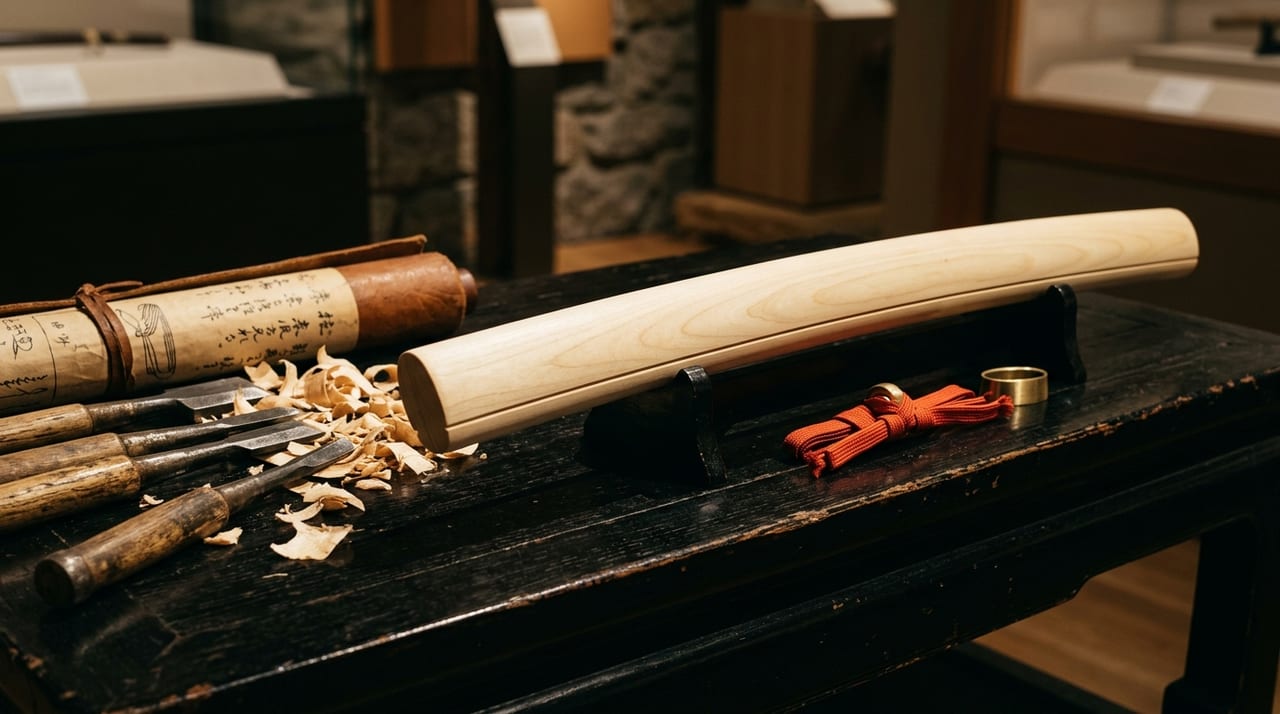 * Image is for illustrative purposes only.
Table of Contents
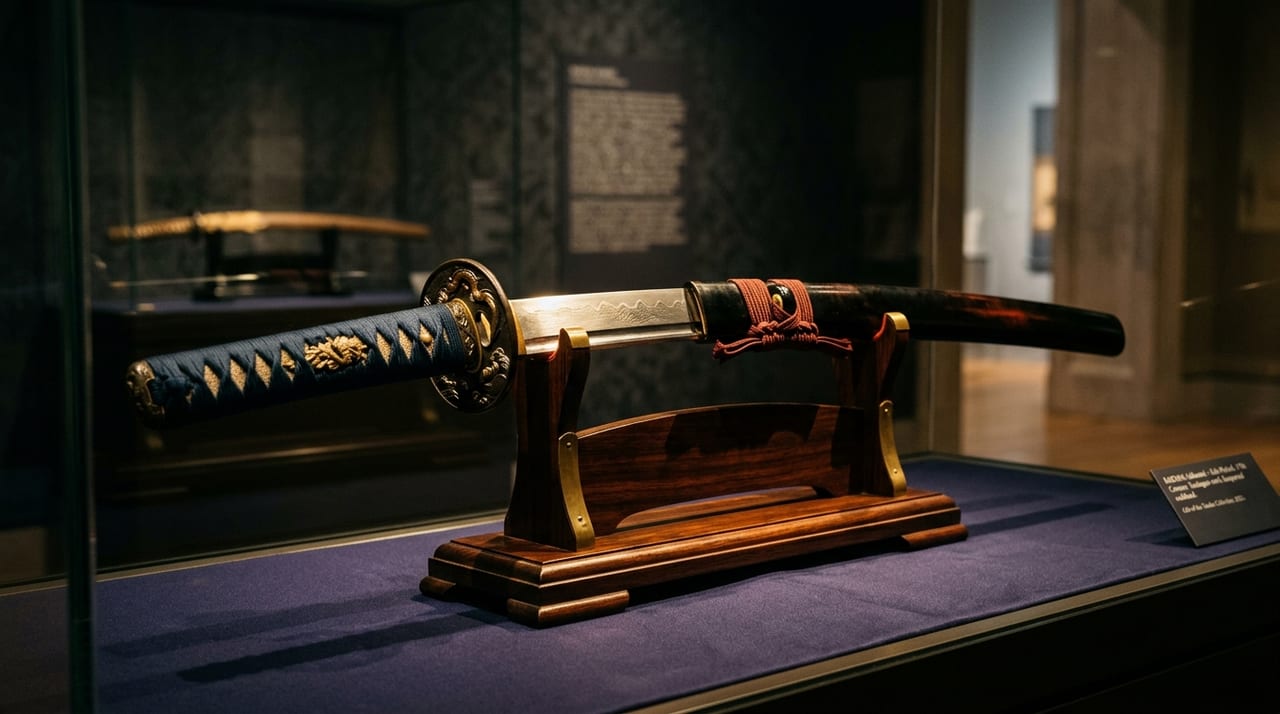
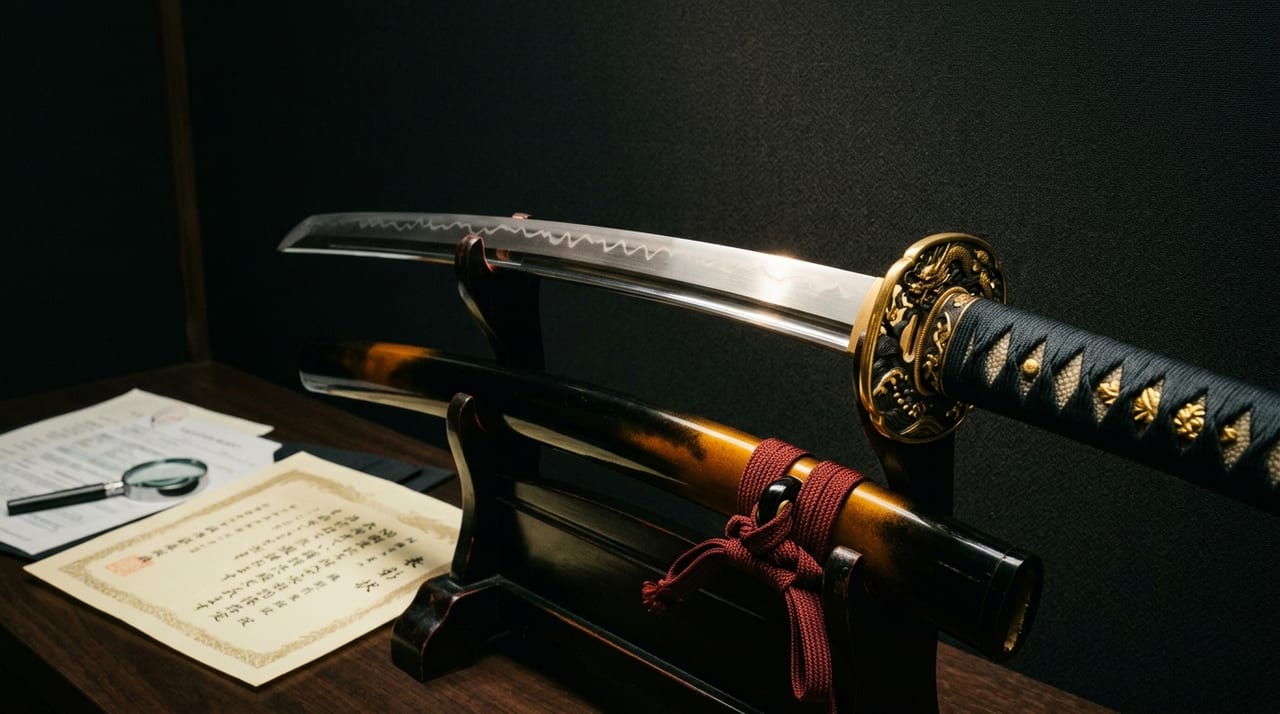
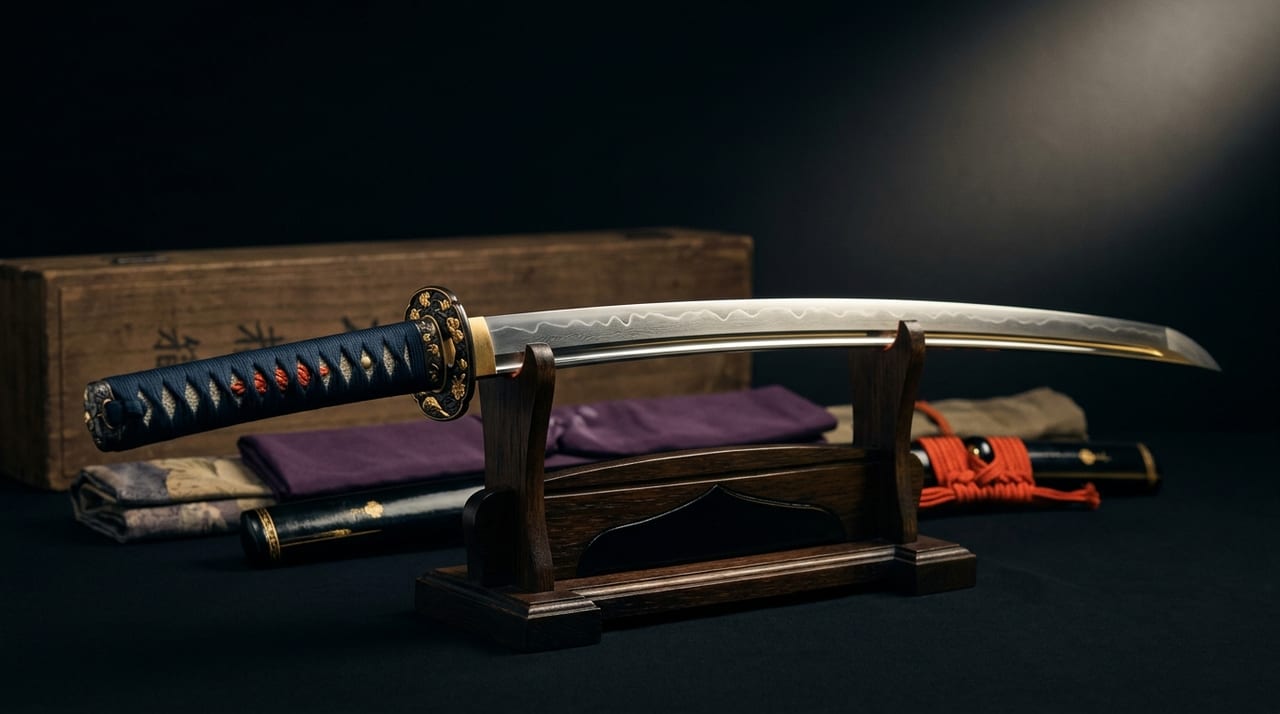
A nihontō is at once an iron work of art and a cultural property that is extremely sensitive to environmental change. Environmental factors such as temperature, humidity, and airflow can keep a blade beautiful for hundreds of years when properly managed, yet invite rust within months when managed poorly. Japan's four seasons are particularly notable for their wide swings in humidity and temperature even by global standards, and seasonal storage management has a decisive impact on the longevity of a sword. The painstaking attention that sword craftsmen since antiquity have devoted to environmental management is reflected in various traditions and practices passed down to this day.
Spring Storage — Dealing with Temperature Swings and Pollen
Spring is a season with large day-night temperature differences that make condensation inside sword cases particularly likely. When the nighttime chill cools a blade that warmed during the day, tiny droplets of moisture form on the metal surface and become a breeding ground for rust. From March through April especially, daily temperature ranges of 15°C or more are not uncommon, making this the period when sword collectors are most prone to letting their guard down.
The basic countermeasure is to place the sword case near the center of the room where temperature variation is minimal, keeping it away from exterior walls and windows. Placing it directly on the floor makes it susceptible to cold air, so the middle shelf or higher of a storage unit is the ideal position. In addition, uchiko powder should be refreshed approximately once a month, replacing the old oxidized oil with fresh oil before it can damage the blade.
During the pollen season, microscopic particles in the air can enter an open sword case and adhere to the surface of the oil film. It is effective to make a habit of always closing the lid after viewing or maintenance and wrapping the sword in a sword bag (uchi-bukuro) before storing it.
Rainy Season Storage — Conquering the Greatest Enemy: High Humidity
The rainy season is the most dangerous time of year for nihontō storage. When relative humidity exceeds 80% for days on end, there is a risk of condensation even on blades protected by a film of chōji oil. Japan's rainy season (June through early July) requires such vigilance that it is sometimes called the "battle season" among sword enthusiasts.
Using a dehumidifier is the top priority. Setting up an environment that keeps humidity in the storage space at 45–55% will dramatically reduce the occurrence of rust. Storage closets and wardrobes tend to trap moisture, so we strongly recommend moving swords to an air-conditioned living space during the rainy season. The dehumidify function of an air conditioner (dry mode) can lower humidity without significantly dropping the room temperature, making it a method that pairs well with sword storage.
Placing moisture-absorbing materials such as silica gel inside the sword bag is also effective as a supplementary measure, but use them wrapped in thin washi paper so that they do not come into direct contact with the blade or saya. Since moisture-absorbing materials release humidity once they have exceeded their absorption limit, it is important to choose a color-indicating type and replace them regularly.
Aim to double the frequency of maintenance during the rainy season. Simply increasing uchiko application and oiling from once a month to once every two weeks in June and July will substantially reduce the rate of rust formation. It is important to visually inspect the blade at every maintenance session in order to detect early signs of rust such as cloudiness or uneven patches.
Summer Storage — Watch for Sudden Temperature Swings Caused by Air Conditioning
In summer, the sharp temperature difference between room temperature and air conditioning becomes a serious problem. Bringing a sword indoors from 35°C outside into a 25°C air-conditioned room will cause the blade to condense instantly, inviting rust. On the same principle as eyeglasses fogging up, metal has a higher heat capacity than air and therefore takes longer to reach thermal equilibrium.
As a basic summer countermeasure, when you bring a sword home, leave it in its saya and let it acclimatize for about 30 minutes in an "intermediate-temperature space" such as the entryway or hallway before bringing it into an air-conditioned room. In addition, placing a sword case directly in front of an air conditioning vent will subject it to repeated cycles of localized drying and condensation, so positioning it where no direct airflow reaches is an absolute rule.
Direct midsummer sunlight also causes serious damage. Ultraviolet rays cause the tsuka wrapping cord to discolor and deteriorate and the lacquer on the saya to fade, while also causing the temperature inside the sword case to rise rapidly. Always choose a storage location where direct sunlight cannot reach, and if the sword is kept in a glass case, consider using UV-cut glass.
Winter Storage — Managing Two Risks: Condensation and Dryness
Winter is commonly thought of as a dry season, but it is actually a surprisingly difficult season to manage because both condensation from heating appliances and excessive dryness present risks at the same time.
- Condensation risk: The moment a thoroughly chilled sword is brought into a warm room, condensation forms on the blade surface. This is the symmetric counterpart to the summer air-conditioning problem. During the depths of winter from December through February, the temperature difference between the inside of a sword case and the room can exceed 20°C, and rust from condensation spreading overnight is not uncommon. As in summer, follow through on "gradual temperature acclimatization" in winter as well, and store the sword in a fixed position away from direct heating airflow.
- Humidifier risk: More households are using humidifiers in rooms made dry by heating, but pointing the spray nozzle toward the sword case is strictly forbidden. When moisture droplets adhere directly to the blade they break through the oil film and immediately cause rust. Place the humidifier at least 2 meters from the sword case, and aim to gently adjust the humidity of the entire room to 40–50%.
- Dryness risk: On the other hand, if an excessively dry state with humidity below 30% persists, the wooden base of the tsuka may shrink and the mekugi may loosen, or the blade may become prone to shifting inside the saya. During the depths of winter, place a hygrometer near the sword case and make it a habit to check at least once a week that humidity is being maintained at around 40%.
Year-Round Storage Habits and Regular Maintenance
Regardless of the season, the following basic habits are essential for nihontō storage.
| Season | Maintenance Frequency |
|---|---|
| Normal periods (spring and autumn) | Uchiko and oiling once a month |
| Rainy season and summer | Once every two weeks |
| Winter | Once a month |
- Basic maintenance cycle: During maintenance, first use uchiko to absorb and remove the old oil, then carefully wipe it away with soft nuguigami; afterward apply a thin, even coat of chōji oil (or white tsubaki oil). Applying too much oil is counterproductive — a thick oil film tends to attract dust — so spreading it thinly with the pad of a finger is the right amount.
- Inspection of fittings: At every maintenance session, check the fit of the habaki, the deterioration of the tsuka wrapping cord from moisture, and any looseness in the menuki, fuchi-kashira, and other tōsōgu (sword fittings). The interior of the saya cannot be seen from the outside, but fraying or soiling at the koiguchi can also cause rust. We recommend having a specialist kaji examine the condition of the saya at least once a year.
- Never touch the blade with bare hands: The salt and oils contained in human hands will cause rust to appear in the shape of fingerprints if the blade is touched bare-handed. Always work through thin white cotton gloves or clean nuguigami during maintenance.
Seasonally conscious storage and care is not only the responsibility of a sword enthusiast — it is also one of the pleasures of communing with a sword. Remaining attentive to the condition of a sword through the changing of the four seasons is the very act of passing on to the next generation the spirit that a kaji hammered into steel hundreds of years ago.