Fukurin: The Rim-Binding Technique That Protects and Adorns Tsuba and Sword Fittings
 * Image is for illustrative purposes only.
Table of Contents
What is Fukurin? — Metal Craftsmanship that Frames Edges
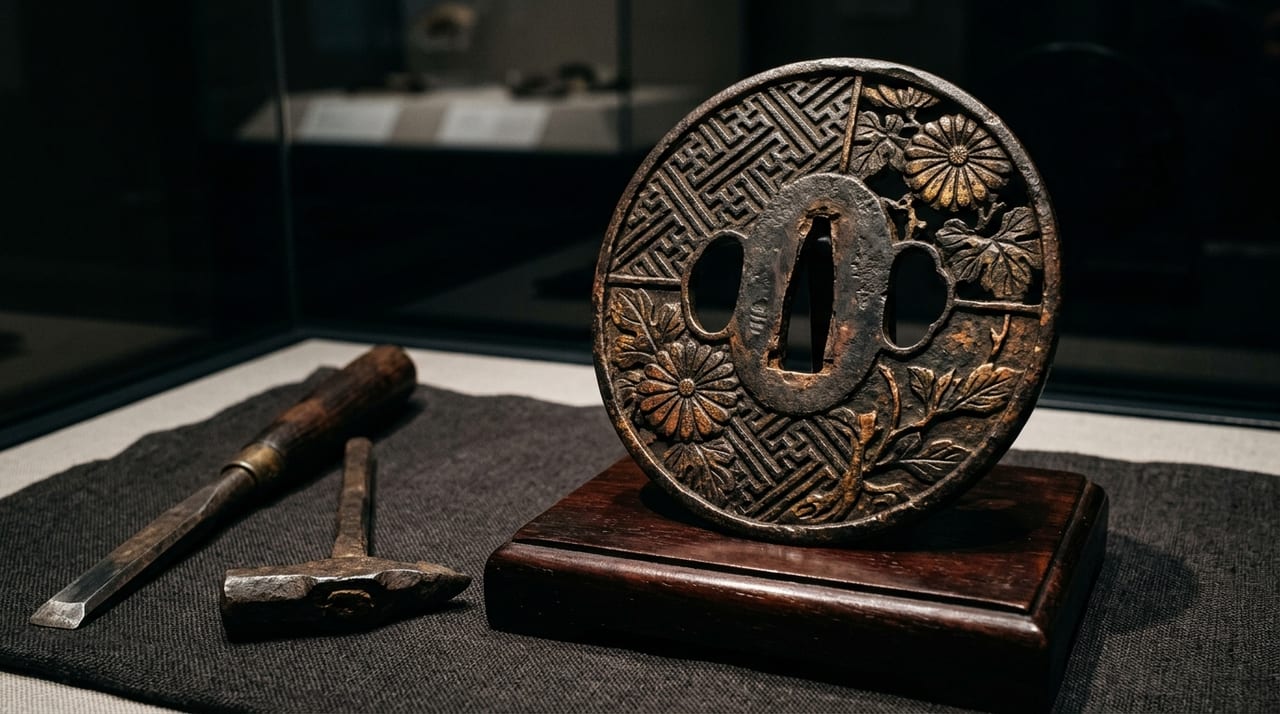
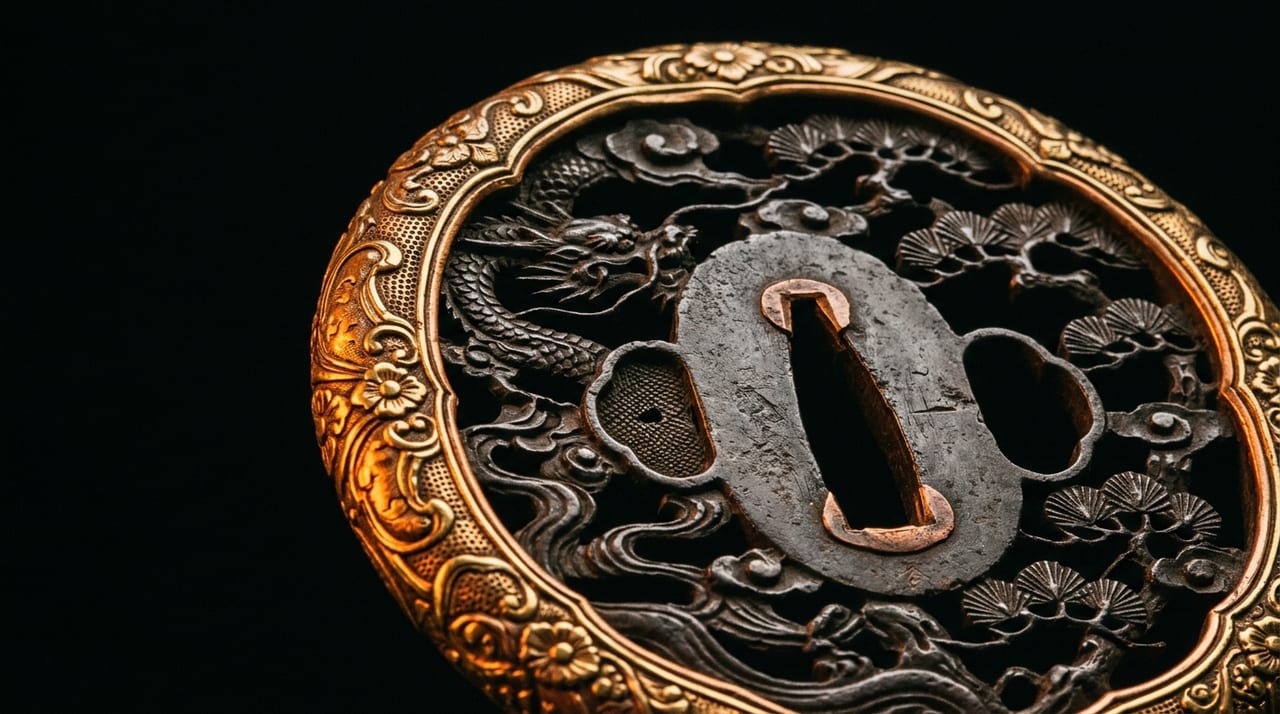
Fukurin refers both to the technique of wrapping the outer edges (called "ears") of sword fittings such as the tsuba with a thin band of stretched metal, and to the component itself. Iron-ground tsubus and sword fittings with thin edges made of brass, red copper, and other materials are prone to chipping and wear on their edges due to use and aging. Fukurin reinforces this weak point while also serving a decorative role by displaying metal of a different color than the base plate as a border accent. It is a specialized technique dedicated to edge finishing in sword fitting construction, combining both practicality and aesthetic design.
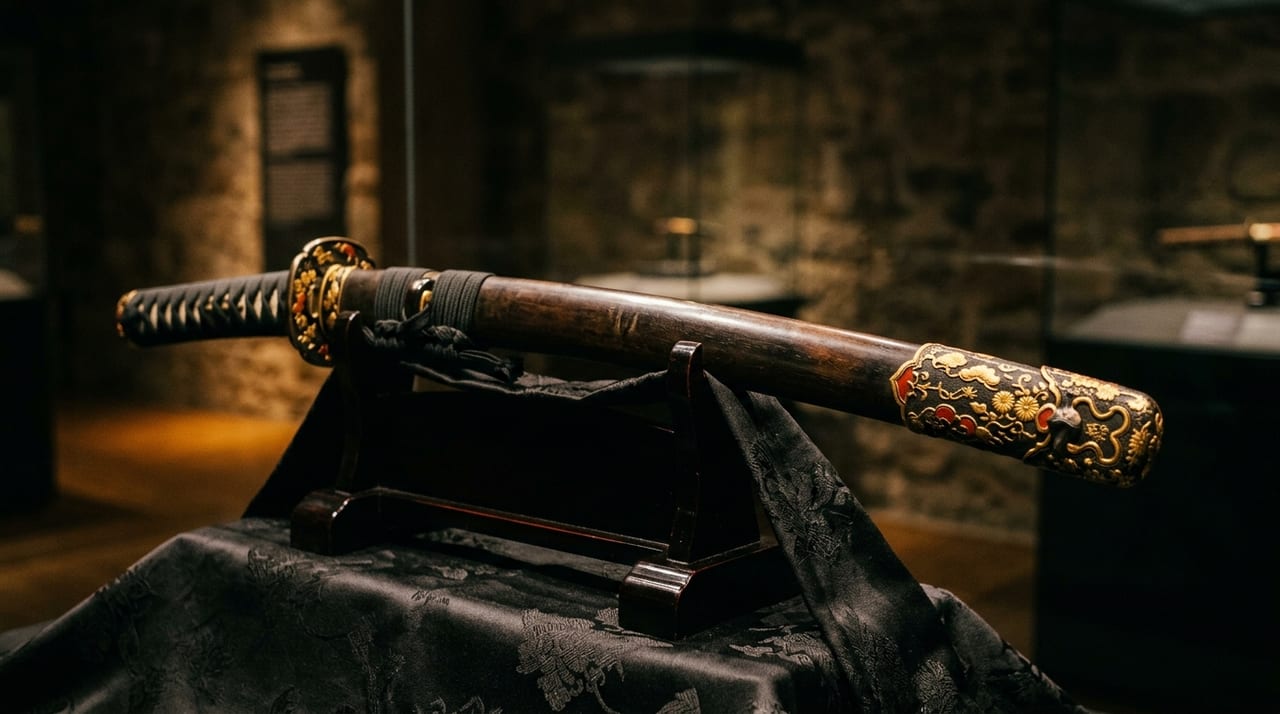
Beyond the tsuba, fukurin is often applied to many other sword fittings with outer "ears," such as fuchigashira, kozuka, and kogai. Regardless of the component, the aim is the same: to protect the outline portion—which is most susceptible to damage from daily drawing and sheathing and contact during wear—with a metal band, while also serving as a finishing touch that tightens the overall design. No matter how intricate the patterns or openwork designs of the base plate itself, the overall impression of the work is diminished if the edges are chipped or warped. Fukurin is, in a sense, the technique that serves as the "frame" of the work.
Forms of Fukurin — Round Fukurin and Flat Fukurin
Fukurin is divided into several types according to the shape of its cross-section.
- Round fukurin — a form that wraps the edge with a rounded raised appearance, providing a soft feel when touched by the hand or fingers and imparting a soft impression when viewed
- Flat fukurin — a form that wraps the edge with a nearly flat cross-section, resulting in a thinner and more subdued finish
- Small fukurin — a narrow-width fukurin used to reinforce only the edge without making it overly conspicuous
The choice of which form to use depends on the material and design of the base plate, the patron's preferences, and the stylistic conventions of the metalworker's school. Even with the same design pattern on a tsuba, the overall impression changes greatly depending on the presence or absence of fukurin and the difference in its form. While a thick fukurin gives a heavy and substantial appearance, it also affects the overall weight balance of the tsuba; thus, when constructing it as a practical sword fitting, craftsmen were required to make a judgment about whether to prioritize aesthetics or weight.
Grade as Expressed by Material — Brass, Pure Copper, Silver, and Gold
The metals used for fukurin are not uniform. The most common are brass and pure copper (solid copper), which were widely used as relatively accessible materials while creating color contrast against iron-ground tsubus. In contrast, fukurin made with silver or "gold fukurin" made with gold were often treated as fittings indicating higher status and tended to be applied to formal mountings or blades intended for gifts and ceremonial use. The difference in materials goes beyond mere color preference and serves as a clue to understanding the social context in which the sword fitting was placed—for whom and in what setting it was used. There were mountings that combined a robust iron-ground tsuba with a brass fukurin to achieve a contrast of hard and soft qualities, while others added gold fukurin to a red copper base to emphasize status; the combination of materials itself was an expression of aesthetic sensibility.
Framing the Edge — The Process of Constructing Fukurin
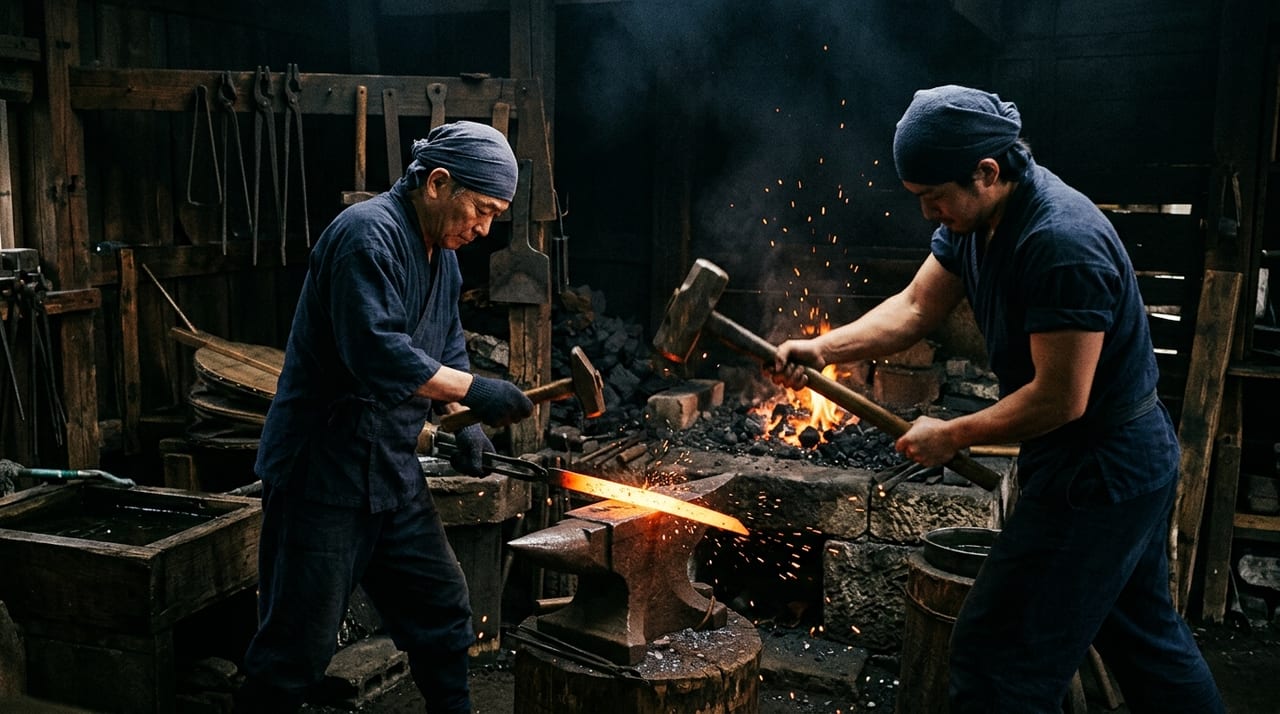
The work of constructing fukurin begins by first stretching the metal used into a thin band shape. As the metal hardens and tightens during the hammering and stretching process, annealing is performed at intervals to restore its malleability, and it is adjusted to the required width and thickness. The basic method of installation is to position this band along the edge of the base plate such as a tsuba and, utilizing the ductility of the metal itself, compress it so that it pinches the edge. It is said that traditional methods also included constructing it to be fixed using only the tension of the tightened metal, avoiding joints like brazing; after installation, the edge step is carefully filed and polished to be less noticeable, and the boundary between the base plate and the fukurin is finished to flow smoothly. In the case of a tsuba whose edge is not perfectly circular or whose contours are intricately complex due to openwork carving, it becomes a painstaking task to fit the band uniformly while adjusting the pressure of compression section by section to gradually match the form. The precision of the finish is judged by whether even slight gaps or lifting occur between the fukurin and the base plate, and a fitting that is unlikely to loosen over time is regarded as superior craftsmanship.
Fukurin as an Aid to Authentication
Fukurin is both a decorative and reinforcing technique and also one of the clues used in authenticating sword fittings. The presence or absence of fukurin, the shape of its cross-section, its width, and the type of metal used are elements that reflect tendencies by era and school, and together with the design of the base plate itself and the notable qualities of its ground metal, they serve as material for deciphering which lineage of work a particular piece belongs to. The depth of the fukurin technique lies in the fact that a small border alone embodies the maker's method and the preferences and status of the patron who commissioned it. In the appreciation of sword fittings, where attention tends to focus on the skillfulness of the base plate's patterns and openwork, examining the craftsmanship of the fukurin running around the edge in detail often reveals the maker's attention to detail that was previously unnoticed. The view that a craftsman's skill is most evident in the understated details, not just in fukurin but in Japanese traditional craftsmanship generally, is a common perspective.