The Edict on Compassion for Living Things and the Sword: Shifting Norms Around Kirisute Gomen and Tsujigiri
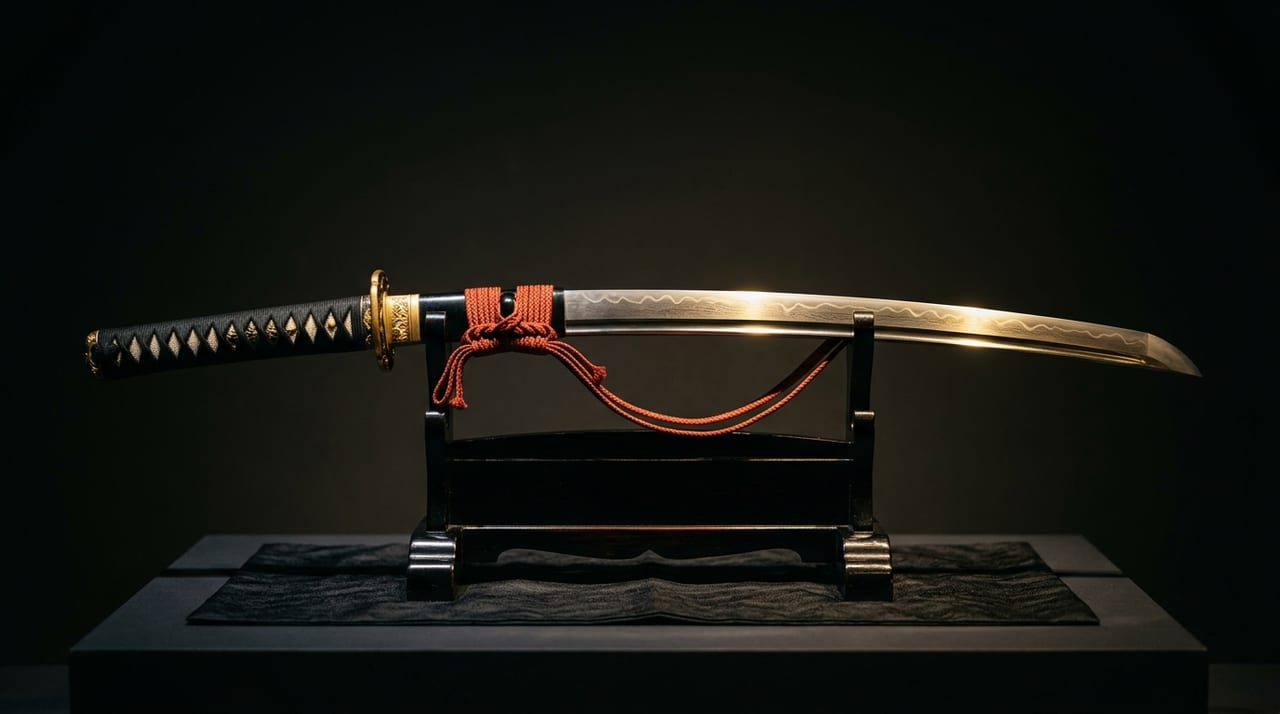
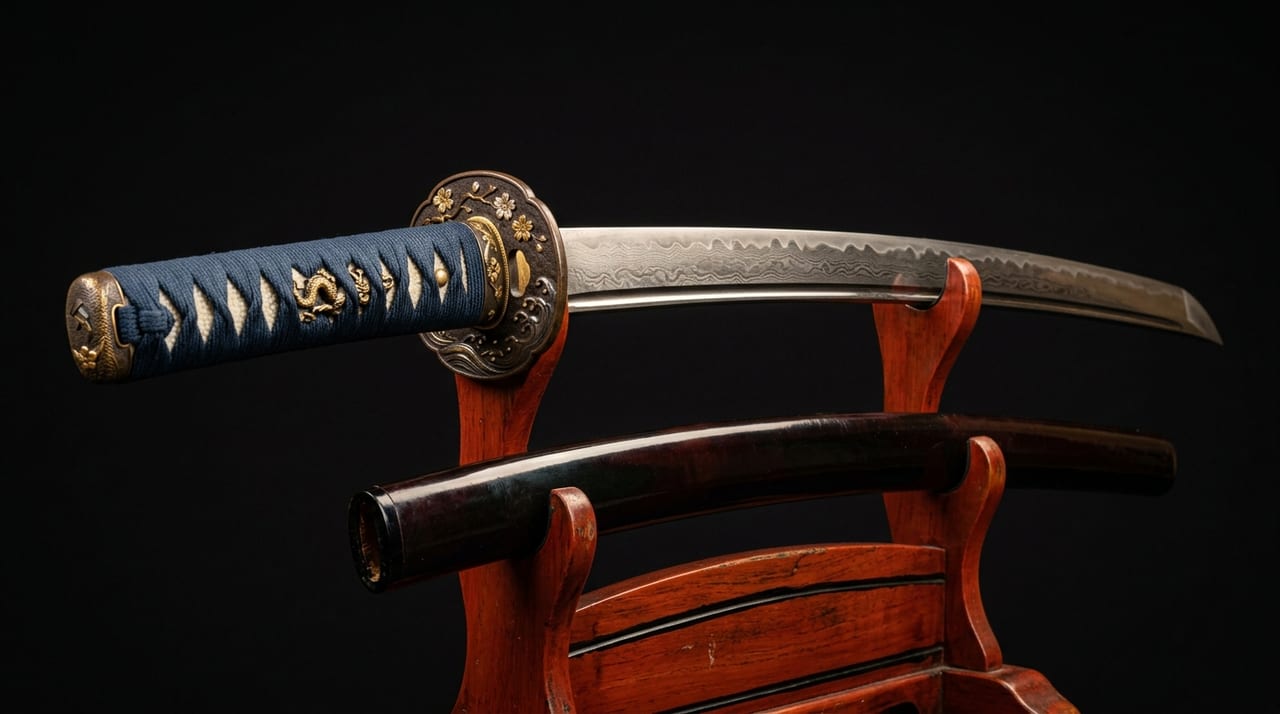
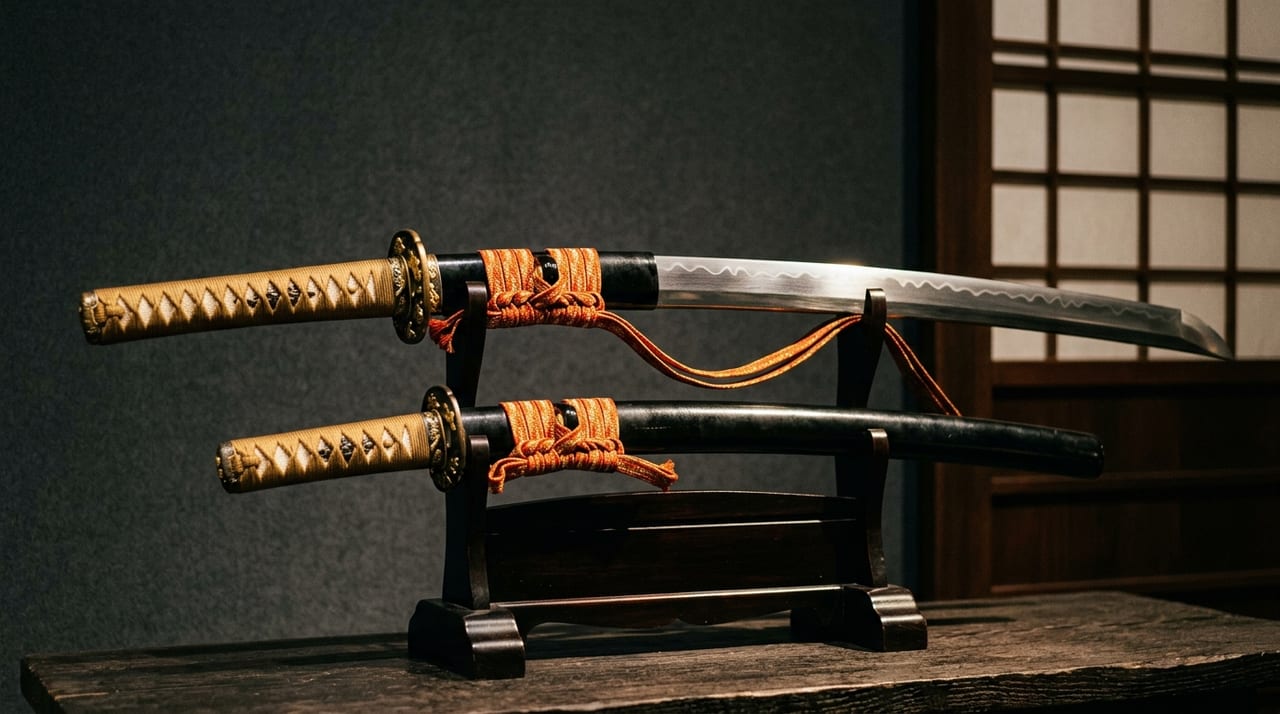
 * Image is for illustrative purposes only.
Table of Contents
The Context of Tsunayoshi's Rule — What Were the Edicts of Compassion?
The series of edicts issued in stages by the fifth shogun Tokugawa Tsunayoshi from around 1685 came to be collectively called the "Edicts of Compassion" (生類憐みの令) by later generations. Rather than a single legal code, they were a collective body of policies accumulated over time, including prohibitions on the killing or abandonment of animals such as dogs and cats, protection of abandoned children and the sick, and regulations regarding the treatment of birds and fish. Because Tsunayoshi was born in the Year of the Dog, the protection of dogs became particularly famous, and he came to be known by the epithet "the Dog Shogun." However, the scope extended beyond animal protection to encompass the suppression of killing and violence throughout society as a whole.
Kirisute Gomen — A Privilege with Strict Conditions
During the Edo period, samurai had a practice called kirisute gomen ("permission to cut and leave"), which allowed them to strike down a commoner without punishment if they had been gravely insulted. However, contrary to the popular image in later narrative tales, kirisute gomen was not unconditional permission to kill. Its exercise was accompanied by strict conditions, including that the other party's rudeness must be clear, that the strike must occur immediately on the spot, and that a report must be filed afterward with an investigation. If the samurai failed to file a report or could not demonstrate a legitimate reason, they themselves could be punished.
Tsujigiri (highway slashing)—cutting down a passerby without reason—was clearly distinguished from kirisute gomen and was a serious crime that could not escape capital punishment if discovered. The distinction existed in samurai society of the time: kirisute gomen was an exceptional act requiring the filing and verification of justification, whereas tsujigiri was a crime lacking justification from the outset.
The Atmosphere of Tsunayoshi's Era
Most of the Edicts of Compassion were repealed in 1709 (Hōei 6), after Tsunayoshi's death, by the sixth shogun Tokugawa Ienobu. During the twenty-odd years before that, edicts warning against killing and violence were issued repeatedly, and social scrutiny of the very act of drawing a sword intensified.
It should be noted that the systematic codification of samurai's discretionary judgment, including kirisute gomen, into the Kujikata Osadamegaki (legal code for magistrates) occurred during the rule of the eighth shogun Tokugawa Yoshimune, in 1742, well after Tsunayoshi's time. The influence of Tsunayoshi's Edicts of Compassion on norms governing sword use manifested not as codification but as a pervasive social atmosphere of avoidance of killing and violence—this understanding better reflects the historical reality.
The Broader Transition from Martial to Civil Government
While the Edicts of Compassion may appear singular if viewed in isolation, they actually represent a continuation of the broader transition from martial to civil government that the Edo shogunate had consistently pursued since the Battle of Sekigahara. In the early Edo period, when the atmosphere of the Warring States remained strong, acts such as ritual suicide following one's lord and drawing swords over minor disputes were not uncommon; however, the shogunate gradually restricted the private use of force and shifted its emphasis toward governance centered on ritual and order. The successive policies of Tsunayoshi's era concerning animal protection and avoidance of killing can be positioned as the peak of this transition.
The Gap Between Swords as Status Symbols and Their Actual Use
For samurai, wearing swords was a symbol of status, and drawing swords in daily life was not anticipated. Actual sword use was limited to specific situations such as self-defense or kirisute gomen, and in most cases swords remained sheathed as symbols of ritual and self-protection. The era of the Edicts of Compassion can be characterized as a period when the norm of "wearing but not rashly drawing" was increasingly emphasized.
While commoners and peasants were not permitted to wear swords, the samurai's right to wear two swords—one long and one short—was a mark of status comparable to the right to a family name. Therefore, rashly drawing one's sword was not merely an act of violence but was seen by society as an act that damaged the very credibility of one's status as a samurai. The stricter social scrutiny of killing and violence under the Edicts of Compassion likely reinforced the tension inherent in the principle that "drawing one's sword means losing one's credibility."
- Kirisute gomen: An exceptional act recognized as a response to rudeness, requiring the filing of a report and proof of justification.
- Tsujigiri: Killing without reason, a serious crime resulting in capital punishment if discovered.
- Edicts of Compassion: A series of policies that began with animal protection and expanded to suppress killing and violence throughout society.
The Edo-period sense of treating swords more as symbols of status and beauty than as weapons was not unrelated to the atmosphere of avoidance of killing that intensified during Tsunayoshi's era. Behind the fact that many celebrated swords passed down to the present have been polished continuously for ritual and appreciation rather than actual combat lies the accumulated weight of such norms.
The Significance of Re-reading Sword History from a Modern Perspective
While the Edicts of Compassion are often depicted caricaturally as "bad law," the very purpose of protecting animals and the weak while suppressing violence had pioneering aspects for its time. Tracing how swords—tools with the power to cut people—were positioned in society and to what extent they were constrained goes beyond mere knowledge of legal history. When examining swords as historical documents, directing attention not only to their blade patterns and form but also to the social norms surrounding them should yield a different understanding. The very fact that a sword has been passed down without being drawn becomes historical evidence that speaks to the norms of its era.