Tōsōgu: Cast vs. Hand-Carved — Key Points in Metalworking Technique That Distinguish Authentic from Fake Tsuba and Menuki
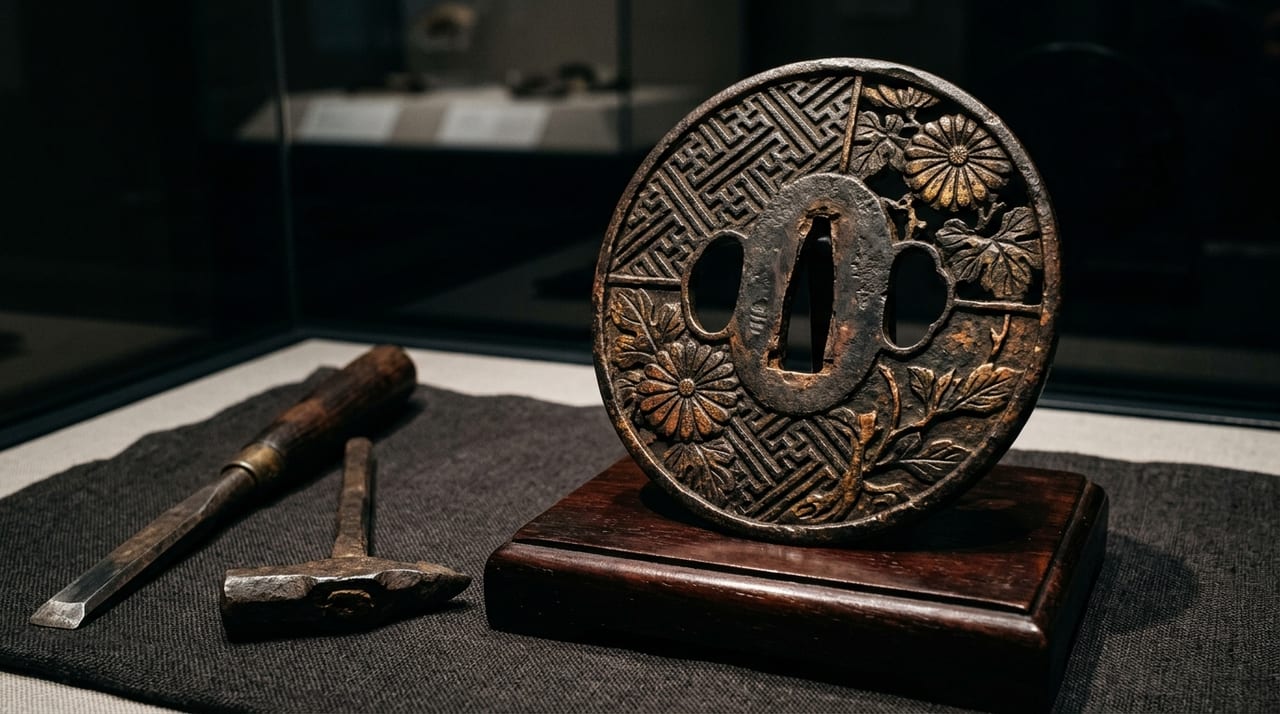 * Image is for illustrative purposes only.
Table of Contents
Are Tsuba and Menuki Carved or Cast?
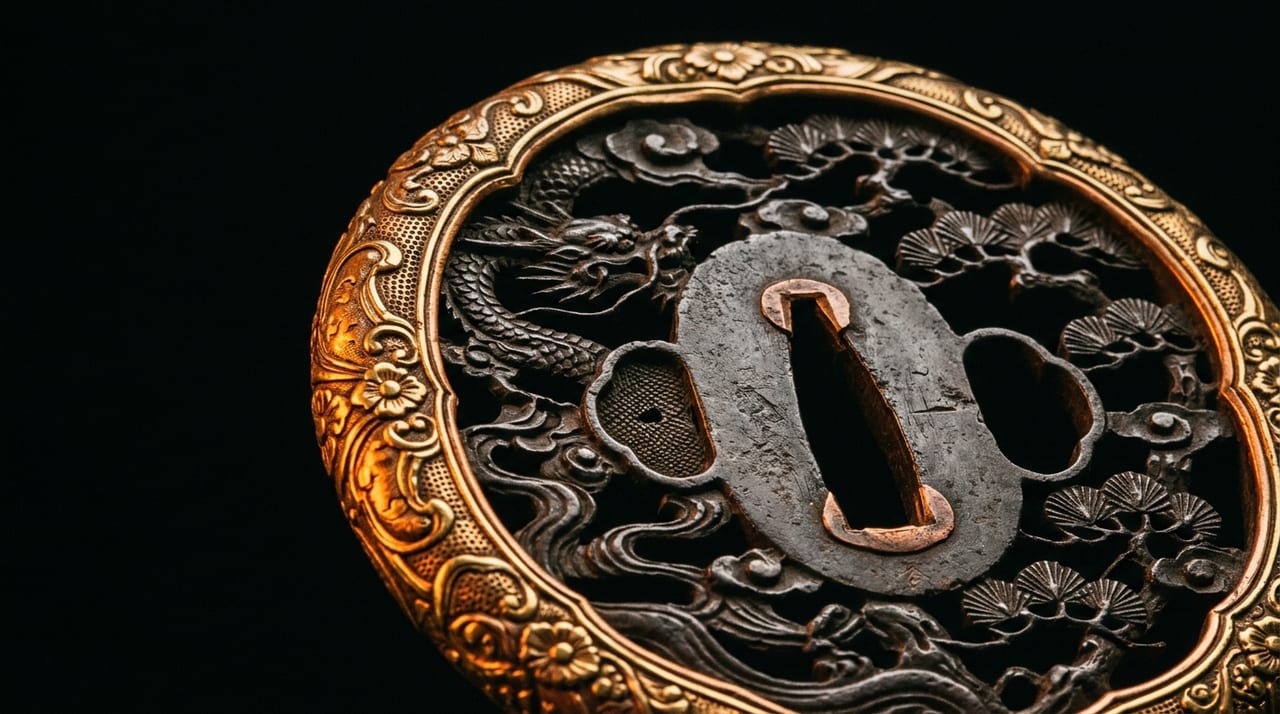
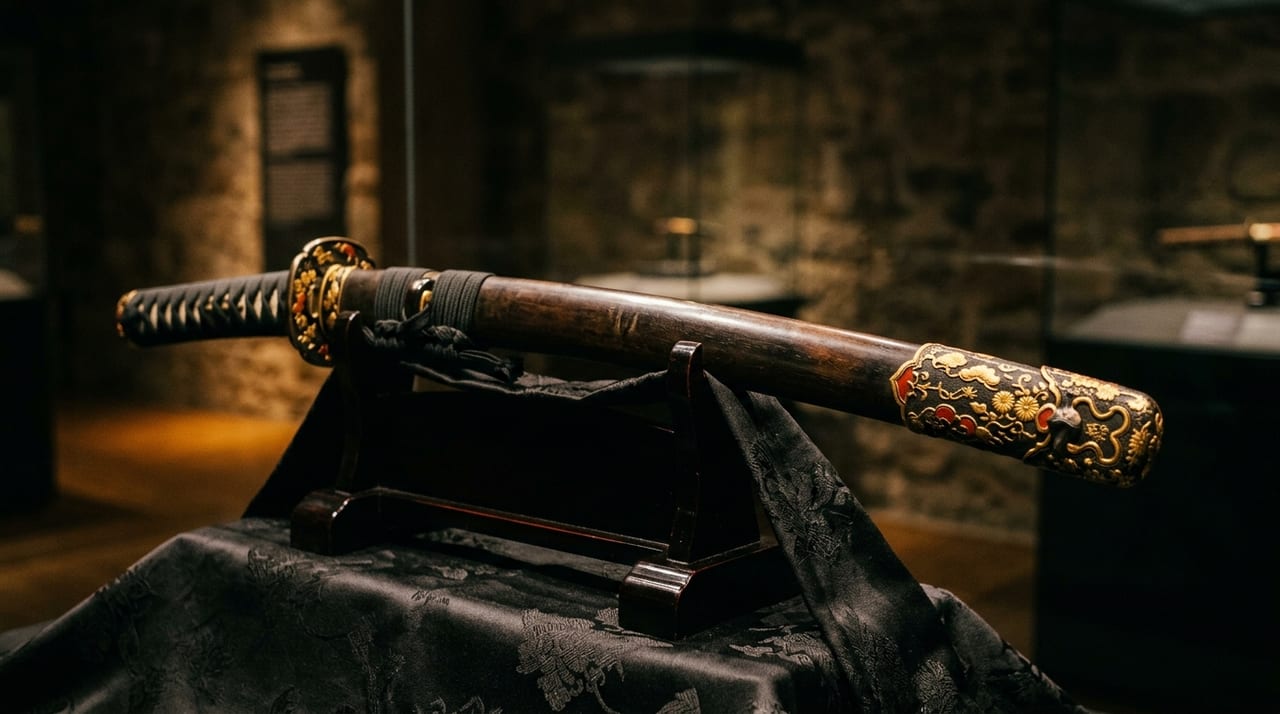
When evaluating tōsōgu — in particular metalwork pieces such as tsuba, menuki, and fuchi-kashira — a distinction that cannot be avoided is whether the piece was made by "hand-carving (forging and chasing)" or by "casting (molding)." The original tōsōgu produced by Edo-period metalworkers were completed through the accumulated manual labor of hammering out a base plate and carving patterns into it with a tagane (chisel). On the other hand, many souvenir items and mass-produced replicas made in later years were produced using casting techniques, in which molten metal is poured into a mold.
Developing an eye for distinguishing this difference is a practical authentication skill for tōsōgu collecting — one that goes beyond a beginner's appreciation.
Traces Left by Hand-Carving — the Breath of the Chisel
In works hand-carved by a skilled metalworker, traces of chisel strikes are found throughout.
- Along the outline of decorative patterns, sharp edges produced by the tip of the tagane are visible, along with slight overlapping of successive strikes.
- In takanikubori (high-relief carving) and openwork carving, natural irregularities arise in the thickness of the base metal when viewed from the reverse.
- In areas where different metals (gold, silver, shakudō, etc.) have been inlaid using zōgan (inlay technique), slight steps at the inlay boundaries and traces of lifting or separation from age may be visible.
- Even in patterns where the same motif is repeated, each individual line carries the slight variation characteristic of handwork.
These are traces of the "breath" that human hands produce — in contrast to mechanical uniformity. As explained in The Work of Metalworkers, each Edo-period metalworking school had its own distinctive tagane technique and design conventions, and the consistency of those techniques is also an important clue in authentication.
Characteristics of Cast Pieces — Traces of the Mold and Uniformity
Tōsōgu made by casting tend to display characteristics that differ from hand-carved pieces.
- Along the mold seam (parting line), thin flash (protrusions) or, conversely, slight indentation lines may remain.
- The outlines of decorative patterns are generally rounded, lacking the sharpness characteristic of tagane work.
- Air bubbles trapped within the metal may produce small depressions (pinholes) on the surface.
- Because multiple pieces are produced from the same mold, multiple examples that are identical down to the smallest detail may exist.
It should be noted, however, that casting as a technique is not always "inferior." Combined production methods that use a casting process to create the base metal and then add hand-carved finishing have historically existed. What matters is not a binary "cast or not cast" distinction, but rather how much hand chasing was applied in the final finishing.
Authentication Is a Separate Specialty from Blade Assessment
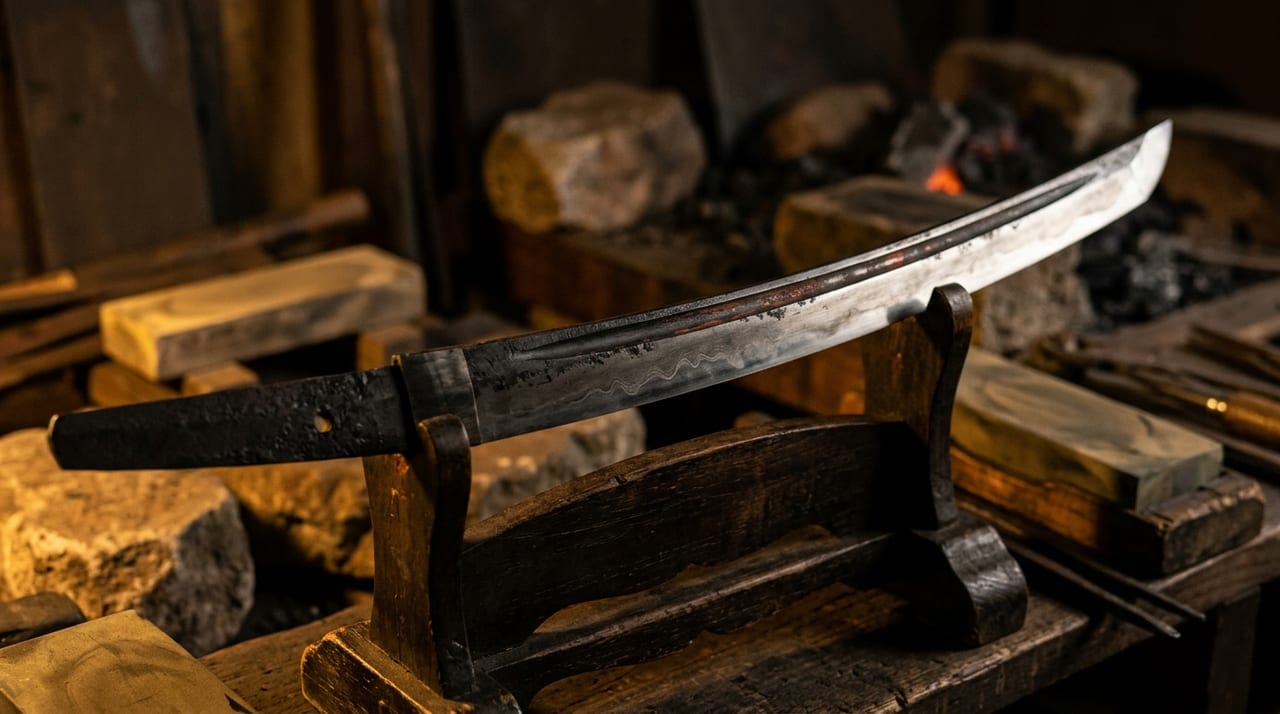
Just as gimei authentication on a blade is a specialized skill that examines the way the mei is cut and the style of the jigane and hamon, the authentication of tōsōgu is an independent specialty requiring an eye peculiar to metalwork. An appraiser skilled in blade assessment is not necessarily also well versed in tōsōgu authentication, and the reverse is equally true.
When collecting or purchasing tōsōgu, a judicious approach that synthesizes multiple perspectives is required: the thickness of the base plate, the depth of the carving, the urayuki (the finish on the reverse), and even how the patina has developed through age.
What to Check When Holding a Piece in Hand
There are limits to observation through photographs or a screen. If the opportunity arises to hold the actual piece, checking the following points as well will add to the basis for judgment.
- Weight and texture: Even with iron tsuba or shakudō tsuba of the same size, the sense of density and the impression of weight conveyed to the hand can differ between cast and forged pieces.
- How the color of the base metal has settled: On authentic tōsōgu that have been handled over many years, natural differences in patina develop between the recesses of the carving and the raised areas. On replicas that have been uniformly given an artificial aged appearance, this difference may be unnaturally flat.
- The finish of the urayuki: In addition to the design on the front, the care taken in finishing the reverse also varies by school convention, and a summarily finished reverse can be grounds for suspecting a replica.
There Is No Need to Dismiss Replicas Outright
Cast replicas were not necessarily made as "malicious forgeries." Among the export crafts made from the Meiji period onward and the mass-produced items made as tourist souvenirs, there were many that, on the premise of being cast, marketed themselves on the beauty of their design and affordable price. What becomes a problem is the case where a cast piece is fraudulently traded at a high price as though it were the work of a renowned Edo-period craftsman; the casting technique itself is not at fault.
Whether the purpose of collecting is "to affordably enjoy designs that hold up aesthetically" or "to own the handcraft itself of a specific school and era" will naturally determine which piece to choose. What matters is understanding which of these one is seeking, and then purchasing at a price and with an explanation commensurate with that goal.
Conclusion — Reading the Traces of the Hand
When appreciating tsuba and menuki, if one imagines not only the beauty of the surface design but also "what process brought this piece to its present form," the resolution of tōsōgu appreciation rises considerably. A line born from a single tagane strike and a line extracted from a mold will always show a difference when compared carefully. The eye that reads that difference is precisely the key that transforms tōsōgu collecting from mere acquisitive desire into intellectual inquiry.