Yaki-ire for Hitatsura — The Spectacular Sōshū-den Technique That Scatters Tobiyaki Across the Entire Blade
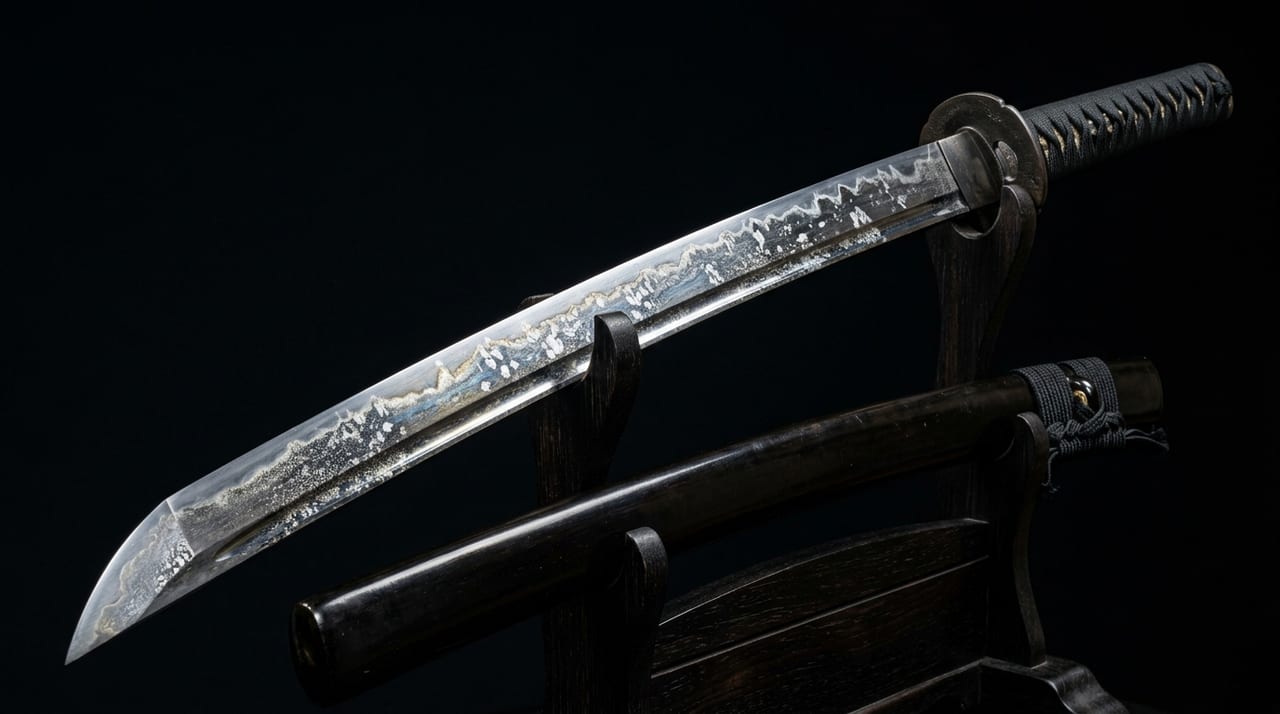 * Image is for illustrative purposes only.
Table of Contents
A Hamon That Fires the Entire Blade
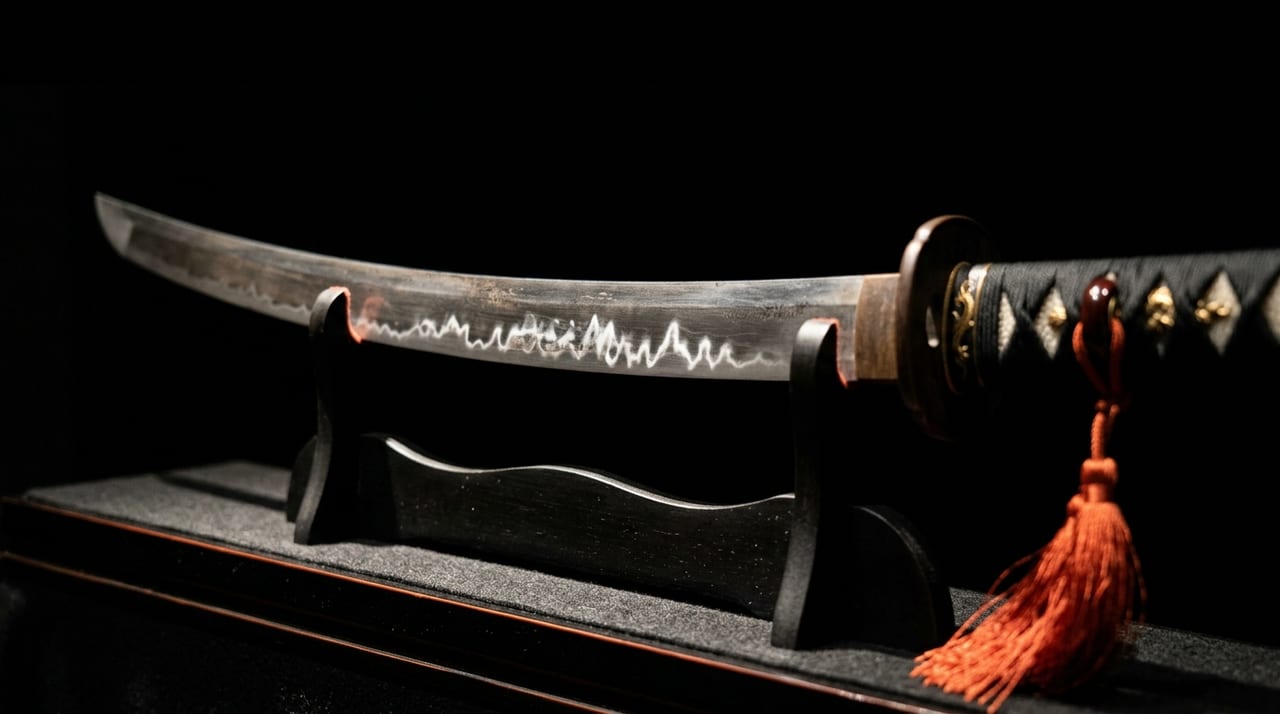
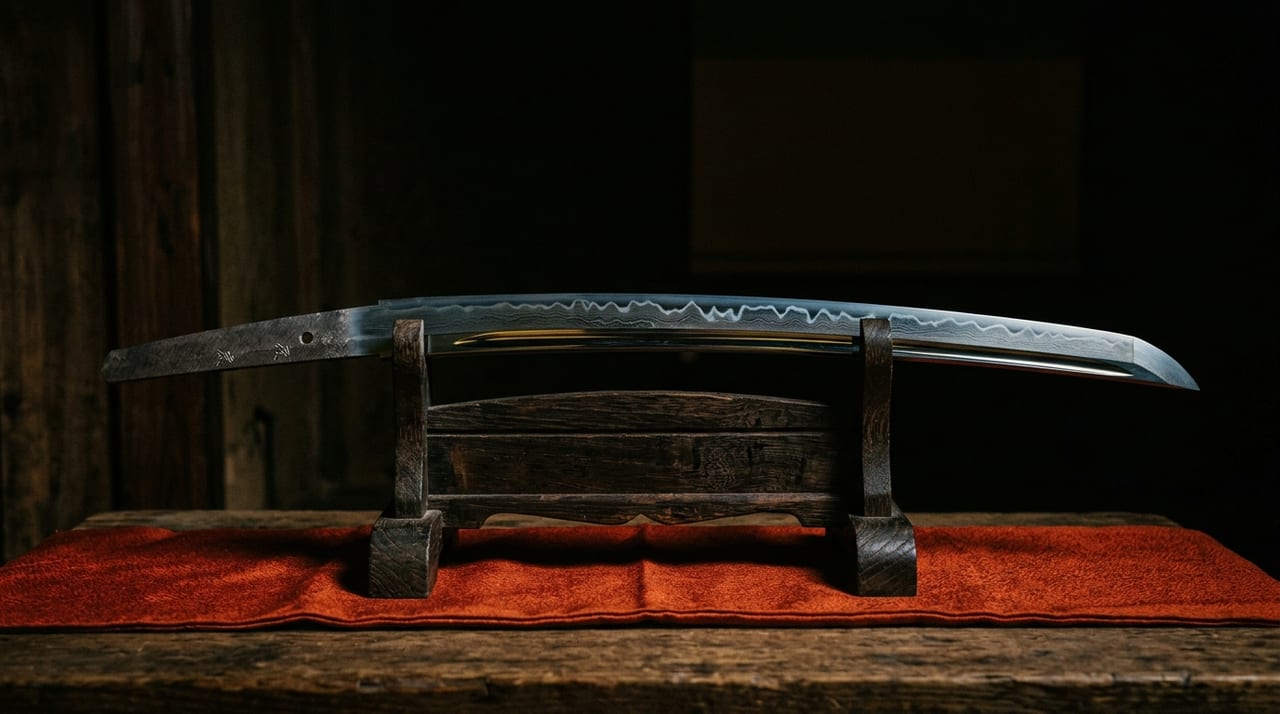
On a typical nihontō, the hamon appears only along the cutting edge. Yaki-ba clay is applied thinly over the edge and thickly over the mune (back of the blade) side, and upon rapid quenching, only the edge hardens and its boundary rises to the surface as the hamon.
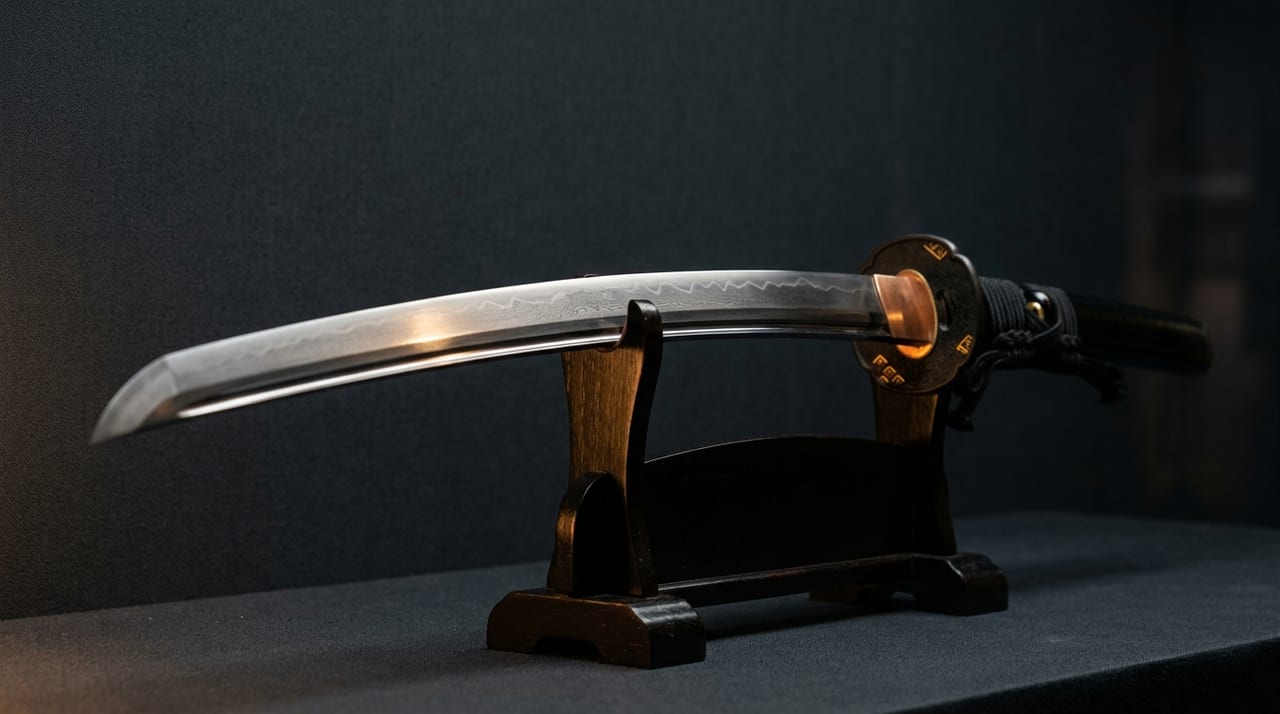
Yet there exists a spectacular and complex hamon in which the activity of the quench scatters in spots not only along the edge but also across the ji (the flat of the blade). This is called "hitatsura." The name comes from the phrase meaning "to burn everything," as the blade appears to be covered almost entirely by the scenery of yaki-ire.
The Scenery of Scattered Tobiyaki
The defining feature of hitatsura is that countless spots of quenching called "tobiyaki" are scattered across the ji, above the main hamon. Tobiyaki are small pockets of hardened steel that appear like islands in the ji away from the cutting edge, and their scattered presence creates a sparkling, jewel-like scenery across the entire blade.
Furthermore, it is often accompanied by "muneyaki," where the quench extends into the mune as well, so that the effects of yaki-ire reach the edge, the ji, and the mune alike. In contrast to the quiet restraint of suguha or a midareba, hitatsura is a hamon brimming with vitality and brilliance.
A Technique Born of Sōshū-den
Hitatsura is deeply tied to the style of Sōshū-den, which was brought to perfection in Sagami Province (present-day Kanagawa Prefecture) in the late Kamakura period. Sōshū-den is characterized by powerfully active nie (visible martensite crystals) and uninhibited hamon, and hitatsura is regarded as one of its supreme achievements.
During the Nanbokuchō period, masterworks in hitatsura were produced by tōkō (swordsmiths) who followed the lineage of Sōshū-den. Thereafter, hitatsura continued to be made by tōkō across the country who were influenced by Sōshū-den, as well as by tōkō of the later shintō period.
Tōkō Known for Hitatsura
Among the tōkō most celebrated for their mastery of hitatsura are Hiromitsu and Akihiro of Sagami Province from the Nanbokuchō period. Both are known for works in which hitatsura was quenched into wakizashi and tantō, and they are considered representative figures at the height of Sōshū-den's flowering. Also celebrated as masters of hitatsura is the Hasebe school of Yamashiro Province from the same Nanbokuchō period, and the kokuhō (National Treasure) "Heshikiri Hasebe" (held at the Fukuoka City Museum), renowned as a blade connected to Oda Nobunaga, stands as a representative work of hitatsura. Even after the Muromachi period, hitatsura was carried forward by tōkō around the country who studied Sōshū-den, and works emulating or challenging the style continued to emerge in later generations.
The Difficulty of Quenching Hitatsura
Hitatsura is a hamon that demands a level of technical skill exceeding even its visual splendor. The crux of its difficulty lies in the differentiated application of the clay coating and the control of cooling.
To scatter tobiyaki across the ji, one must apply the clay thinly at only the intended positions on the ji — which would not normally receive the quench — so as to coax the yaki-ire into those spots. Where the clay is applied thickly, the quench does not enter; where it is thin, it does. Carrying out this subtle differentiated application across the entire blade and yet achieving the desired scenery is an extraordinarily demanding feat.
Moreover, extending the quench into the ji means that the blade contains a large proportion of area that has hardened. Quenched areas are hard but brittle under impact. Hitatsura exists side by side with the risk of brittleness from over-quenching in exchange for its beauty, and the tōkō is required to exercise meticulous control so as not to compromise the blade's structural integrity.
Points to Check When Appreciating Hitatsura
When viewing an actual hitatsura blade, the use of light is key. By holding the blade up to a single light source and gradually changing the angle, the outlines of the tobiyaki scattered across the ji and the granular texture of the nie will emerge. There are three points to focus on:
- The shape and arrangement of the tobiyaki. Whether the island-like pockets of quenching are linked in a flowing sequence rather than appearing in disorder reflects the tōkō's concept behind the tsuchioki.
- The presence and continuity of the muneyaki.
- The activity within the hamon — whether sunagashi and kinsuji resonate with the scenery of hitatsura.
There are also points to be careful about. One should distinguish between a work in which tobiyaki merely intermingle slightly with a midareba, and a full-fledged hitatsura in which the quench extends across the ji and mune alike. Also, utsuri — which appears as a white haze rising in the ji — is a phenomenon of the ji and is separate from tobiyaki, so care should be taken not to confuse the two. In terms of condition, because hitatsura has such a wide area of quenching, it can sometimes be difficult to identify saiba (re-quenching) or signs of wear, so when buying or selling, it is advisable to make confirming the kanteisho (appraisal certificate) a basic practice.
The Control Behind the Splendor
At first glance, hitatsura may appear to be the result of yaki-ire that "ran wild." But in reality it is the product of a thoroughly calculated technique, born from highly advanced control of tsuchioki and of heating and cooling. Each individual tobiyaki that appears so uninhibited has been placed there by the intent of the tōkō.
When appreciating a hitatsura blade, look carefully at the placement of the tobiyaki scattered across the ji and the muneyaki. Behind that spectacular scenery lies the skill and courage of the tōkō, who deliberately extended the notoriously difficult-to-control process of yaki-ire across the entire blade.
Engaging with the Craft of Japanese Swords
TOUKENZA (operated by M-Assets Co., Ltd.) is an online marketplace for nihontō. Understanding the craft of forging is a key to appreciating each blade more deeply. Swords currently listed can be viewed in the online catalog, where they are also available for purchase. If there is a blade that interests you or if you have any questions, please feel free to contact us via the inquiry form.