The Technique of "Utsushi" — The Tradition of Modern Tōshō Reproducing the Form, Jigane, and Hamon of Famous Swords
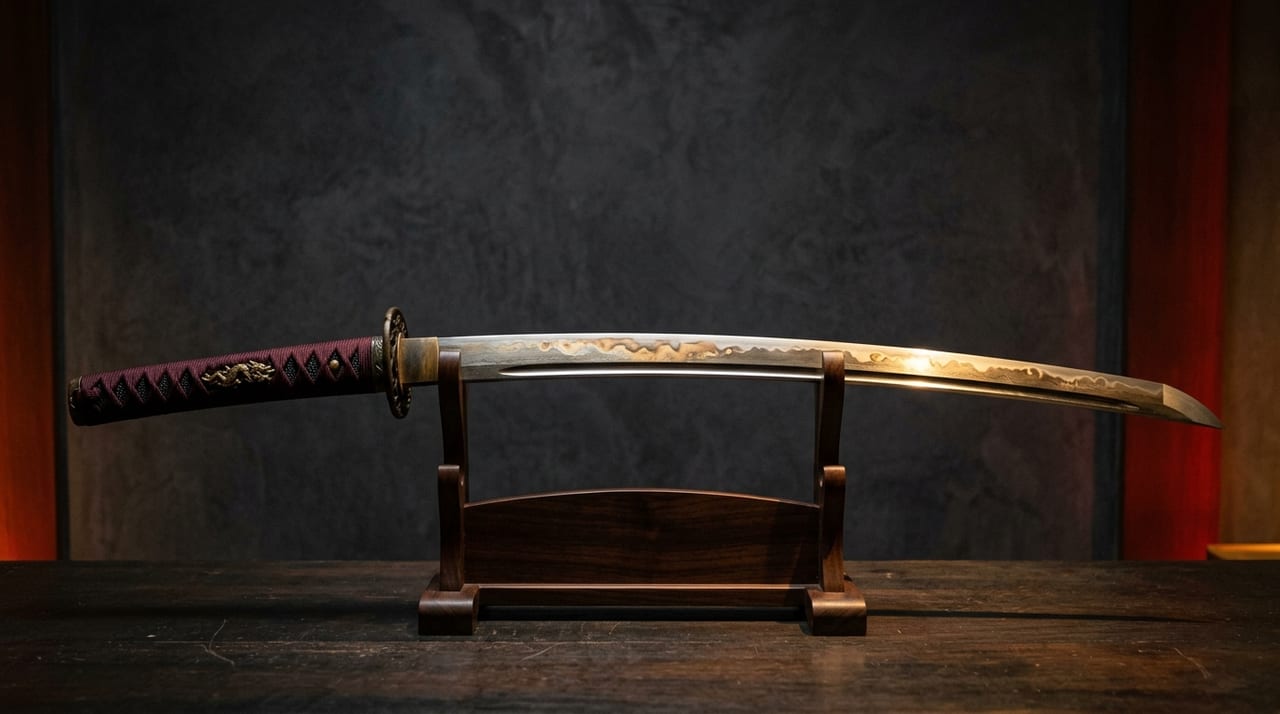 * Image is for illustrative purposes only.
Table of Contents
What Is "Utsushi"? — A Production Approach to Reproducing Famous Swords
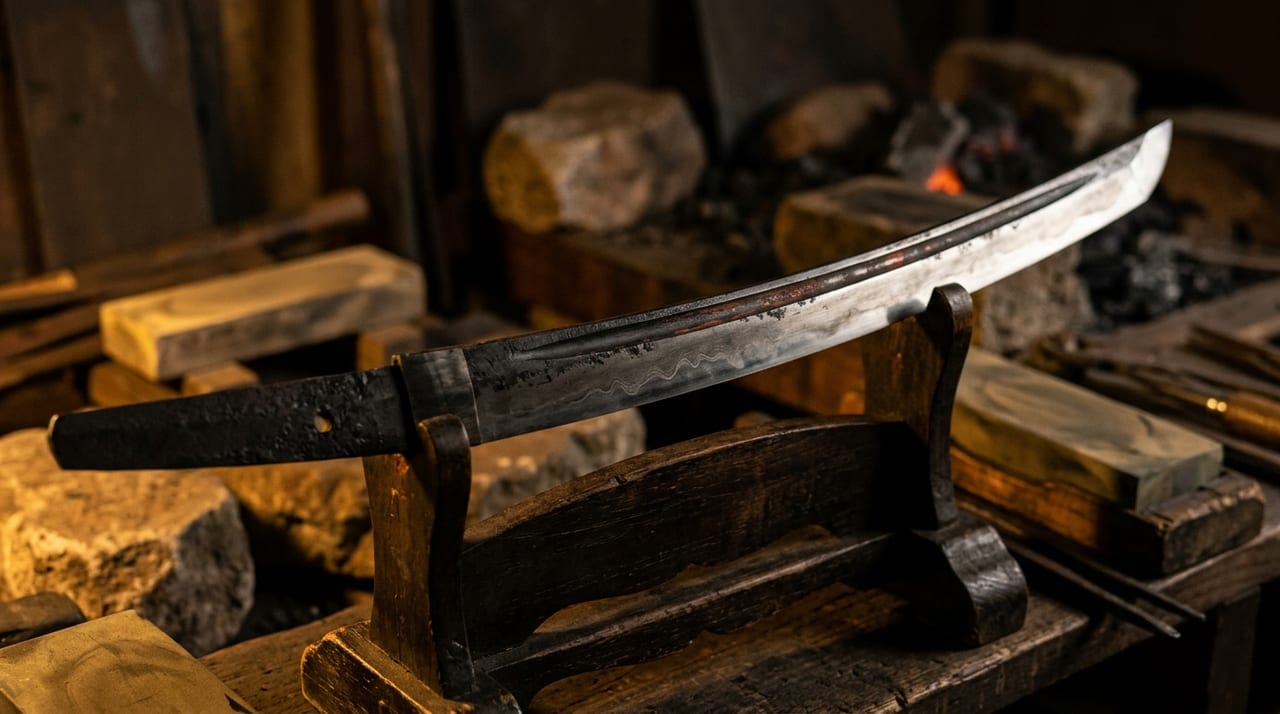
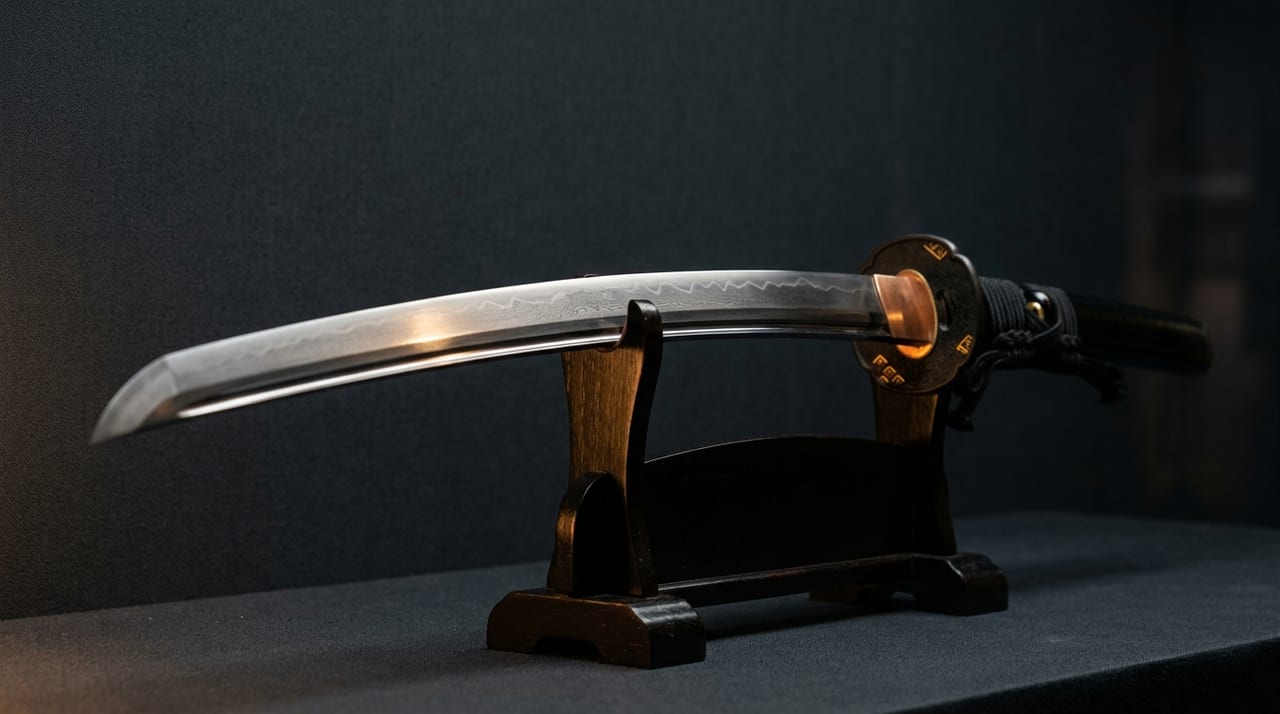
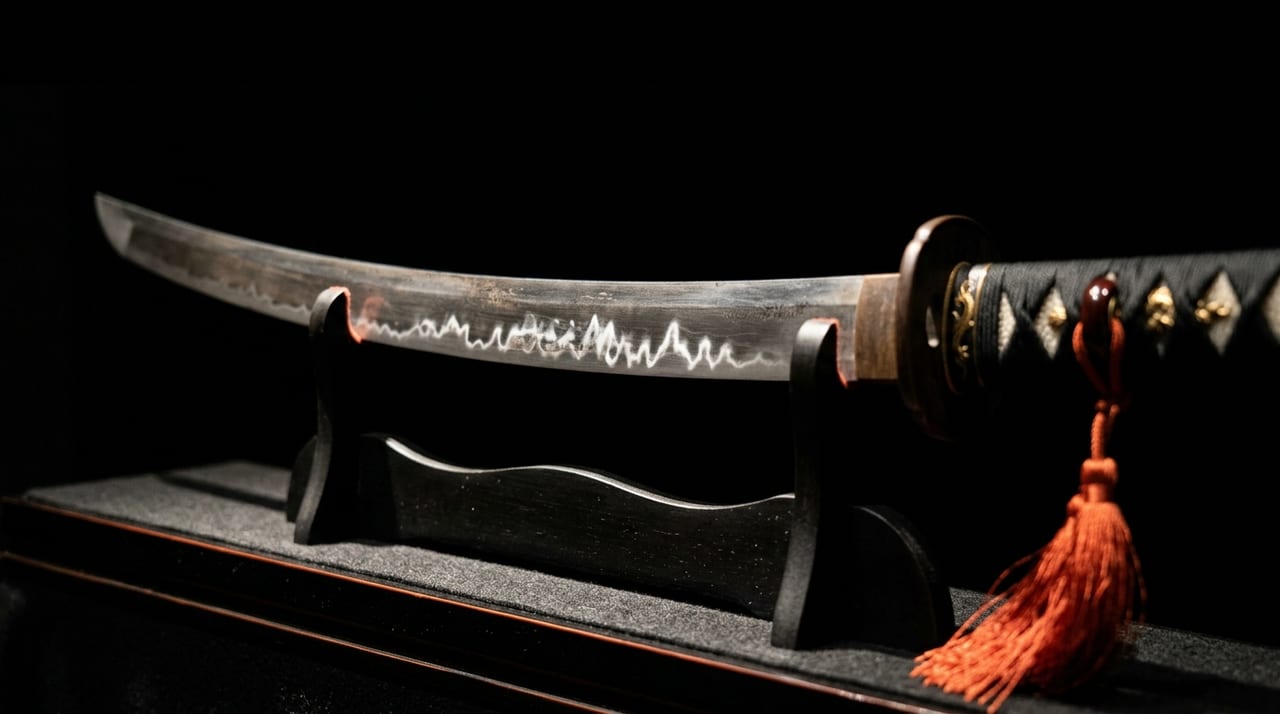
The world of Japanese swords has a distinctive production approach known as "utsushi." This refers to a style of swordmaking in which a modern tōshō attempts to reproduce, through their own skill, the form, jigane, and hamon style of a particular famous sword (called the honka). It is entirely different from "gimei" — forging the honka's mei fraudulently as a forgery. An utsushi sword bears the mei of the tōshō who made it, and in many cases an added inscription reading "○○ utsushi" makes it explicit that the work is a homage to the honka.
Popular subjects for utsushi include the style of Masamune and Gō Yoshihiro, representatives of Sōshū-den; the chōji hamon of the Bizen Ichimonji school; and tachi such as Mikazuki Munechika, celebrated as a meibutsu of the realm. Drawing on photographs and oshigata of surviving honka — or on memories of direct viewing — the tōshō endeavors to bring the three essential elements of a Japanese sword — form, jigane, and hamon — as close as possible to the original.
Why Make Utsushi? — The Meaning as Training
Utsushi is not mere imitation; it is also a form of advanced training for the tōshō. As discussed in the comparative study of jigane across the Gokaden, each tradition — Bizen-den, Sōshū-den, Yamashiro-den, and others — has its own characteristic jigane and hamon tendencies, and reproducing them demands not only technical skill alone but also an understanding of the aesthetic sensibility and processes each tradition valued.
- Reproducing the jihada with strong nie characteristic of Sōshū-den requires precise control of forging temperature and the number of folding passes.
- Forging the brilliant chōji hamon of the Bizen Ichimonji school requires working back from photographs of the honka to determine the shape of the tsuchioki and the timing of the yaki-ire (quenching).
- Reproducing the form requires measurement and forging skill to bring the proportional balance of motohaba, sakihaba, and the position of the sori close to those of the honka.
By repeating such efforts, younger tōshō systematically acquire the techniques of each tradition. Utsushi is a practical form of study for "learning a style by hand rather than by word."
Differences from the Honka — Limitations and Honesty
Utsushi has inherent limitations. The tamahagane smelted by tatara in the era when the honka was forged differs from tamahagane produced by modern tatara in the origin of the iron sand used as raw material and in the amount of impurities, making it fundamentally difficult to reproduce exactly the same jigane structure. Nor is it possible to reproduce in a freshly forged shintō the character of the jigane that has changed over centuries of aging (the "patina" and "luster" that come with the passage of time).
Fully aware of these limitations, tōshō set as their goal "approaching the spirit of the honka." An outstanding utsushi is evaluated not as a copy of the honka itself but as an independent work of art that reinterprets the honka's formal beauty through modern technique.
Utsushi and the Industry — Market Position
Utsushi swords occupy a distinct niche within the custom-order market for Japanese swords. It is virtually impossible for a private individual to acquire a honka designated as kokuhō or jūyō bunkazai, but a gendaitō made in the style of such a sword can be owned and appreciated at a price point that is vastly more accessible, allowing the owner to possess the formal beauty of a famous sword.
The value of an utsushi cannot be measured solely by how closely it resembles the honka. In the world of sword collecting, the skill of the tōshō who undertook the utsushi, and the standing that tōshō has received under the mukei bunkazai certification system, are also reflected in the evaluation of an utsushi work. A high-quality utsushi by a distinguished tōshō is traded among collectors as an independent work of art in its own right.
Differences Between Utsushi and Replica Swords — "Authentic Japanese Swords" Under the Law
Utsushi is fundamentally different from mozōtō (replica swords) made for iai practice or display. Whereas replica swords are treated as items displayed in museums or as tools not intended to be live blades, an utsushi is a genuine Japanese sword, forged from tamahagane and finished with yaki-ire (quenching). Accordingly, an utsushi sword, like any other Japanese sword, is possessed and traded with a registration certificate issued by the prefectural Board of Education.
This point is easily overlooked when purchasing or appreciating an utsushi, but it is an important distinction. An utsushi is both "a work of art made to resemble the honka" and, without question, a single Japanese sword in which the intangible tradition of swordsmithing lives on in concrete form.
Conclusion — Reproduction as a Technique Connecting Tradition to the Future
The utsushi production approach is both a means of transmitting the form of famous swords to future generations and a training ground where modern tōshō enter into a technical dialogue with the great masters of history. The value of utsushi as a cultural practice lies not in aiming to surpass the honka, but in the very attitude of striving to understand the aesthetic sensibility of the honka and to embody a part of it through one's own hands.
When you come across a gendaitō labeled "utsushi" at a sword dealer, try paying attention to which honka it attempts to reproduce and in the style of which tradition — you will find a new perspective opening up on the appreciation of Japanese swords.