The "Handoff of Intent" Between Tōshō and Togishi — The Philosophy of the Finished Blade Conveyed After Forging, and the Reality of Their Collaboration
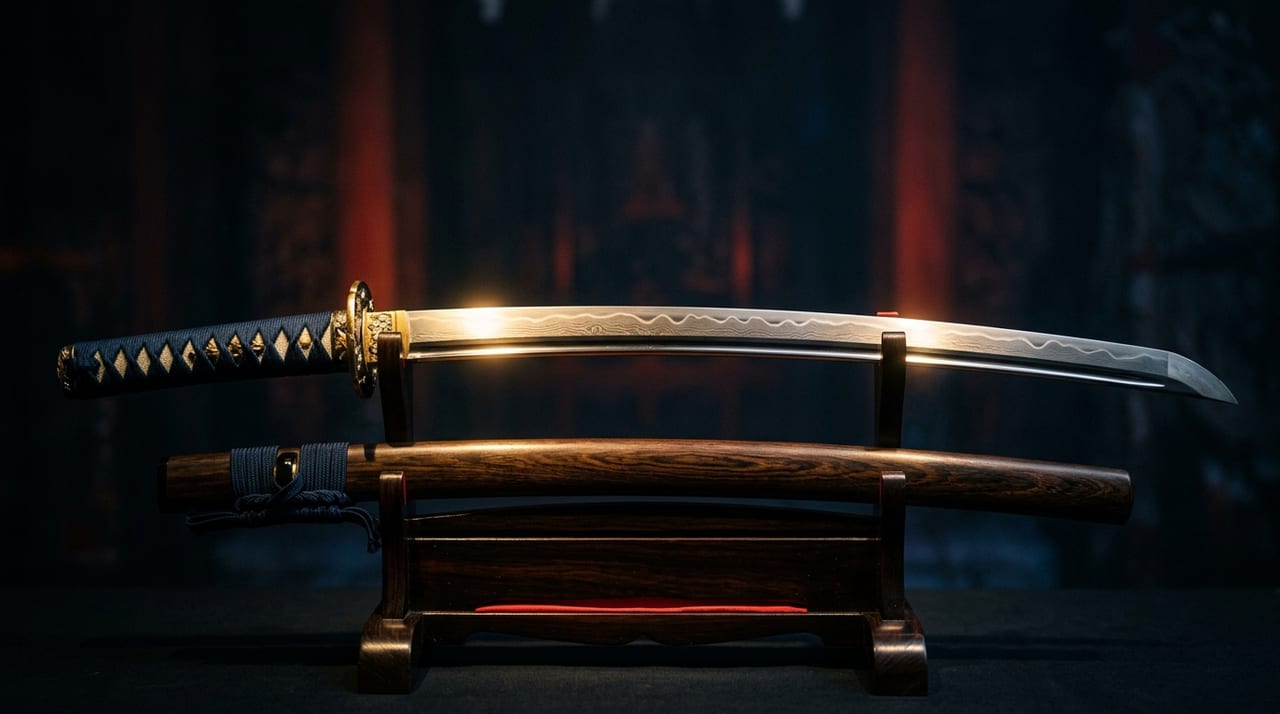 * Image is for illustrative purposes only.
Table of Contents
A Nihontō Is Not the Work of the Tōshō Alone
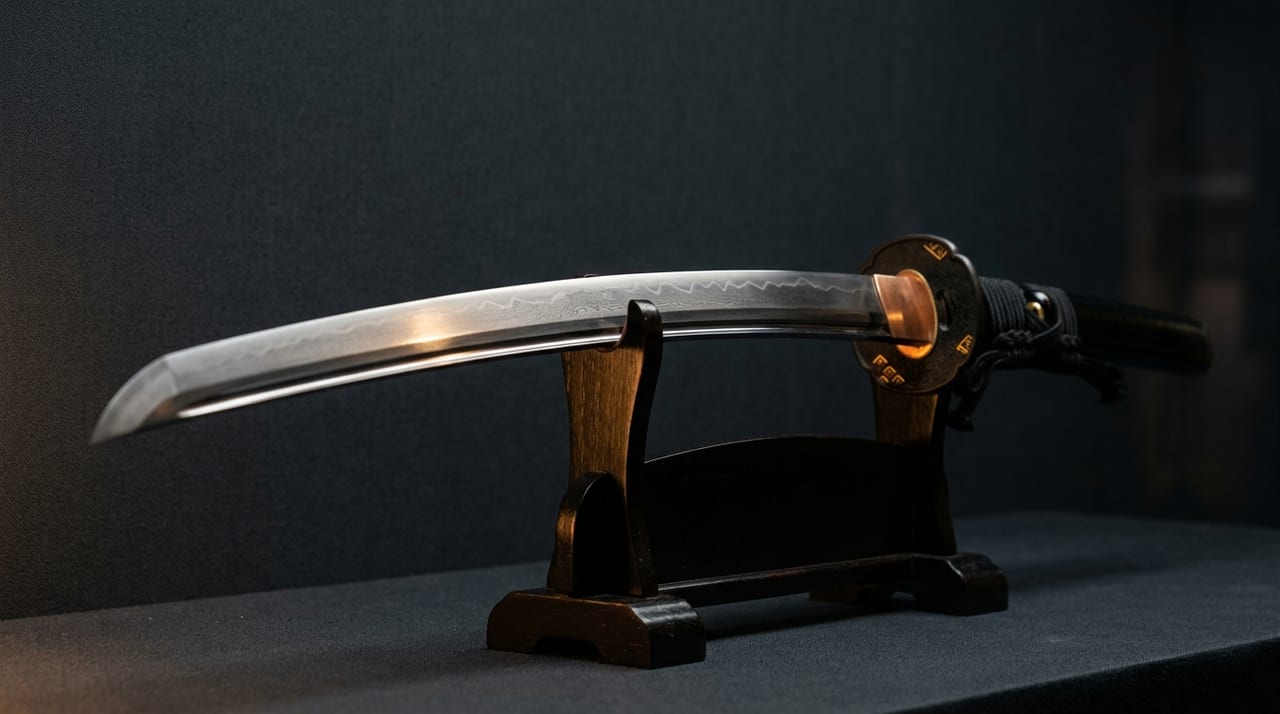
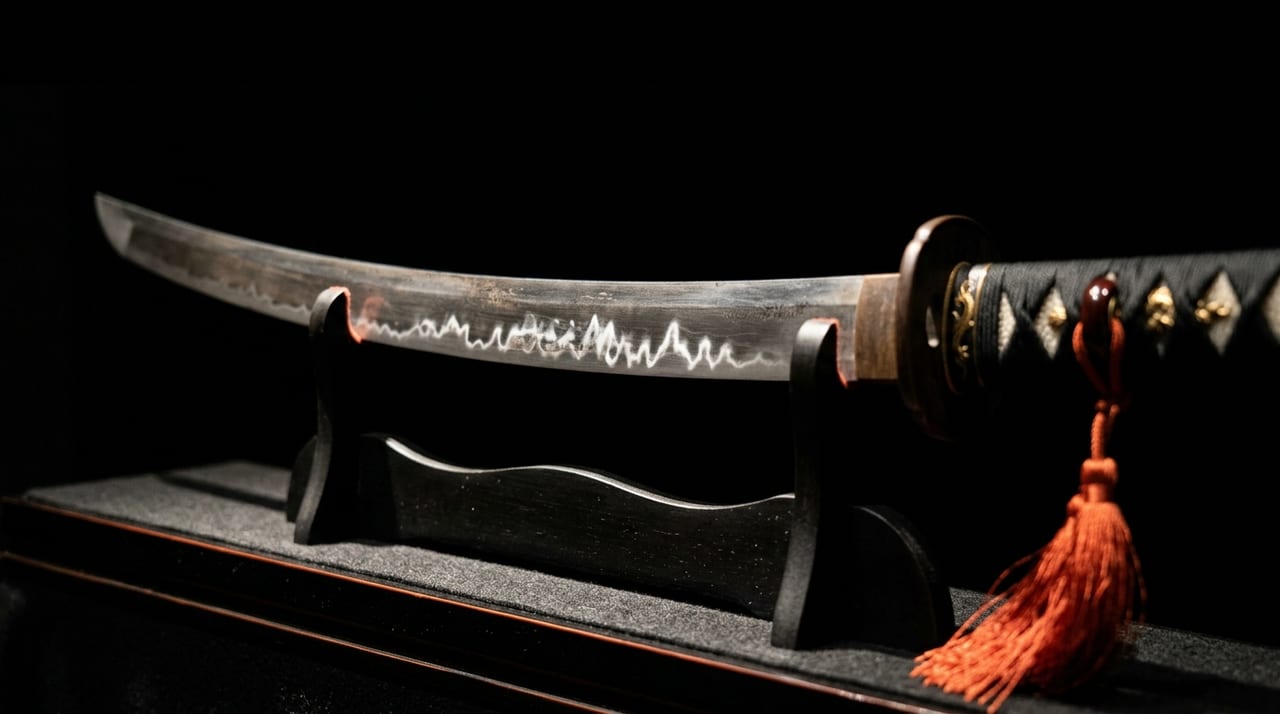
A nihontō is not complete simply by the tōshō forging it. Only when the blade — after quenching — passes into the hands of the togishi does it acquire a form that can be seen. It is through polishing that the texture of the jigane, the brilliance of the hamon, the utsuri, the nie, and the nioi are drawn out. The specific steps of the finishing polish are described in detail in Hadori and Nugui.
In other words, the finished nihontō is the result of the joint work of tōshō and togishi. Yet the two are independent craftsmen working in separate workshops, and opportunities to convey the intent of "what kind of blade to produce" are limited. This "handoff of intent" is the key to producing a masterwork blade, and also the most delicate process — one that can equally be the source of failure.
Information the Tōshō Should Convey to the Togishi
In a typical commission, it is often the case that the tōshō does no more than hand the blade to the togishi. A skilled tōshō, however, prepares a "brief of intent" to pass on to the togishi. Its contents cover mainly the following points.
- Highlights of the jigane: What are the distinguishing features of this blade's jigane? Which grain pattern predominates — itame, mokume, masame, or ayasugime? Is utsuri expected to appear? If nie-ashi are concentrated around the hamachi, please focus the polishing there — specific instructions of this kind are conveyed.
- Priority areas of the hamon: The hamon is often not uniform across an entire blade. If, for instance, the moto side (the root end of the blade) shows a rich, varied chōji while the saki side (toward the kissaki) is closer to suguha, the togishi must adjust the polishing differently for each area.
- Overall direction: It is important to convey the conceptual direction in words — for example, "I want the rugged, masculine quality befitting a warrior's practical blade" or "Bring the quiet utsuri to the fore and prioritize aesthetic beauty for appreciation." If the togishi finishes the blade on their own judgment while the verbal communication remains vague, the result will differ from the tōshō's intent.
What the Togishi "Reads" from the Blade
On receiving the brief of intent, the togishi first undertakes the work of "reading" the blade for themselves. At the rough shitaji-togi (foundation polishing) stage, the togishi examines the structure of the jigane and judges the depth of the quenching (the width of the hardened zone), the density of the nie, the course of the chikei, and the presence and location of utsuri.
This capacity to "read" is a skill grounded in experience. A seasoned togishi can, the moment they hold the blade to the light, determine that "this blade is primarily nioi-deki and should be finished closer to suguha." An inexperienced togishi, by contrast, may fail to follow the tōshō's intent and needlessly grind away beautiful nie.
The Philosophy of Togi — "Drawing Out" or "Creating"
The most fundamental question in a togishi's philosophy is: "What does togi do to a blade?" Broadly, there are two positions.
The "drawing out" philosophy: The togishi's work is to draw out, using the whetstone as a tool, the beauty of the jigane and the brilliance of the hamon that already exist within the blade — this is the underlying idea. It respects the fact that the tōshō forged the blade, and holds that the togishi should be a humble assistant. Under this philosophy, "the togi must not come to the fore," and the goal is a clear, polished surface that leaves no trace of the whetstone.
The "expressing" philosophy: While taking the tōshō's intent as a foundation, the togishi completes the blade through their own interpretation and skill — this is the underlying idea. It positions the togishi as "the blade's final author" and involves them more actively in the act of expression. Most traditional togishi communities hold the former ("drawing out") philosophy as their principle, though among younger togishi today there are those who bring in their own aesthetic sensibility.
Spaces for "Dialogue" Between Tōshō and Togishi
In recent years, opportunities for regular dialogue between tōshō and togishi have increased. In addition to the two meeting during NBTHK training programs and exhibition preparation processes, exchange gatherings for younger tōshō and togishi have emerged.
For blades to be entered in exhibitions or assessments, the tōshō may convey to the togishi the nature of the jigane, the intent behind the quenching, and which areas went as planned and which did not, after which the togishi decides on the direction of the togi. This handoff of intent leads to a togi that brings out the blade's distinctive character.
Examples of Failure — "Over-polishing" and "Under-visibility"
When the handoff of intent is insufficient, two types of failure tend to occur.
- Over-polishing: In attempting to make the nie of the jigane stand out, excessive polishing causes the rough, natural texture of the jihada to be lost, leaving an artificial glossy surface. The rugged character the tōshō intended can also be damaged.
- Insufficient polishing (under-visibility): The nie lying deep within the hamon fails to emerge because the whetstone does not reach far enough, resulting in the blade being judged at assessments or exhibitions as having "a plain hamon." It is a regrettable outcome in which the richness within the tōshō's blade cannot be brought to the surface.
The relationship between cutting sharpness and polishing angle is explained in Blade Angle and Togi.
The "Silent Contract" That Tradition Preserves
How did the historical togishi who polished blades by master craftsmen receive the tōshō's intent? Records are sparse, but a shared philosophy held that "the blade speaks." If one reads the blade itself deeply, what the tōshō aimed for becomes clear — the togishi refined the skill of listening to that "voiceless voice."
That spirit lives on today. The silent contract exchanged between tōshō and togishi — that is the foundation that makes the nihontō a "collaborative art" unlike anything else in the world.