Yaki-ire of the Bōshi — How to Quench the Hamon at the Kissaki, the Step That Demands the Most Care from the Tōkō
 * Image is for illustrative purposes only.
Table of Contents
The Hamon of the Kissaki: Bōshi
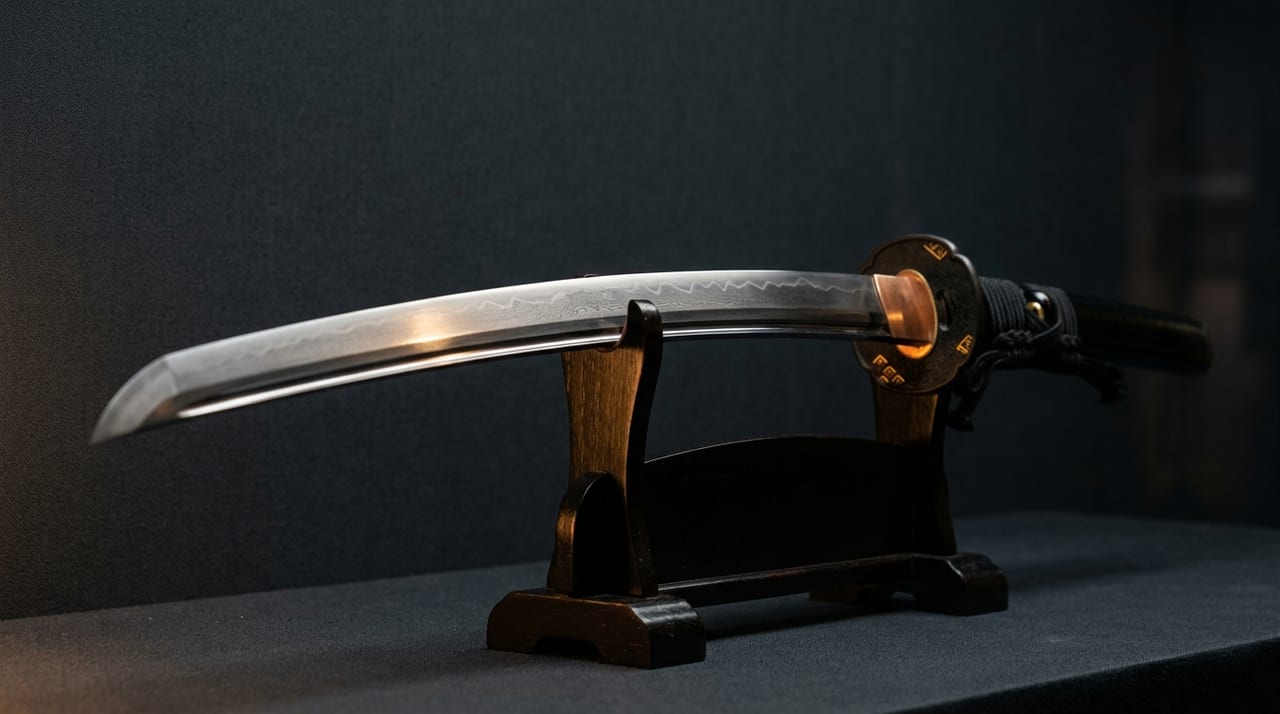
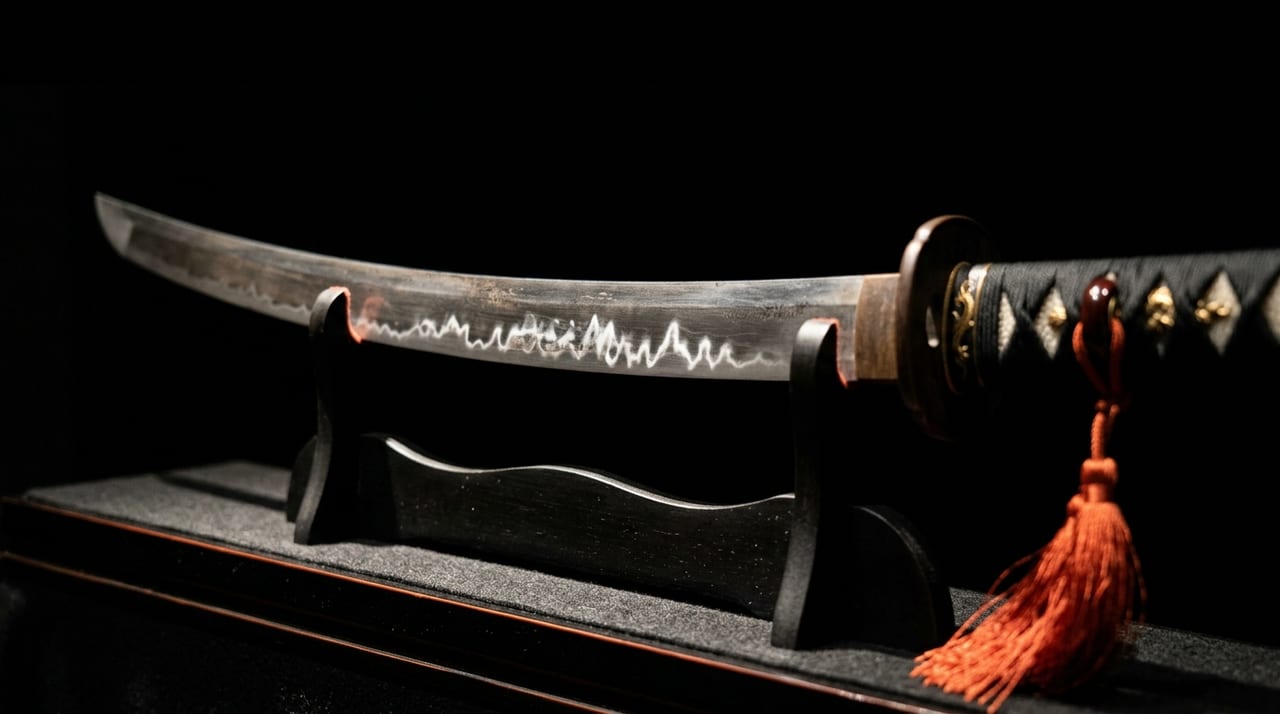
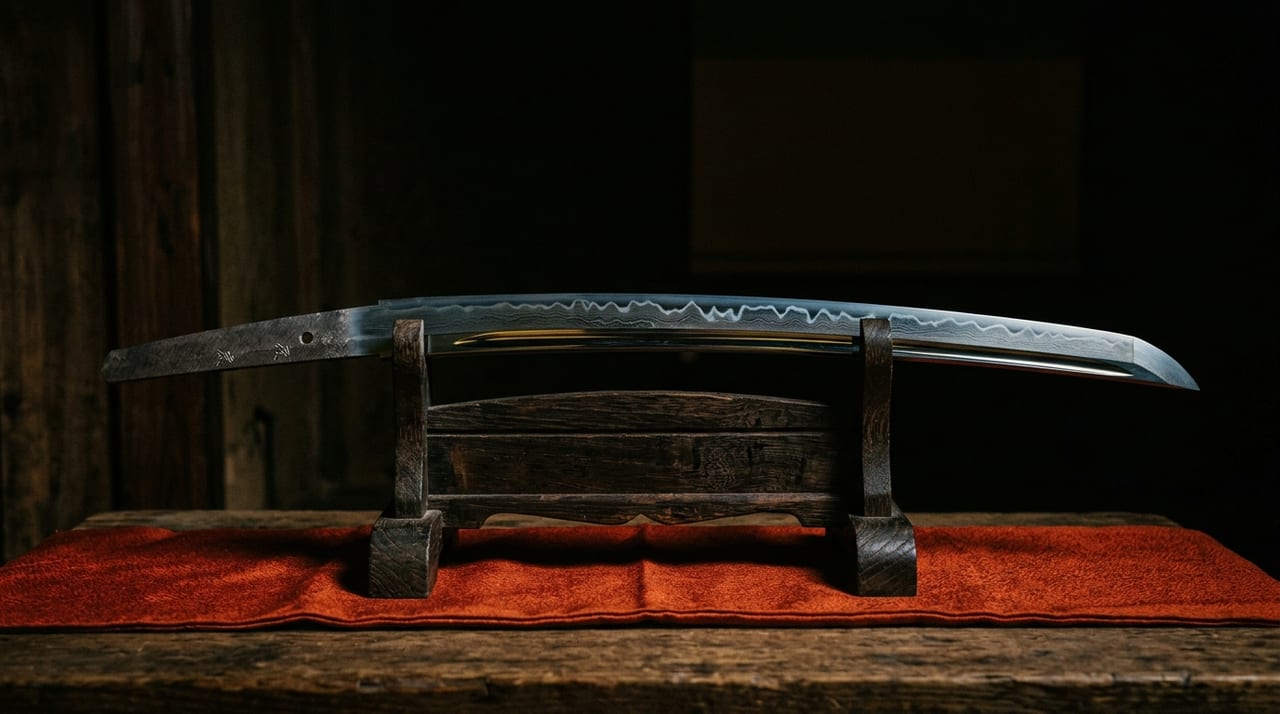
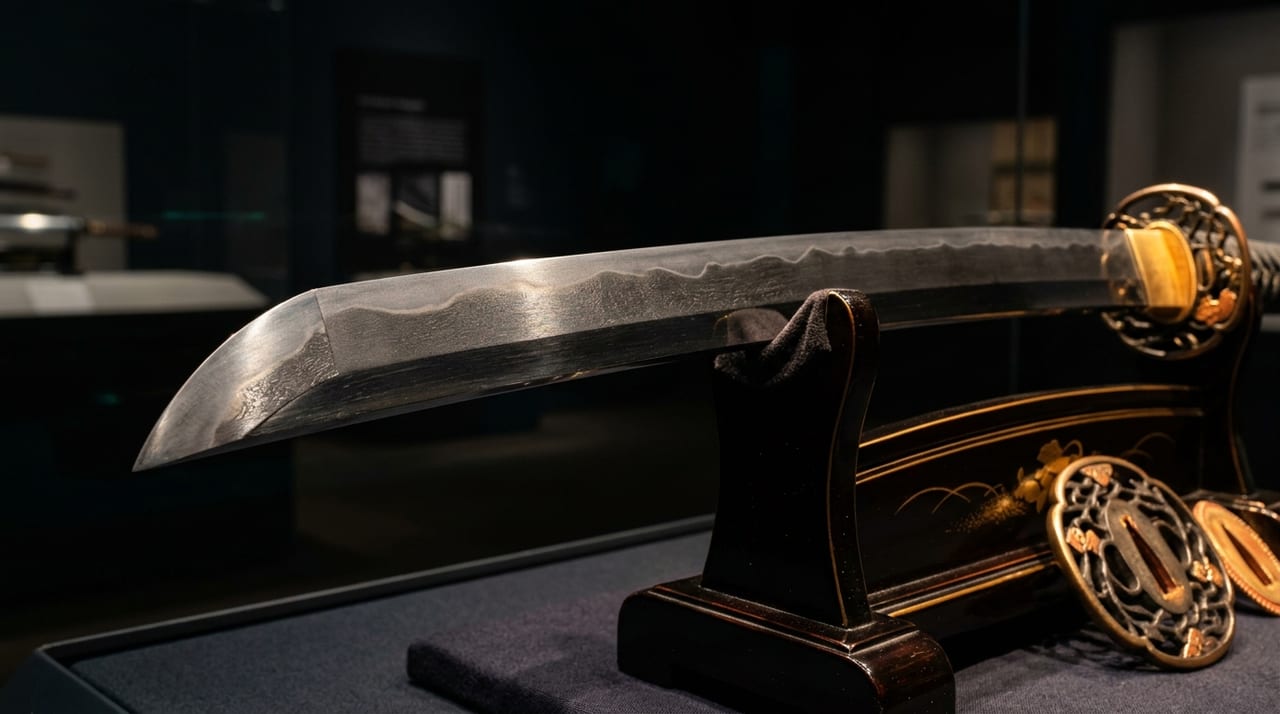
The hamon runs along the entire length of a nihontō blade, but the hamon that appears at the kissaki is given the special name "bōshi." It refers to the hamon that curves around from the yokote to the tip of the kissaki, forming the continuation of the blade's hamon as it extends into the kissaki.
The bōshi is regarded as extremely important both in the appreciation of swords and in the craft of making them. This is because the bōshi is the area where the skill or lack thereof in yaki-ire shows most plainly.
Why the Kissaki Is Difficult to Quench
Yaki-ire is the process of applying "yakiba-tsuchi" (quenching clay) in different thicknesses across the blade, heating it, and then plunging it into water for rapid cooling. By applying the clay thinly on the ha (edge) side and thickly on the mune side, only the edge hardens and the hamon is formed.
The kissaki, however, operates under very different conditions from the rest of the blade. The steel at the kissaki tapers thinner and narrower toward the tip, which means heat escapes more quickly there during rapid cooling, making it prone to excessive hardening. When the steel is hardened too much, it becomes brittle, and in the worst case the kissaki can chip or crack.
Furthermore, the kissaki is also the part of the sword that bears the greatest practical stress in use, making the combination of hardness and toughness especially critical there. Even a slight error in the clay application can cause "yaki-ochi" — the hamon disappearing partway through — or conversely, the blade hardening too deeply and becoming brittle.
Yakizume and Komaru — Creating Different Forms of the Bōshi
The bōshi can take several forms, and the tōkō quenches each one intentionally. The following are among the most representative types.
| Form | Characteristics |
|---|---|
| Komaru | The hamon turns back in a small, rounded shape at the tip of the kissaki; considered the most basic and stable form of bōshi |
| Ōmaru | A form with a large turn-back |
| Yakizume | The hamon appears to fade without turning back at the tip; often seen in Yamato-school swords |
There are also many other varieties, including bōshi with a turbulent pattern and those featuring hakikake.
The form taken by the bōshi is determined by the shape and amount of yakiba-tsuchi applied to the kissaki and by the manner of cooling. The tōkō performs the tsuchioki at the kissaki with great care, keeping in mind the harmony with the hamon of the entire blade.
A Practical Method for Observing the Bōshi
There is a knack to appreciating the bōshi. First, hold the blade up to a point light source (a lamp or similar light from a single point) and tilt the kissaki slightly toward the light as you move your gaze from the yokote-suji to the tip. The appearance of the hamon changes greatly depending on the angle of reflected light, so the key is to shift the angle gradually until you find the position where the hamon stands out brightly in white.
There are three points to check.
- Whether the hamon continues firmly past the yokote all the way to the kissaki
- What form the hamon takes as it turns at the tip — komaru, ōmaru, or yakizume
- The depth of the turn-back — how far the turned hamon descends toward the mune
By working through these three points in order, you will find yourself able to describe the form of that sword's bōshi in your own words, raising your appreciation by a full degree.
The Hataraki Visible in the Bōshi
The bōshi reveals not only the outline of the hamon but also fine hataraki (activity) within the blade, such as nie and nioi. When streak-like activity resembling brush strokes made with a broom is visible along the hamon of the kissaki, it is called "hakikake," and it creates a distinctive appearance. Such hataraki is part of the individuality of a maker's style and also serves as material for considering the school or lineage of the tōkō.
However, these are also delicate features that are difficult to capture in photographs. When examining a sword through images, it is advisable to compare multiple close-up photographs of the kissaki from different angles and to confirm any unclear points with the seller.
Saiha and the Bōshi — A Clue to Assessing Condition
When a sword that has lost its hamon through a fire or similar event has yaki-ire performed on it again, this is called "saiha." It is said that a sword that has undergone saiha tends to show unnatural features in the hamon near the bōshi and the hamachi, and since ancient times the bōshi has been regarded as one of the clues for detecting saiha. This is one reason the bōshi is said to be "the part of the sword that speaks to its soundness."
The Weight of the Bōshi in Kantei
The bōshi is also an important clue for identifying the school and period of a sword in kantei (connoisseurship). Just as the aforementioned yakizume is considered a characteristic of Yamato works, the form of the bōshi frequently reflects the lineage of the maker.
Moreover, even on a sword that has undergone suriage — the alteration of shortening the nakago — the bōshi at the kissaki often survives intact, and the quality of the bōshi thus also serves as a gauge of the sword's overall soundness. Whether the bōshi has been "yakizumatte" and remains in sound condition is important information that speaks to the state of the sword.
Technique Concentrated in a Single Point
The bōshi is the single point where the yaki-ire technique of the entire blade is ultimately concentrated. Even if the broad expanse of the blade has been quenched splendidly, a failure in the bōshi at the kissaki greatly diminishes the evaluation of the work. For this reason, the tōkō directs his utmost concentration toward the kissaki at the very end of the tsuchioki.
Try holding the kissaki of a finished sword up to the light and tracing the form of the bōshi's turn-back. In those few centimeters of hamon, the total concentration of a tōkō who took on the one-time challenge of yaki-ire is condensed.
Discover the Craft of Japanese Swords
TOUKENZA (operated by M-Assets Co., Ltd.) is a nihontō marketplace that sells Japanese swords online. Learning about the craft of sword-making provides a gateway to a deeper appreciation of each sword. The swords currently listed can be viewed in the online catalog and are available for purchase. If you have a sword that interests you or any questions, please feel free to contact us via the inquiry form.