Tanto (Short Sword) Forging Techniques and Differences from Long Swords - Material Selection, Process Adaptation, and Testing Methods for Miniaturization
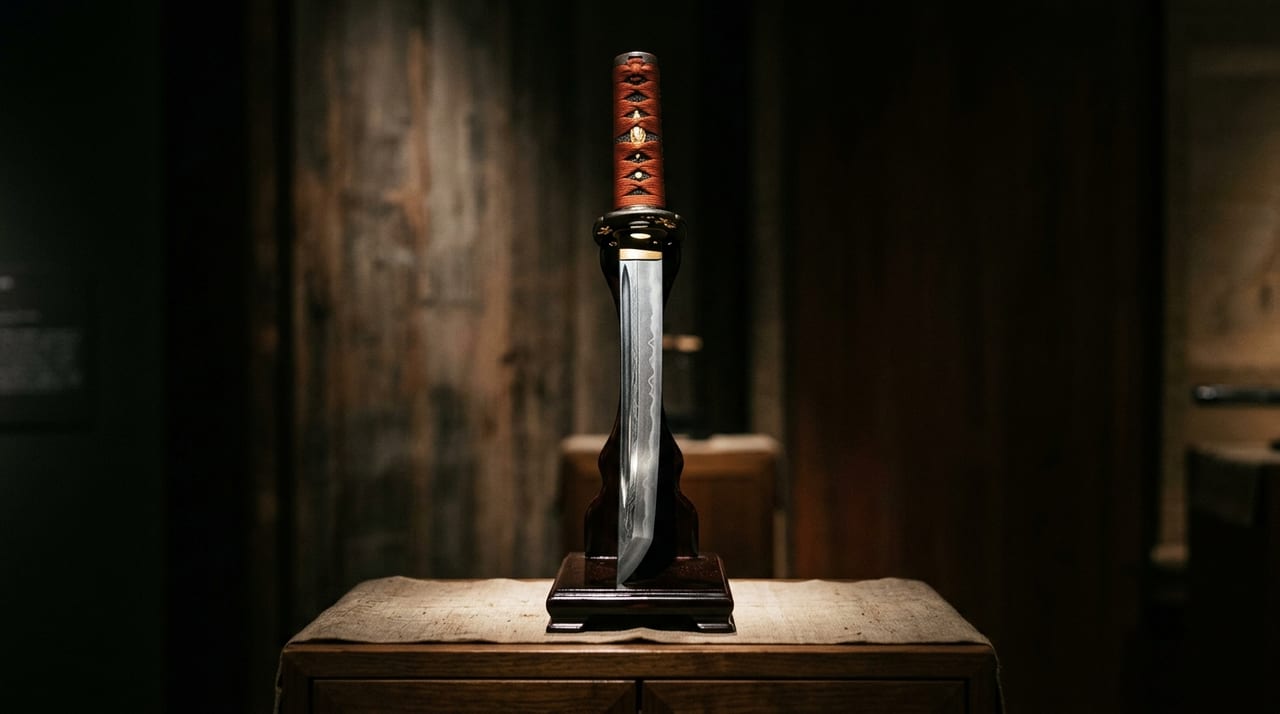 * Image is for illustrative purposes only.
Table of Contents
A tanto is a collective term for swords with a blade length under 2 shaku (approximately 60cm). Compared to longer swords, the materials are limited and distinct forging techniques with different processes exist. This article clarifies the practical processes of tanto manufacturing and the important differences from longer swords.
Definition of Tanto and Selection of Tamahagane
Tanto are classified by blade length.
- tanto: blade length under 2 shaku (approximately 60cm). Particularly developed from the wearing sword culture after the Edo period.
- wakizashi: blade length 1.5–2 shaku. A medium-sized tanto.
- Concealed dagger (kaiken): blade length around 1 shaku. Highly decorative.
The first challenge in tanto manufacturing is the selection of tamahagane. Longer swords can split large tamahagane blocks to separate the core steel and outer steel, allowing multiple types of steel to be layered. In contrast, tanto can yield only about 2 pieces from a single tamahagane block, resulting in poor material efficiency.
The bladesmith determines the carbon content of the tamahagane early to ensure quality suitable for tanto. Because tanto undergo sharper hardening than longer swords and carry higher brittleness risk, the carbon content of the core steel tends to be limited to the range of 0.7–0.9%.
Rough Extension (Sube) and Innovations in Fire Forging
Fire forging of tanto becomes more difficult in temperature control because the blade is short.
In the case of longer swords: Because the blade is long, one end can be inserted into the furnace for heating while the other end is simultaneously struck with a hammer. By utilizing the temperature gradient, a temperature difference between the tip and the base is created, allowing the curve to form naturally.
In the case of tanto: The entire blade must be quickly inserted into the furnace and heated uniformly throughout. Contact time with the furnace is short, and temperature drops rapidly. For this reason, tanto smiths often modify furnace placement and use small furnaces dedicated to tanto.
In tanto fire forging, because the blade curve is difficult to form naturally, curve correction after hardening is even more important than for longer swords.
Tumi-wakashi (Stacking-Heating) and the Bonding of Core and Outer Steel
With tanto, the number of layers of core and outer steel is often reduced compared to longer swords.
Longer sword layering: Folding and forging is repeated 12–20 times, creating hundreds of layers of steel.
Tanto layering: Folding and forging is limited to approximately 6–12 times. The reasons are material efficiency and forging time. The manufacturing period for tanto is often set at roughly half that of longer swords, so the number of folds is reduced to shorten the production schedule.
In compensation, tanto smiths carefully perform tumi-wakashi (stacking-heating). Multiple steel blocks are stacked, heated, and forge-welded to maximize the strength of the unified whole. Because there are fewer layers, the quality requirements for welding per layer increase.
Boushi (Point Guard) and Hardening of the Kissaki
The kissaki of tanto is often designed at a sharper angle than longer swords, making hardening an extremely difficult area.
The boushi of the kissaki on longer swords is adjusted by the thickness of the clay coating and how the hamon appears. With tanto, the clay coating becomes more delicate, and the appearance of the hamon changes at the millimeter level.
Tanto smiths suppress the "fukurami" (bulge) of the kissaki and narrow the tip. This step is first assessed during the polishing stage, and the success or failure of hardening is revealed during final polishing. Hardening cracks and edge failures occur readily, which is why the discard rate is 5–10% higher than for longer swords.
Dimensions and Strength Design of the Nakago
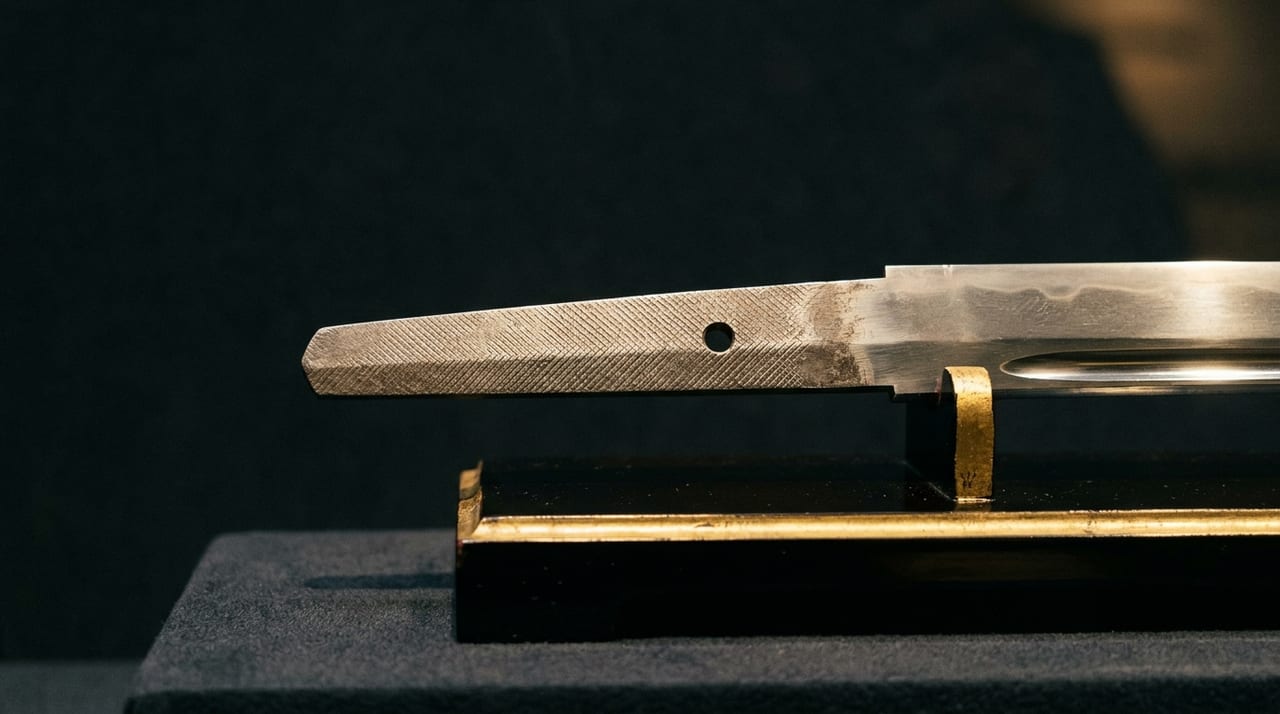
The nakago of tanto has a thicker ratio relative to the cross-section of the blade compared to longer swords.
Longer sword nakago: The blade base width is wide, and the nakago tapers gently to become narrow.
Tanto nakago: Because the blade base width is relatively narrow, the nakago dimensions become thicker than in longer swords, and the proportion of the nakago's mass in the total tanto increases.
Tanto are easily dropped or subjected to impact when inserted into the belt. To prevent the nakago from breaking, the bladesmith maintains nakago thickness and incorporates a design to prevent nukikizu (cracks at the junction between nakago and blade).
The shape of the nakago butt is also different. Tanto employ a chestnut-shaped butt (kurijiri) or sword-shaped design to ensure strength even with a short nakago.
Tameshigiri Testing and Evaluation Criteria for Tanto
Tameshigiri (test cutting) is sometimes used to authenticate tanto.
Longer sword tameshigiri: Straw bundles or bamboo are used as targets to inspect cutting sharpness and the presence of damage. The strength of the entire blade is evaluated.
Tanto tameshigiri: Due to the shortness of the blade, tanto cannot cut as large targets as longer swords. Instead, the sharpness of the edge, the durability of the blade (absence of blade chipping during continuous cutting), and the strength of the nakago are evaluated comprehensively.
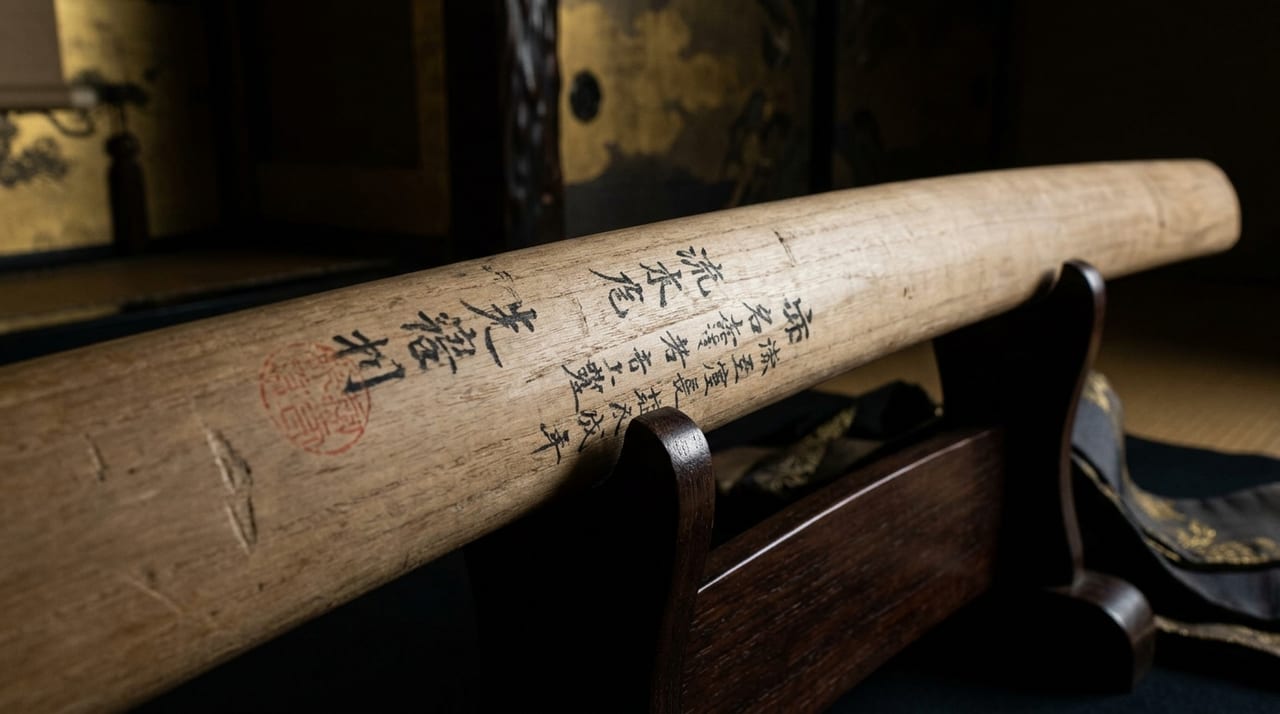
After tameshigiri, tanto lose commercial value. For this reason, old tanto sometimes bear tameshigiri marks that serve as evidence in authentication. Conversely, even tanto without tameshigiri marks may have had the traces removed by modern polishing, so the polisher's assessment is important.
Time, Cost, and Market for Tanto Manufacturing
The manufacturing period for tanto can be reduced to 60–70% of that for longer swords. This is due to reduced folding and forging cycles, simplified hardening preparation, and shortened polishing processes.
On the other hand, market prices for tanto are roughly equal to or slightly lower than those of longer swords. As material costs are reduced, profit margins are lower than for longer swords.
This is why, when ordering new tanto, smiths typically set their prices 30–40% lower than for longer swords. The tanto market has established aesthetic standards for Edo-period swords, and new tanto are expected to balance "practical functionality and artistic value."
Craftsmanship and Transmission of Tanto Forging Technique
Mastering the manufacturing technique of tanto sometimes takes longer than for longer swords. This is because tanto have fewer processes, so the quality of each single step has a larger impact on the whole.
Small failures that can be covered by complex layering in longer swords are directly reflected in the finish of tanto. This is why tanto-specialized smiths are often renowned for material selection, strength management in tumi-wakashi, and precision in hardening.