最新消息 — 最新入荷資訊請查閱商品目錄。 查看 →
從古代到現代,探索各時代刀劍文化與歷史事件的文章群。
《平家物語》和《太平記》中所描寫的太刀,究竟能在多大程度上作為史實使用?本文比較物語的類型與實物太刀,整理在刀劍史研究中加以運用的步驟。
三日月宗近、鬼丸國綱、壓切長谷部、藥研藤四郎等,名刀所附的「號」是如何產生的?說明與銘的差異,以及基於外形、逸話、信仰、身邊事物的命名類型。
解說發生於開港不久的神戶,備前藩兵與外國居留者之衝突、滝善三郎切腹的經過,以及甫成立的明治新政府所面臨的外交考驗。
從刀劍的角度解說元治元年(1864年)的明保野亭事件。實際上使人負傷的並非新選組,而是會津藩士、柴司,所用的武器也不是刀,而是槍。由誤認引發的與土佐藩之間的緊張,最終因柴司與麻田時太郎雙方切腹而收束。
大政奉還後仍持續的倒幕派擾亂工作,以及幕府方對三田薩摩藩邸的燒討。回顧通往鳥羽、伏見之戰的江戶最後一場市街戰。
元治元年(1864年),在禁門之變中淪為朝敵的長州藩內,俗論派掌握了實權,三名家老切腹、四名參謀斬首、野山獄中甲子殉難十一烈士處刑等一連串肅清接連發生。透過區分切腹與斬首的禮法,以及其中所用的刀劍,解讀藩內鬥爭的真相。
從刀劍的視角解說戊辰戰爭激戰地白河口之戰。介紹圍繞奧州街道要衝數個月的攻防,以及銃砲時代白刃戰的實態。
從刀劍的視角解說戊辰戰爭北關東激戰——宇都宮城之戰。介紹土方歲三等舊幕府方的攻防,以及在轉入槍砲時代的轉換期中佩刀的實態。
解說久保田藩脫離奧羽越列藩同盟、倒向新政府後遭周邊同盟諸藩攻擊的秋田戰爭始末,以及當時武士所佩刀劍的實況。
解說高舉年貢半減旗幟、擔任新政府軍先鋒之赤報隊,因方針轉換而遭以偽官軍之名處決一事之始末,及草莽隊武具之實態。
解說幕府公認之治安組織見廻組的成立與帶刀事情。並介紹其與新選組之身分差異,以及圍繞坂本龍馬暗殺事件(近江屋事件)相關諸說。
慶應2年,坂本龍馬在伏見寺田屋遇襲一事,從拳銃、槍、刀等當時武裝的實態加以解讀。
從戰國至江戶初期,主君將刀劍賜予立有武功之家臣的「論功行賞」習俗,透過國寶「壓切長谷部」「大般若長光」的由緒加以解讀。
制定於1232年的御成敗式目,並非直接規定刀劍本身規格或帶刀作法的法典。本文從罪科規定與《吾妻鏡》所記載的帶刀慣行兩個面向,解讀刃傷、殺害的處罰條文如何間接抑制了鎌倉武家社會中的武力行使。
從坂本龍馬等幕末浪士的實例,解讀脫藩所帶來的身份變化,以及儘管如此仍維持帶刀慣習之間的關係。
整理老中田沼意次推行的株仲間公認、貨幣政策等重商主義性經濟政策,如何波及刀劍流通結構與當時刀劍製作的影響。
解說從1871年的散髮脫刀令、1873年的徵兵令,直至1876年廢刀令的十年間,西洋式軍制改革如何改變了武士的帶刀慣習。
在五代將軍德川綱吉的生類憐憫之令所散播的殺生忌避風氣中,追溯武家社會圍繞切捨御免與辻斬的規範究竟如何發生變化。
解讀刀劍在決定天下歸屬的關原合戰中所扮演的角色,以及戰後論功行賞、大名配置轉換對刀劍需求與職人集團的影響。
解說新選組副長、土方歲三所持傳聞的會津兼定來歷,以及隊士們所佩帶的刀劍文化。
解說江戶幕府所制定的刀劍長度規定與向「定寸」的收斂、磨上的流行,以及大小二本差與苗字帶刀等身分秩序之間的關聯。
寬仁三年,刀伊入寇襲擊對馬、壹岐、博多灣的始末,以及藤原隆家指揮下在地武士團以太刀與弓撃退的經緯,從平安時期刀劍史的視角加以解說。
介紹與天下五劍並稱的三振名槍——日本號、御手杵、蜻蛉切的來歷與現在的收藏狀況。
解說以對馬藩為窗口的江戶時代日朝外交、貿易路線,以及刀劍在其中所扮演的角色。
天下五劍之一「鶴丸國永」。相傳為平安時代刀工五條國永所作,歷經伊達家傳承後獻上明治天皇,現作為皇室御物由宮內廳管理,本文追溯這把名刀的來歷。
天下五劍之中唯一相傳由僧侶佩用的數珠丸恆次。追溯備中青江派的作風、與日蓮聖人淵源的名稱由來,以及傳至身延山久遠寺的始末。
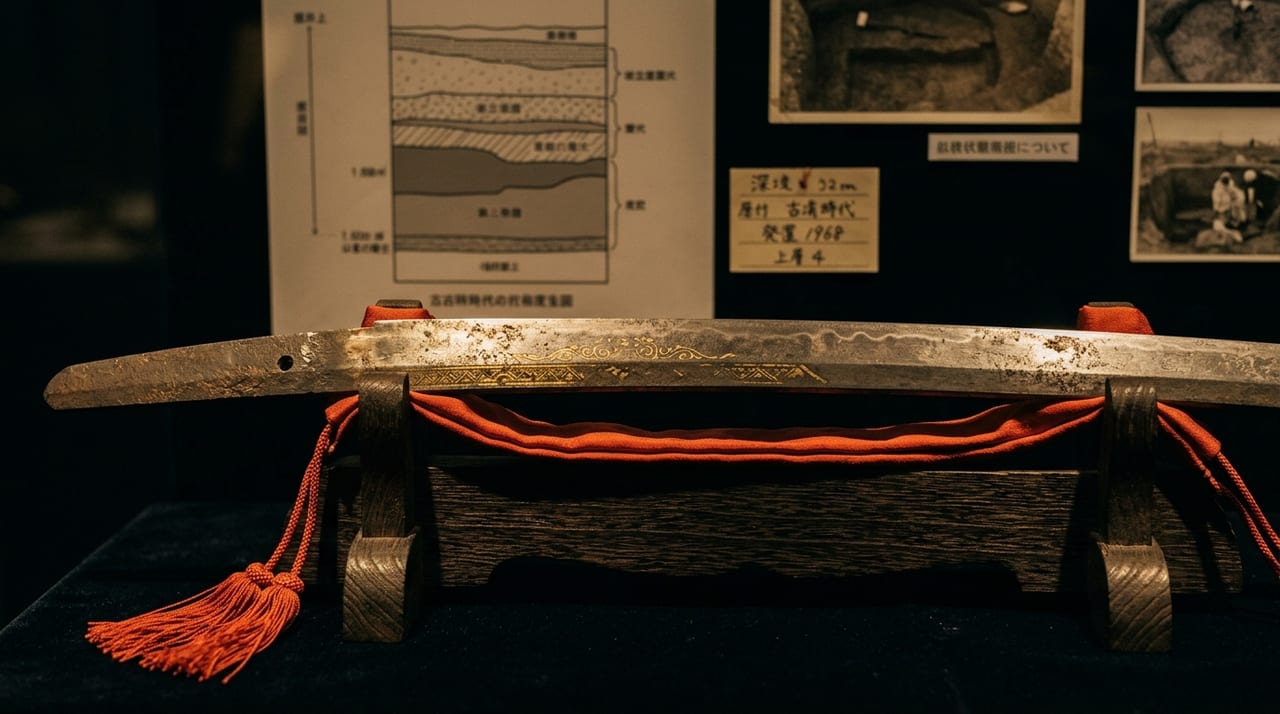
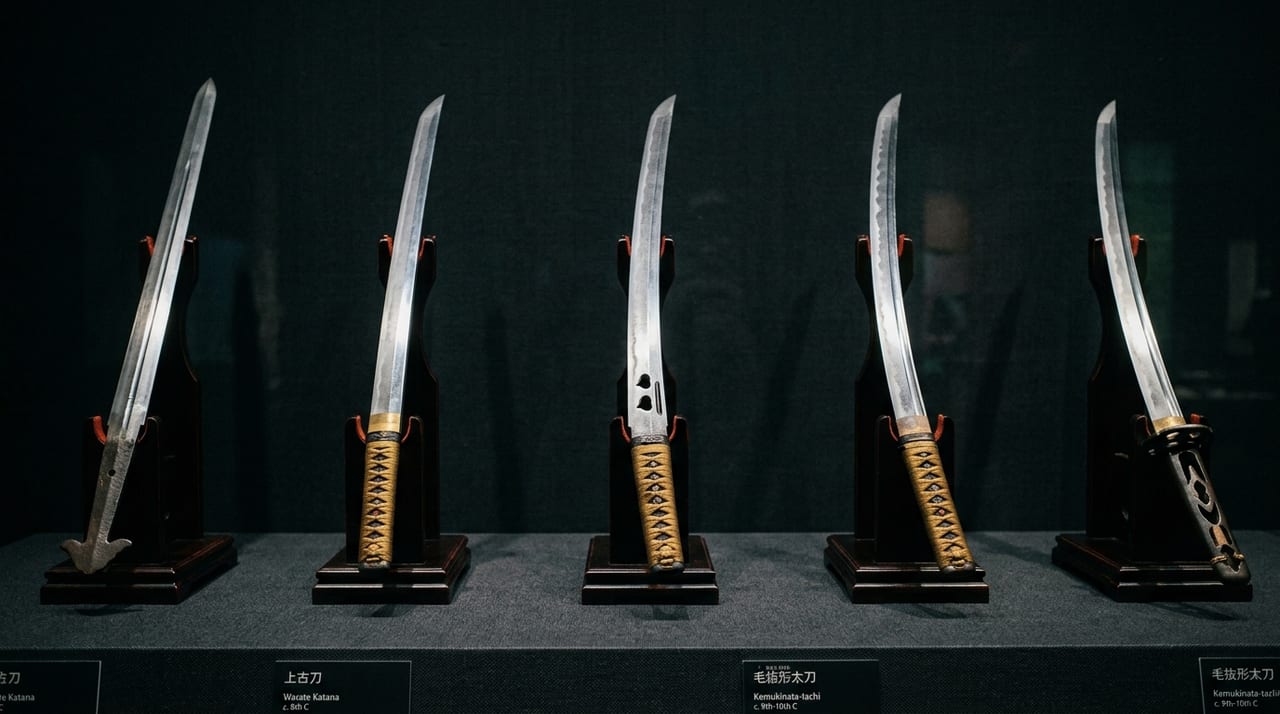
從古墳時代到平安時代,日本刀的形態為何發生了巨大的變化。從直刀到彎曲太刀的轉變,從軍事戰術與冶金技術的發展來解讀這個歷史性的轉捩點。
南北朝時代(1336〜1392年)以日本刀的黃金時代著稱,同時也是武將們開始個人性地收集、積累名刀的「武家收藏」萌芽期。戰亂催生的大量刀劍流通,與對名刀的審美關注相結合,逐漸形成了後來室町文化中刀劍鑑賞的基礎。
1590年的小田原征伐意味著豐臣秀吉完成天下統一。本文從歷史角度考察這場大規模軍事行動如何影響刀劍的供需、產地及工匠的遷移。
如「劍禪一如」一詞所示,刀在武家社會中被定位為超越單純武器的精神修養工具。探討禪宗的影響、柳生新陰流‧鏡心明智流的思想,以及宮本武藏的兵法書所闡述的刀與心之關係。
1637年爆發的島原之亂,是近世日本最大規模的一揆,也是和平的江戶初期一場大規模實戰。藉由一揆勢與幕府軍在原城的攻防,探討太平盛世中刀劍與武器的實態。
1575年的長篠之戰,以織田、德川聯合軍的鐵砲戰術擊破武田騎馬隊而聞名。在鐵砲大放異彩的這場戰役中,本文依據史實探討日本刀在近身戰與追擊中所扮演的角色。
1543年鐵砲傳入種子島,大幅改變了日本的戰場與武器體系。本文從歷史角度考察,在新式武器普及的過程中,日本刀在戰場上持續承擔的接近戰、組討的角色,以及刀劍需求的質變。
1582年的本能寺之變中,與信長一同被烈焰吞噬的名物及名刀不計其數。本文依據史料,介紹火災損傷刃部的「燒身(yakemi)」之刀所歷經的命運,以及相傳在本能寺失落的信長愛刀逸話。
天下五劍之一的大典太光世,是傳為平安末期筑後三池派之祖三池典太光世所作的國寶太刀。本文介紹這把名刀從足利家經由秀吉傳至前田家,現由前田育德會收藏的來歷。
東大寺正倉院所傳的寶刀群,以聖武天皇的遺愛品為核心,是記載於國家珍寶帳的天平文化精華。介紹以金銀鈿莊唐大刀為首的儀仗刀,以及明治期再發現的陽寶劍、陰寶劍的來歷。
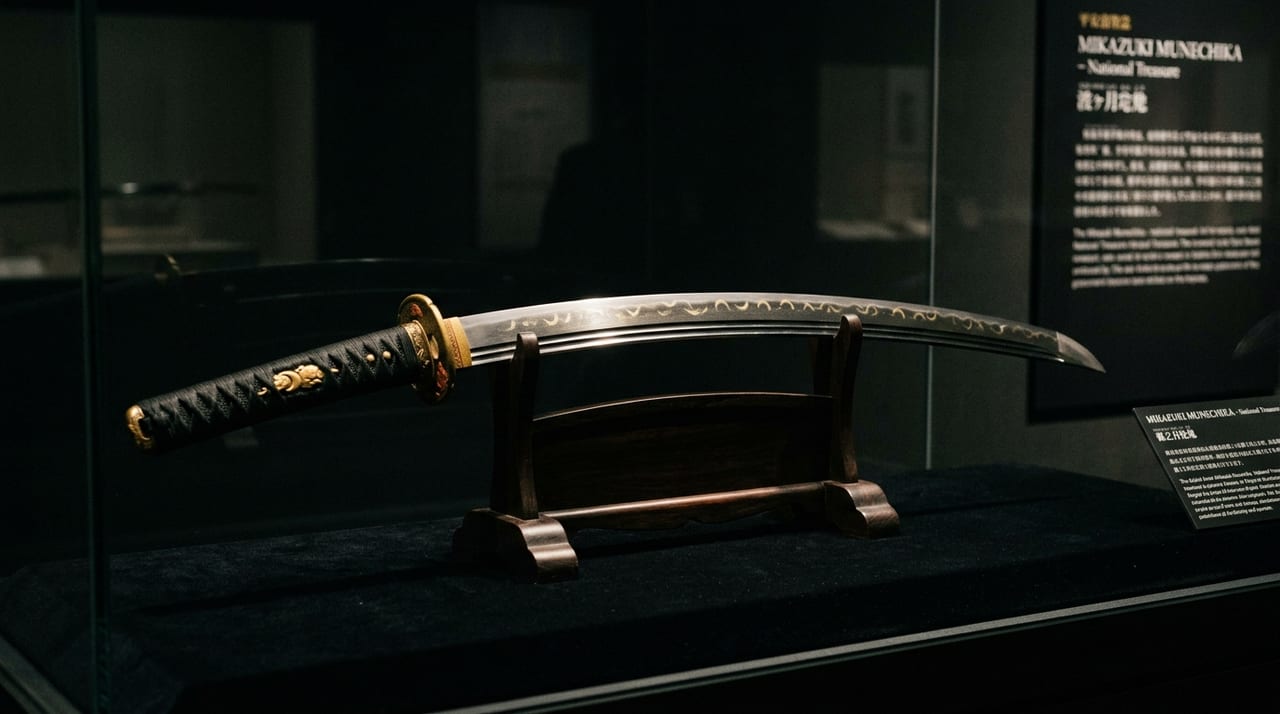
天下五劍之一振三日月宗近,相傳為平安時期京城名工三條宗近所作,是現藏於東京國立博物館的國寶太刀。本文介紹其連綿三日月形打除之優美刃文,以及從高台院傳至德川家的流傳經緯。
天下五劍之一的鬼丸國綱,是鎌倉時期京都粟田口派刀工國綱的作品,現以皇室御物之姿由宮內廳管理。追溯其從北條氏經足利、織豐、德川至皇室的數百年傳來歷程。
概述平安初期以征夷大將軍身份率領蝦夷征討的坂上田村麻呂,與東北蝦夷社會中所使用的蕨手刀之間的關係。從直刀過渡至帶有反的刀劍之轉型期背景,探討東國刀劍文化所扮演的角色。
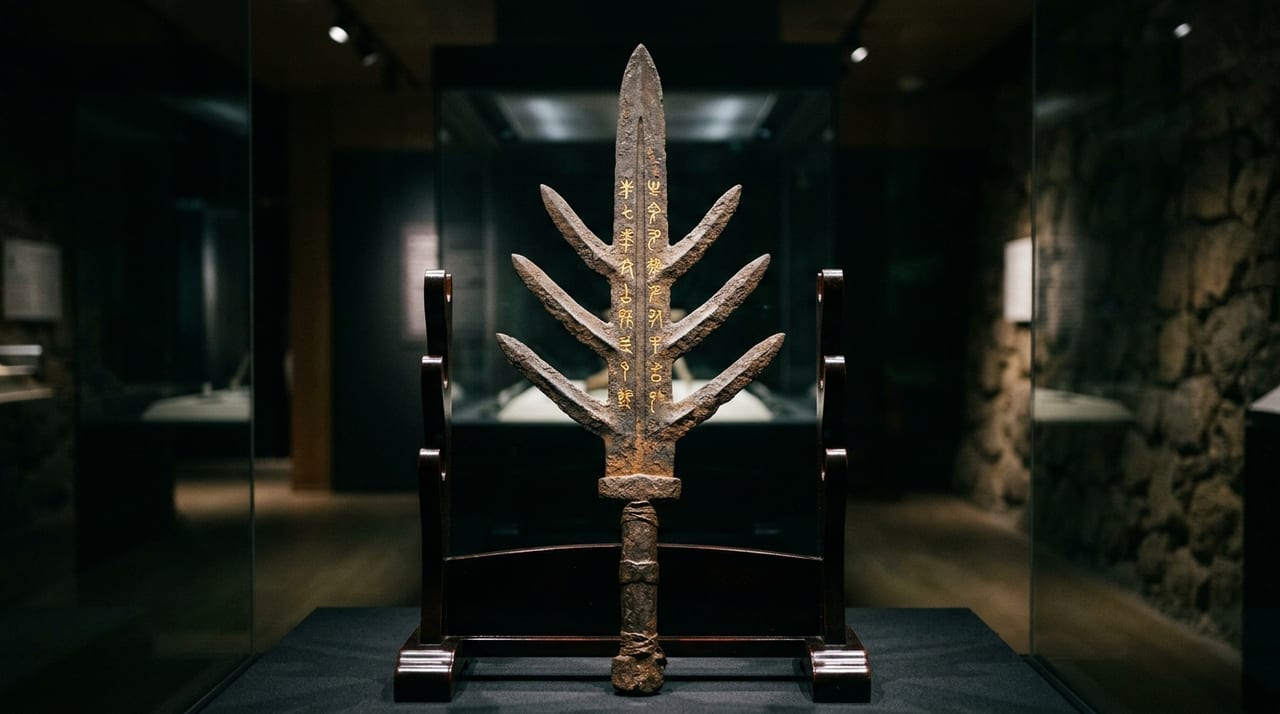
奈良縣天理市的石上神宮所傳的七支刀,以左右各有枝刃的獨特形狀及金象嵌銘文著稱,是被列為國寶的古代刀。本文考察銘文所述百濟王贈予倭王的經緯,以及4世紀東亞的國際關係。
在寬政改革(1787〜1793年)的主導者松平定信的時代,刀劍文化發生了怎樣的變容?本文考察在天明飢荒與民變騷亂動盪的社會重回安定之際,重新審視刀劍審美價值以及成為新新刀運動前奏的思想潮流是如何形成的。
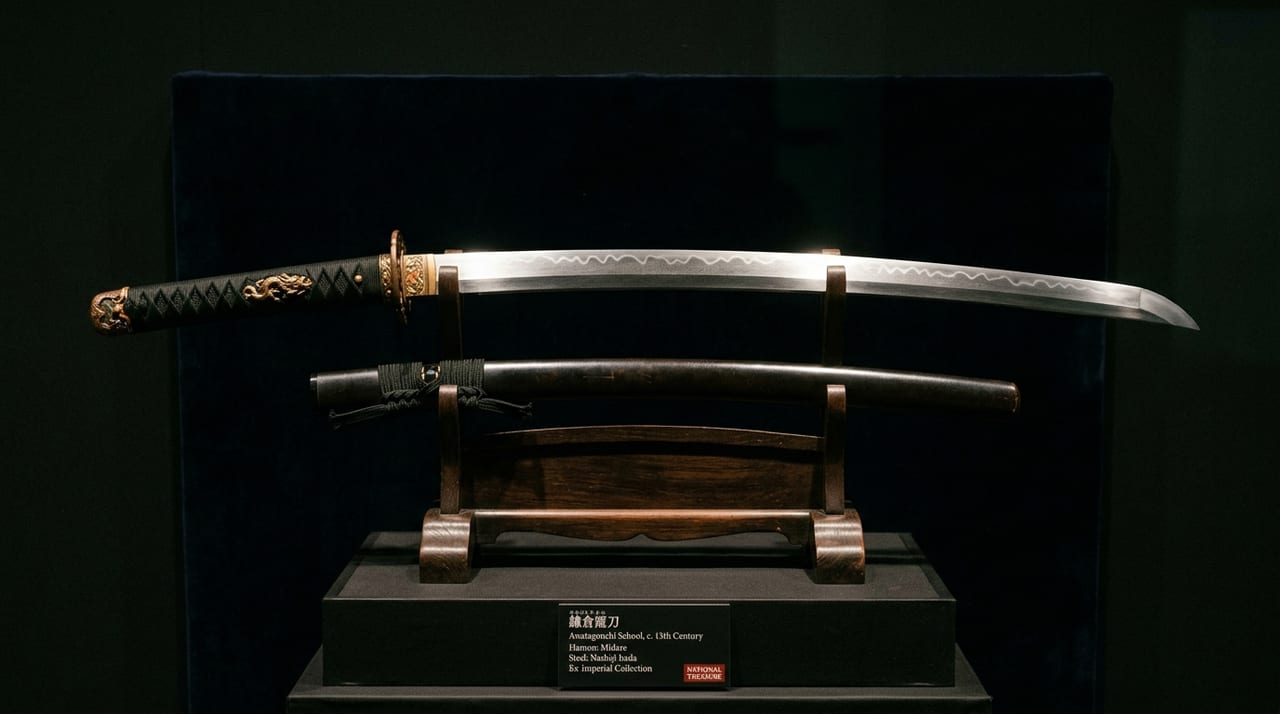
2026年春於京都國立博物館舉辦的《緣結之刀》展,透過國寶、重要文化財的刀劍鑑賞,旨在將刀劍理解為連結歷史人物、權力與美意識的媒介,是具有教育意義的企畫。是一個從初學者到愛好者均可學習刀劍文化的展覽。
戰國時代的戰爭經濟中,武器的調達成本直接衝擊大名的財政。刀、槍、鐵砲各自的行情與取得途徑、對刀工的報酬體系、大量調達時的價格交涉——從經濟史、流通史的視角解說支撐戰爭背面的武器市場實態。
檢驗慶長19〜元和元年(1614〜1615年)大坂冬之陣、夏之陣期間所發生的刀劍大規模收奪與散佚,並解說豐臣家滅亡後德川幕府所推進的刀劍秩序重整及其對武家社會的影響。
源平合戰(1180〜1185年)是日本史上首次將全國規模的戰亂長期持續的內戰。本文從供給方(刀匠、刃物師)的視角,詳細分析戰爭對刀劍需求與工匠移動所帶來的影響。
探討在幕末最後的激動時期——文久、元治、慶應年間(1861〜1868年),尊王攘夷運動與刀劍文化如何相互交織,以及如何決定了志士、浪士、武家的佩刀習慣與刀匠的動向。
南北朝時代(1336~1392年)的戰亂所引發的刀劍需求,帶來了刀工產業的急速擴展與技術革新。生產的組織化、分業化,相州傳等新刃文的發展,刀工薪酬與地位的提升等,這一黃金時期所確立的技術,成為此後刀鍛冶發展的基礎。
享徳之亂(1455〜1483年)的28年戰亂遮斷了來自上方的刀劍流通,解說北關東在地鍛冶獨立的經緯。透過御番鍛冶制度的功能喪失與地方領主的雇用,量產型的數打刀(kazuuchigatana)得以普及,描繪戰國期產地多樣化的進程。
從數打刀的大量需求、地方鍛冶的崛起、戰國時代的過渡等視角,解說享德之亂如何改寫關東刀工版圖的經緯。