最新消息 — 最新入荷資訊請查閱商品目錄。 查看 →
關於正宗、粟田口、備前長船等名刀工與流派系譜的文章群。
關於在莖上刻有作刀年月的年紀銘的基礎知識。說明「二月日」「八月日」的慣例、鑑賞時的觀察方法,以及對後世銘的注意事項。
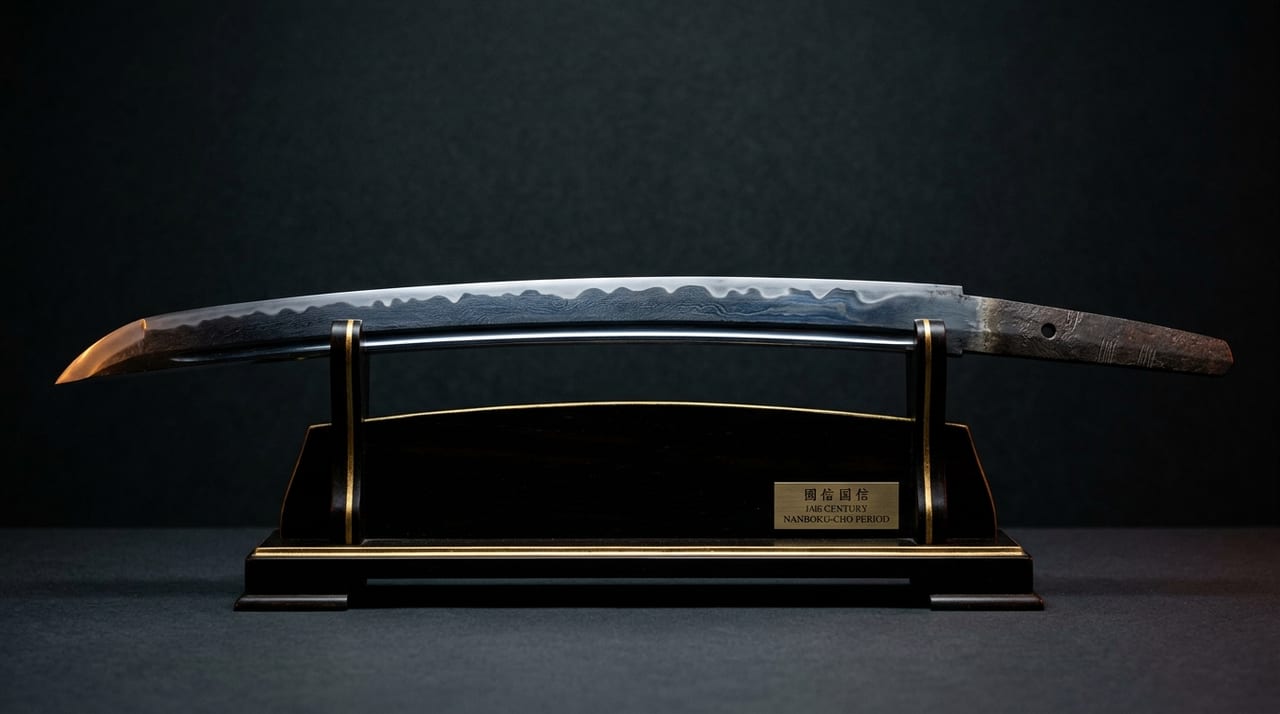
起源於南北朝時期山城、其後遷移至筑前的信國派。整理山城信國與筑前信國的區別、與相州傳的關聯,以及鑑賞的視角。
室町後期,在北條氏根據地、小田原繼承相州傳名跡的末相州刀工、綱廣與康國、作風的欣賞重點、戰國時期需求背景的整理。
整理新刀時期的刀工從古刀時期以產地為中心,轉移至以城下町與大都市為中心的經過,從京都、大坂、江戶、肥前等系統與工坊立地條件加以梳理。
解說陸奧守、越前守等冠於刀工銘文的受領名之含義與讀法,從銘文變遷推考製作時期的視角,以及面對偽銘的方法。
1876年的廢刀令使刀工們失去刀劍需求,本文說明他們如何運用鍛造技術轉型為菜刀鍛冶、農具鍛冶、剪刀鍛冶,並以關市形成刃物產地等事例加以解說。
解說越中國與能登、加賀的刀劍文化,以及御用鍛冶、扶持等地方流派的職制,和關原之戰後所見刀工移住的歷史趨勢。
解說佔據大和五派一席之地的尻懸派之成立、被視為實質始祖的則長代表作,以及稱為「尻懸肌」的獨特地鐵與刃文特徵。
解說自大和國宇陀遷居越中國的刀工集團「宇多派」的成立過程、以國光為祖的系譜、獨特的稱為「宇多肌」的地鐵,以及南北朝時期至室町時期間的作風變遷。
長義為南北朝時期的刀工,別於備前國長船的主流,確立了融入相州傳的「相傳備前」獨自樣式。本文連同代表作「本作長義」,一併解說其作風。
解說活躍於大坂新刀時期的一竿子忠綱的生涯,以及其親手操刀的精緻刀身彫物技法與作風。
應仁之亂後,從備前長船崛起、以「祐定」為名的刀工集團,構築起支撐戰國時期龐大刀劍需求的量產體制「數打物」。本文解說其實態與鑑定上的困難之處。
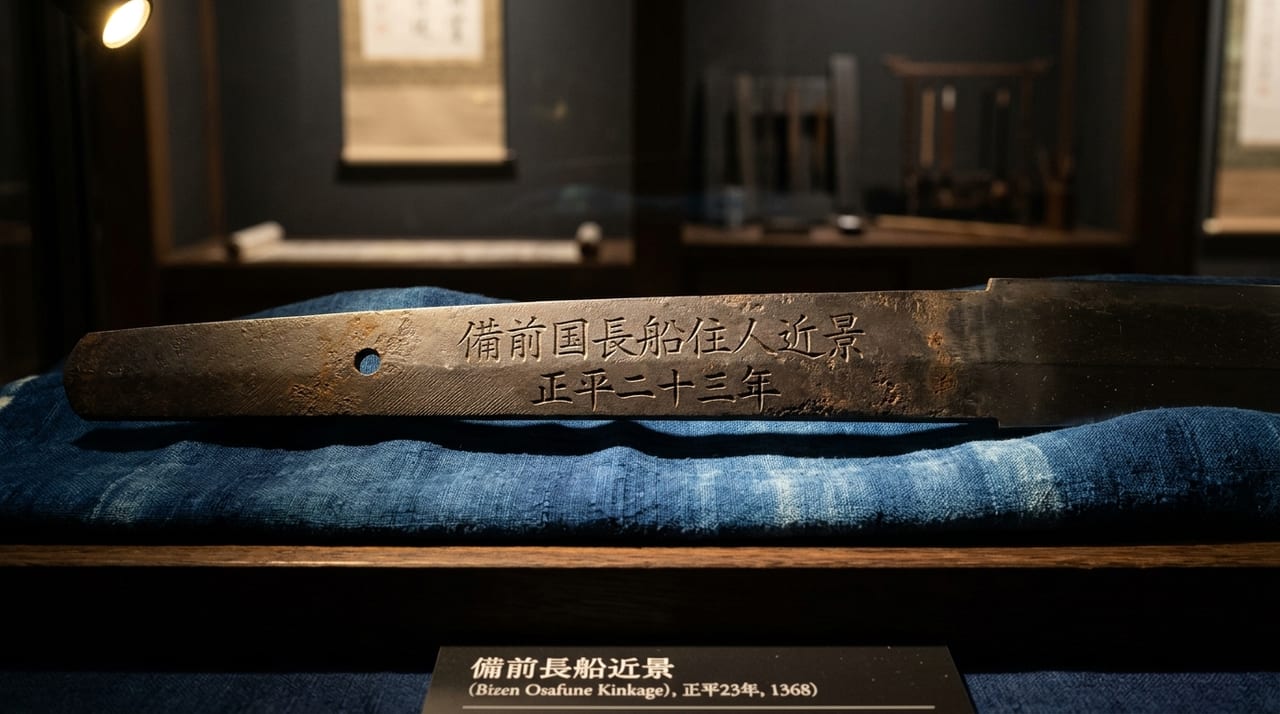
解說南北朝時代的備前刀工、長船元重的生涯與作風,並闡述相傳備前這一樣式的形成背景。
介紹位於五箇傳交會地帶的播磨國刀工系譜,以及以雕刻留名的手柄山氏繁之技法。
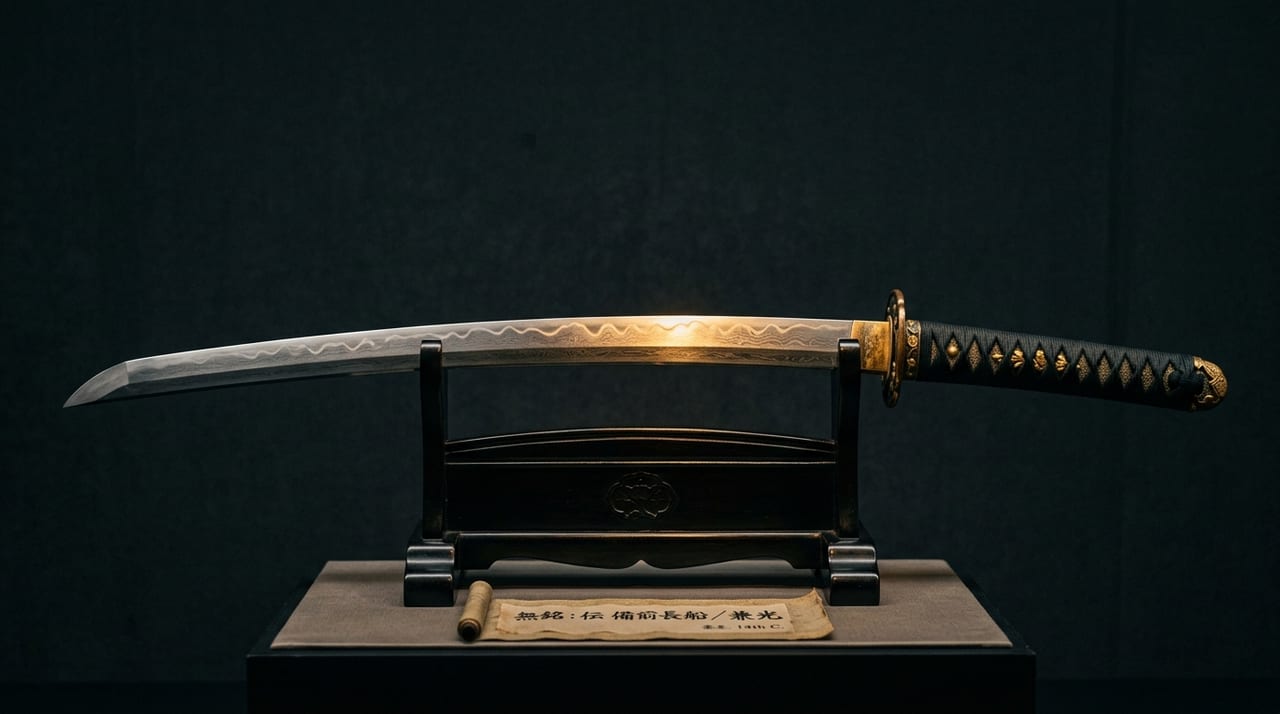
長船兼光是南北朝時代備前長船派的代表名工。擅長大太刀及長寸之刀,以豪壯的大亂刃、箱亂刃的刃文及地鐵的映為特徵。留存許多展現當時高度鍛冶技術與多樣作風,回應大規模戰亂需求的作品。
三條宗近是平安時代後期山城國的刀工,為國寶「三日月宗近」的作者。從以三日月形打除為特徵的本刀,到小鍛冶傳說、作為山城傳源流的定位,乃至與粟田口派的技術連續性,本文解說這位平安期名工的業績與影響。
來國俊作為來派開祖來國行的繼承者,是活躍於鎌倉後期的山城名工。細身而優雅之反的太刀、以纖細直刃與小丁子為特徵的刃文、緻密鍛造的地鐵,體現了山城傳的高雅美學意識。眾多作品被指定為國寶、重要文化財,並以在來派中傳承最多銘作的刀工之姿,受到極高評價。
粟田口派是鎌倉初期以京都、粟田口為據點的刀工集團。留存有眾多國寶、重要文化財,以具備可謂山城傳源流的精緻地鐵與匂口的名刀著稱。
解說紮根於出羽(山形、秋田)與陸奥(宮城、岩手、青森、福島)的刀工系譜。介紹遠離京都、大和、備前等主要產地的東北地方,為何能孕育出獨自的鍛冶文化,並介紹代表性流派、刀工、現存作例。
現今鳥取縣西部的伯耆國,是孕育出平安時代名工安綱的刀劍名產地。本文概覽深植於中國地方的伯耆刀工系譜,以及現存的代表性名刀。
手掻派為大和五派之一,以在東大寺轉害門設立工房的刀工集團而聞名。以柾目鍛肌的地鐵及沸深厚的直刃為特徵,追溯其從鎌倉期至南北朝期形成大和傳骨幹的系譜。
當麻派是列於大和五派之一的刀工集團。相傳與當麻寺有所淵源,以柾目肌與直刃為基調的大和傳質樸作風著稱。本文將追溯其特徵與系譜。
石堂派是江戶時代新刀期以仿製古備前、一文字派燦爛丁子刃著稱的刀工集團。本文將追溯遍布各地的一門系譜,以及備前寫這一獨特的作風。
三原派是以備後國(現廣島縣東部)三原為據點的刀工集團,以受大和傳影響的作風著稱。本文將追溯其柾目交雜的地鐵與直刃調刃文所展現的質樸個性。
三善長道是活躍於江戶時代新刀期,陸奧、會津的刀工,以其鋒利的斬切能力而被稱為「會津虎徹」。本文追溯以會津藩為背景而興盛的一門系譜,及其剛勁的作風。
延壽派是活躍於肥後國(今熊本縣)的刀工集團,相傳承襲京都來派的流脈。本文追尋傳承至九州的山城傳系譜,以及其典雅的作風。
千手院派是大和五派之中被認為最古老系統的刀工集團。相傳其名源自奈良的千手院谷,以柾目鍛肌與直刃為基調,呈現古雅的大和傳作風。
長谷部國重相傳為相州正宗的弟子,是南北朝時期活躍於山城、京都的刀工。擅長皆燒(hitatsura)刃文,本文追溯孕育出與織田信長淵源深厚的國寶「壓切長谷部」的系譜。
古備前派是於平安後期至鎌倉初期間,活躍於備前國的最古層刀工群。以友成、正恒為代表,追溯延續至後來一文字派、長船派的備前刀千年出發點。
志津三郎兼氏出自大和手掻派,師從相州正宗,後移居美濃,相傳在志津一地鍛造刀劍,是名聞後世的名工。其名列正宗十哲之一,亦是往後直江志津一脈的源頭。
保昌派是大和五派之一的刀工集團,以徹底的柾目肌著稱。以強烈呈現於地鐵上的柾目個性為主軸,追溯其作風在大和傳中的定位。
刀鍛冶、研師、鞘師等製作日本刀所需的職人全域中,後繼者不足問題日益嚴峻。因經濟障礙及入門者人數偏低,業界整體人才的再生產陷入停滯,本文解說女性職人的興起、地方雇用實態、培育課題、數位技術運用,以及確保業界持續性的各項對策。
大慶直胤(1778〜1857年)是水心子正秀的高徒,體現了新新刀運動,是在邁向幕末的時代中,於江戶留下卓越作刀的刀匠。憑藉對古刀之姿、地鐵、刃文的深入研究,以及將其昇華為自身之刀的技術,被列為「新新刀三傑」之一。
在日本製作美術品之刀,每把刀都需要取得製作承認。銃刀法與美術刀劍類製作承認規則中並無國籍規定,但要件之一是須在已獲承認的刀匠門下持續修業5年以上。本文就修業期間的在留資格、所製刀劍的登錄及攜出海外的程序,依條文及官方頁面確認的範圍加以整理。
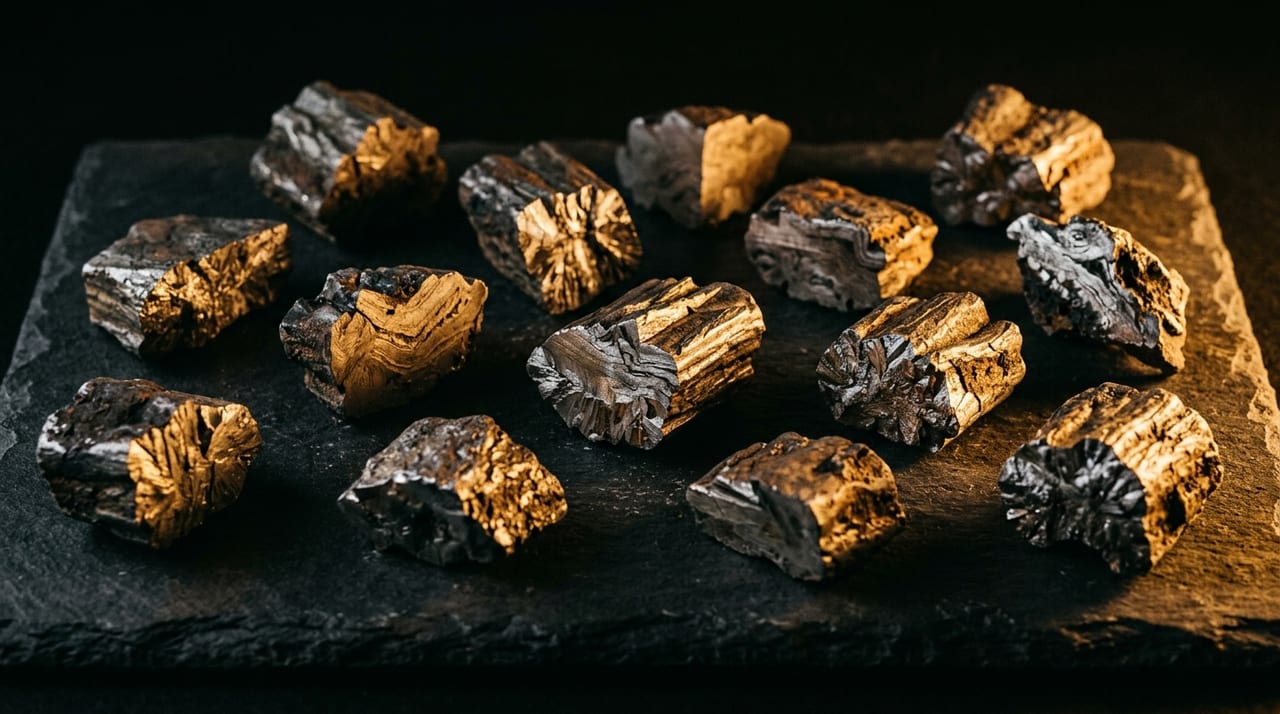
追溯日本刀素材「玉鋼」之源頭的砂鐵採掘歷史與技術,從古代的踏鞴製鐵到現代的日刀保踏鞴。並以科學角度解說砂鐵的採取、選礦、冶煉流程,同時介紹2026年供應緊迫的現況。
解說現代刀匠透過SNS、YouTube、Instagram進行線上集客與個人品牌建立的實態。詳細分析接觸海外粉絲的方法、英語應對的巧思,以及直銷化加速下業界結構的變化。
越來越多現代刀匠選擇在人口不斷流出的鄉村地區建立刀鍛所。本文追蹤在這些地區開設工坊的背景與挑戰、對當地復興的波及效應,以及目前市町村支援的現況。
以初代橋本新左衛門忠吉為起點,以技法、一族傳承及與德川將軍家的關係為軸心,解說肥前刀之系譜。
解說現代刀匠評估玉鋼素材適性的測試鍛鍊步驟。從初期目視評估、小刀試作、碳含量推定、淬火試驗,到皮鐵與心鐵的分類,詳述科學與經驗交織的現場實務。
江戶幕府公認的試斬專職「試斬者(tameshimono)」的實態解說。山田淺右衛門家的關係、業物番付的連動、試斬對刀劍業界及刀工評價所帶來的社會影響詳述。
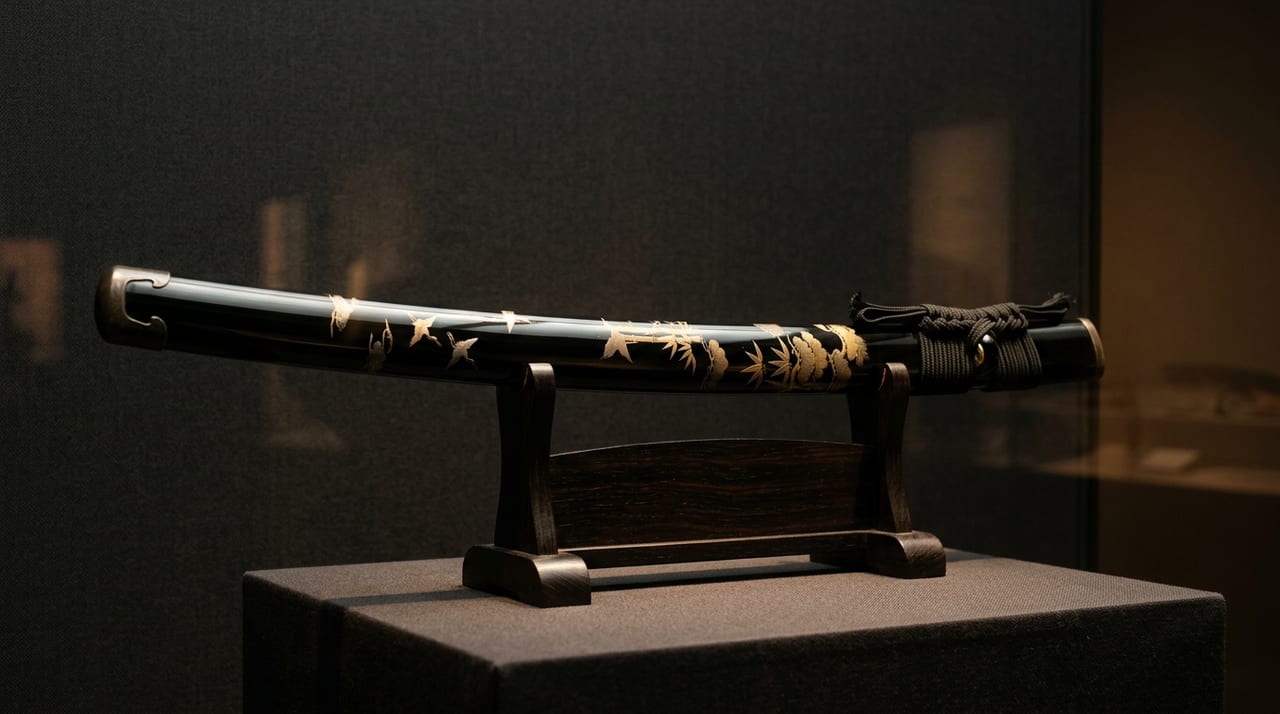
詳細解說鞘師施於刀拵鞘上的各種漆塗技法——呂色漆、石目塗、研出蒔繪——之工序、素材選擇基準,及現代傳承現況。
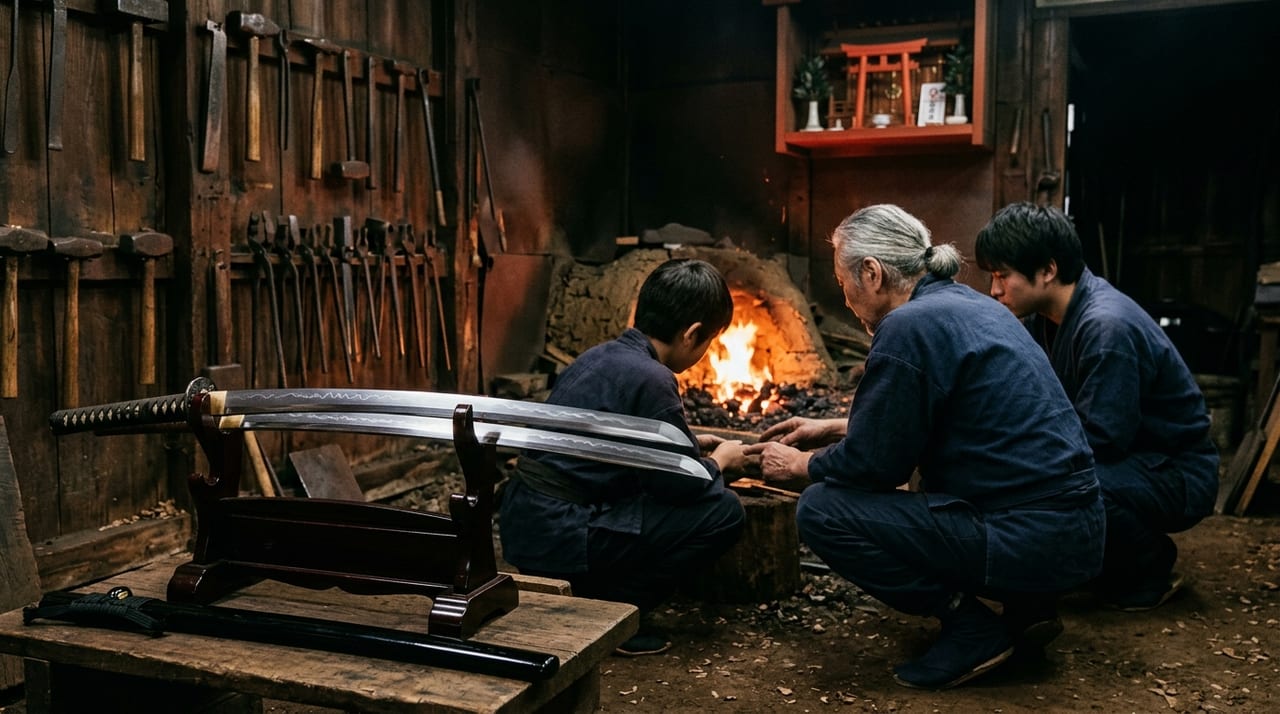
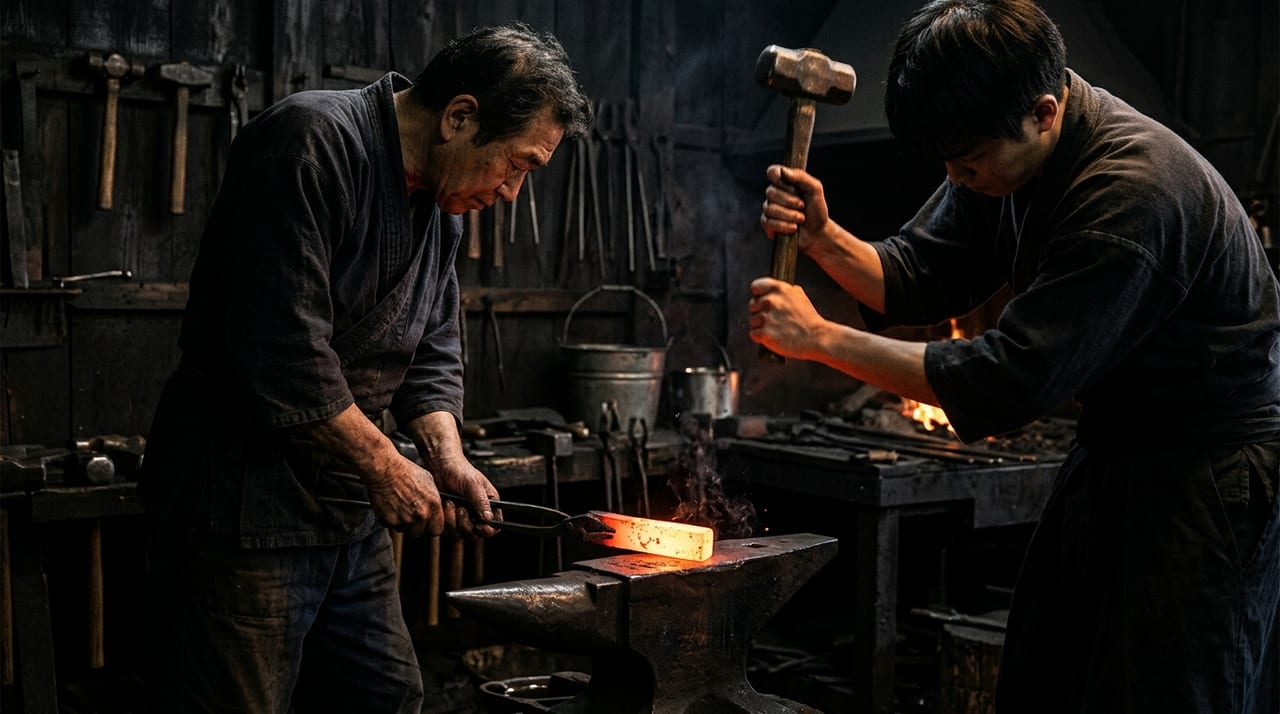
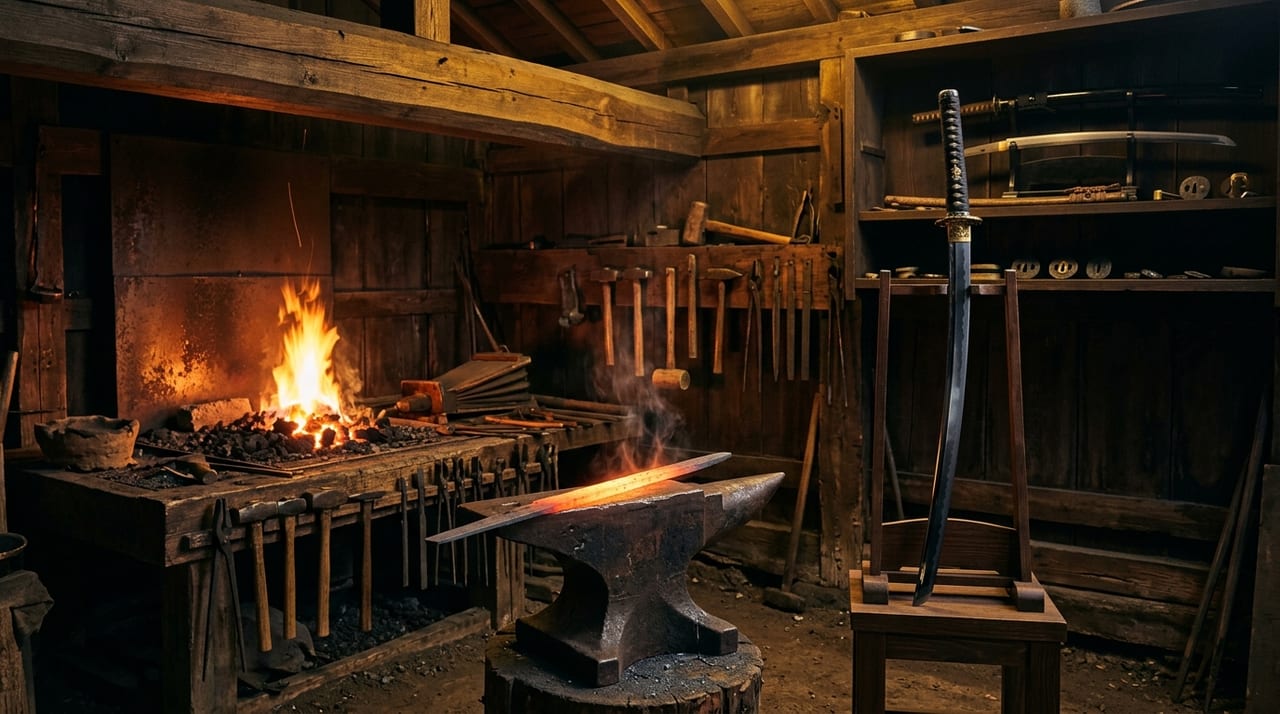
解說傳統刀鍛冶場中支撐刀匠鍛造的輔助職「打子」的技術性角色、師弟修業的實態,以及機械化所帶來的變化。並考察揮舞大槌的「間」之技術與現代的傳承課題。
詳述製作日本刀柄與刀身固定用目釘之專業職人——目釘師的技術體系、歷史背景、素材與加工方法。
刀工的銘名繼承,並非單純的名稱繼承,而是承接技術、美學意識與流派哲學整體的行為。透過月山貞一、固山宗次等著名案例,解說師徒規矩中所要求的10年以上修行、達到無鑑查水準及人格與忠誠等條件,以及現代後繼者不足的課題。
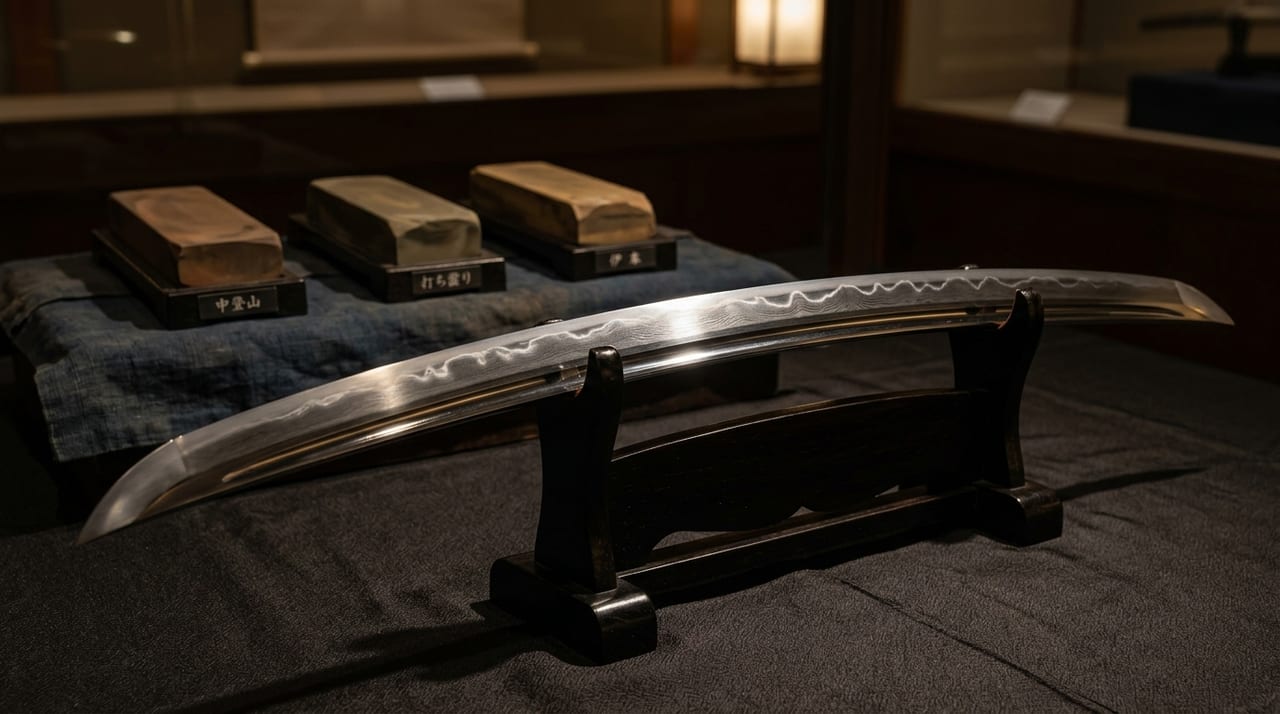
詳述最終引出日本刀之美的研師流派體系、修行年數、砥石產地及技術差異。
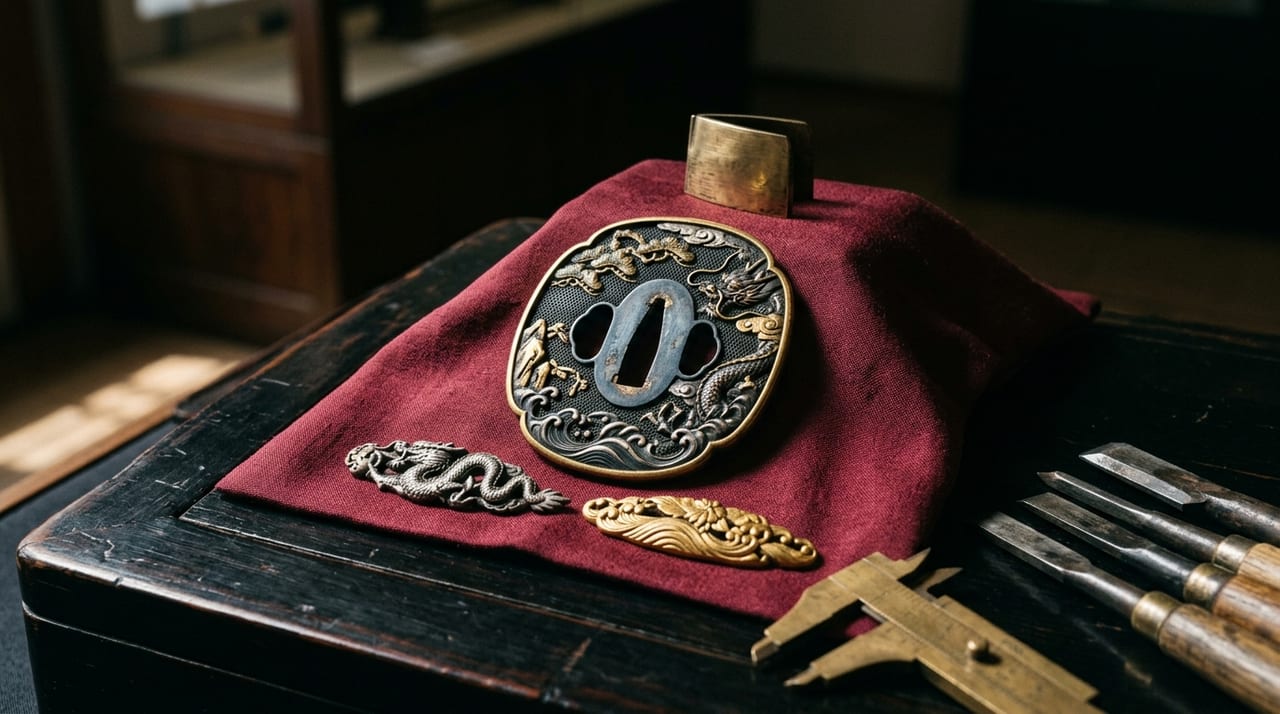
解說製作鐔、目貫、緣頭、小柄等刀裝具的「金工師」在現代的職人養成實態。涵蓋彫金、象嵌、魚子打等高度金工技術的習得過程、師徒制度與職業訓練學校的現狀,乃至年輕金工師所面臨的收入、材料採購與開拓客源等課題,傳遞刀裝具業界的當今面貌。
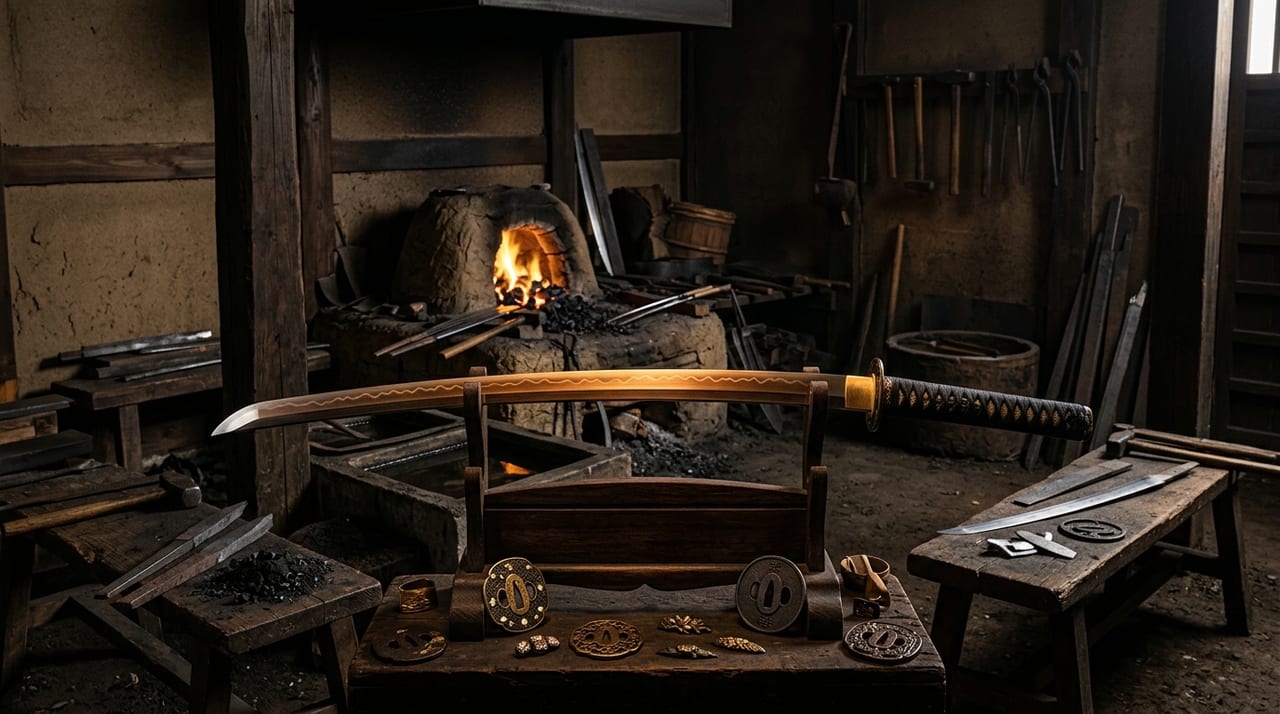
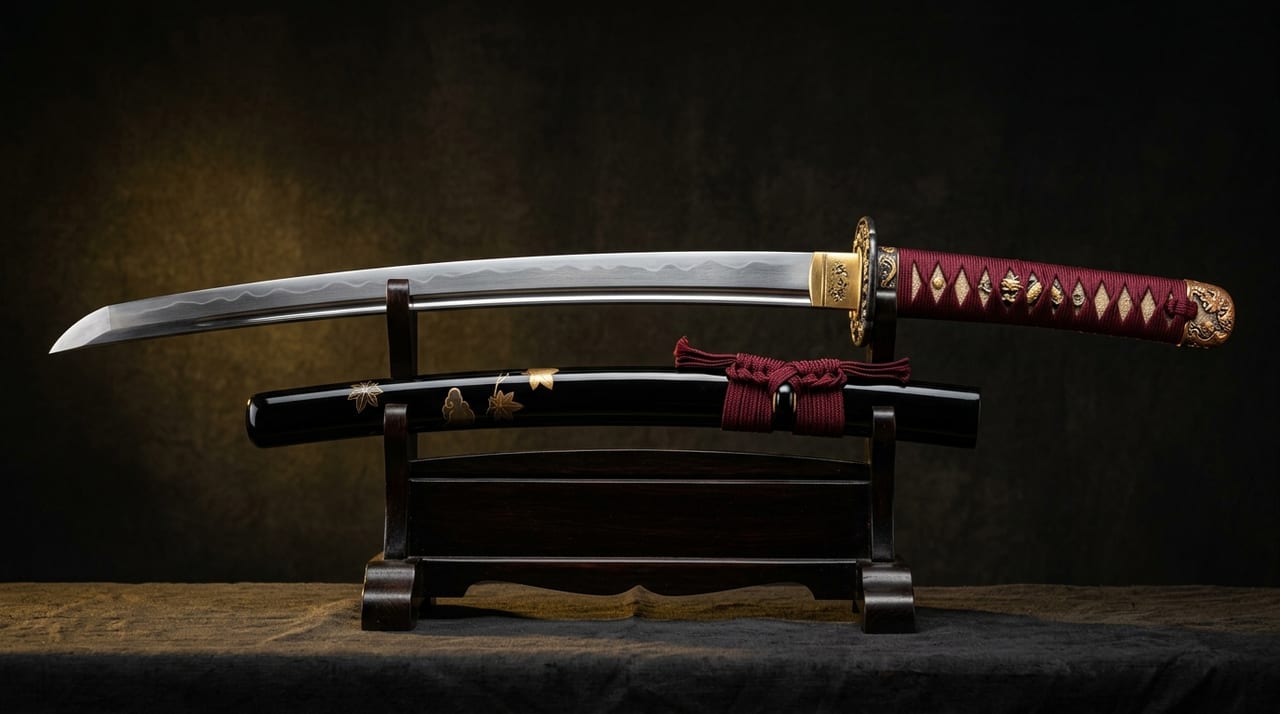
按工序逐一解說打刀與太刀的拵完成之前,各職人分工協作的實際情況。