 * Image is for illustrative purposes only.
Aizu Bukeyashiki
会津武家屋敷
Overview
Facility Overview
Aizu Bukeyashiki is an open-air history museum centered on the mansion of Saigō Tanomo, a senior karō (chief retainer) of the Aizu Domain (280,000 koku) during the Edo period, showcasing samurai domestic life and the history of Aizu. Opened in 1975 (Showa 50), the extensive grounds contain restored and preserved Edo-period structures including the main hall (goten), inner gate, tea room, library storehouse, field cottages, and karō residences. As a shimpan (cadet clan) of the Tokugawa family, the Aizu Matsudaira clan maintained unwavering support for the shogunate through the Bakumatsu period, engaging in fierce combat against imperial forces during the Boshin War (1868). The tragedy of the Byakkotai (White Tiger Corps) endures as its symbol, continuing to move the hearts of many visitors today.
Blades and Samurai Culture
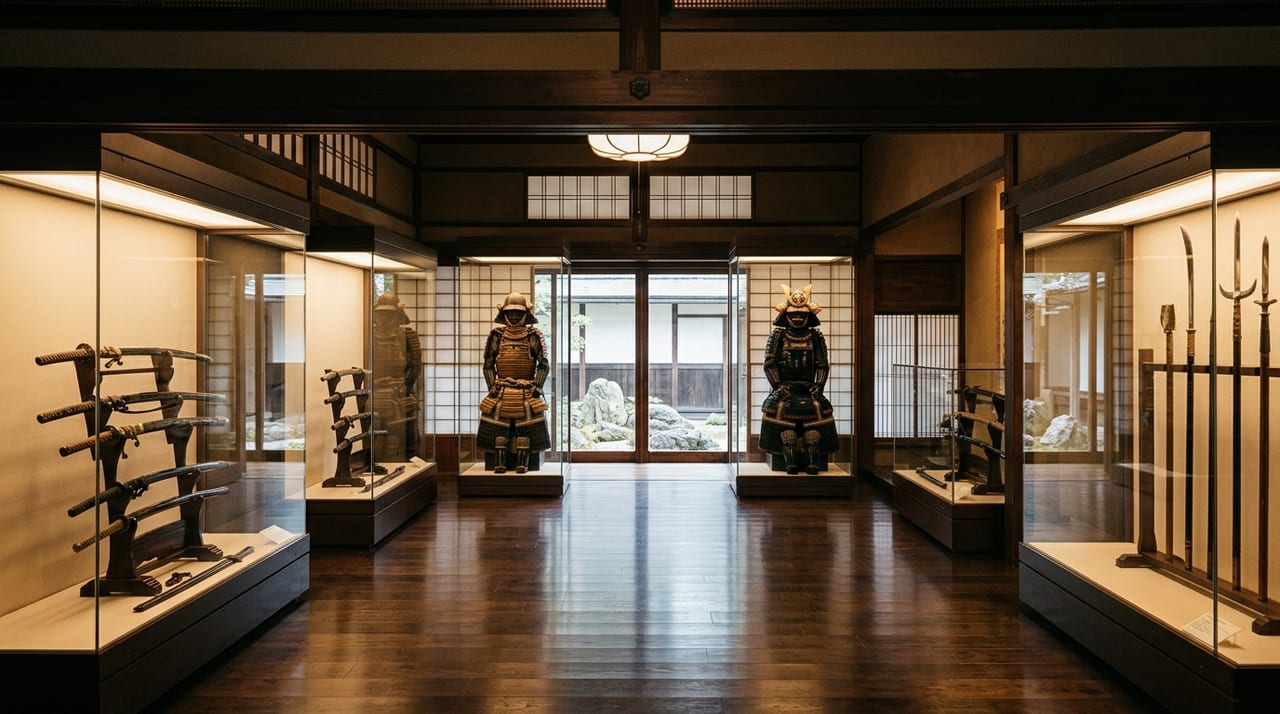
The weapon storehouse and library storehouse exhibits feature abundant original artifacts—katana, spears, naginata, matchlock muskets, and armor—that were actually used by Aizu Domain samurai. Aizu was home to the "Aizu Sanpō," renowned sword-making groups including Aizu Shinjofugen, Izumozaki, and Aizu Hongō, which continued supplying blades to meet samurai demand through the Bakumatsu period. Works by these local Aizu bladesmiths are housed in the collection, offering visitors a glimpse into the sword-making culture of the Tōhoku region.
The Tragedy of the Byakkotai
A section of Aizu Bukeyashiki is dedicated to exhibits about the Byakkotai, an elite unit of young samurai warriors from the Aizu Domain. During the Boshin War, upon witnessing the flames consuming Wakamatsu Castle (Tsuruga Castle), the 19 members of the Byakkotai Second Unit mistakenly believed the castle had fallen and committed ritual suicide. This tragedy continues to move many visitors to tears today. Personal blades and effects of the Byakkotai members are displayed here, transforming the space into a solemn memorial honoring young warriors who lived and died with unwavering resolve during the turbulent final years of the shogunate.
Traditional Crafts and Experiences
Aizu is renowned for its rich traditional crafts including Aizu-nuri lacquerware, Aizu cotton cloth, and akabekko (red papier-mâché figurines). The grounds are well-equipped with souvenir shops and dining establishments offering regional cuisine—wappa-meshi rice boxes, Sōsu katsudon (breaded pork with sauce), and kozuyu soup—allowing visitors to experience Aizu culture throughout the day. When combined with an overnight stay at the adjacent Higashiyama Hot Spring, a night in Aizu-Wakamatsu offers one of the richest experiences of samurai heritage in the Tōhoku region.
Highlights
- Aizu Domain Samurai Blade and Arms Collection — original artifacts including katana, spears, naginata, armor, and matchlock muskets actually used by Aizu warriors. Works by local Aizu swordsmiths (the Aizu Sanpō) are also housed in the collection.
- Byakkotai Personal Relics — blades and effects of the 19 members of the Byakkotai Second Unit who perished in ritual suicide during the Boshin War. A solemn memorial honoring the young warriors who lived and died with unwavering resolve during the Bakumatsu period.
- Restored Edo-Period Samurai Architecture — Saigō Tanomo's mansion complex (including main hall, inner gate, tea room, library storehouse, and field cottages) reconstructed over expansive grounds. Experience authentic samurai domestic life during the domain era.
- Aizu Domain History and Boshin War Records — the history of the Aizu Domain as a cadet clan of the Tokugawa family (Aizu Matsudaira clan) that maintained unwavering support for the shogunate through the Bakumatsu period. Encompasses the Wakamatsu Castle siege, the Byakkotai tragedy, and ties to the Shinsengumi—living testimony to the final chapter of samurai history.
- Integration with Aizu Traditional Crafts — displays and sales of local traditional arts including Aizu-nuri lacquerware, Aizu cotton cloth, and akabekko figurines. Combined with nearby Higashiyama Hot Spring, visitors can enjoy an enriching overnight stay immersed in regional culture and heritage.
* Opening hours and exhibitions are subject to change. Please check the official website before visiting.