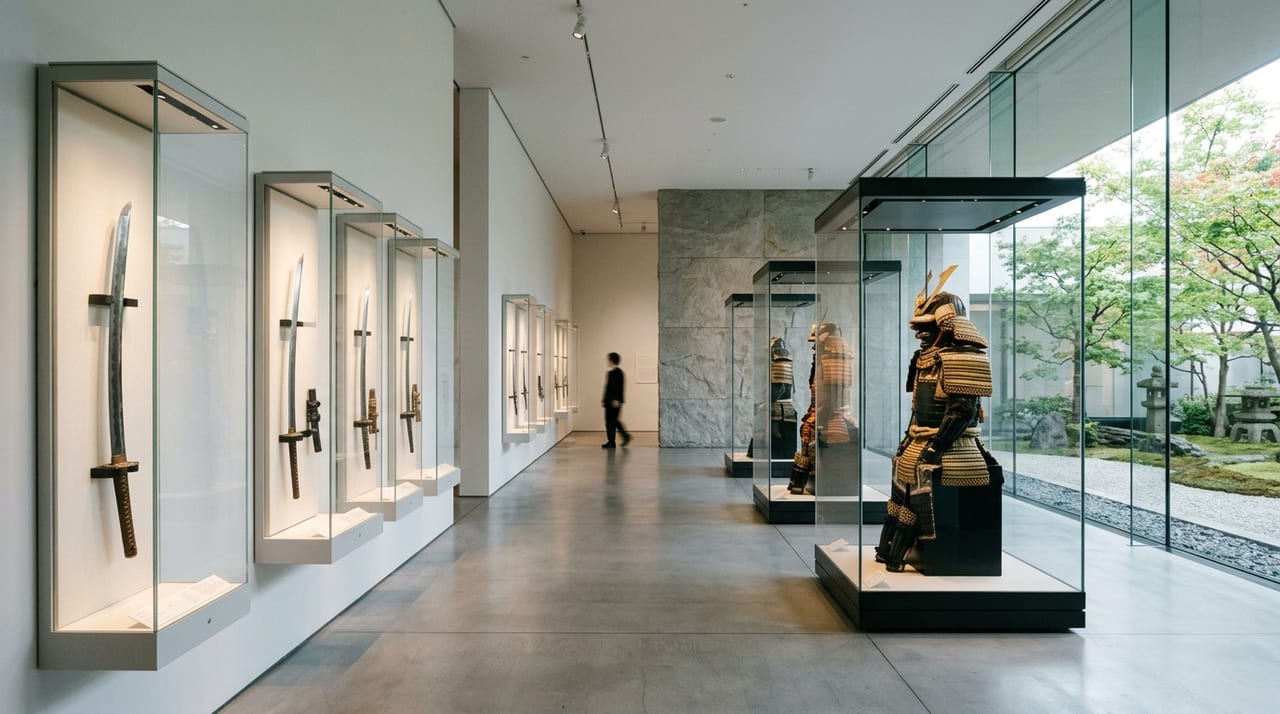
 * Image is for illustrative purposes only.
Kyoto National Museum
京都国立博物館
- Location
- Higashiyama Ward, Kyoto City, Kyoto Prefecture
- Access
- A 7-minute walk from Shichijō Station on the Keihan Main Line. From JR Kyoto Station, it is about a 10-minute bus ride: take City Bus Route 206 or 208 and get off at Hakubutsukan Sanjūsangendō-mae (bus stop), directly in front of the museum. A taxi from Kyoto Station takes about 10 minutes. The museum is located directly opposite Sanjūsangen-dō, and visiting both is the classic combination. The Higashiyama Shichijō area has many historic sites, including Chishaku-in, Myōhō-in, Toyokuni Shrine, and Hōkō-ji. It is also a good starting point for walks toward Kiyomizu-dera and Gion. The museum is crowded during special exhibitions, so weekday mornings are the most comfortable time to visit. The museum has a museum shop and a café, Maeda Coffee Kyōhaku branch.
- Opening Hours
- 9:30–17:00 (may differ for special exhibitions)
- Admission
- Adults 700 yen / university students 350 yen / high-school students and younger free (special exhibitions charged separately)
Overview
Museum Overview
Opened in Meiji 30 (1897), the museum is one of Japan's representative national museums, with a mission to preserve, research, and exhibit Japan's cultural heritage, centered on Kyoto. The collection, including museum-owned and deposited items, numbers approximately 15,000 items as of the end of fiscal 2025. The museum's own holdings alone include 29 National Treasures and 200 Important Cultural Properties (as of March 2020). Two buildings stand facing Shichijō-dōri: the former main building, designated an Important Cultural Property as a Meiji-era structure (Meiji Kotokan, designed by Katayama Tōkuma), and the new building Heisei Chishinkan (designed by Taniguchi Yoshio), which opened in 2014.
Sword Exhibits
Swords are displayed on the first floor of Heisei Chishinkan, in the metalwork galleries, alongside Buddhist ritual objects, mirrors, and armor, with the displays rotated periodically. (The Collection Galleries are closed during special exhibitions.) Kyoto was Yamashiro Province and is the home of the Yamashiro tradition, the foremost of the Five Traditions of Japanese swordsmithing. Yamashiro smithing began with the Sanjō and Gojō schools and was carried on through the Awataguchi school (Tōroku Sakon Kunitsuna, Kuniyoshi, Yoshimitsu, and others) and the Rai school (Rai Kuniyuki, Rai Kunitoshi, Rai Kunimitsu, and others). Its delicate, refined style holds a unique place in the history of Japanese swords. The museum's sword collection is one of the leading holdings in Japan for tracing this history of the Yamashiro tradition through actual objects.
Crafts and Fine Arts
The National Treasure "Tachi, inscribed Yasuie" is the work of the swordsmith Yasuie, who was active in Hōki Province in the late Heian period. It has a somewhat narrow blade width, a high koshi-zori (curvature near the base), and a solid, fumbari-rich, archaic form. Its hamon is ko-midare mixed with chōji. The sword was handed down in the Kuroda family, and it is said to be the only work by Yasuie whose signature is confirmed as authentic. The collection also includes works by the Awataguchi and Rai schools, among them the National Treasure "Tachi, inscribed Norikuni" by Awataguchi Norikuni and the Important Cultural Property "Tanto, inscribed Yoshimitsu" (named Akita Tōshirō). Famous swords from other provinces, such as Sōshū and Bizen, are also included.
Cultural Facilities
The special exhibition "Kyō no Katana: Swords of Kyoto, Masterful Craftsmanship and Elegant Spirit," held from September 29 to November 25, Heisei 30 (2018), was the museum's first full-fledged special exhibition on swords. Centered on 17 National Treasure swords by Yamashiro-lineage smiths and the representative works of renowned swordsmiths, it traced the lineage of Yamashiro smithing techniques from the Heian period to the Heisei era. The exhibition drew many visitors, mainly sword enthusiasts, and became a symbol of the growing interest in Japanese swords.
Visiting Information
Heisei Chishinkan, designed by Taniguchi Yoshio, is a masterpiece of contemporary architecture, admired for its linear forms and its approach across a water surface, and it is a must-see for architecture fans as well. Its location directly opposite Sanjūsangen-dō places it on Kyoto's classic sightseeing route. The Higashiyama Shichijō area also has Chishaku-in, Myōhō-in, Toyokuni Shrine, and Hōkō-ji. (The museum grounds were once part of the precincts of Hōkō-ji.) There is no end to the pleasures of historical strolls here.
Highlights
- National Treasure "Tachi, inscribed Yasuie": a work by the Hōki Province swordsmith of the late Heian period. Its elegant form has a high koshi-zori and solid fumbari, and its ko-midare hamon is mixed with chōji. Handed down in the Kuroda family, it is said to be Yasuie's only work with a confirmed signature
- Yamashiro-tradition named swords of the Awataguchi and Rai schools: a group of masterpieces with a delicate, refined style befitting Yamashiro, the home of the foremost of the Five Traditions. Works by master smiths include Norikuni, Kuniyoshi, Yoshimitsu (named Akita Tōshirō), Rai Kunitoshi, and Rai Kunimitsu
- Exhibition space of Heisei Chishinkan (designed by Taniguchi Yoshio): a masterpiece of contemporary architecture with linear forms and a water-surface approach. The exhibition design lets visitors appreciate swords in an optimal setting
- Collection Galleries in Heisei Chishinkan: swords are shown in the first-floor metalwork galleries, with the displays rotated periodically. In addition to Yamashiro-tradition works, the collection includes famous swords from Sōshū, Bizen, and other provinces
- 2018 special exhibition "Kyō no Katana": the museum's first full-fledged sword special exhibition. Centered on 17 National Treasure swords of the Yamashiro lineage, it presented the history of Yamashiro smithing from the Heian period to the Heisei era
* Opening hours and exhibitions are subject to change. Please check the official website before visiting.