 * Image is for illustrative purposes only.
Fujinomori Shrine
藤森神社
Overview
Fujinomori Shrine (Fujinomori-jinja) is an ancient shrine located in Fukakusa, Fushimi Ward, Kyoto, said to have been founded in 203 CE (the 3rd year of Empress Jingu's regency). It enshrines deities of both martial and cultural virtue—Susanoo, Empress Jingu, Emperor Ojin, and Yamato Takeru—and has long been revered by the samurai class as the "shrine of victory and horses." In modern times, it continues to attract horse racing professionals, martial artists, and athletes. In the world of Japanese swords, it is renowned for its deep connection to the legendary blade Tsurumaru Kuninaga and is widely known as a sacred site for Touken Ranbu devotees.
The Connection to Tsurumaru Kuninaga
Tsurumaru Kuninaga is a tachi forged by swordsmith Kuninaga during the Heian period and is counted among the Five Greatest Swords of Japan (Tenka Goken). The name "Tsurumaru" is said to derive from the crane crest adorning the gold fittings of the sword-mounting scabbard that accompanied it. The blade was once owned by Oda Nobunaga and, following the fall of the Toyotomi clan, was donated to Fujinomori Shrine. It subsequently passed through the Date clan before being presented to Emperor Meiji. It is currently preserved by the Imperial Household Agency and is not open to public viewing.
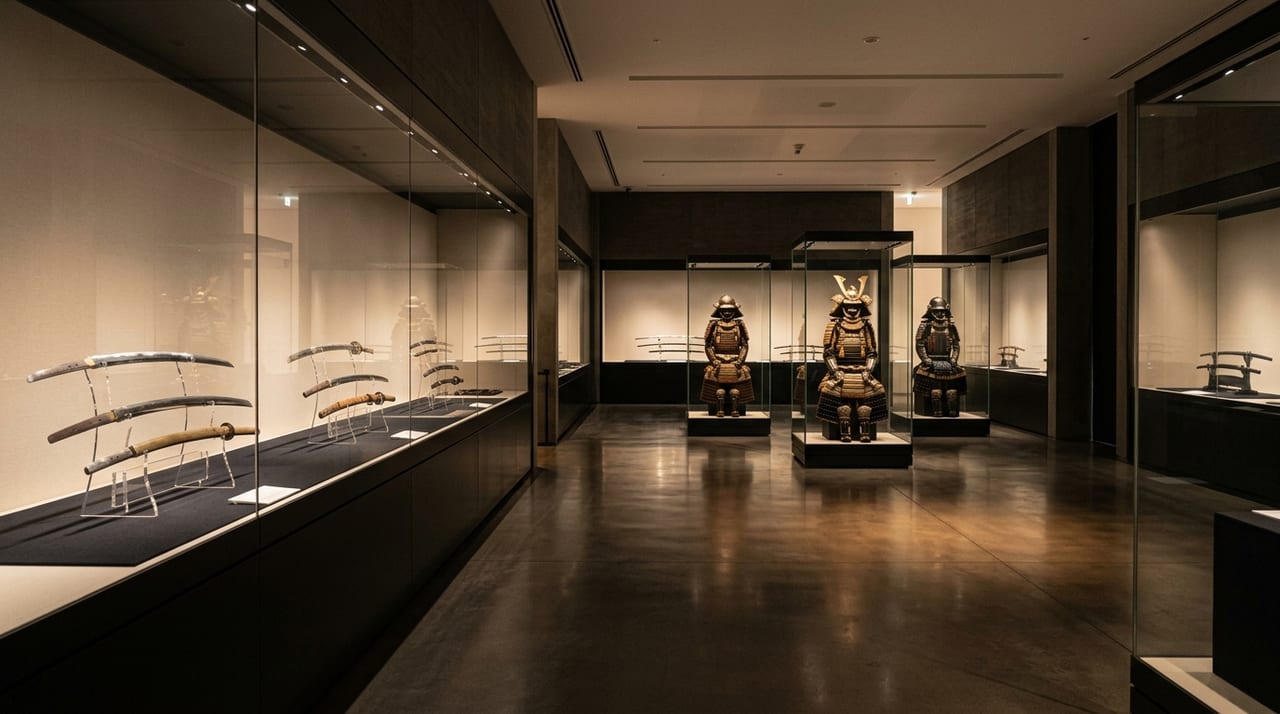
In 2018, a precise replica (donated replica blade) was donated to Fujinomori Shrine and is on permanent display in the on-site Treasury Hall (free admission, 9:00 a.m. to 4:00 p.m.). As the sole donated artifact maintaining a connection to the original blade used in sacred rituals, this replica of Tsurumaru Kuninaga continues to attract visits from Touken Ranbu fans and Japanese sword enthusiasts.
Kyoto Sword-Related Pilgrimage (Kyoto Touken Goshuin Meguri)
Fujinomori Shrine is one of four shrines in the "Kyoto Sword-Related Pilgrimage" (Kenkun Shrine, Awata Shrine, Fujinomori Shrine, and Toyokuni Shrine) and offers commemorative seal cards and seal books featuring Tsurumaru Kuninaga as the motif. As the home shrine of the Touken Ranbu character "Tsurumaru Kuninaga," it attracts numerous devotees from around the world.
Highlights and Grounds
The shrine is renowned for the Mounted Horse Ritual (Kake-uma Shinji) held on Boys' Day (Children's Day) in May—a magnificent equestrian ceremony marking the spring season. The shrine is also said to be the birthplace of the Iris Festival tradition, and its hydrangea garden in June is equally popular. The main sanctuary stands deep within the expansive grounds, surrounded by subsidiary shrines and stone monuments, creating an impressive and dignified space.
Access
About 5 minutes on foot from JR Fujimori Station (JR Nara Line), or about 7 minutes on foot from Sumizome Station (Keihan Main Line). The grounds are open at all times (free admission), and the seal-distribution office is open from 9:00 a.m. to 5:00 p.m.
Highlights
- Permanent Display of the Donated Tsurumaru Kuninaga Replica — The precise replica of the legendary Tsurumaru Kuninaga is permanently displayed in the Treasury Hall (free admission, 9:00 a.m. to 4:00 p.m.)
- Sacred Site of Touken Ranbu's "Tsurumaru Kuninaga" — As the shrine connected to this beloved character, it draws visitors from around the world
- Participant in the Kyoto Sword-Related Pilgrimage — Offers commemorative seal cards and seal books featuring Tsurumaru Kuninaga as the motif
- Deity of Victory and Horses — A shrine of martial victory visited by horse racing professionals, martial artists, and athletes
- Mounted Horse Ritual — A magnificent equestrian ceremony held during Boys' Day (May), with the shrine's hydrangea garden in June also being a notable attraction
* Opening hours and exhibitions are subject to change. Please check the official website before visiting.