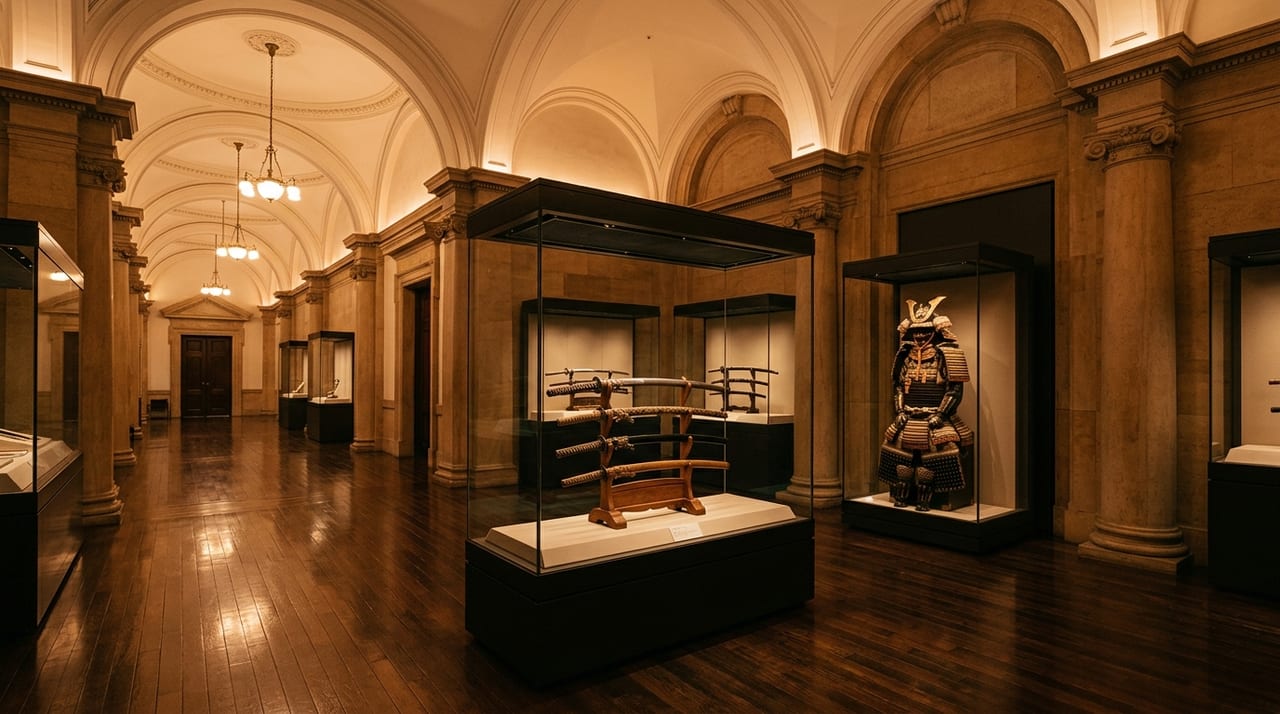
 * Image is for illustrative purposes only.
Seikado Bunko Art Museum
静嘉堂文庫美術館
Overview
Museum Overview
The Seikado Bunko Art Museum is a private museum housing East Asian antique art objects collected during the Meiji, Taishō, and Shōwa periods by Iwasaki Yanosuke, younger brother of Iwasaki Yatarō, founder of the Mitsubishi zaibatsu, and by Yanosuke's eldest son, Kōyata. The name 'Seikadō' comes from a line in the Chinese classic Shijing (Book of Odes), 'hentō seika' (the hentō vessels are still and fine), and it expresses a collecting spirit that values both the beauty of objects and a serene, refined character. Originally located on a hillside in Okamoto, Setagaya Ward, alongside a beautiful strolling garden, the museum relocated in 2022 to the Meiji Seimei Building in Marunouchi, starting a new chapter as a museum that more visitors can easily reach in central Tokyo.
Collection Overview
The museum's collection comprises about 200,000 classical books and about 6,500 East Asian antique objects. Beginning with a library of about 200,000 Chinese and Japanese books (kanseki and kokusho), it holds the finest East Asian antiquities across many fields, including ceramics, swords, textiles, paintings, lacquerware, and metalwork. Its designated cultural properties, seven National Treasures and eighty-four Important Cultural Properties, place it among the top tier of private museums in Japan. Among them, the National Treasure Yōhen tenmoku (Inaba tenmoku) is famed in the art world as one of the phantom ceramics of which only three bowls exist in the world, and it makes Seikado stand out as a globally significant cultural heritage institution.
Japanese Sword Collection
The Seikado sword collection is one of the fields to which the Iwasaki family devoted особенно strong collecting passion. It includes several swords designated as National Treasures or Important Cultural Properties, and works by master smiths representative of the Heian, Kamakura, and Muromachi periods are well represented. It includes outstanding works representing the Yamashiro, Yamato, Bizen, and Sōshū traditions, making it an ideal collection for surveying the history of Japanese swords. It also includes excellent metalwork sword fittings, so visitors can experience the artistic world of the entire sword, not just the blade.
Relocation to Marunouchi and New Exhibition Space
The 2022 relocation to the Meiji Seimei Building was a major turning point in the museum's history. Completed in 1934 (Shōwa 9), the Meiji Seimei Building is a modern architectural work designated as an Important Cultural Property of Japan, and its dignified neoclassical spaces are highly regarded as an exhibition setting for art objects. Displaying East Asian antiquities inside a historic building gives art appreciation a special depth, and its location in Marunouchi, the center of Japan's economy, has greatly improved access for visitors both domestic and international.
Special Exhibitions and Research Activities
Throughout the year, multiple planned and special exhibitions are held, each focusing on a themed selection from the collection. Sword-themed planned exhibitions display National Treasure and Important Cultural Property swords, offering sword enthusiasts a valuable opportunity to view them. The affiliated Bunko library serves as a research institution for kanseki and kokusho, used by researchers in Japan and abroad, giving the museum the character of a comprehensive cultural facility that combines museum and research functions.
Highlights
- National Treasure Yōhen tenmoku (Inaba tenmoku) ── A phantom Yōhen tenmoku tea bowl, of which only three exist in the world. Its deep indigo markings, like a galaxy captured within, draw art lovers worldwide as the greatest mystery in ceramic history
- National Treasure and Important Cultural Property swords ── Holds works by master smiths representative of each era, from the Yamashiro, Yamato, Bizen, and Sōshū traditions. A high-quality sword collection that gives an overview of the historical development of Japanese swords from the Heian and Kamakura periods through the Muromachi period
- Sword fittings and metalwork ── Outstanding sword fittings collected by the Iwasaki family, including tsuba, kozuka, and kōgai
- Historic architectural space of the Meiji Seimei Building ── A neoclassical landmark completed in 1934 (Shōwa 9) and designated as an Important Cultural Property of Japan. Its dignified spaces lend a special refinement to the display of East Asian antiquities
- Bunko of about 200,000 kanseki and kokusho ── The affiliated library is also renowned as a research hub for East Asian studies. It holds rare classical books and is used by researchers in Japan and abroad
* Opening hours and exhibitions are subject to change. Please check the official website before visiting.