 * Image is for illustrative purposes only.
Gotoh Museum
五島美術館
Overview
Museum Overview
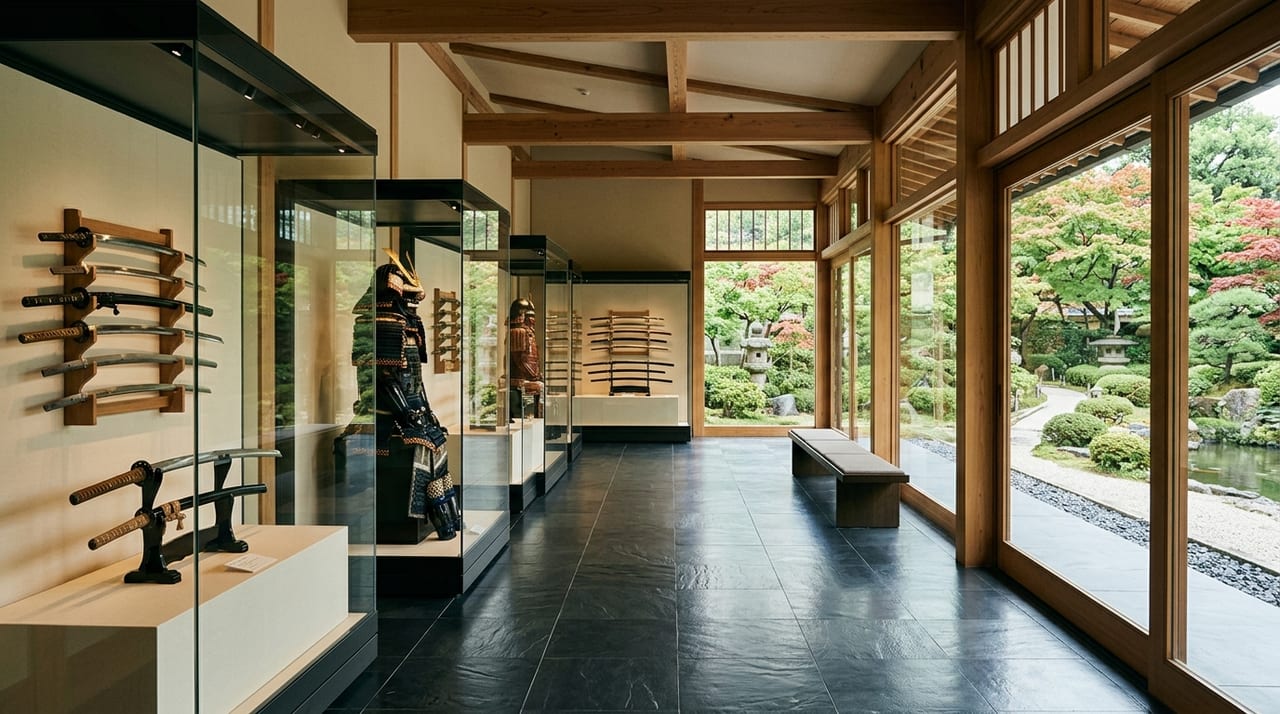
The Gotoh Museum is a private museum housing the East Asian antiquities collection amassed over a lifetime by Gotō Keita (1882–1959), founder of the Tokyu Group. Opened in 1960 (Shōwa 35), the museum sits on a quiet hilltop in Kaminoge, Setagaya Ward, where the main house (honkan) and the garden form one harmonious setting. It holds a collection of about 5,000 objects, which it presents to the public. The architecture, designed by the noted architect Yoshida Isoya, is a modern Japanese-style building incorporating shinden-zukuri design. Blending into the greenery of the Japanese garden, it provides an unsurpassed stage for displaying East Asian art. As a private museum holding five National Treasures and fifty Important Cultural Properties, the Gotoh Museum is one of Japan's highest-standard facilities for both the protection of cultural properties and the appreciation of art.
Main Collection
The Gotoh Museum's collection spans a wide range, including calligraphy and painting, ceramics, crafts, swords, and textiles. Among the most renowned works is the National Treasure fragments of the “Illustrated Handscroll of The Tale of Genji.” Created in the late Heian period, this handscroll is the oldest surviving illustrated version of The Tale of Genji and one of the most important works in the history of Japanese art. Its drawing power is such that long queues form during the special spring exhibition period each year. In calligraphy, masterpieces are gathered, including ancient sutra copies from the Nara period, old calligraphic fragments from the Heian period, and bokuseki (ink calligraphy) by Zen monks. The museum is also renowned as a treasure house of calligraphic history.
Sword Collection
The Gotoh Museum's swords are centered on those formerly owned by Fukui Sadanori, which were donated after the museum opened.
Japanese Garden and Museum Setting
One of the attractions of the Gotoh Museum is its site of about 6,000 tsubo (about 20,000 m²), including the garden, spread across the Kaminoge hill. The garden's undulating terrain, where Musashino woodland slopes down toward the Tama River, displays scenes of the four seasons, including plum, cherry, autumn foliage, and tea rooms. It offers an ideal space for a stroll to calm the mind before and after viewing the exhibitions. The combination of garden and museum, set apart from the bustle of the city, can be said to be one of the environments most suited to appreciating traditional Japanese art. Gotō Keita's aesthetic sense, which was also deeply versed in the tea ceremony, is embodied in the architecture, the garden, and the exhibitions alike.
Special Exhibitions and Public Display of the Collection
Several special exhibitions are held throughout the year, each one drawing on the collection with a focused theme. The National Treasure “Illustrated Handscroll of The Tale of Genji” is displayed only in limited showings each spring, capturing the attention of many visitors. Although located somewhat away from central Tokyo, the museum is convenient, a five-minute walk from Kaminoge Station on the Tokyu Oimachi Line, and it attracts visitors from a broad range of backgrounds.
Highlights
- National Treasure “Illustrated Handscroll of The Tale of Genji” — Holds fragments of the oldest surviving Genji illustrations, a supreme masterpiece of Japanese art history. Its limited spring display each year draws viewers from across Japan, an overwhelming masterpiece
- Swords formerly owned by Fukui Sadanori — Holds swords formerly owned by Fukui Sadanori, donated after the museum opened
- Ancient Sutra Copies and Bokuseki — A collection of Nara-period sutra copies that Gotō Keita proudly called “the finest in Japan,” along with masterpieces of bokuseki by Zen monks
- Main Building Designed by Yoshida Isoya — A celebrated Shōwa-era building incorporating shinden-zukuri design (a nationally registered Tangible Cultural Property), forming an exhibition setting integrated with the garden. Highly regarded at home and abroad as the most refined museum space in Tokyo
- Garden on About 6,000 Tsubo of Site — The garden on the Kaminoge hill, where plum, cherry, autumn foliage, and tea rooms color the four seasons. An urban retreat where visitors can savor quiet Japanese natural beauty before and after viewing the exhibitions, a world apart within the city
* Opening hours and exhibitions are subject to change. Please check the official website before visiting.