New Arrivals — Browse our catalog for the latest authentic Japanese sword arrivals. Browse →
Insights into Japanese sword knowledge and culture
The Kenmu Code (建武式目) and early Muromachi sword policy. Explains how Ashikaga Takauji managed massive Nanboku-cho overproduction by patronizing swordsmiths, establishing the foundation for the onban kaji (御番鍛冶) system of regulated samurai sword culture.
The 1185 Battle of Dan-no-ura, the final clash of the Genpei War, was a pivotal moment in Japanese sword culture history.
Dojigiri Yasutsuna, one of the Tenka Goken, is the oldest surviving Japanese sword of supreme quality.
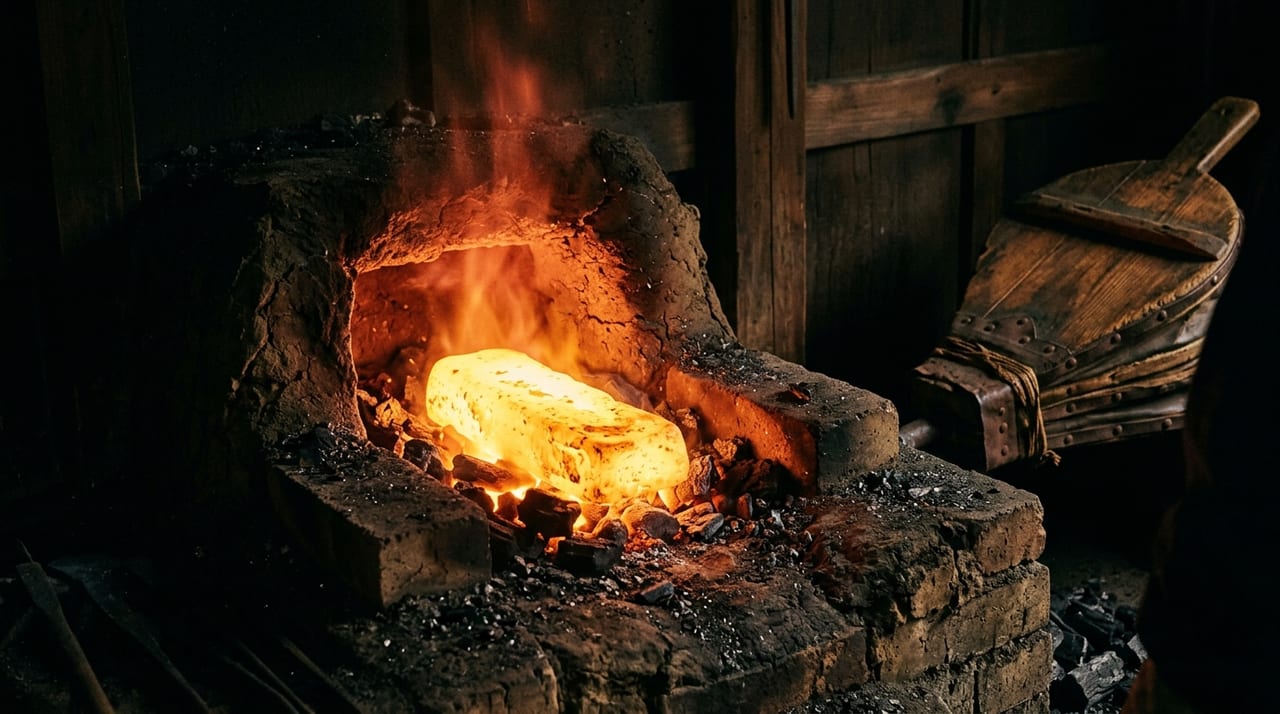
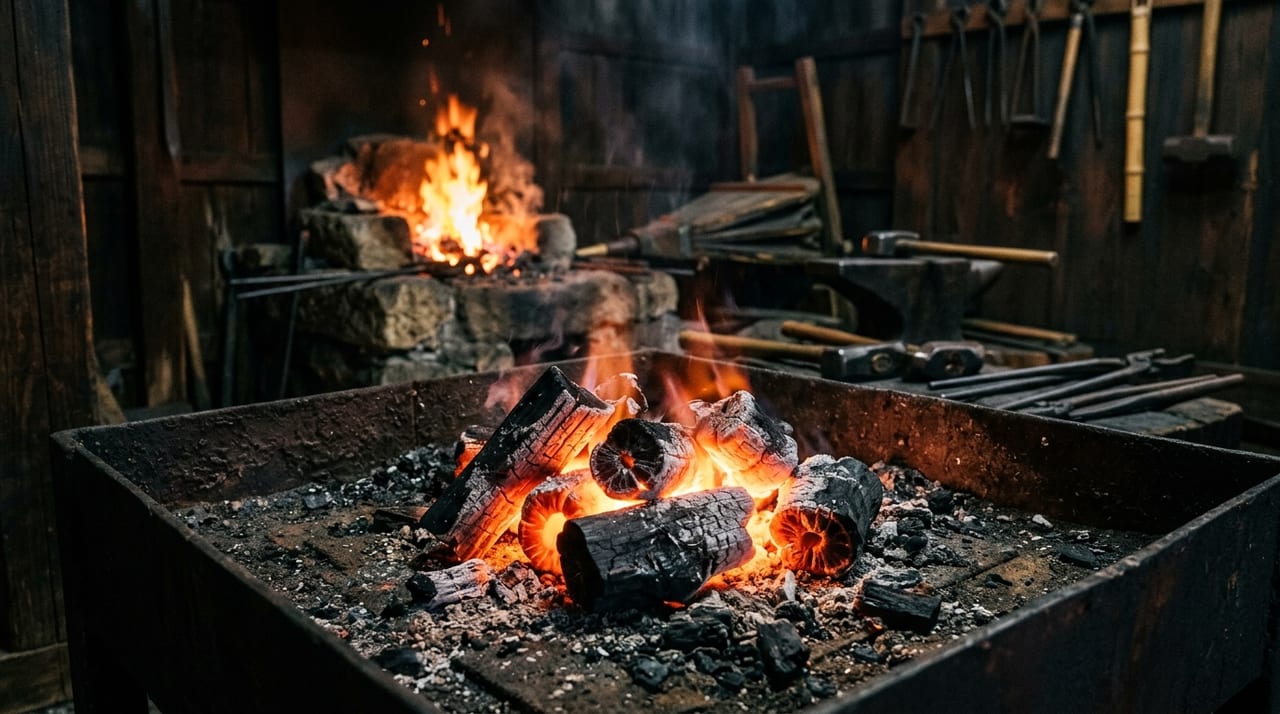
A scientific examination of the bellows (fuigo) and furnace temperature control at the heart of Japanese sword forging, exploring how charcoal type, airflow, and heating duration affect tamahagane carbon content and blade quality.
Japanese sword forging relies on charcoal—black, white, and premium binchotan (備長炭). Explores quality characteristics, why binchotan is preferred, and how toji (刀匠) judge charcoal through appearance, sound, density, and origin verification. Covers regional sources and modern supply challenges facing this essential craft.
A thorough examination of the historical positioning, morphological characteristics, comparison with hira-zukuri, and authentication points for distinguishing tanto with the distinctive cross-sectional structure of kirihazukuri (切刃造り).
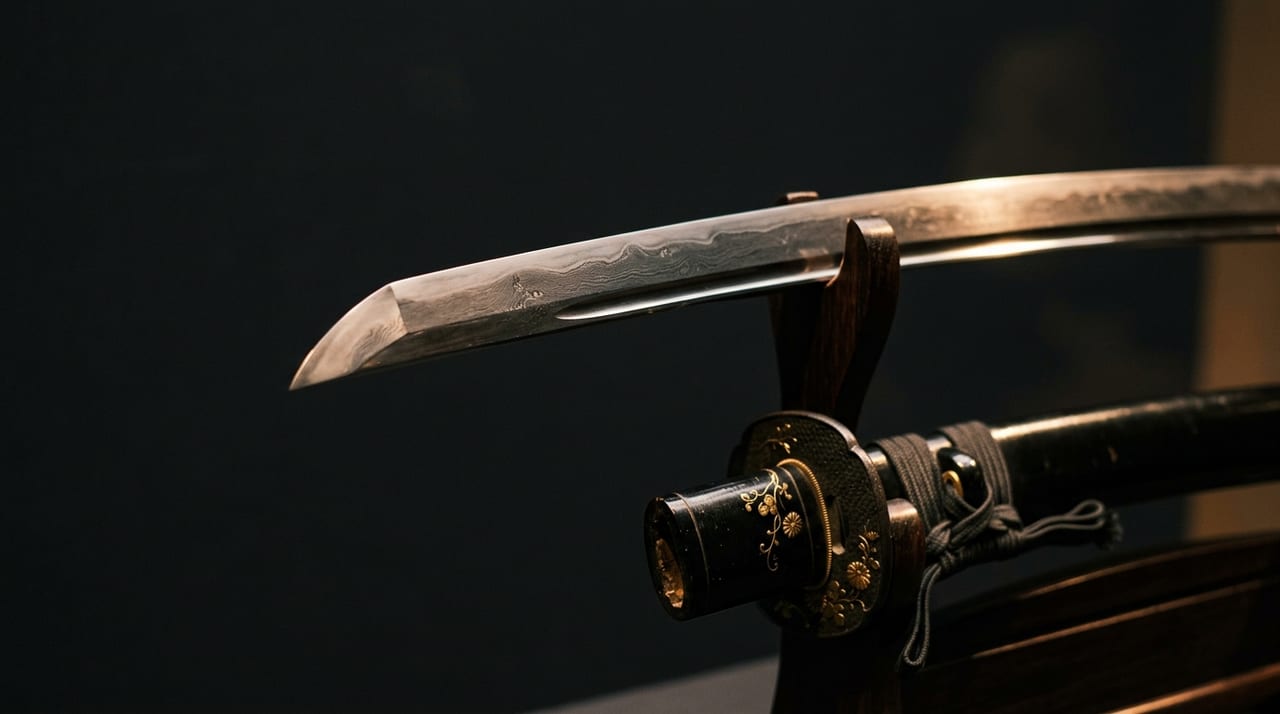
The kissaki (blade tip) of Japanese swords changes dramatically according to period and school. This article explains the morphological characteristics of inokubi, o-kissaki, chu-kissaki, and ko-kissaki, and the historical context behind their emergence.
The technical system, historical background, materials, and manufacturing processes of the mei-kugi-shi (目釘師), the specialist craftspeople who make the mei-kugi (目釘), the small pegs that secure the blade and handle of a Japanese sword.
The sword Hizamaru (Usumidori), associated with Minamoto Yoshitsune, is one of the most legendary blades of the Genpei War period.
Naginata-gata wakizashi (薙刀形脇差) are short swords forged with naginata (薙刀) aesthetic, featuring kata-kirishinai-zukuri (片切刃造り) blade form, saki-zori (先反り) curvature, and long tang. Unlike naginata-naoshi (薙刀直し)—reworked naginata modified into short swords—these were designed as wakizashi originally. This article covers morphological differences, authentication methods to distinguish them, Edo-period custom orders for martial training and sentimental purposes, and their modern market evaluation.
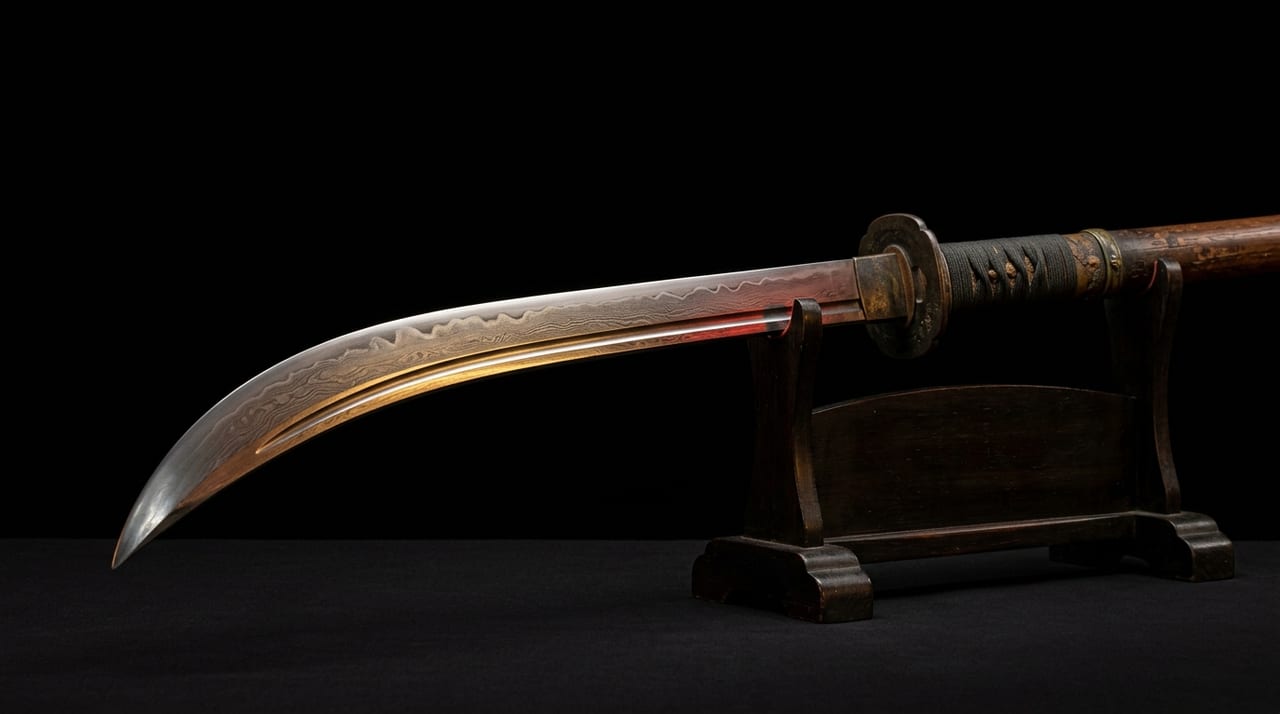
Explores the characteristics of hamon (刃文) and jigane (地鉄) in naginata (薙刀) by comparing them with tantō (短刀) and tachi (太刀), and discusses both the polishing challenges unique to long blades that polishers face and the material appeal of old naginata.
Tracing the historical dispersal, migration, and reorganization of smithing communities in the major sword-producing areas of Bizen, Yamashiro, and Soshu during the tumult of the Nanbokucho period (1336-1392).