Forms and Historical Changes of Kiriha-zukuri Tantō — The Uses for Which Kiriha-zukuri Was Chosen and How to Identify It in Appraisal
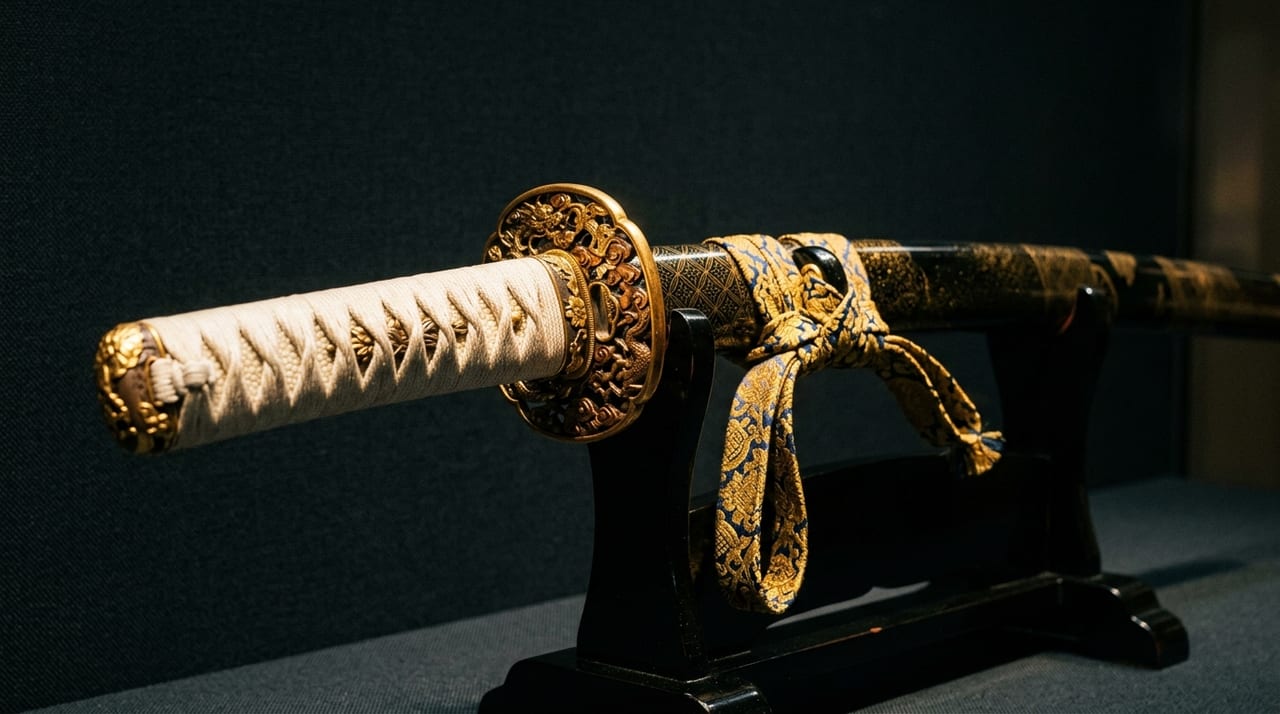 * Image is for illustrative purposes only.
Table of Contents
What Is a Kiriha-zukuri Tantō?
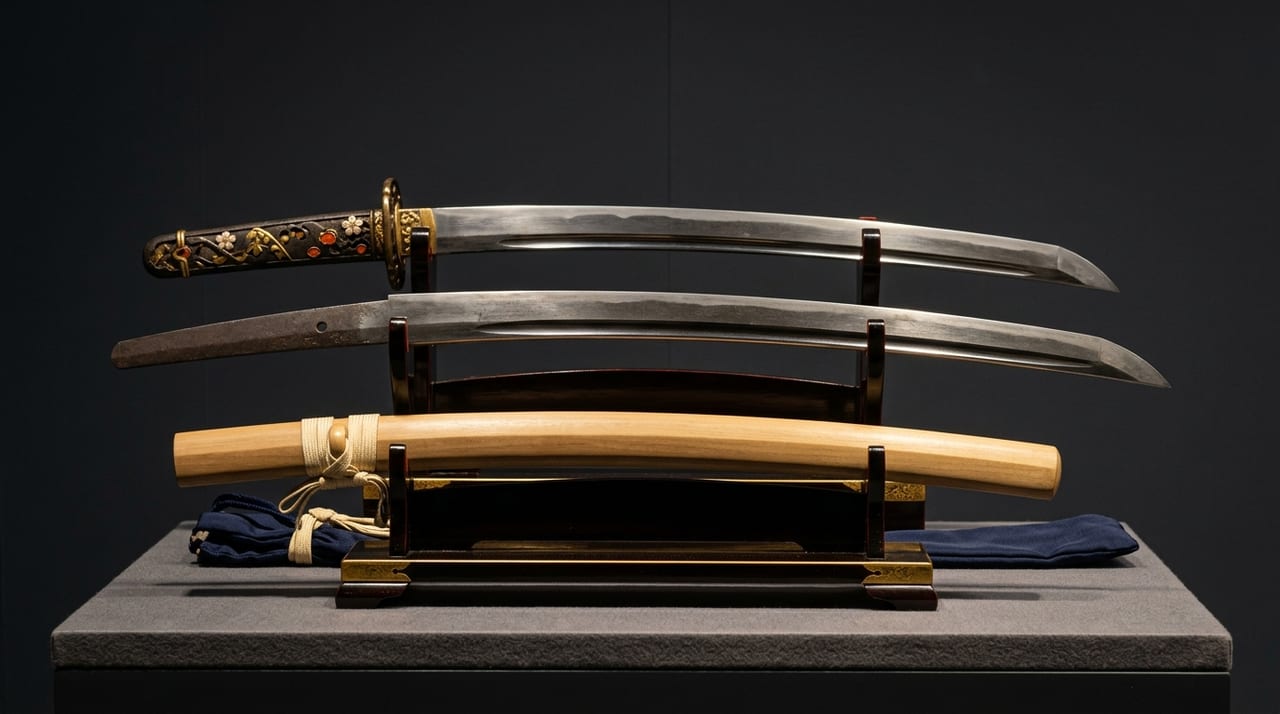
Kiriha-zukuri is one of the forms of blade construction in Japanese swords, in which the shinogi line is positioned close to the cutting edge and the cross-section of the blade forms an asymmetrical wedge shape that differs between the shinogi side and the edge side. It derives from jōkotō and chokutō (straight swords), and is positioned as a precursor form to shinogi-zukuri. The edge side is finished sharply thin, while the mune side retains material and has thickness. This distinctive cross-sectional shape is the defining characteristic of kiriha-zukuri.
The kiriha-zukuri construction in tantō can be confirmed as far back as the Muromachi period, and was produced in particularly large numbers from the Sengoku period through the early Edo period. Functionally it excelled at thrusting into the gaps in armor, and was valued as a tantō suited to armor-piercing use. Compared to hira-zukuri tantō, the cross-section is thicker and more robust, offering the advantage of being resistant to breakage. On the other hand, unlike shinogi-zukuri, it lacks the structural reinforcement provided by the shinogi line, so the risk of breakage exists when the blade is finished to an extreme thinness. Swordsmiths determined the form of kiriha-zukuri by weighing these trade-offs.
Morphological Characteristics of Kiriha-zukuri and Differences from Hira-zukuri
Kiriha-zukuri and hira-zukuri are often confused, but the two are clearly distinct. In hira-zukuri, both faces of the blade are flat, and the cross-section in the direction of the mune takes a shape close to an isosceles triangle. Kiriha-zukuri is characterized by an asymmetrical shape in which the edge side has a steeply angled "kiriha" section and the thickness increases sharply toward the mune.
This kiriha surface can be clearly distinguished when observed after polishing. For a togishi as well, polishing kiriha-zukuri requires different techniques from hira-zukuri, and it is required that the kiriha surface be brought out appropriately without being damaged. The balance of the angle and width of the kiriha surface determines the ultimate performance in use and the aesthetic quality.
Depending on the period and school, the tendencies in the construction of kiriha-zukuri differ as follows.
| Period / School | Tendency |
|---|---|
| Late Muromachi to Momoyama period | Relatively robust, with wide mihaba and thick kasane |
| Edo period | Gradually becomes more slender, with an increase in works shifting toward ceremonial use |
| Satsuma school | Particularly many examples with a thick kiriha surface |
The Position of Kiriha-zukuri in Historical Context
Behind the large number of kiriha-zukuri tantō produced lies the practical demand of the Sengoku period. For the purpose of thrusting into the gaps in armor, the wedge-shaped cross-section with a thick mune and thin edge was considered effective. As a result of prioritizing the practicality of delivering the coup de grâce with a tantō after a mounted warrior had fallen from a horse, and for use in tantō combat during grappling, the kiriha-zukuri form was chosen.
From the Edo period onward, as the need for battlefield use declined, kiriha-zukuri gradually came to be appreciated from the perspectives of formal dress wear and artistic merit. The precise polishing of the kiriha surface and its harmony with the hamon became the focal points of appreciation, and kiriha-zukuri tantō by master swordsmiths came to receive high regard as works of craft art.
It should be noted that kiriha-zukuri is seen not only in tantō but also in koshigatana and wakizashi. In particular, "kiriha-zukuri wakizashi" frequently appear in examples with a nagasa of approximately 30 centimeters, and there was also a certain demand for them in the practice of battōjutsu.
Key Points for Identifying Kiriha-zukuri Tantō in Appraisal
In the appraisal of kiriha-zukuri tantō, observation of the cross-sectional shape of the blade takes the highest priority. The points to confirm are as follows.
- The presence of a clear kiriha surface
- The shinogi line is positioned extremely close to the cutting edge relative to the blade as a whole
- The thickness toward the mune is pronounced
Next, the quality of the finish of the kiriha surface serves as a clue indicating the period and the caliber of the swordsmith.
| Category | Characteristics |
|---|---|
| Kiriha-zukuri by master swordsmiths of the Edo period | The boundary between the kiriha surface and the hira is clear, and the polishing is precise |
| Kazuuchi-style kiriha-zukuri | The angle of the kiriha surface is uneven, and there is also variation in the thickness toward the mune |
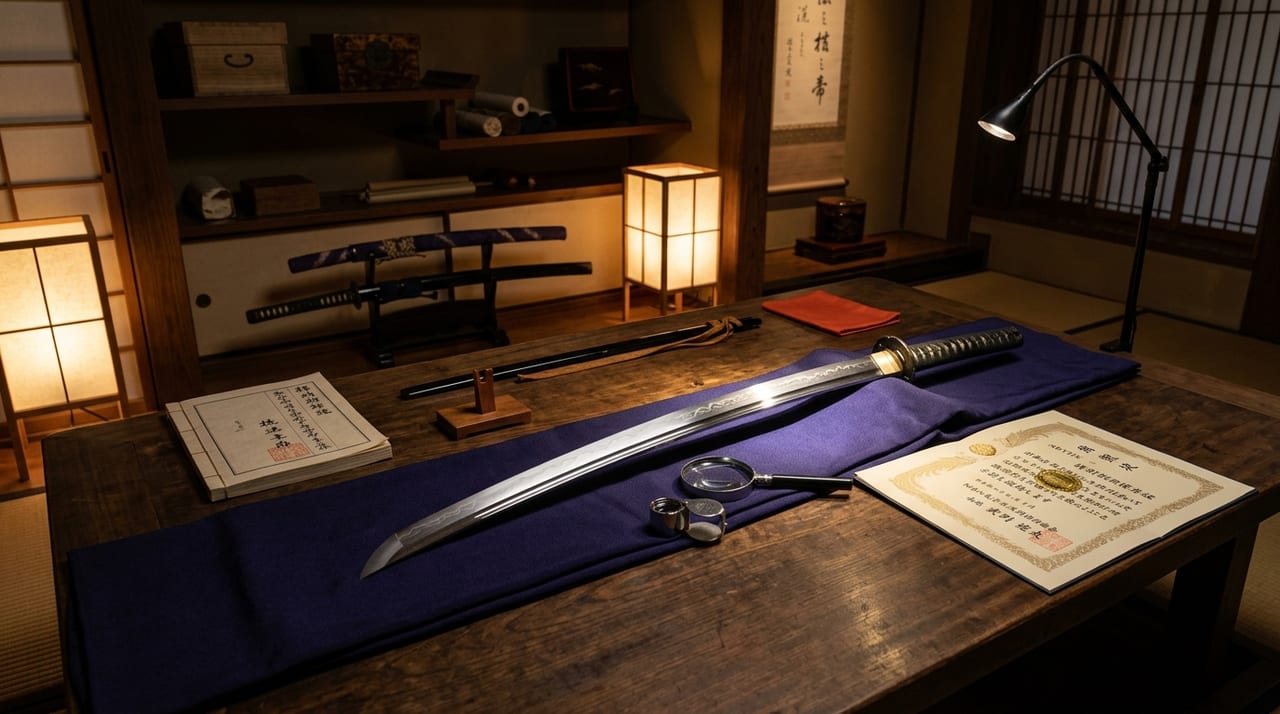
The hamon shows a variety of changes as in hira-zukuri, but suguha and ko-midare are common, and large irregular hamon are relatively rare in kiriha-zukuri. Regarding the mei, few swordsmiths explicitly indicate kiriha-zukuri, and it is necessary to make a comprehensive judgment from the shape of the nakago, the yasurime, and the overall form. In the examination by NBTHK (Society for the Preservation of Japanese Art Swords), the ability to identify kiriha-zukuri is also emphasized as a fundamental appraisal skill.
Modern Evaluation and Collecting of Kiriha-zukuri Tantō
In modern sword collections, kiriha-zukuri tantō circulate somewhat less than hira-zukuri or shinogi-zukuri. This is not only due to the difference in production numbers, but also reflects the aspect that they are difficult to bring to market because appraisal and preservation are challenging.
Since the polishing of kiriha-zukuri requires specialized skill, examples in a properly polished state are rare, and it is not uncommon for examples in poor polish to appear on the market. At the time of purchase it is recommended that the condition be confirmed by a togishi.
From the perspective of collecting, examples from before the early Edo period for which a mei can be confirmed are of high cultural heritage value. Among Momoyama-period kiriha-zukuri examples, there are works by renowned swordsmiths, and those for which comparative research with museum collections is possible are also academically esteemed. On the premise of confirming the registration certificate and obtaining a kanteisho (appraisal certificate), consulting a sword dealer with specialized knowledge focused on kiriha-zukuri tantō is the realistic first step in collecting.
Kiriha-zukuri is a construction established in the age of jōkotō and kotō, and in the history of the development of Japanese swords it forms an important technical lineage alongside hira-zukuri and shinogi-zukuri. In modern sword research as well, it is positioned as a fundamental element in the morphological classification of blade construction. Reading into the intentions with which swordsmiths of each era chose kiriha-zukuri leads to a deeper appreciation.