New Arrivals — Browse our catalog for the latest authentic Japanese sword arrivals. Browse →
Insights into Japanese sword knowledge and culture
A practical guide to insurance claims for nihonto owners covering theft, fire, and flood damage — insurance types, assessors, negotiations.
Explores the reality of tameshimono (試し者), the specialized occupation of test-cutting officially sanctioned by the Edo Shogunate. Provides detailed coverage of its relationship with the Yamada Asaemon family, its interconnection with the wazamono ranking (業物番付), and the social impact of test-cutting on both the sword industry and the evaluation of swordsmiths.
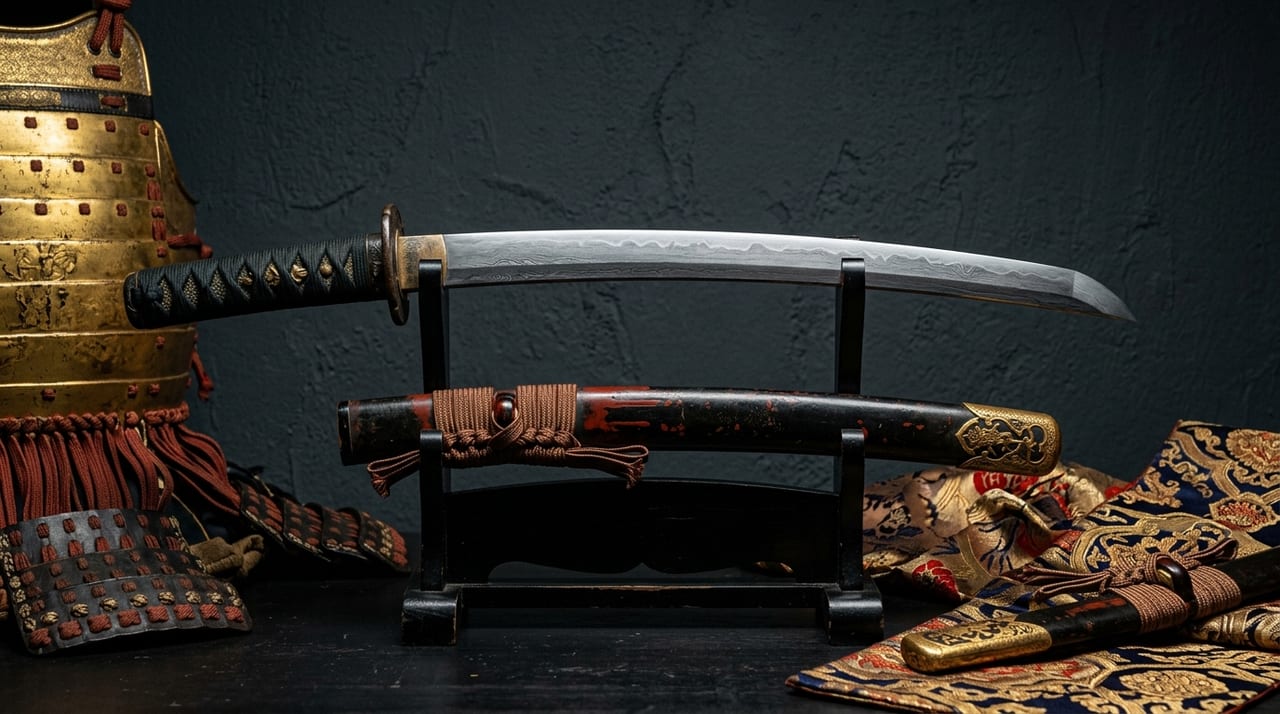
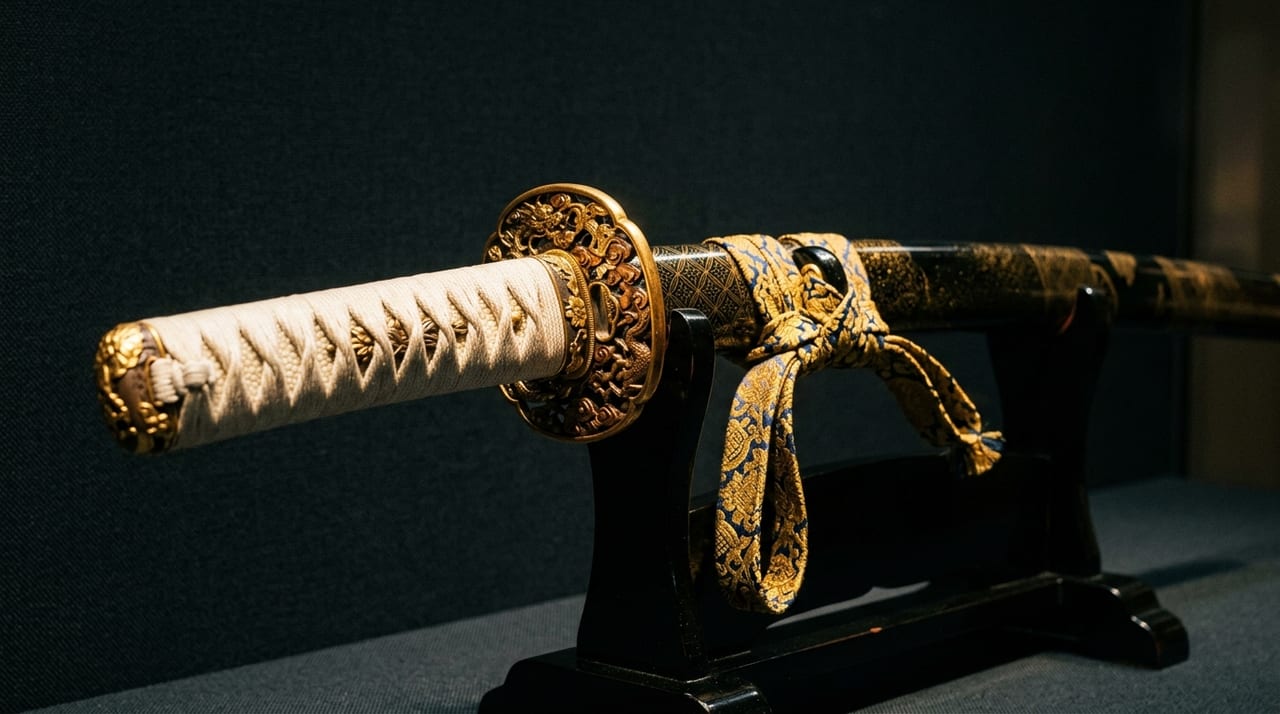
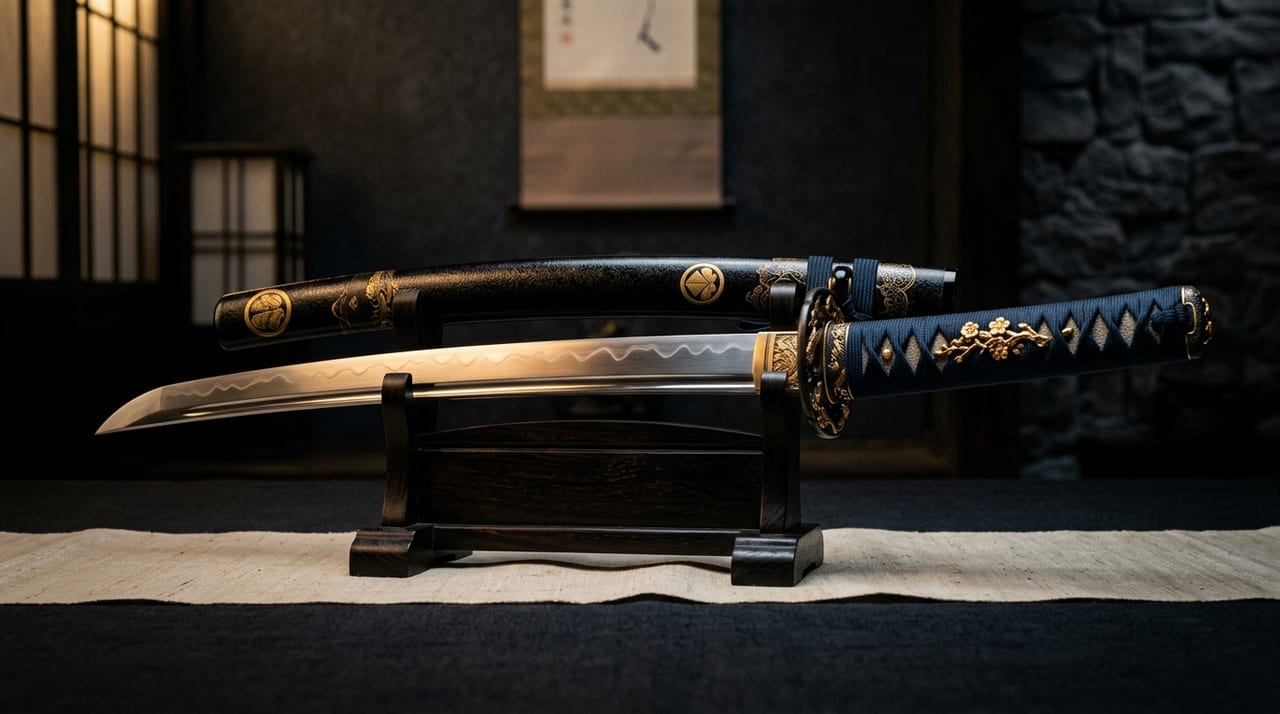
An explanation of the formal characteristics, innovations in sword fittings, and temporal evolution of the bajō-zashi (馬上差し) used by mounted warriors for combat while mounted. Explores the design philosophy of the waist curve (腰反り) and how sword-drawing optimization was put into practice.
Following the maturation of Genroku culture, this article examines the influences that the Hoei-Shotoku period—marked by the transition of shoguns and the strengthening of Confucian ritual propriety—exerted on sword morphology, sword-fitting craftsmanship, and sword-smith society.
A comprehensive explanation of the characteristics of Kikuichimonji, which stands at the pinnacle of the Ichimonji School known as Emperor Go-Toba's court-appointed swordsmiths, methods for authenticating it, and the beauty of its surviving masterpieces.
Explains the impact of the Kyōho Reforms (1720s) on samurai sword-wearing culture and the activities of swordsmiths in the late Shintō period. Examines an era in which blade-focused aesthetic appreciation developed alongside the compilation of the Kyōho Notable Swords Record and the flourishing of sword-fighting schools.
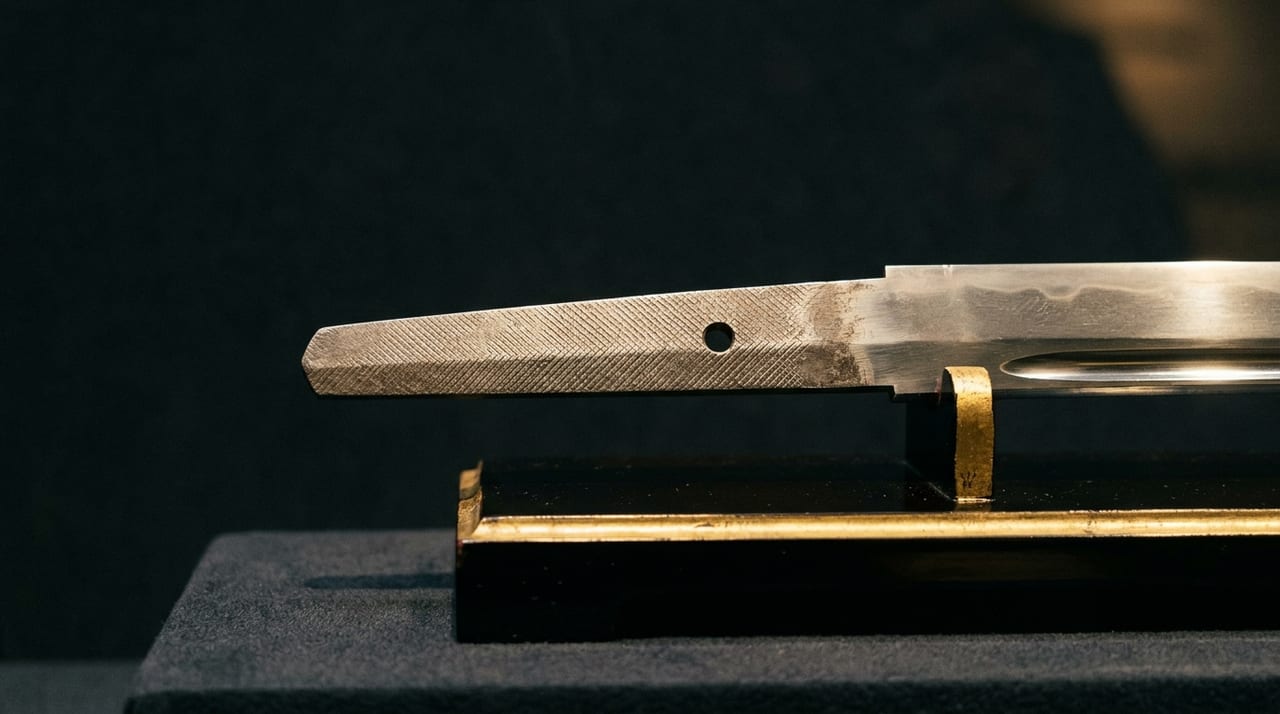
Detailed explanation of the techniques for nakago (茎) shaping, mekugi-ana (目釘穴) boring, and yasuri-me (鑢目) cutting performed by the swordsmith after heat treatment. From shape classification to boring position accuracy, school-specific yasuri-me styles and their practical functions—a complete guide to nakago finishing practices.
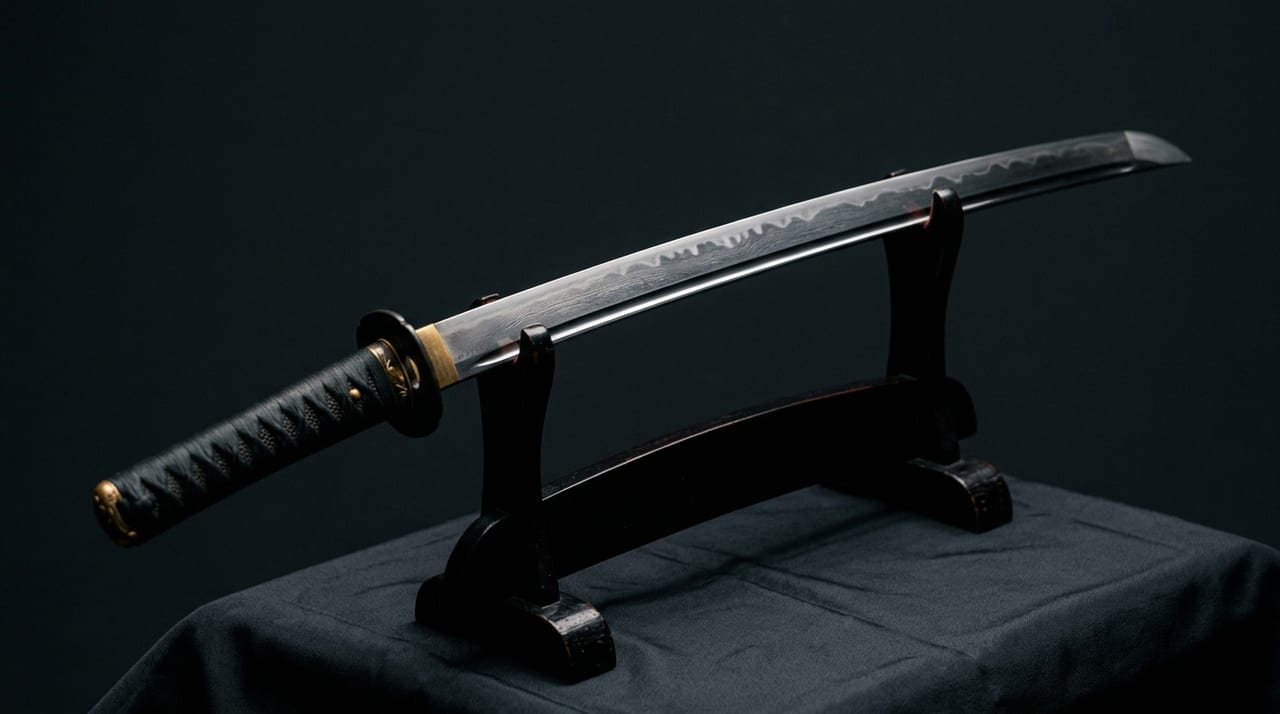
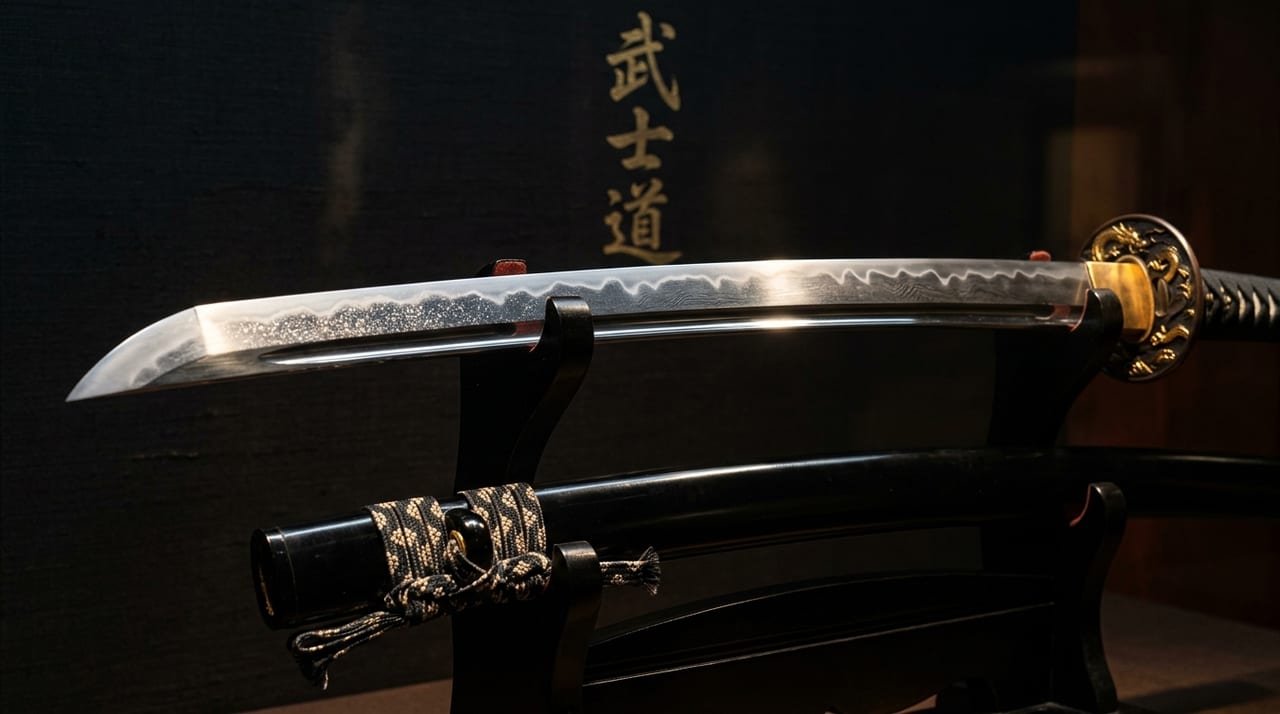
This article provides a scientific explanation of blade patterns, detailing how two contrasting particle states—nie (coarse-grained) and nioi (fine-grained)—influence the appearance of the hamon, and how different sword-smith schools have historically used them distinctly.
A practical guide to the process of verifying registration certificates, filing ownership transfer documents, obtaining appraisals, and selling swords when inherited as estate assets, centered on coordination between law, taxation, and sword dealers.
Explains how the intangible cultural property system and the designated preservation technique system, based on the Cultural Properties Protection Law, support the transmission of skills among swordsmiths, polishers, scabbard makers, and other sword-related craftspeople. Also introduces the realities and challenges of the Living National Treasure system.
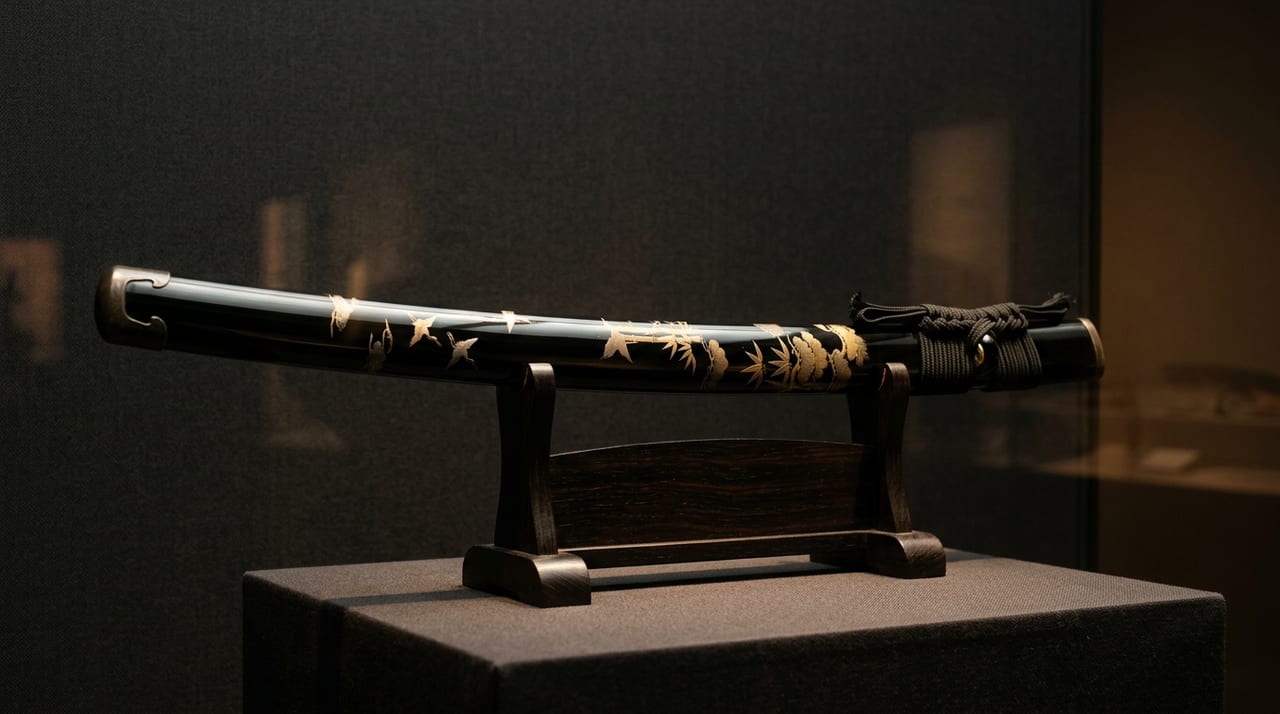
A detailed explanation of the various lacquering techniques applied by shayashi to sword scabbards—roiro urushi, ishime coating, and togidashi maki-e—including their processes, material selection criteria, and the current state of their transmission in modern times.
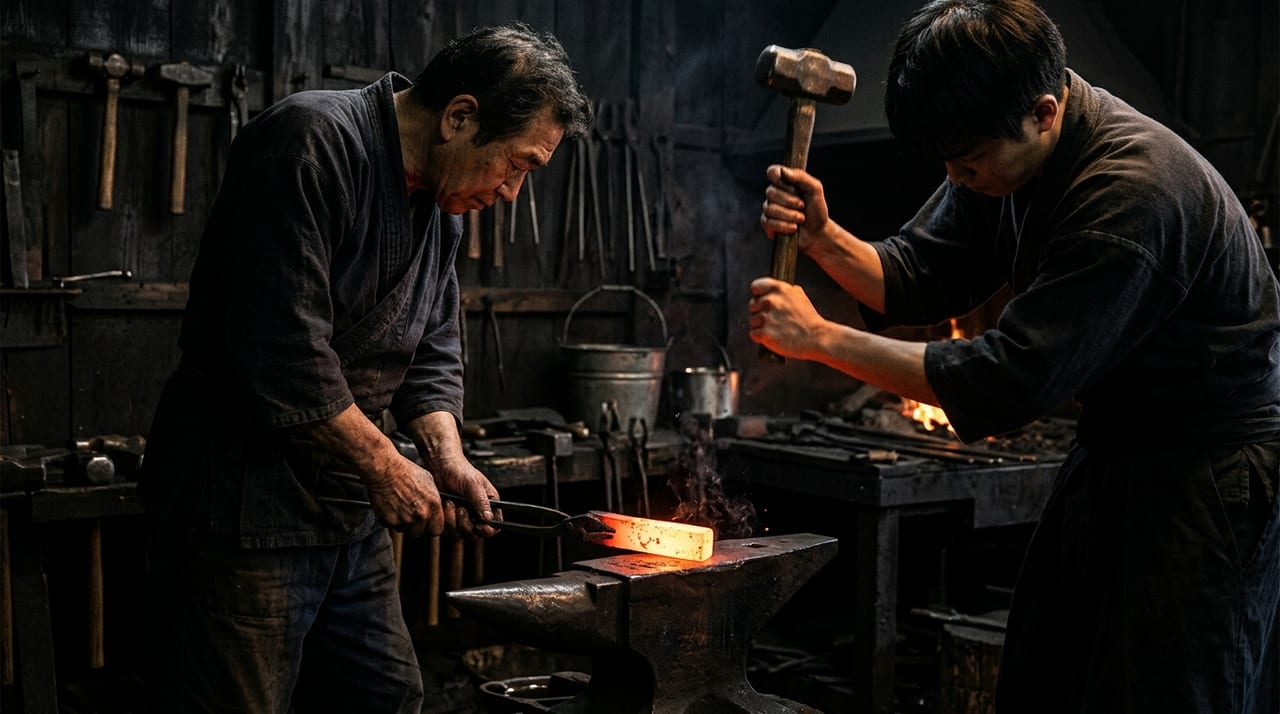
An explanation of the technical role of the 'uchiko,' the assistant craftsman who supports the swordsmith's forging in a traditional workshop, along with the realities of master-disciple training and the changes brought by mechanization. This article also examines the skill of timing ('ma') involved in swinging the sledgehammer and the challenges of preserving this tradition today.