Insurance Claim Procedures for Japanese Sword Owners — From Compensation Applications for Theft, Fire, and Flood Damage to Settlement Negotiations
 * Image is for illustrative purposes only.
Table of Contents
Japanese Swords and Property Insurance — The Little-Known Reality of Coverage
It is not uncommon for collectors and sword dealers who own Japanese swords to assume they are safe because they have insurance. In practice, however, a close reading of standard personal property comprehensive insurance or fire insurance policies reveals hidden risks of being denied coverage: swords may be classified as "weapons" and excluded from coverage, or the assessed value may go unrecognized without an attached kanteisho (appraisal certificate).
This article provides concrete guidance on the procedural flow, required documents, and key points for negotiating with insurance companies that sword owners actually face when making use of property insurance.
Types of Insurance That Cover Japanese Swords
There are three main types of property insurance that can cover Japanese swords.
Personal property comprehensive insurance (fine arts and antiques rider) is the most widely used. It covers accidental losses both domestically and internationally (breakage, theft, fire, and flooding), and some insurers determine the compensation amount based on a "declared value" derived from a kanteisho or appraisal report. However, if the declared value diverges significantly from current market conditions, the insurer may appoint an independent appraiser to reassess.
The household contents rider on fire insurance may apply to swords stored at home, but coverage limits are imposed and are often insufficient for high-value swords. Since swords may also be classified as "weapons" and excluded, individual confirmation with the insurer before signing a contract is essential.
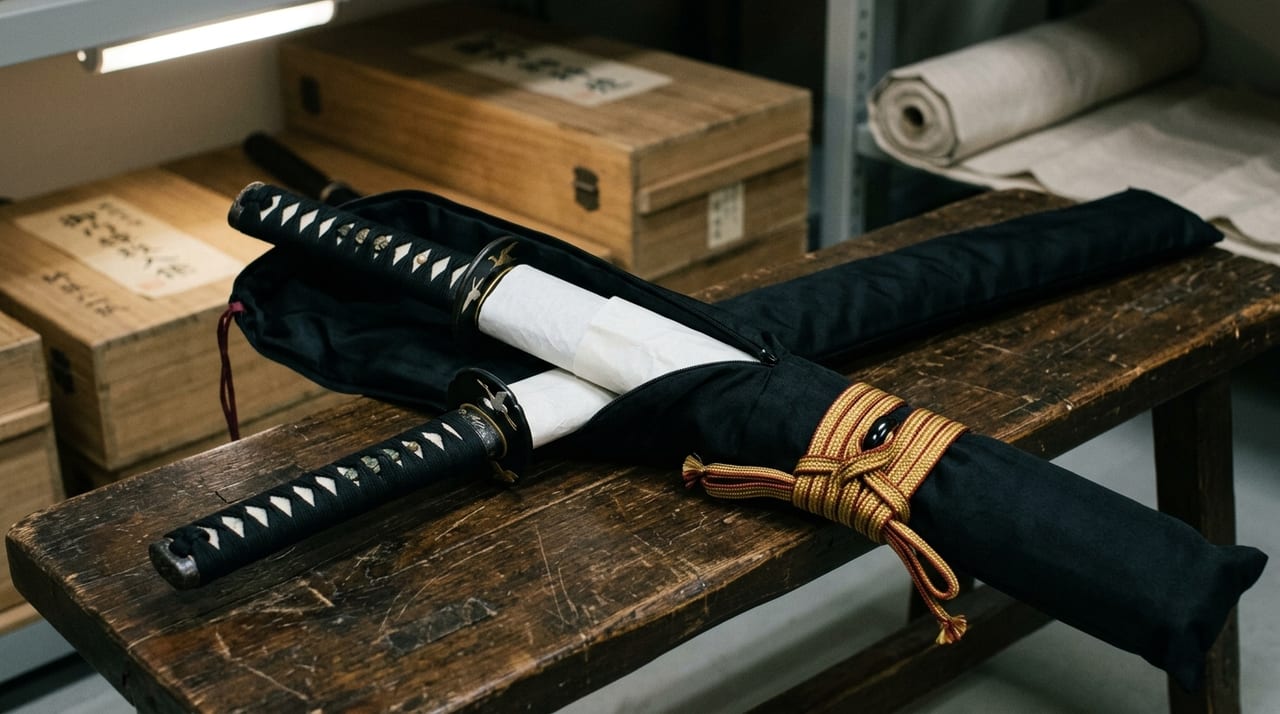
Transit insurance applies when moving, mailing, or consigning swords. Japanese swords require specialized packaging even for domestic transport, and failure to meet the insurer's prescribed packaging standards can result in a denial of coverage.
Procedure from Loss Occurrence to Insurance Claim
Step 1: Recording and Preserving Evidence of the Damage
In the case of theft, first file an incident report with the jurisdictional police station and obtain a receipt number. This number is a required document for the insurance claim. In the case of fire or flooding, photograph and video the scene as extensively as possible to document the damage. Do not under any circumstances dispose of remains, as the insurance investigator may need to examine them later.
Step 2: Initial Notification to the Insurer
Report the incident to the insurer promptly after the loss occurs (within 30 days in most cases). Have the following on hand at this stage.
- Insurance policy (or policy number)
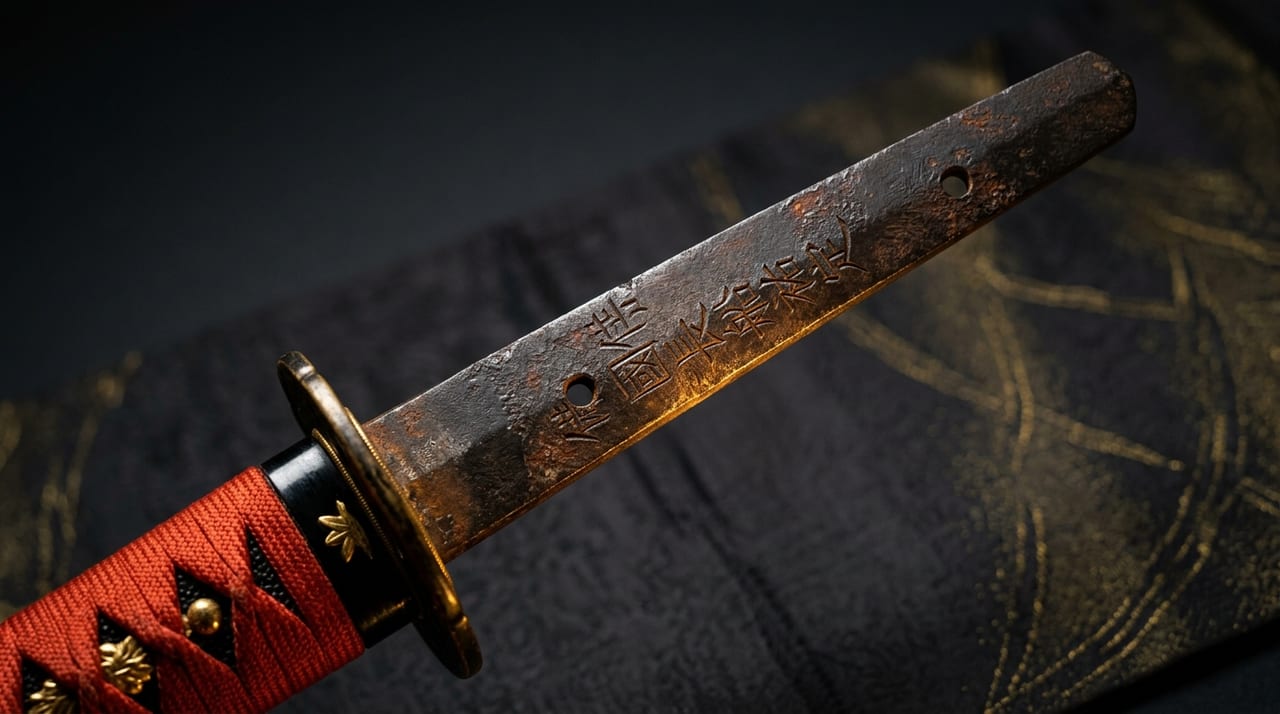
- The sword's registration certificate (jūhō tōken-rui tōroku-shō)
- Receipts and sales contracts from the time of purchase
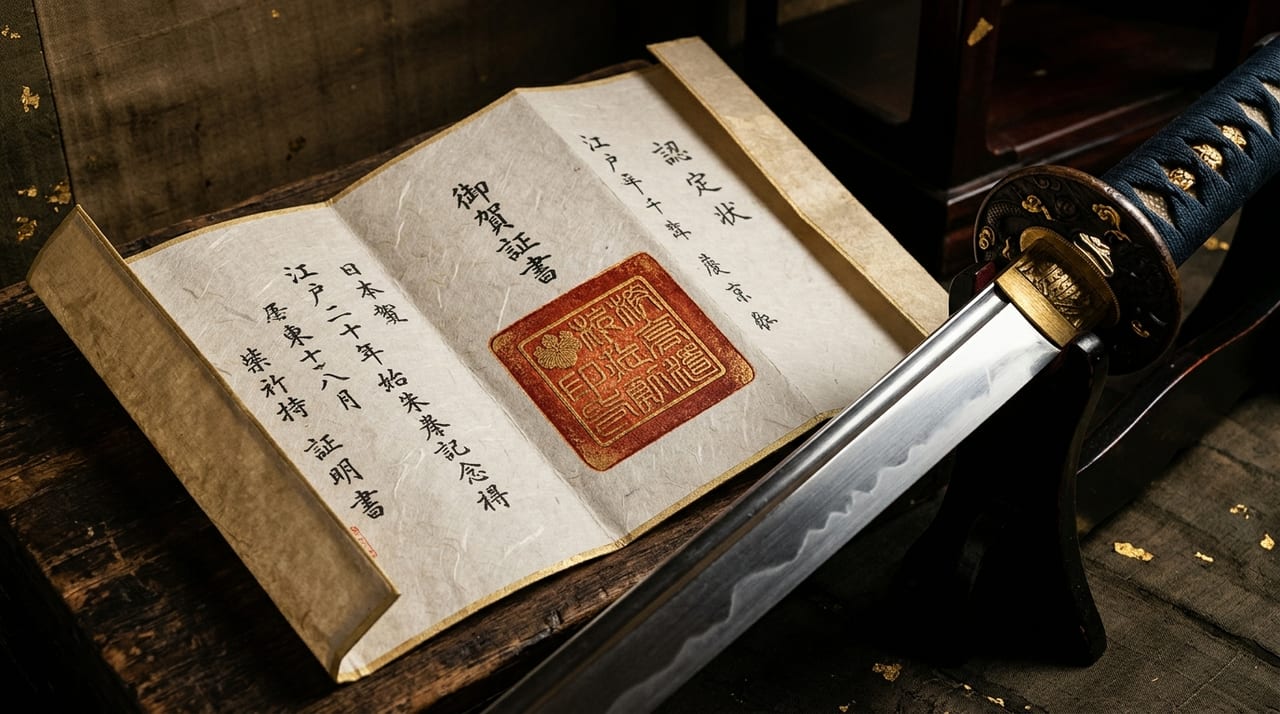
- Kanteisho from authoritative institutions such as NBTHK or the Hon'ami family
- Photographic and video records taken before and after purchase
Step 3: Dealing with the Loss Adjuster
The loss adjuster (adjuster) appointed by the insurer will conduct an on-site investigation. Because general adjusters lack specialist knowledge of Japanese swords, the policyholder has the right to demand that the insurer "appoint a loss adjuster specializing in Japanese swords." If this demand is not accommodated, the policyholder can counter by submitting an appraisal report from a third-party institution (NBTHK or a certified sword dealer).
Step 4: Settlement Negotiations
If the policyholder is not satisfied with the compensation amount proposed by the insurer, settlement negotiations begin. The following materials will strengthen the negotiating position.
- Recent competitive auction results (auction records)
- Market price research on swords of equivalent class
- Written opinions from attorneys or sword dealers specializing in Japanese swords
If negotiations break down, the insurance ADR (Alternative Dispute Resolution institution) can be utilized. It is free of charge, and mediation is conducted from a neutral standpoint.
Insurance Design for High-Value Sword Collections
For owners of Jūyō Tōken and top-tier swords, it is recommended to attach an "itemized declaration" rider for each piece in the collection. This ensures that the assessed value of each sword is specified in the contract, avoiding appraisal disputes at the time of loss.
Standard insurance uses the "purchase price" as the basis, but prices in the sword market fluctuate with supply and demand. Swords purchased years ago need to be reassessed at their "current market value," so it is advisable to obtain a reappraisal from NBTHK or a reputable sword dealer at least once every three to five years.
The Relationship Between Recovery of Stolen Swords and Insurance
If a sword that has been stolen is recovered after insurance compensation has already been paid, a complex situation arises. Most insurance policies stipulate that "if a compensated item is recovered, the policyholder may choose either to transfer ownership of the item to the insurer or to return the insurance proceeds received."
Since swords are items tied to a registration certificate, the victim typically retains the registration certificate even after a theft. In such cases, reclaiming the recovered sword as "one's own sword" may require returning the insurance proceeds. It is important to be aware of this point in advance.
Summary — Checklist for Effective Use of Sword Insurance
The key points for sword owners to make effective use of insurance are as follows.
- Pre-contract confirmation: Check the policy to ensure swords are not excluded as "weapons"
- Regular updating of assessed values: Update kanteisho and appraisal reports every three to five years
- Routine documentation: Keep photographic and video records of swords at the time of purchase and periodically thereafter
- Prompt police reporting: File an incident report within 48 hours of discovering a theft
- Use of specialists: Seek support from attorneys and sword dealers specializing in Japanese swords during settlement negotiations
Japanese swords are not mere property; they also have an aspect as cultural artifacts. By making appropriate use of insurance, owners can fulfill their responsibility to protect and pass on that value to future generations.