Sword Culture in the Mid-Kyōhō Era (1720–1735) — Samurai Attitudes toward Wearing Swords after the Yoshimune Reforms and the Tōkō of the Late Shintō Period
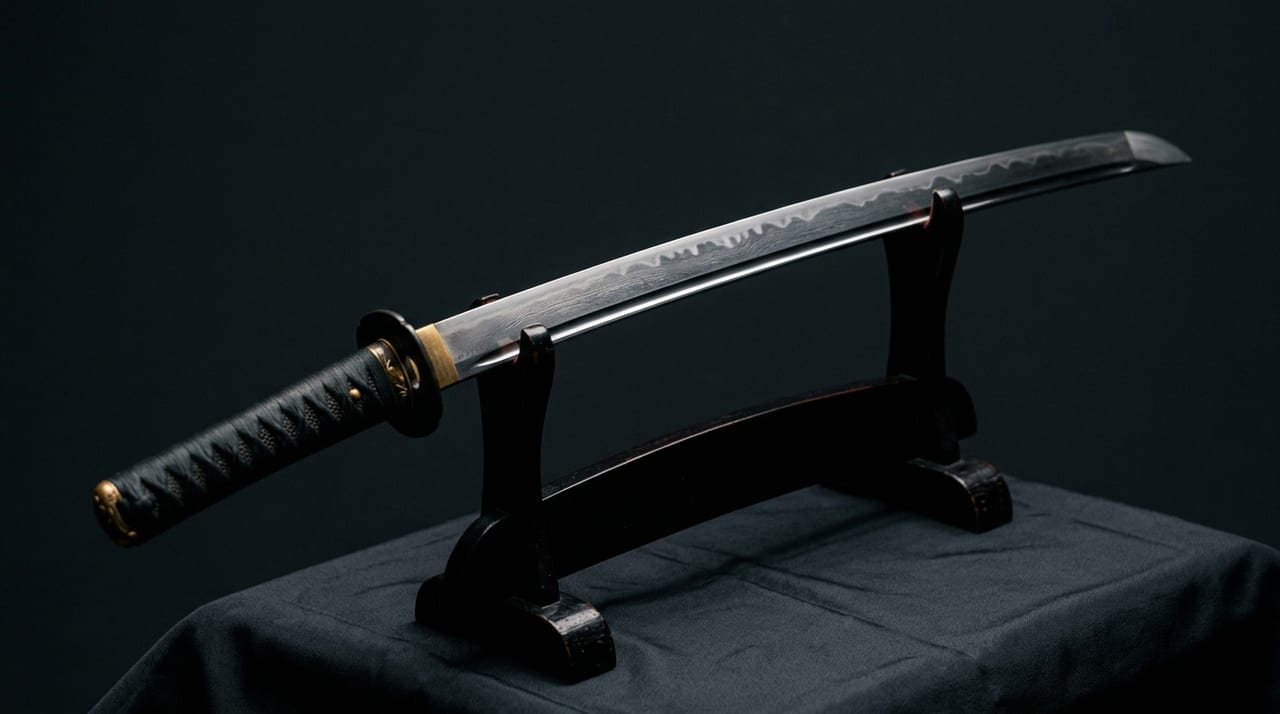 * Image is for illustrative purposes only.
Table of Contents
The Kyōhō Reforms and the Transformation of Samurai Views on Swords
Tokugawa Yoshimune (in office 1716–1745) led the Kyōhō Reforms with the primary aims of restoring shogunal finances and rectifying discipline within samurai society. As the reforms intensified in the 1720s, clear effects began to appear in samurai sword-wearing culture as well. With the tightening of sumptuary laws, the production of koshirae lavishly adorned with metalwork, lacquerwork, and inlay was suppressed, and a social shift toward a "practical spirit that values martial virtue" was encouraged.
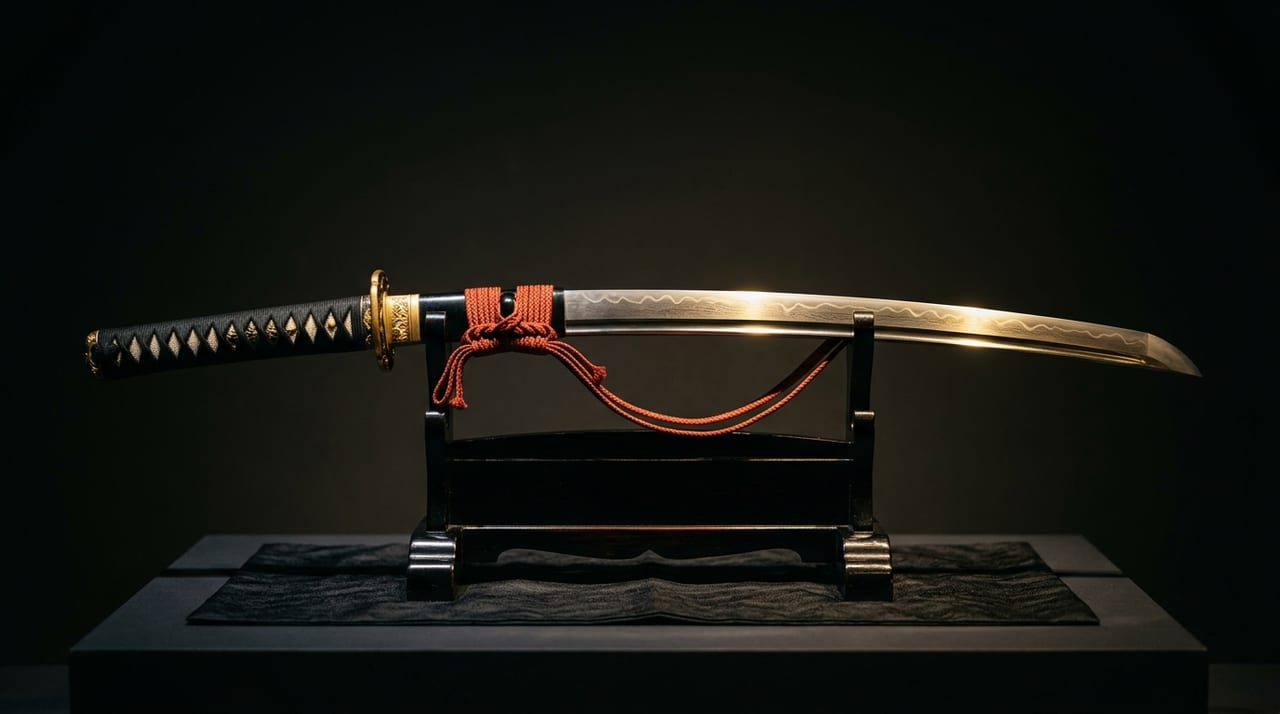
Because Yoshimune himself actively promoted the martial arts and showed keen interest in horsemanship, kenjutsu, and archery, interest in practical swords revived among domain retainers as well. The simplification of koshirae might at first appear to be a cultural regression, but it produced the paradoxical effect of heightening interest in the quality of the blade itself. Sword demand in the mid-Kyōhō era shifted toward a "blade-first" appreciation that valued sharpness, form, and jigane (steel of the blade surface) over decoration.
The austere and vigorous spirit of the Kyōhō era produced, beyond changes to the outward appearance of koshirae, the result of cultivating an eye for the blade itself. The flamboyant designs fashionable during the Genroku era faded from sight, and in their place the technical refinement inherent in the blade — the texture of the jigane and the activity of the hamon (temper line) — came to be valued as the standard of appreciation. This shift in values can be said to have formed the archetype for the way swords would be appreciated in later ages — the attitude of evaluating the craft of the kaji itself rather than outward ornamentation.
The Tōkō of the Late Shintō Period — Master Smiths Active during the Kyōhō Era
From the Kyōhō years (1716–1736) through the En'kyō years, the tōkō who carried the latter half of the shintō period (the chronological classification of tōkō from the Keichō era onward) were active throughout the country. Swords from this period are generally classified as "late shintō," and in terms of blade form they became increasingly refined from the somewhat broad and imposing shapes of the Genroku era (1688–1704), with more slender blades, deeper sori (curvature), and elegant curves.
In Settsu Province (Osaka), tōkō in the lineage of Tsuda Echizen no Kami Sukehiro remained highly regarded, and the hallmarks of Osaka Shintō — a "cool hamon" and refined jigane — were carried on. In Edo, tōkō in the lineage of the teacher of Suishinshi Masahide were active, and this was also a period in which the first stirrings of the sword aesthetic that would later develop into the shinshintō revival movement could be observed. The domain kaji in various han also grew increasingly eager to accept commissions in response to their lords' policies of encouraging the martial arts.
In the works produced by late shintō tōkō, alongside the "cool hamon" characteristic of Osaka Shintō, one can observe technical refinement such as dense jigane and crisp edges along the temper line. This shift in style is thought to be the result of the convergence of two currents: the martial practicality valued by samurai, and the increasing sophistication of the appreciating eye. While responding to the demands of the samurai and domains that commissioned their work, the tōkō continued to hone their skills, building the technical foundation that would lead into the next shinshintō period.
Kyōhō First-Day Ceremonies and the Culture of Sword-Giving
An important aspect of sword culture in mid-Kyōhō samurai society was the practice of ritual gift-giving. Presentation swords offered to the shogun and daimyo still carried political meaning, and particularly on the first day of each month (a monthly auspicious day), on New Year's Day, and at the five seasonal festivals, the presentation of fine swords was conducted as a ceremonious ritual. Although Yoshimune disliked ornamental objects prone to extravagance, he placed a high cultural value on swords themselves, and the notion that "the sword is the soul of the samurai" was reaffirmed in the context of the Kyōhō Reforms.
The flourishing of kenjutsu schools in the same era also influenced sword demand. Schools such as the Jikishinkage-ryū and Ittō-ryū gathered students in Edo, and alongside the wooden swords and bamboo swords used in practice, interest in genuine swords for dedication and for appreciation grew within each school. The mid-Kyōhō era can be evaluated as a time when kenjutsu and the hobby of sword connoisseurship mutually stimulated each other and enriched samurai culture.
The role of swords in gift-giving rituals was not limited to the mere exchange of objects; it was also a symbolic act through which lord-retainer relationships and family standing were mutually confirmed. To receive a fine sword was itself an honor, and the recipient was likewise expected to maintain the dignity befitting that sword. This gift-giving culture of the mid-Kyōhō era speaks to the fact that swords existed simultaneously as practical weapons and as objects embodying social value.
Kyōhō Appraisal Culture — The Hon'ami Family and the Kyōhō Meibutsuchō
The Kyōhō Meibutsuchō, compiled during the Kyōhō years, is the culmination of documents in which the Hon'ami family, under orders from the shogunate, investigated and recorded famous swords from across the country. The Kyōhō Meibutsuchō organized the whereabouts, provenance, and estimated value of renowned swords including the Tenka Goken, and is an extremely important document from the standpoint of the institutionalization of sword appraisal.
This undertaking is an expression of the shogunate's will to clearly recognize the cultural value of swords as artifacts and to manage and record them in an organized manner. Through the compilation of the Kyōhō Meibutsuchō, sword appraisal was socially established as an "officially recognized technique" practiced by the specialist group that was the Hon'ami family, and this served to enhance the authority of the kanteisho (origami) system in subsequent eras.
The methodology of appraisal established by the Hon'ami family — the technique of comprehensively assessing the form of the blade, the jigane, and the hamon — was passed down to later generations through the form of the origami (appraisal certificate). This lineage of appraisal is positioned as one of the origins of the kanteisho culture that we reference today when evaluating swords. The very idea of "recording and conferring authority" that the compilation of the Kyōhō Meibutsuchō brought about has continued to function as an important mechanism for transmitting swords to posterity.
Perspectives for Appreciating Swords from the Mid-Kyōhō Era
When appreciating swords forged in the mid-Kyōhō era, the following points merit attention.
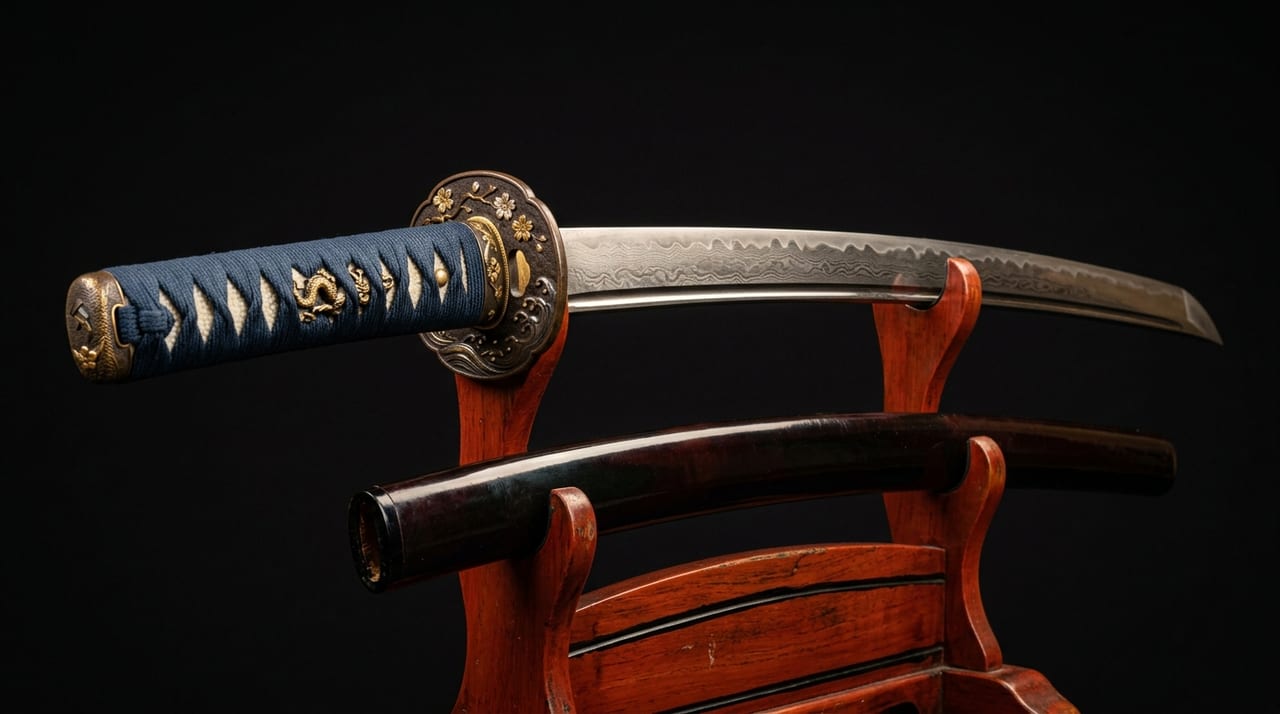
- Blade form: Swords from this era, which was in the process of transitioning from the robust forms of the Genroku period to more slender blades with deep sori (curvature) and graceful curves, allow one to sense the spirit of the age from the form alone.
- Jigane: The refined jigane found in the Osaka Shintō lineage and the meticulously forged jigane by Edo tōkō both demonstrate the technical heights nurtured by the "blade-first" appreciation of this era.
- Hamon: Many display a cool, clear activity, and a great appeal of swords from this era is that one can savor the beauty inherent in the blade itself without relying on ornate decoration.
The practicality promoted by the Kyōhō Reforms ultimately honed the skills of tōkō and prepared fertile ground for cultivating the eye of the appreciator. To engage with a sword from the mid-Kyōhō era is an experience that quietly continues to answer, even today, the question of what samurai society sought from swords.
The Influence of Mid-Kyōhō Sword Culture on the Shinshintō Period
The mid-Kyōhō view of swords — emphasizing substance and the blade itself — became a distant cause of the shinshintō revival movement that followed in the early nineteenth century. The ideal advocated by Suishinshi Masahide (c. 1750–1825) of "reclaiming the beauty of kotō" stands in direct continuity with the spiritual background of "the sword is the essence of the samurai" that the Kyōhō Reforms had reaffirmed.
The views on swords held by the tōkō, appraisers, and samurai who lived through the Kyōhō years and engaged with swords amid the winds of reform shaped the framework of Japanese sword culture that would continue through the Bakumatsu era. Rather than dismissing this era as "a mere transitional period," accurately grasping the inherent significance of mid-Kyōhō sword culture is important for deepening one's understanding of Japanese sword history.
The "blade-first" values nurtured by the people who lived through the mid-Kyōhō era did not remain merely a fashion of one era but became the foundation for passing down the craft of the nihontō to posterity across generations. Even today, when engaging with swords from the Kyōhō era, by being mindful of the perspective that the samurai, tōkō, and appraisers of that time held dear — the attitude of valuing technique and spirit over decoration — one will be able to understand their value more deeply.