The Battle of Dan-no-ura (1185) and Japanese Swords — The Turning Point of the Genpei War
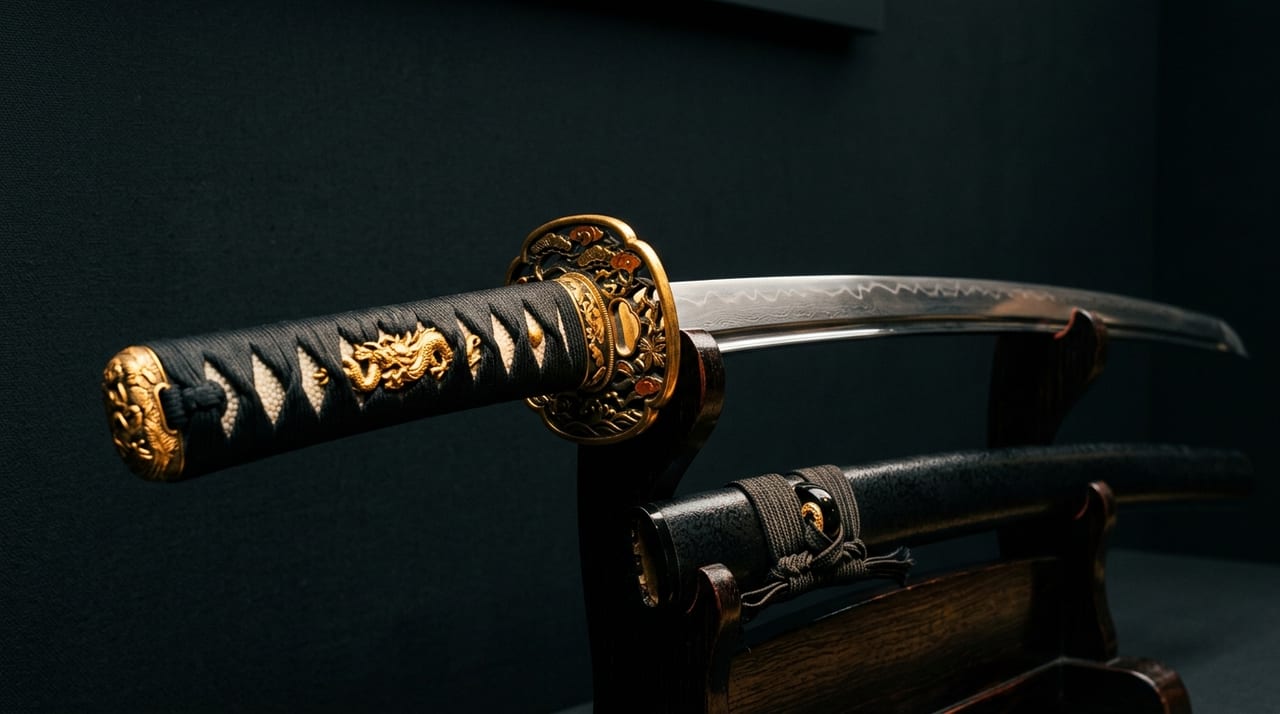 * Image is for illustrative purposes only.
Table of Contents
Overview of the Battle of Dan-no-Ura
On April 25, 1185 (Genryaku 2 / Juei 4), a final naval battle between the Genji forces commanded by Minamoto no Yoshitsune and the Taira forces took place at Dan-no-Ura in the Kanmon Strait off the coast of what is now Shimonoseki, Yamaguchi Prefecture. Although the Taira reportedly had advantages in troop strength and geographical position, a shift in tidal currents combined with betrayal from within the Taira ranks resulted in an overwhelming victory for the Genji forces led by Minamoto no Yoshitsune.
During this battle, the following events occurred on the Taira side:
- High-ranking Taira generals including Taira no Tomomori took their own lives or drowned
- Emperor Antoku (age 8) sank into the sea, held by Nii-no-Ama (the wife of Taira no Kiyomori)
- Of the Three Sacred Treasures, both the Kusanagi Sword (Ama no Murakumo no Tsurugi) and the Jewel (Yasakani no Magatama, which was later recovered) sank to the seabed, and the sword has not been found to this day
This incident became a grave problem for Japan's imperial system and mythological authority, and was addressed through the enshrinement of a substitute at Atsuta Shrine.
The Genpei War and the Explosion in Sword Demand
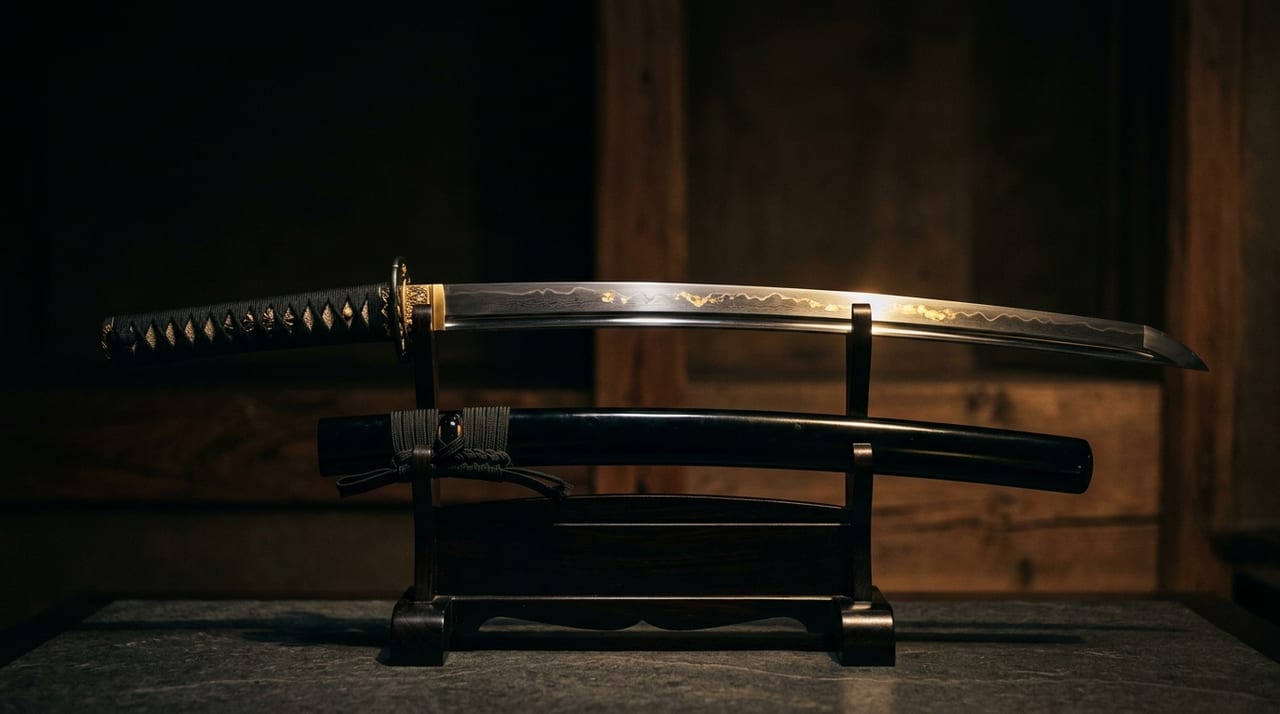
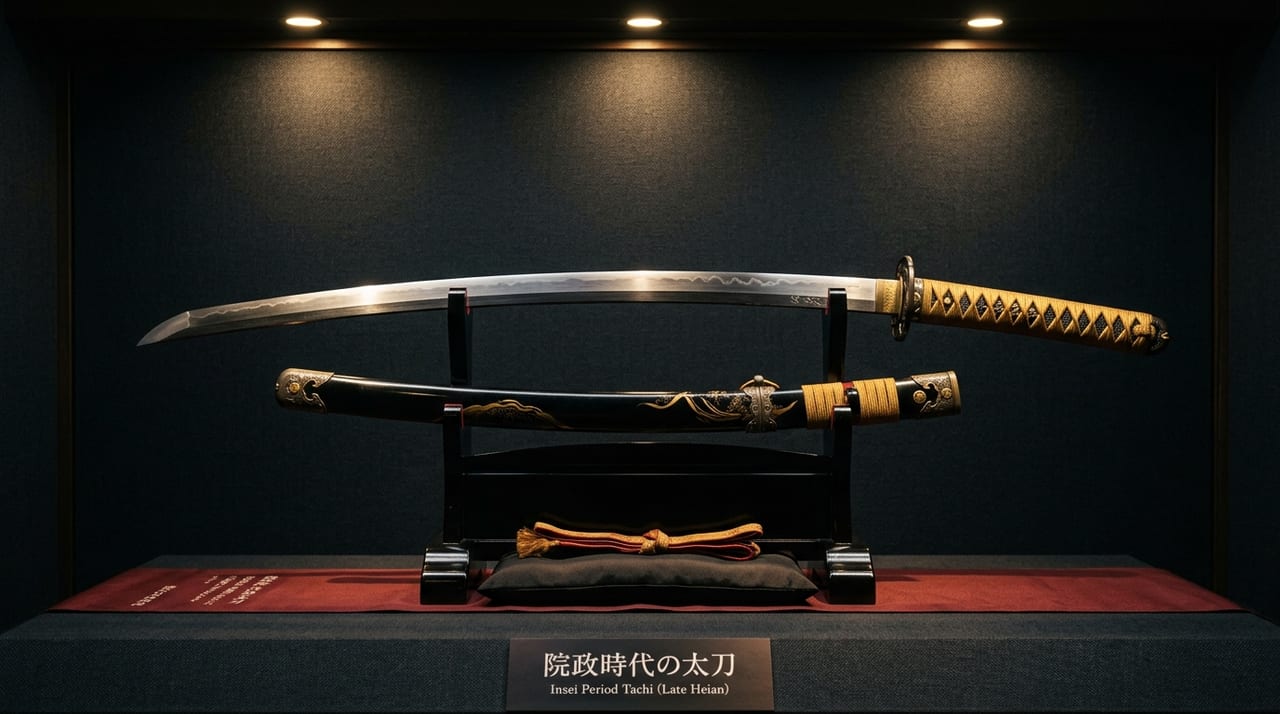
The Genpei War, known as the Jisho-Juei Rebellion (1180-1185), marked an important turning point in the history of Japanese sword production. While samurai of the late Heian period wielded the tachi as their primary weapon, the prolonged large-scale battles of the Genpei conflict dramatically increased demand for swords.
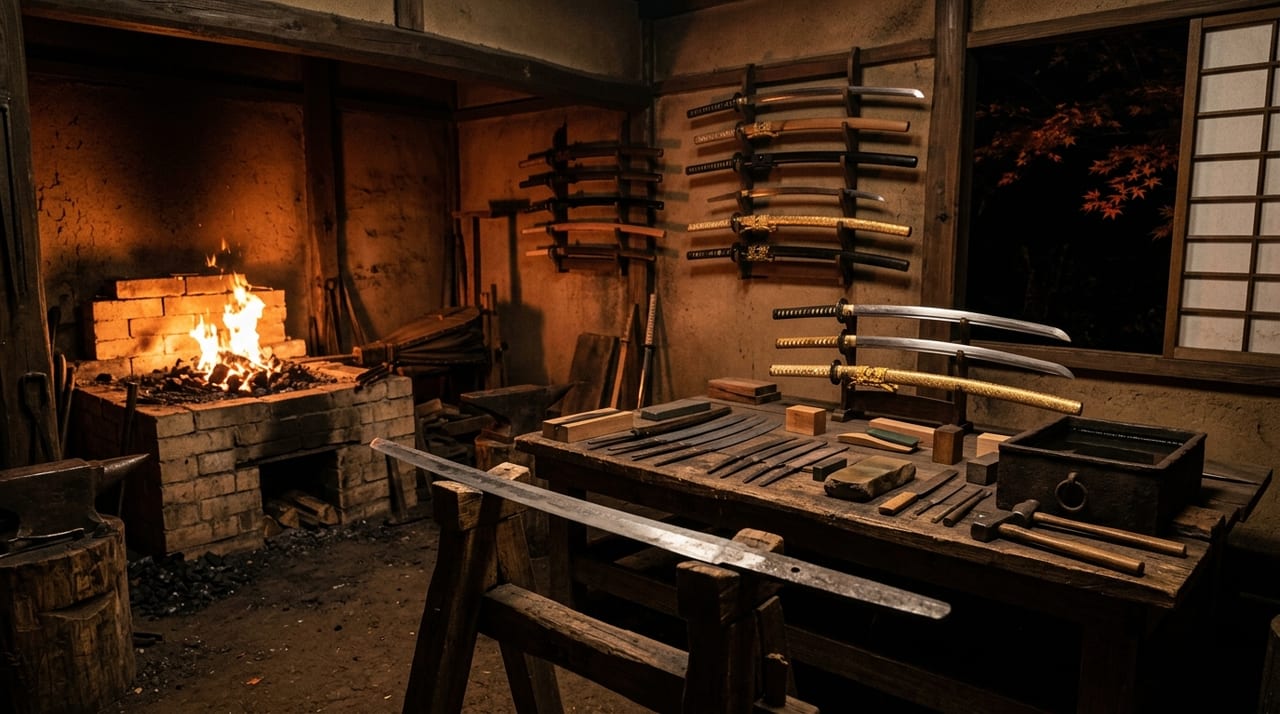
Bizen (present-day southeastern Okayama Prefecture) had already become a major center of sword production by this period, with groups of master swordsmiths centered in Osafune supplying massive quantities of tachi. The Fukuoka Ichimonji school reached its peak of activity in the early-middle Kamakura period, perfecting the supreme choji midare hamon pattern, unmatched in the history of Japanese swords.
Practical sword use in battle contained elements that would later become the foundation of systematized swordsmanship:
- How to wear the tachi
- How to draw the tachi
- Close combat grappling techniques
The naval battle at Dan-no-Ura required different applications of the sword than cavalry warfare, as combat took place on ships.
The Loss of the Kusanagi Sword and Its Impact on Sword Culture
The most significant cultural event at Dan-no-Ura was the sinking into the sea of the Kusanagi Sword, one of the Three Sacred Treasures. According to Japanese mythology, the Kusanagi Sword was a sacred blade bestowed upon Yamato Takeru by Yamato Hime no Mikoto, enabling him to survive a burning attack. It was long held to be the sacred object of Atsuta Shrine in Nagoya; however, even before Dan-no-Ura, some held the view that "the sword at the shrine is merely a substitute, and the true Kusanagi remains in the imperial court," making the reality complex.
Nevertheless, the fact that the sword possessed by the Emperor sank into the sea posed fundamental questions about the relationship between samurai and the imperial throne and the political function of the sacred treasures. Some scholars suggest that the later involvement of Former Emperor Gotoba in sword making (the Jokyu Rebellion of 1221) was not unrelated to a religious and political complex stemming from this loss of the Kusanagi Sword. Former Emperor Gotoba is known to have personally participated in sword forging and created tachi inscribed with the signature Kiku Gosaku.
The Establishment of the Kamakura Shogunate and Sword Policy
A year after Dan-no-Ura, Minamoto no Yoritomo effectively established the Kamakura shogunate (formally becoming Shogun in 1192), marking the beginning of samurai rule over Japan. This change of regime had direct effects on sword culture.
The shogunate recognized sword-wearing by samurai as a right while simultaneously seeking to manage sword production and distribution institutionally. Within the gokenin system of the Kamakura shogunate, the sword became an indispensable piece of equipment symbolizing the samurai's status and martial power, a development that promoted the elevation of swordsmiths' standing and their specialization as craftspeople.
Particularly important was the emergence of what might be called the precursor to the "official swordsmiths" system, whereby the shogunate protected and encouraged master swordsmiths, sometimes summoning them to the capital to create works. The roots of this system, which would be perfected in the Muromachi period, lay in the Kamakura shogunate's demand for swords and its policies protecting craftspeople, inseparable from the new order that followed Dan-no-Ura.
The Swords of the Taira and Submerged Cultural Treasures
Many swords belonging to Taira generals sank into the sea at Dan-no-Ura. Among the tachi carried by Taira nobility including Taira no Kiyomori, Taira no Munemori, and Taira no Tomomori, there was a high likelihood that some were masterpieces created by the finest swordsmiths of the era.
Underwater archaeological survey of Dan-no-Ura has been limited in modern times, and given the violent tidal currents of the Kanmon Strait and long accumulation of sediment, prospects for recovering actual swords are slim. However, among the swords the Taira possessed, some that were dispersed or lost before Dan-no-Ura, or that were carried away by Taira survivors who escaped the battlefield, have survived into later eras, and several swords claiming "Taira transmission" are recorded in later documents.
Yoshitsune Legend and the Kanmon Sword Culture
Shimonoseki, where the Battle of Dan-no-Ura took place, is enshrined in history as the site of Minamoto no Yoshitsune's ultimate victory. Several sword traditions related to Dan-no-Ura persist in this region, with instances of swords said to be connected to Yoshitsune and the Taira clan being enshrined at local temples and shrines.
Akama Shrine, which stands beside Dan-no-Ura, is dedicated to Emperor Antoku and has served as a place to console the spirits of the Taira clan. The swords transmitted at this shrine embody the regional memory in which the historical site of Dan-no-Ura and sword culture merge.
Post-War Influence on Sword Culture—Religion, Literature, and Art
The Battle of Dan-no-Ura profoundly influenced later Japanese culture through swords. In the Noh play "Funa Benkei," the symbolic role of the tachi stands out in scenes depicting Yoshitsune's parting from Shizuka Gozen as he heads westward and the exploits of Benkei. The Heike Monogatari contains scattered descriptions of how generals handled swords at Dan-no-Ura.
Early modern painters, tsuba makers, and sword furniture craftsmen incorporated scenes from Dan-no-Ura into the designs of sword fittings. Tsuba, menuki, and fuchigashira bearing the Taira's swallowtail butterfly crest or the Genji's sasa-rindō (bamboo and gentian) crest represent historical memory rendered as sword furnishings from this age.
In the modern era, Dan-no-Ura continues to hold a special place in the historical consciousness of the Japanese people. Whenever NHK historical drama series take the Genpei conflict as their subject, interest in swords surges, and Dan-no-Ura in Shimonoseki as a tourist destination draws numerous visitors, including sword enthusiasts.
That a momentary event from 1185 continues to be told some thousand years later is because Dan-no-Ura represents not only a turning point in Japan's politics, culture, and religion, but also the very heart of a mythological narrative centered on the Kusanagi Sword itself.