New Arrivals — Browse our catalog for the latest authentic Japanese sword arrivals. Browse →
Insights into Japanese sword knowledge and culture
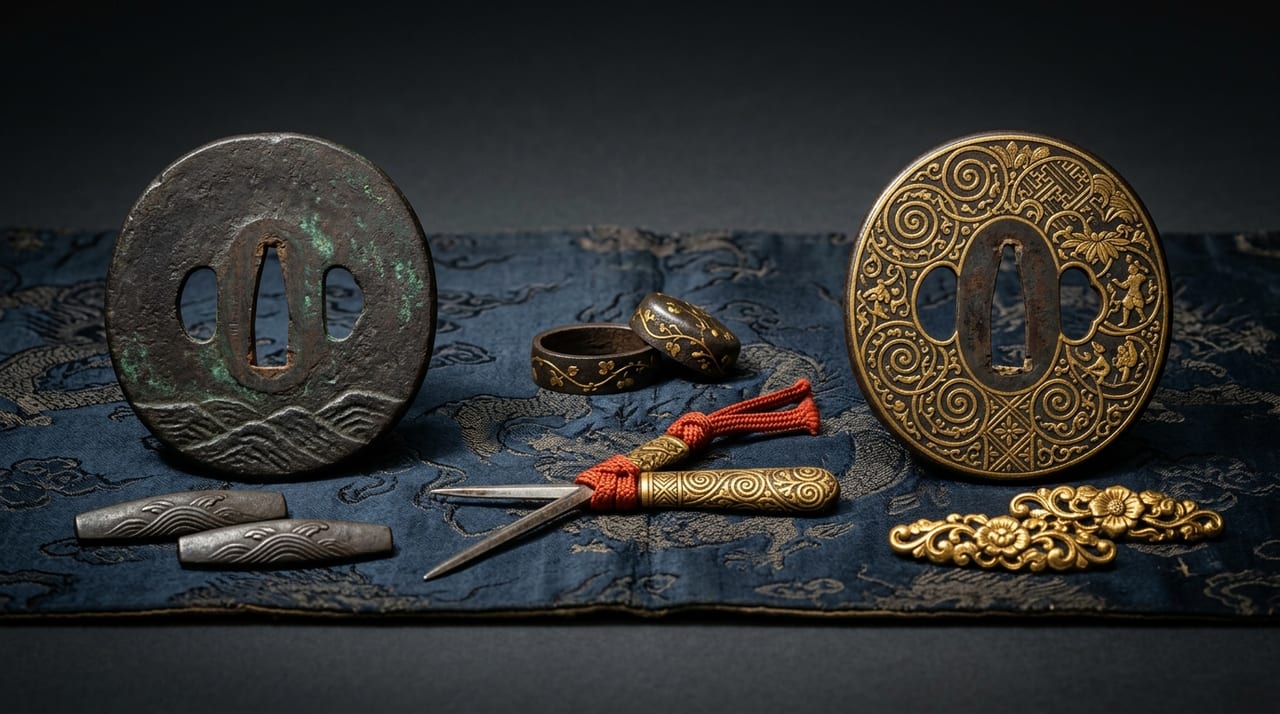
An exploration of the relationship between Azuchi-Momoyama culture and sword aesthetics during the Tensho-Keicho era (1573–1615). Examines both the wabi-sabi aesthetic embodied by Sen no Rikyu and its influence on sword fitting design, and the opposite pole of lavish fittings as political displays by Hideyoshi and Ieyasu, and considers the era's lasting impact on sword aesthetics.
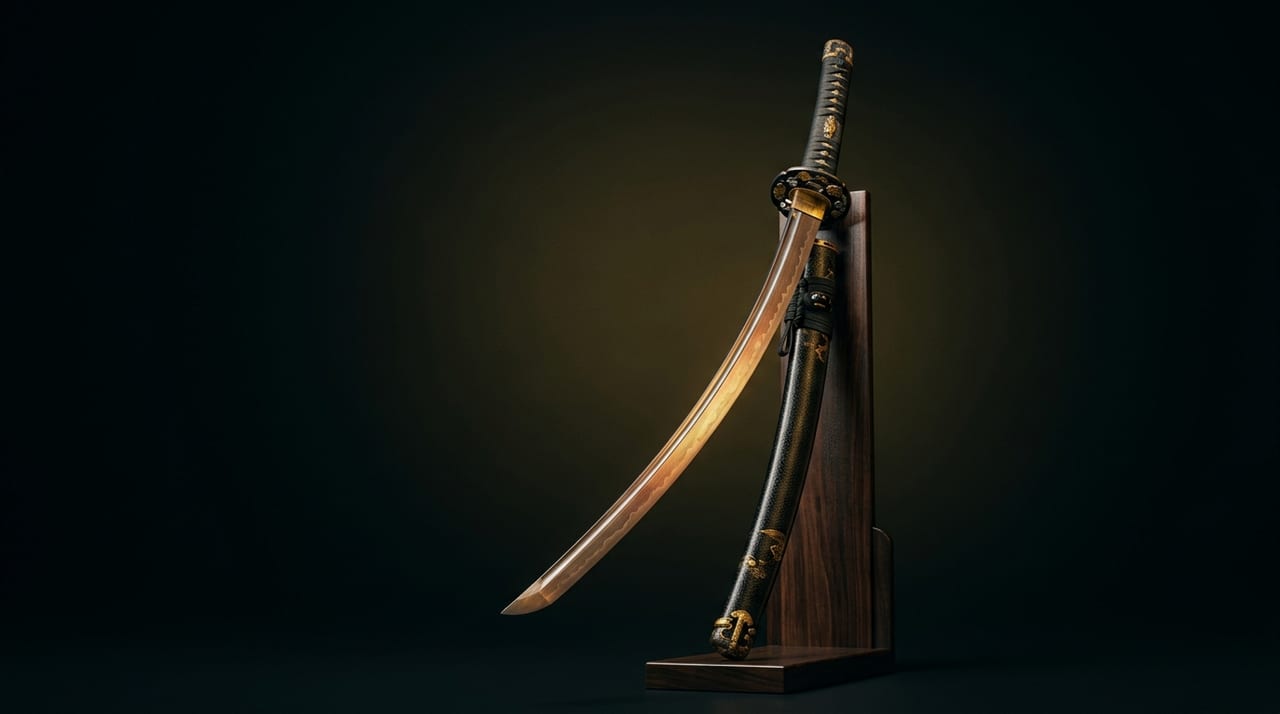
An analysis of the transition from straight blades of the Nara and early Heian periods to the curved tachi established in the mid-Heian era, examined through three lenses: cavalry tactics, tamahagane technology, and the rise of eastern warrior clans. Compares competing theories on the origin of the curve and discusses the morphological characteristics of surviving Sanjo-school tachi.
Traces the reappraisal of sword culture and debates over restoring the right to carry swords from the mid-Meiji to Taisho periods following the Haitōrei edict of 1876. Covers the surge in military sword demand driven by nationalist movements and the Sino-Japanese and Russo-Japanese Wars, the activities of late shinshinton swordsmiths, and the modern establishment of sword scholarship and connoisseurship.
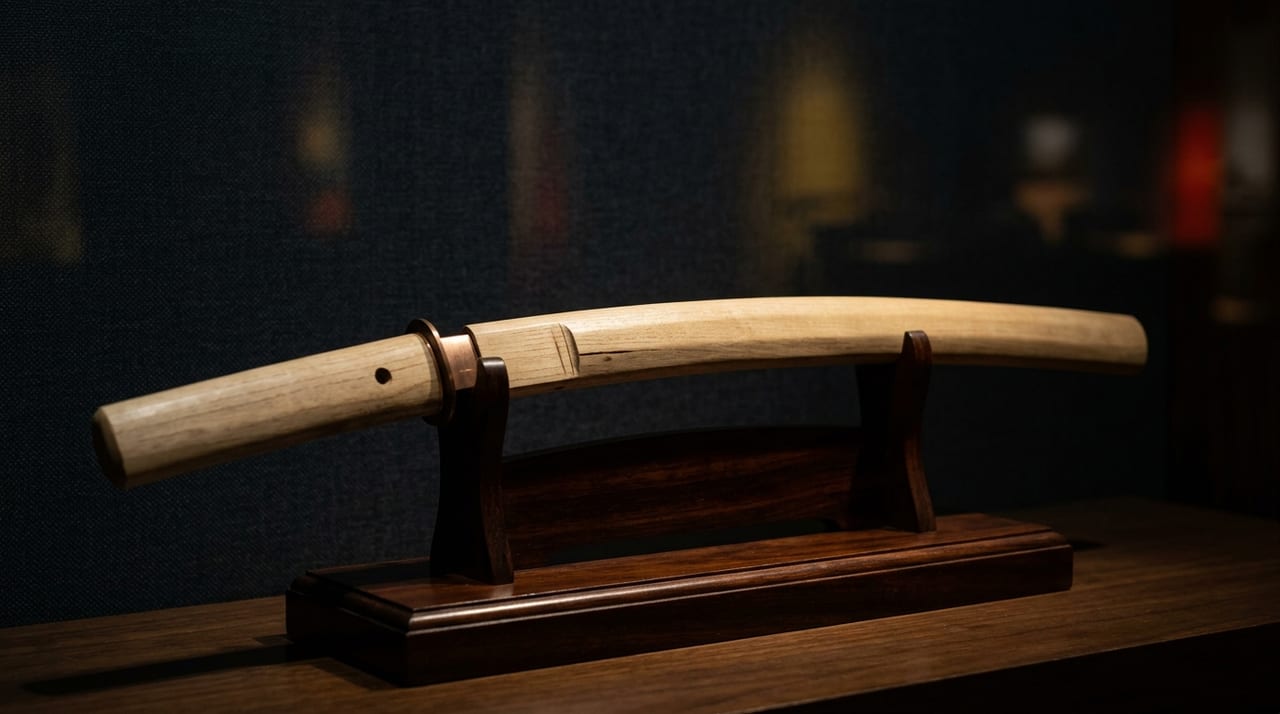
Explains the role and production process of the shirasaya (plain wood scabbard) in tanto preservation, covering the shirasaya craftsman's skills from wood selection to finishing, the scientific basis for humidity and temperature management, practical maintenance with uchiko and choji oil, and a systematic overview of tanto preservation practices compared to museum long-term storage protocols.
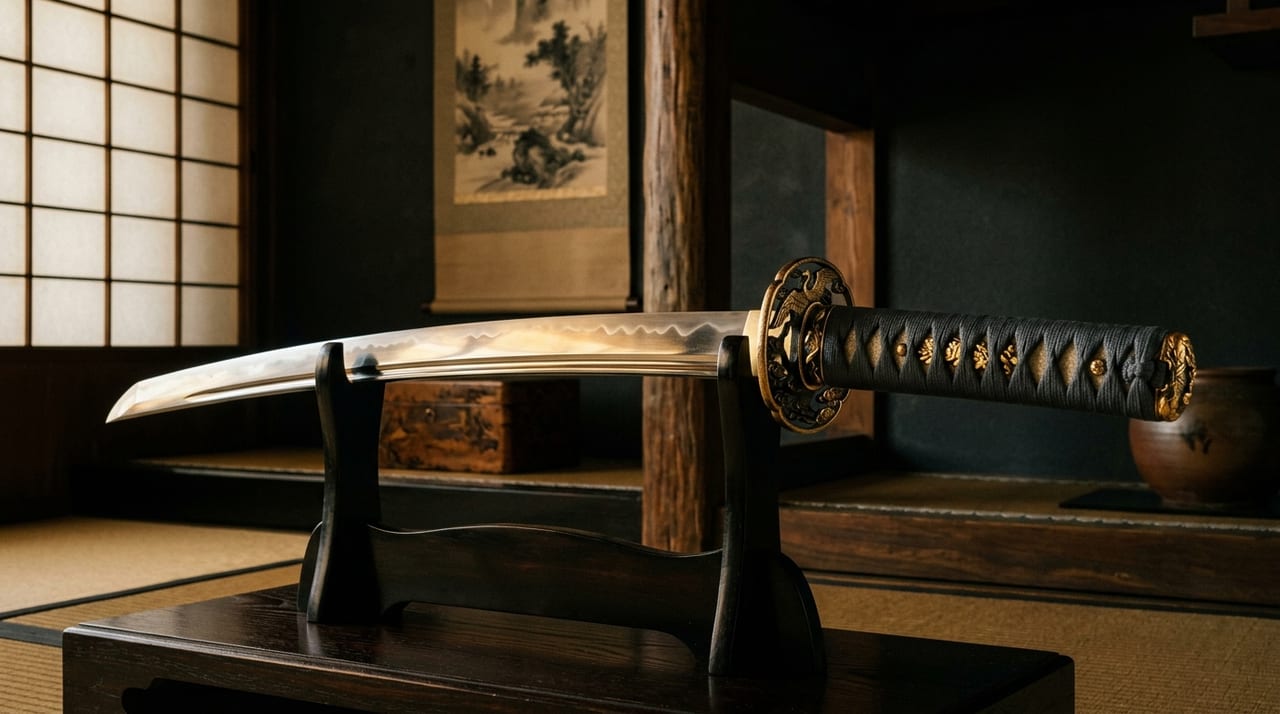
A systematic examination of the wakizashi, the companion sword carried alongside the katana (uchigatana) by Edo-period samurai, covering its dimensional regulations, uses (indoor self-defense, seppuku, coup de grâce), the hierarchy of its mountings, regional characteristics of production, and modern valuation. Also discusses the cultural significance of the daisho (paired long and short swords).
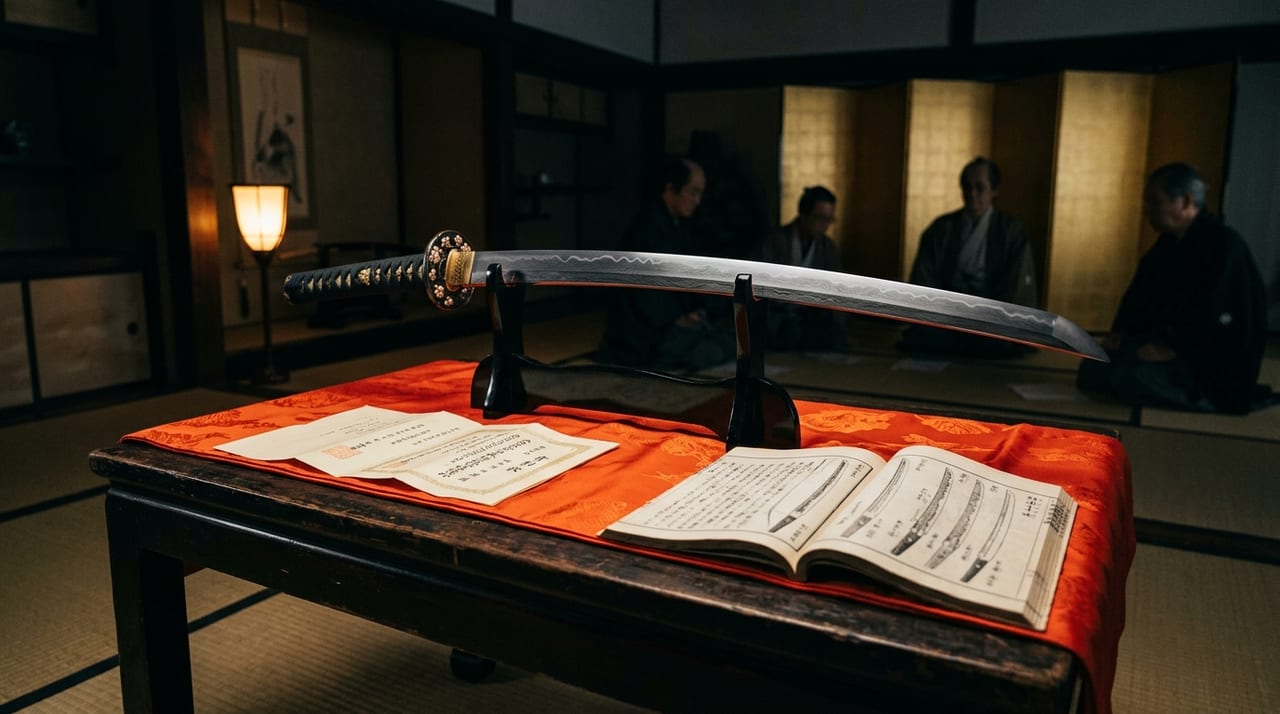
The Bunka-Bunsei era saw not only the rise of Shinsinto swordsmiths but also the spread of sword appraisal culture beyond the samurai class into merchant society. This article traces the commercialization of appraisal certificates, the spread of sword appreciation through published works, and the emergence of collector salons.
Chūmon-uchi (注文打ち) is a made-to-order swordmaking method in which a swordsmith creates a blade according to customer specifications. This section explains, from a practical perspective, how customers and craftsmen conduct consultations to finalize specifications and proceed through the manufacturing steps to completion.
False mei (偽銘) are forged or tampered inscriptions on the tangs (茎) of Japanese swords—inscriptions added after the sword was made, rather than by the original swordsmith. This article covers five types: post-addition mei, altered mei, polish-revealed mei, transferred mei, and genealogy-fraud mei. It explains how experts authenticate signatures through calligraphic analysis, examination of chisel marks, and observation of rust patterns. The article also discusses the economic and legal problems false mei cause in the Japanese sword market and provides practical risk-reduction strategies for buyers.
The article examines the sword cultures of the three major Tokugawa branches (Gosanke, 御三家): Owari inherited Mino and Soshu traditions and Masamune copies; Kii developed practical warrior sword mounting aesthetics (koshirae, 拵え); Mito championed ancient blade revival (koto, 古刀) under Mito-gaku (水戸学). Through regional swordsmith patronage and collections, the article demonstrates how local diversity shaped Edo-period sword aesthetics.
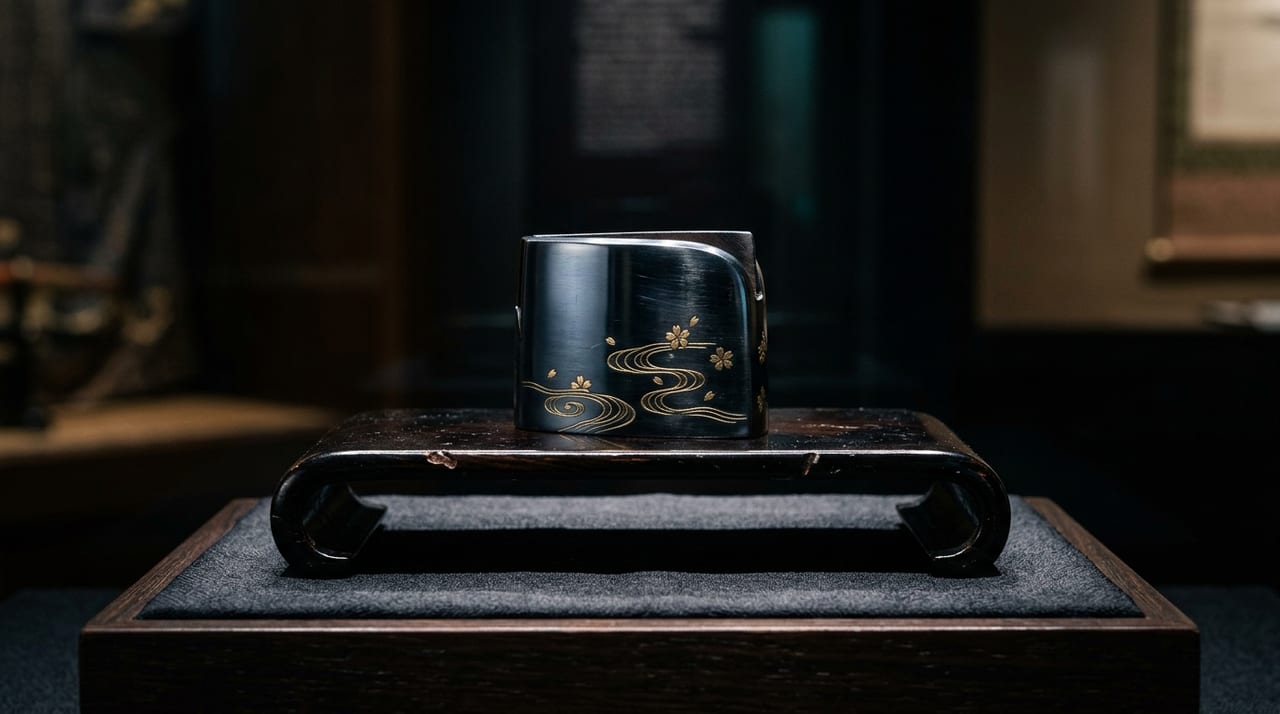
An in-depth look at the daily work of a habakishi, a craftsman who specializes in making the metal collar that secures a Japanese sword blade. Covers material sourcing, precision shaping, and the modern challenges facing this increasingly rare specialty.
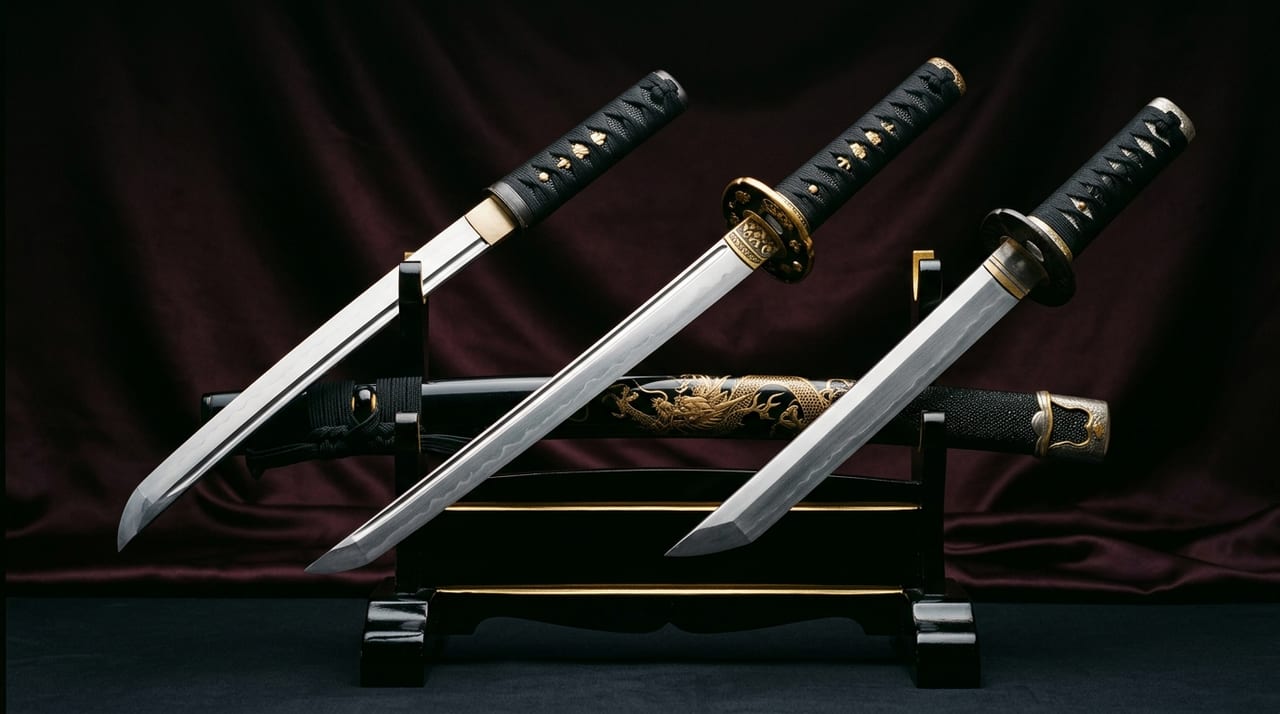
A comparative analysis of three blade types closely related to the tanto—the kaiken, koshigatana, and yoroidoshi—examining differences in blade length, cross-section, mounting style, and function, and how each was positioned within samurai society.
Modern swordsmiths choose among tamahagane (玉鋼), wategane (和鉄), and yougane (洋鉄), each affecting bladesmithing techniques differently. This article questions whether tamahagane absolutism reflects cultural values more than technical requirements, while exploring why stable material supply systems for next-generation swordsmiths are essential to sustaining Japanese sword culture and tradition.