Commissioning a Custom Japanese Sword: The Full Process from Client Consultation to Delivery
 * Image is for illustrative purposes only.
Table of Contents
What is Chuumon-uchi: Custom-Made Japanese Swords
"Chuumon-uchi" (custom-made sword) or "chuumon-katana" refers to a sword-making practice in which a bladesmith creates individual swords according to the customer's requests. Unlike purchasing ready-made swords available as inventory on the market, in chuumon-uchi the customer specifies the specifications and the bladesmith forges a sword accordingly.
Modern sword sales have two major routes. One is the route through which bladesmiths sell ready-made swords they have freely created through sword dealers, and the other is chuumon-uchi, where swords are made by direct commission from customers. The acceptance capacity for chuumon-uchi varies depending on the bladesmith, and it is not uncommon for well-known bladesmiths to have waiting periods of several years.
The First Consultation: What Should the Customer Decide?
When commissioning a custom sword, the customer must inform the bladesmith in advance of several basic specifications.
Sword Type and Dimensions
The first decision is the type of sword. The customer communicates their preferences for the type (tachi, uchigatana, tanto, wakizashi, naginata, etc.) and specifications such as blade length, curve, width at the base, width at the point, and weight.
Some bladesmiths, when a customer says "I'll leave it to you," propose dimensions by listening to the person's build, intended use, and preferences. For swords intended for actual use, such as iaido, it is important to match the user's arm length, body type, and the standard dimensions of their martial arts school.
Whether to Include the Full Mounting
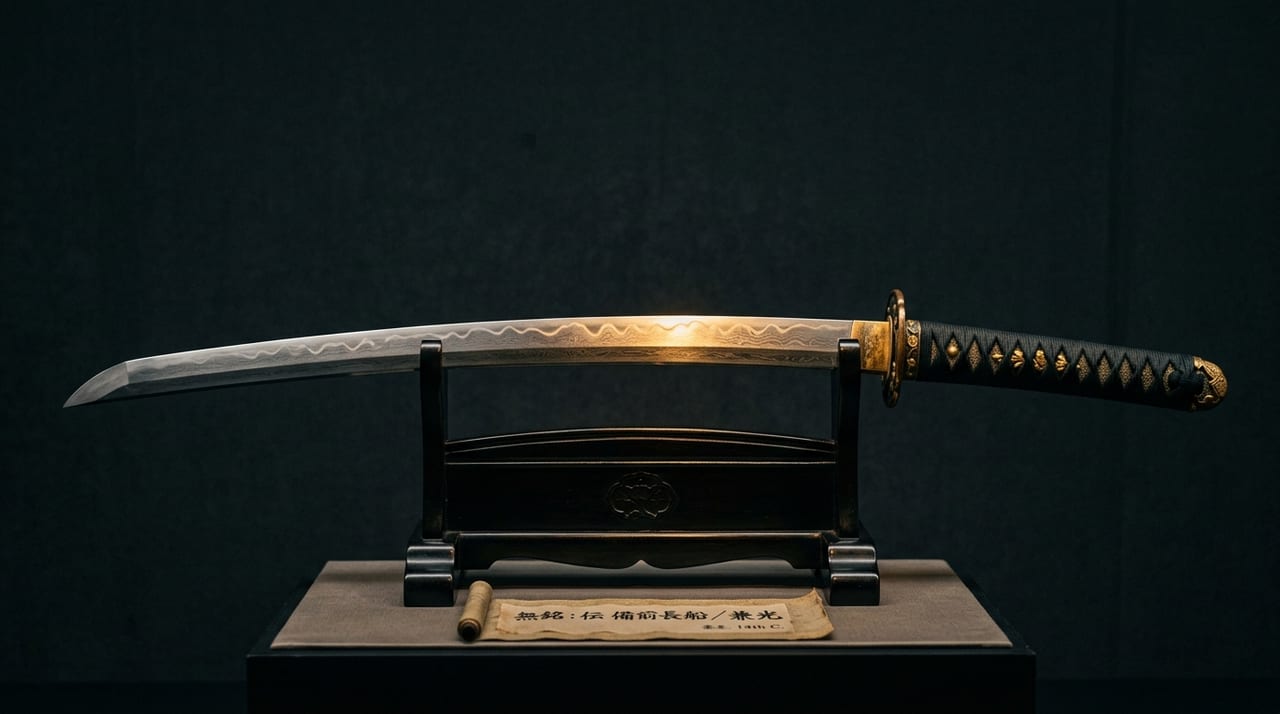
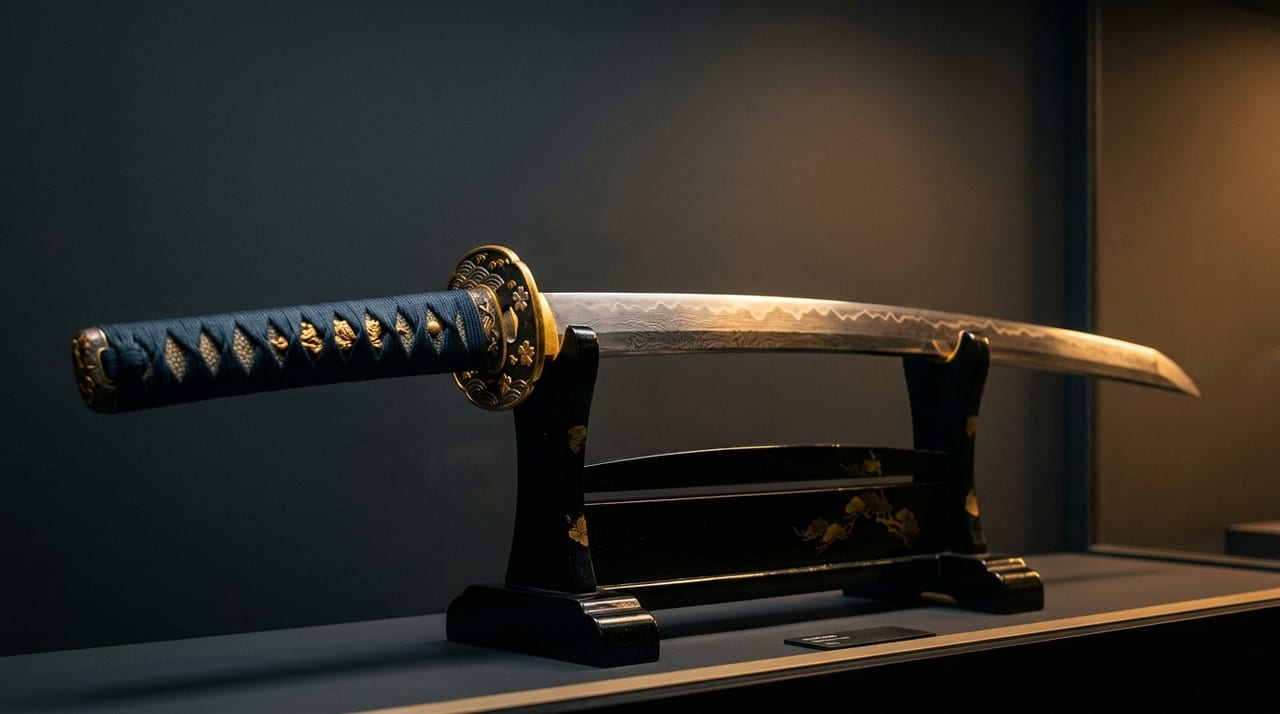
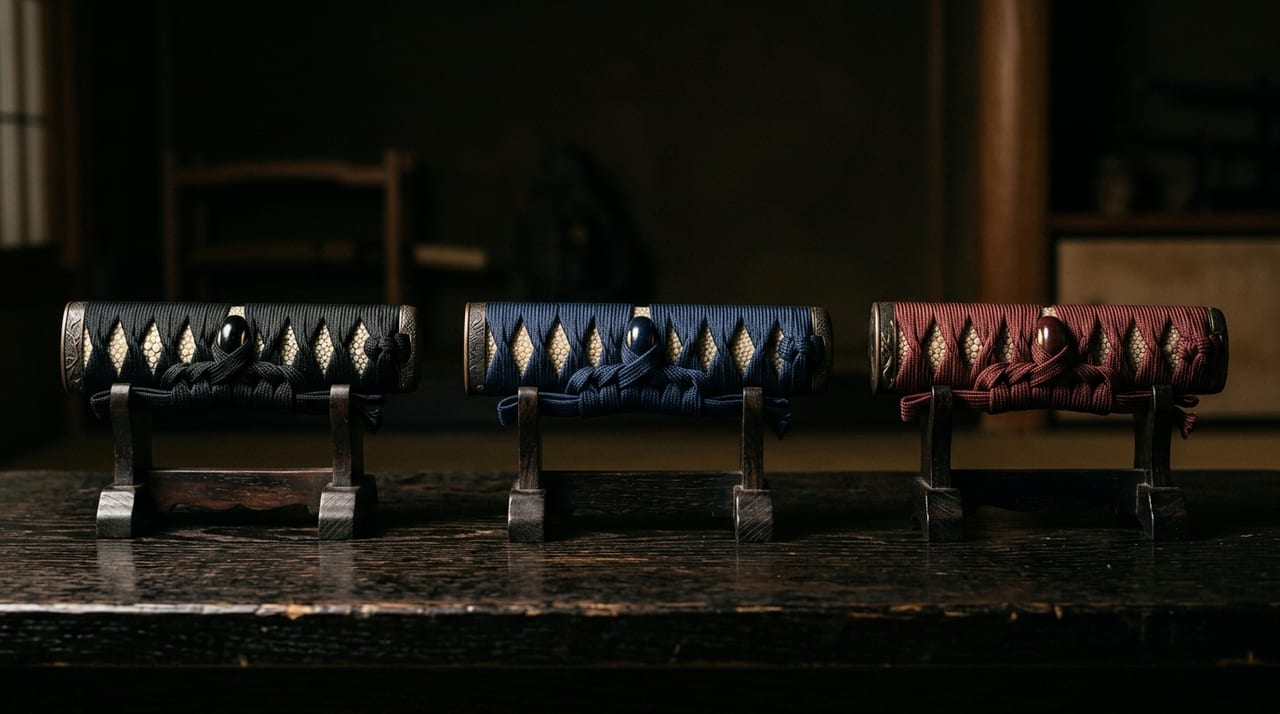
The customer decides whether to commission only the blade or to include the koshirae (full mounting). The koshirae includes the saya, tsuka, tsuba, menuki, fuchi, koiguchi, and other components, which are typically handled separately by specialized craftspeople such as koshirae artisans, saya craftspeople, and menuki specialists.
When the koshirae is included, the budget increases significantly, so financial planning must be clear from the beginning. The bladesmith may provide recommendations for craftspeople to handle the koshirae, or the bladesmith may coordinate the entire project.
Preference for Hamon Style
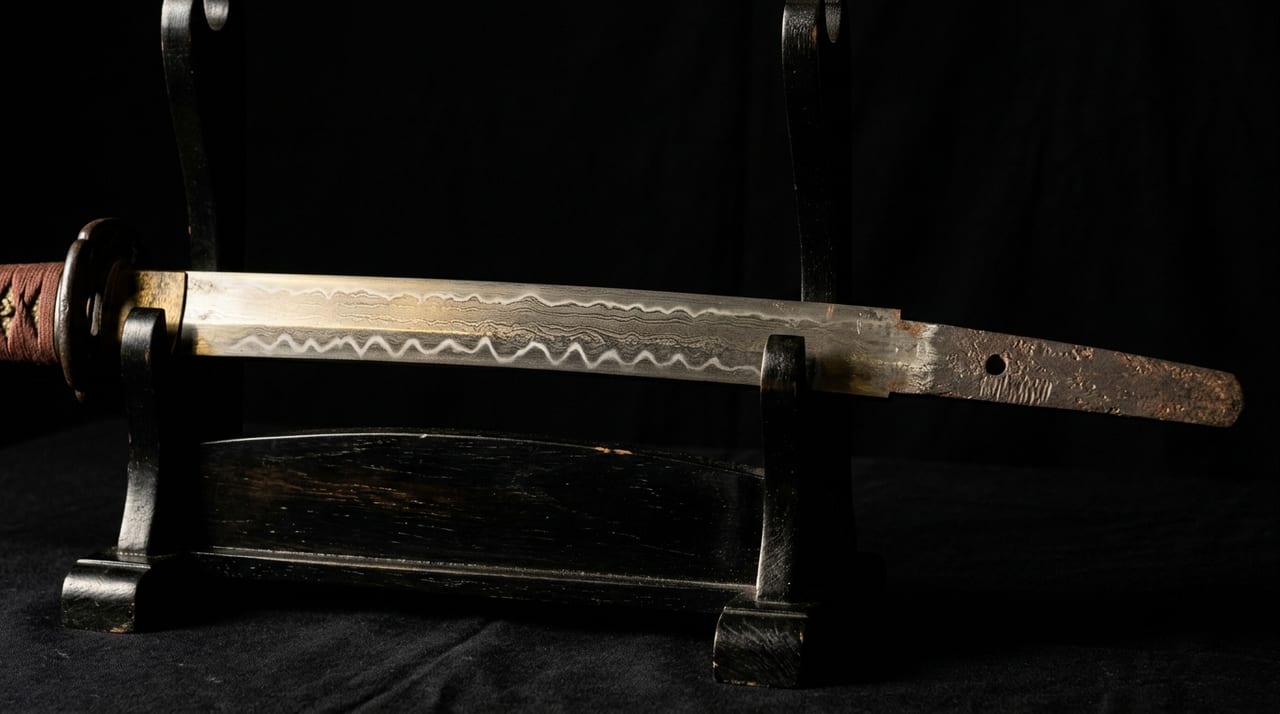
The style of hamon is also discussed in advance. The customer communicates their preferences for representative hamon patterns such as suguha, gunome, choji, notare, and hitatsura.
However, hamon is a natural phenomenon that occurs during quenching and does not always appear exactly as designed. A bladesmith can indicate a direction such as "I aim for a hamon in the ○○ style," but it is possible for the completed sword's hamon to have a completely different appearance. It is important that the customer understands this uncertainty before placing the order.
Choice of Materials
The choice of materials—whether to use tamahagane, mix in Western iron, or use completely modern steel—affects both price and quality. Some customers prefer "tamahagane only, as in modern swords," while others tolerate alternative materials in part of the composition due to budget considerations.
Creation of Specifications and Contract
The content of the consultation is often documented as a "specification sheet" or "sword-making commission form." This includes the blade length, curve, width, hamon direction, materials, koshirae details, estimated delivery time, price, and conditions for down payment (earnest money).
Paying an earnest deposit is an almost standard practice in chuumon-uchi. As prepayment for the purchase of materials (such as tamahagane) and initial processes, approximately 20-50% of the production price is paid before work begins. The balance is typically settled upon delivery of the completed sword.
Production Timeline: How Long to Wait
The production time for chuumon-uchi varies depending on the bladesmith's workload, the type of sword, and the complexity of the koshirae. Generally, the following estimates are used as reference.
- Blade only (tanto, wakizashi): 3-6 months
- Blade only (uchigatana, tachi): 6-12 months
- Full set with koshirae: 12-24 months or more
For renowned bladesmiths or those with many commissions, wait times can span several years. Additionally, production may take longer than planned due to material condition issues, quenching failures, or problems with curve correction during the manufacturing process. When a bladesmith says "please give me a little more time," the customer is expected to respect that judgment without rushing.
Witnessing Completion and Receiving the Sword
After the sword is completed, the most common practice is for the customer to visit the bladesmith's forge directly to receive it. At this time, the bladesmith often explains the creative intent, characteristics of the hamon, and details they are pleased with while showing the sword.
The customer inspects the completed sword and consults with the bladesmith if there is a significant discrepancy with their expectations. However, cases of "completely remaking it because it doesn't please me" are rare, and in most cases, the customer receives the sword by trusting the bladesmith's judgment. This is because the industry is founded on the belief that "a sword is a collaborative creation between the bladesmith and the customer."
Price Range for Chuumon-uchi
The cost of chuumon-uchi varies greatly depending on materials, the bladesmith's standing, and whether the koshirae is included. The price ranges from around 500,000 yen for blade-only commissions to several million yen or more when commissioning from Living National Treasure-class bladesmiths. When the full koshirae is included, an additional 1 million yen or more may be added.
Pricing is determined through sincere dialogue with the bladesmith, and it can be beneficial to request quotes from multiple bladesmiths for comparison.
The True Value of Chuumon-uchi: Dialogue with the Craftsman
The greatest value of chuumon-uchi lies in "dialogue." A deep communication with the craftsman that cannot be obtained from purchasing ready-made swords is embodied in the finished blade. By having the customer's special occasions, family crests, sword lineage, and life milestones incorporated into the sword, a truly unique blade is born.
It is said that many customers deepen their understanding of Japanese sword-making processes and strengthen their appreciation for sword culture through the chuumon-uchi experience. Chuumon-uchi is recognized as a top-tier experience in sword collecting and is supported by sword enthusiasts both domestically and internationally. If you contact us through the inquiry form, we can also provide detailed information regarding chuumon-uchi.