The Uses and Production Regions of the Wakizashi — The Reality and Appreciation Guide for the Mid-Length Sword That Samurai Used Differently in Daily Life, on the Battlefield, and in Ceremony
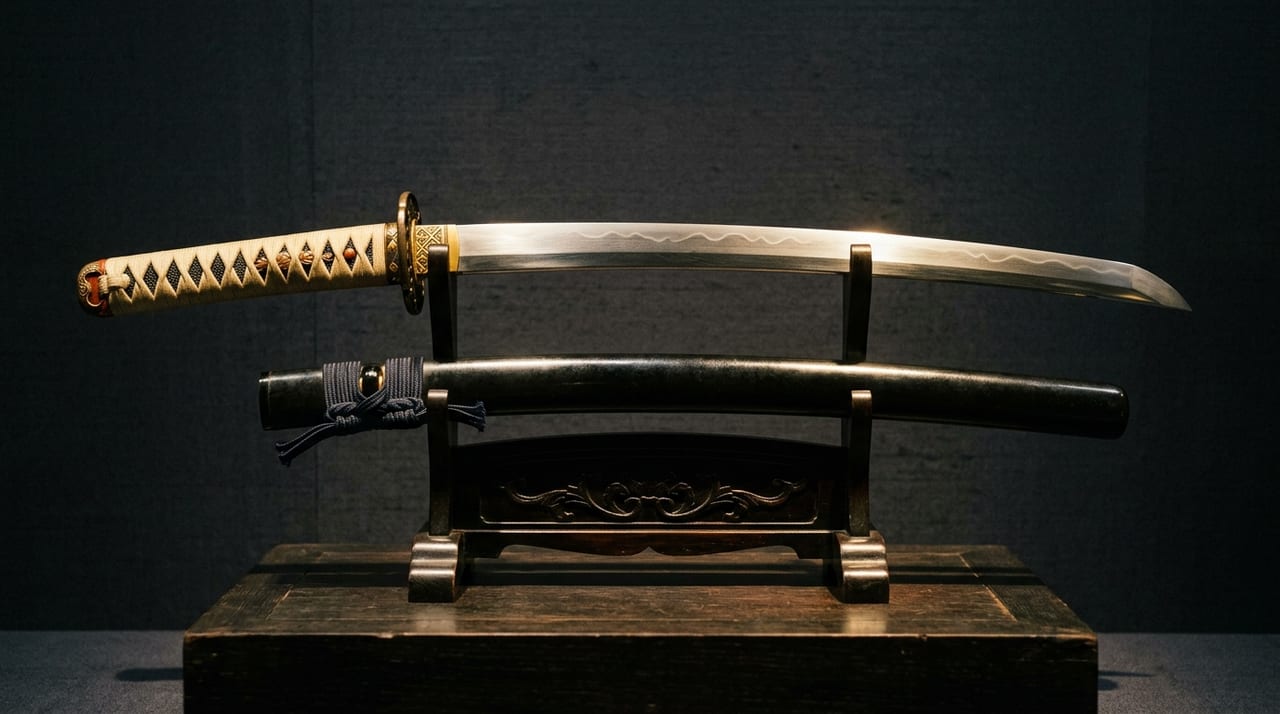 * Image is for illustrative purposes only.
Table of Contents
What Is the Wakizashi — Dimensions and Definition
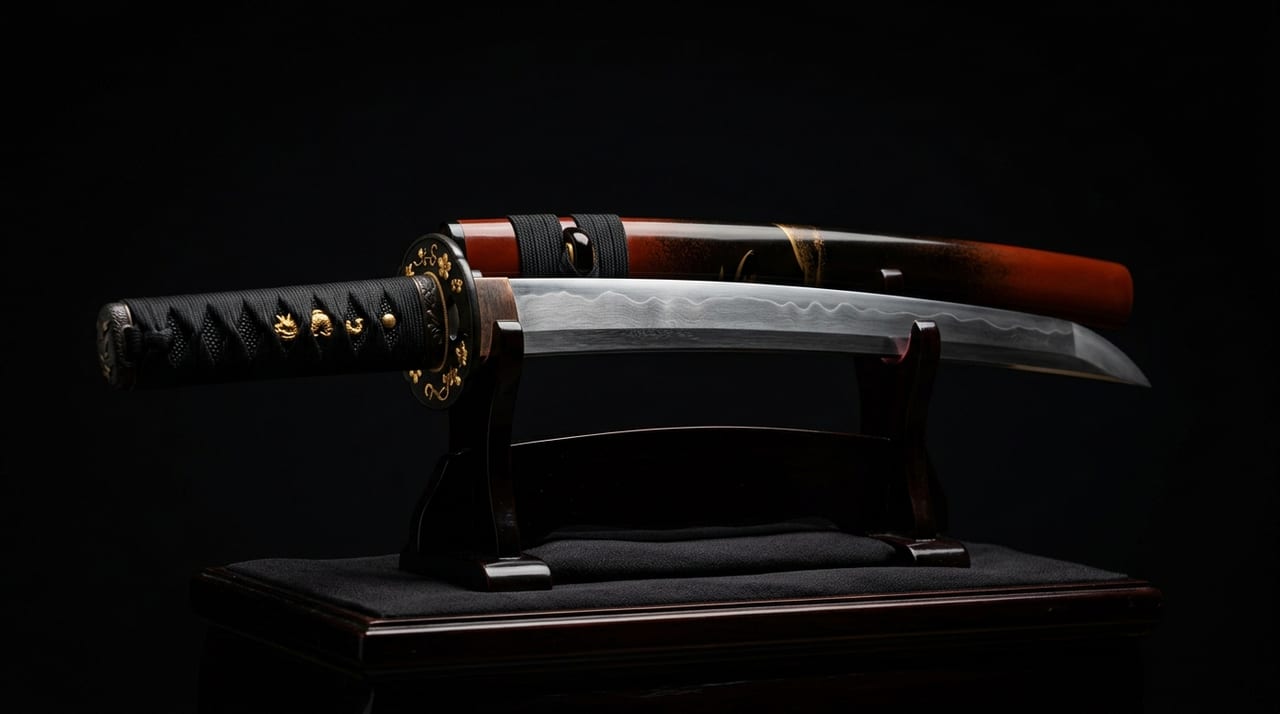
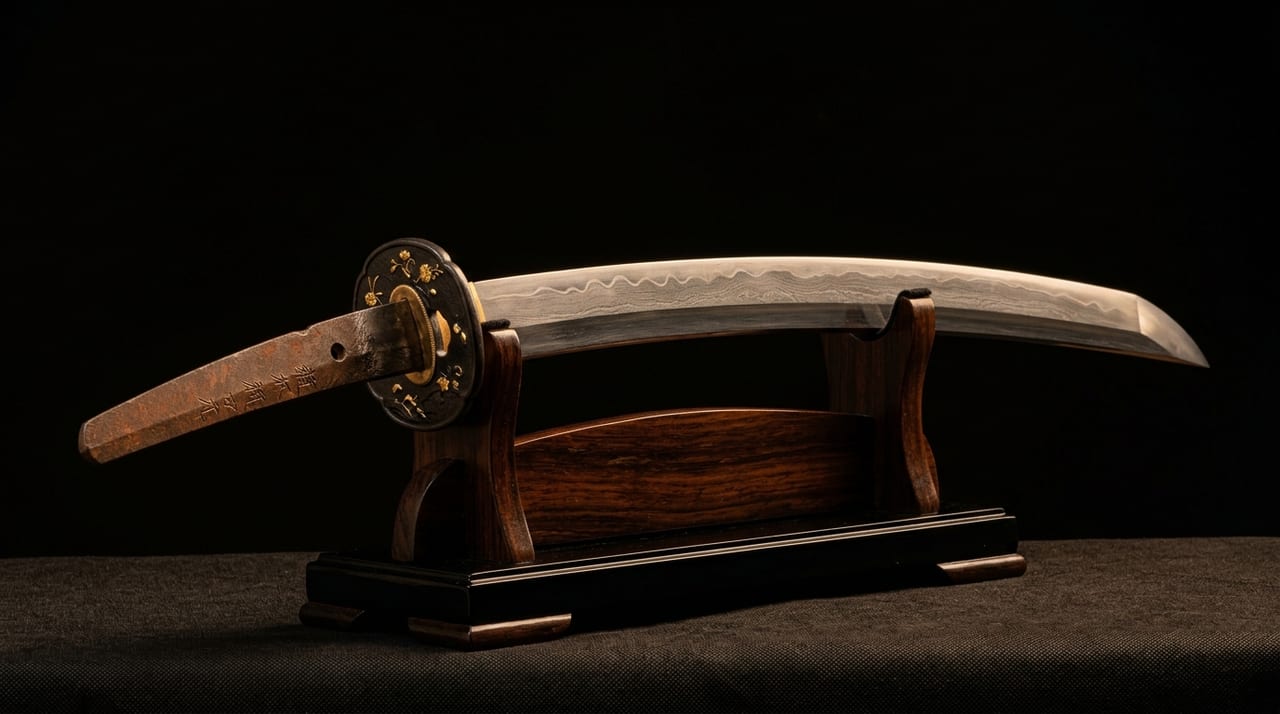
The wakizashi refers to a nihontō with a nagasa of one shaku (approximately 30.3 cm) or more but less than two shaku (approximately 60.6 cm). Blades under one shaku are classified as tantō, and those of two shaku or more as tachi or uchigatana. This dimensional classification has been carried over into the modern legal classification for swords.
For samurai of the Edo period, the wakizashi was a "companion sword" carried at all times in combination with the long sword (uchigatana, two shaku or more). In the practice of nihon-zashi — the custom of wearing a matched pair of swords at the waist — which signified one's status as a samurai, the wakizashi was an indispensable component. From samurai traveling to Edo for sankin-kōtai to the lower-ranking warriors of a domain, the practice of wearing two swords was the most visible symbol of the samurai class.
Primary Uses of the Wakizashi
The practical uses of the wakizashi were exercised in contexts different from those of the long sword (uchigatana).
- Indoor self-defense and close-quarters combat: In the manor houses and castles of Edo-period samurai, it was proper etiquette to remove the long sword along with its saya from the waist when indoors. However, the wakizashi was permitted to be worn even indoors at all times. This functioned as a means of self-defense against sudden threats inside buildings. With its shorter nagasa, the wakizashi was easy to handle even in confined indoor spaces, making it an effective weapon in situations where the long sword could not be used.
- Tome-zashi (coup de grâce): In battle and duels, the wakizashi or tantō was used for tome-zashi — delivering a finishing blow to an opponent already felled by the long sword. When inserting the blade tip into gaps in armor, the shorter wakizashi was superior to the long sword in terms of maneuverability.
- The ritual of seppuku: The most symbolic use of the wakizashi was seppuku. In the ritual of seppuku, through which a samurai chose an honorable death, the abdomen was cut with the wakizashi. This meant that the wakizashi was the most sacred and solemn instrument connected with the "death of a samurai." While kaishaku — the role of relieving the pain of the samurai performing seppuku by severing his head with a long sword — required the long sword of another samurai, the individual's own wakizashi was the central implement of seppuku.
The Formality of Daishō — The Koshirae of the Wakizashi and Social Rank
In the Edo period, assembling daishō — the combination of the long sword and wakizashi — was proof of a samurai's standing. Daishō was not merely a pair of tools; it was considered proper etiquette to coordinate them with the same koshirae, and differences in rank were expressed through the design, materials, and style of the metal fittings.
The highest grade of koshirae used as formal ceremonial dress by the shogunal house and daimyo was the daishō with mitokoro-mono featuring elaborate metal fittings by the Gotō-ke metalworkers. Mitokoro-mono refers to three types of fittings — menuki, kozuka, and kōgai — unified under a consistent design by a single maker, and daishō with Gotō-ke mitokoro-mono held the highest standing even as gifts exchanged among daimyo.
On the other hand, the koshirae of wakizashi used by lower-ranking samurai and ashigaru were often simple and functional, with iron tsuba and leather-wrapped tsuka. This disparity was systematized as the "formality of koshirae," and samurai distinguished their use depending on the context of their service (whether in a public or private setting).
Characteristics of the Wakizashi by Production Region
The production regions of wakizashi often overlap with those of long swords, though some regions show a tendency toward specialization in wakizashi.
| Region | Characteristics |
|---|---|
| Hizen (Saga) | Hizen-tō are known as the highest-quality sword-producing region throughout the entire Edo period. In wakizashi as well, the beauty of the jigane (featuring itame jihada and ko-itame jihada) and the simple hamon based on suguha are characteristic. Wakizashi by Hizen tōkō such as Tadayoshi, Tadahiro, and Yukihiro maintain high esteem to this day. |
| Yamashiro (Kyoto) | Yamashiro tōkō of the shintō period (1600s–1780s), especially those of the Horikawa lineage, demonstrate refined workmanship in wakizashi as well. The beauty of the jihada and the wide, vibrant hamon are characteristic, and "Kyō-mono wakizashi" combining them with koshirae influenced by tea ceremony culture were particularly favored. |
| Bizen (Okayama) | Tōkō lineages of the Bizen-den kotō period produced large numbers of wakizashi into the Edo period and beyond. Wakizashi with the itame jihada characteristic of Bizen-den and hamon featuring ko-chōji and chōji-midare are highly popular among kotō enthusiasts. |
Evaluation and Market for Wakizashi in the Modern Era
In the modern sword market, wakizashi may sometimes receive slightly less attention than long swords (uchigatana and tachi), but their artistic value is no different. In fact, well-preserved wakizashi tend to show less wear than long swords, and may in some cases command higher appreciation value.
Price ranges vary greatly depending on condition, maker, and period, but a typical mumei wakizashi from the Edo period starts at around several hundred thousand yen, while zaimei works by renowned tōkō and masterpieces from the kotō period can reach several million to tens of millions of yen. Wakizashi accompanied by NBTHK hozon kanteisho or tokubetsu hozon kanteisho are particularly highly regarded by overseas collectors, as their authenticity and grading are clearly established.
The wakizashi is also the sword category that most intimately embodies "the daily life of the samurai." Whereas the long sword was a symbol of public and martial occasions, the wakizashi was a sword that symbolized the private space of the samurai, personal honor, and readiness to face death. This cultural significance makes the wakizashi, even today, something more than merely a "short sword. Please check the list of swords currently listed for sale.